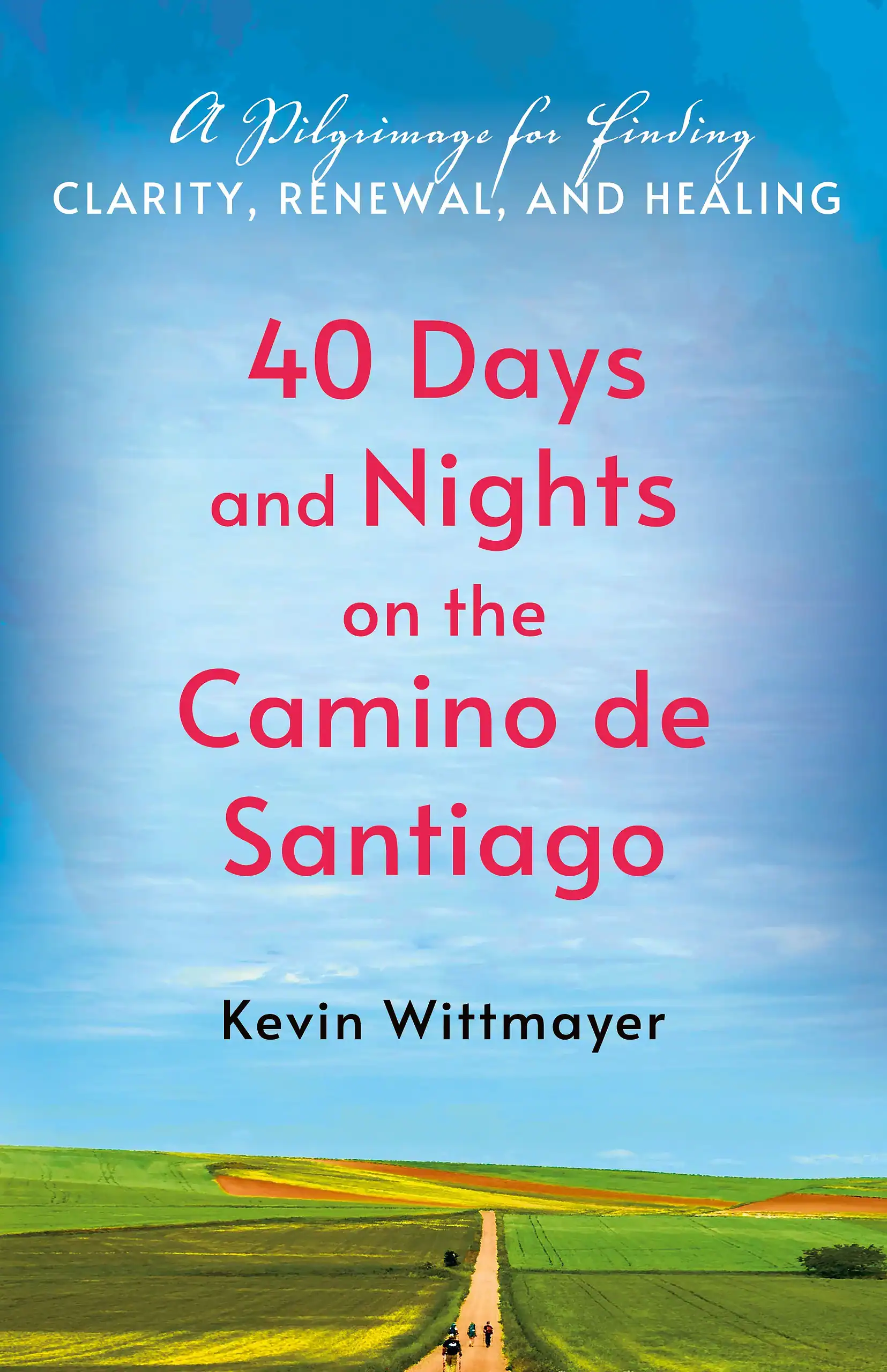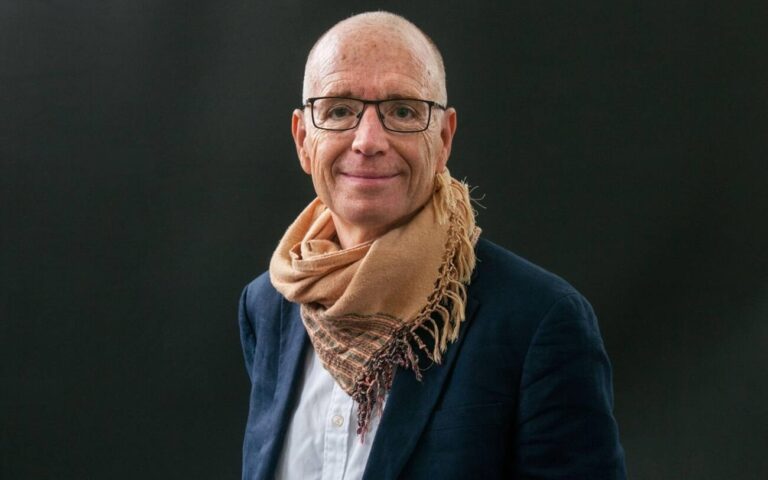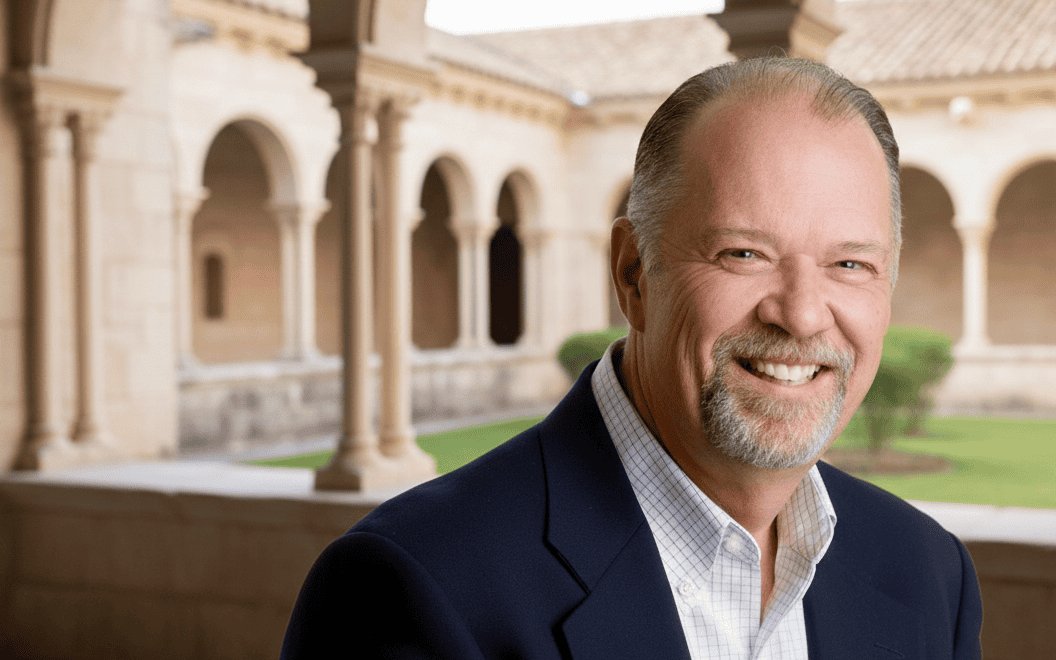
For Episcopal priest Kevin Wittmayer, the Camino de Santiago was a lifeline. Burned out from ministry and reeling from workplace betrayals, he walked 500 miles across Spain in 2012, carrying rocks inscribed with the names of those who’d hurt him. By the time he reached the iron cross where pilgrims leave their burdens, he’d found something more valuable than closure: a way back to himself.
His book, 40 Days and Nights on the Camino de Santiago, was released this week and chronicles that journey with the precision of someone who understands that spiritual transformation happens in the details – blistered feet, unexpected kindness, the weight of a backpack at dawn. Part memoir, part meditation, it’s written for anyone who’s ever needed to walk away from their life to figure out how to live it.
What drew you to walk the Camino de Santiago?
My first exposure was the movie The Way starring Martin Sheen. The desire to walk the Camino was set in my heart that day. The immediate circumstances was that after 20 years of ministry, I was burning the candle at both ends and thought seriously about leaving not only the church, but the ministry all together.
My bishop suggested I take a three month sabbatical to remember why I became a priest in the first place. As I share in my book, I didn’t tell anyone that I was an Episcopal priest. I didn’t want to feel obligated to minister to anyone because of my vocation. I needed time to heal.
How did the physical demands of the Camino shape your spiritual journey?
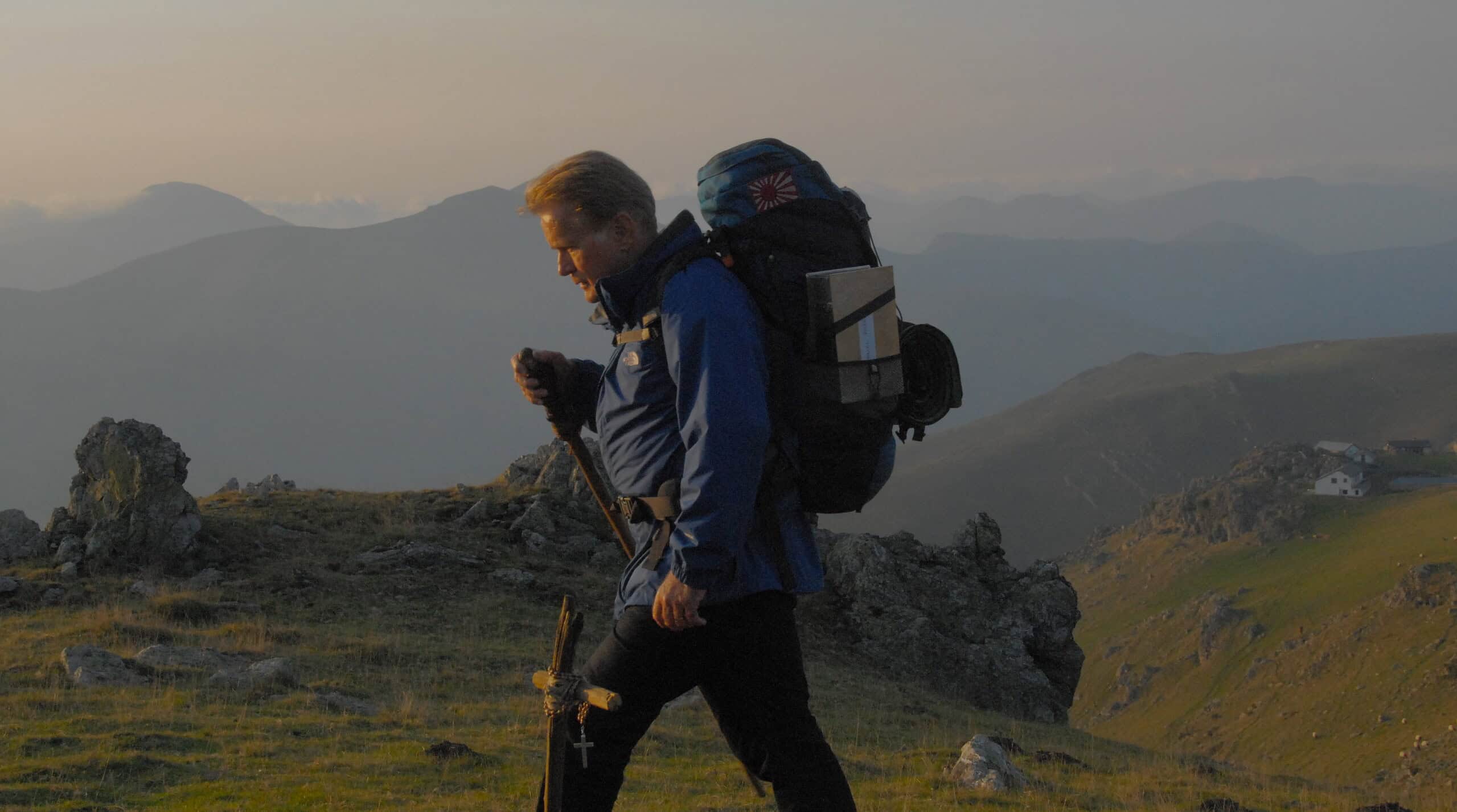
The first day of my walk, crossing the Pyrenees from France into Spain – it is a physically challenging climb even for someone in shape and I wasn’t. I would walk for a few feet and then I would have to stop. It was extremely frustrating because I was so out of shape.
Eventually every time I stopped to catch my breath I started praying for people, so I would walk for a few feet and pray, walk a few feet more and pray. I remember a particular time praying for my daughter and her husband. That just undid me, and I wept like a baby.
Most memorable or transformative moment on the Camino?
It had to be when I laid down the rock at Cruz de Ferro. There is a tradition among many pilgrims who walk the Camino Frances path to Santiago of carrying a stone in your backpack. The stone represents the burdens or challenges of life that have led to you making a pilgrimage on the Camino. When a pilgrim arrives at Cruz de Ferro, ‘the Iron Cross’, you lay that rock down at the foot of the cross.
I had written three names on one side of the stone of people in my Parish who had caused me great pain and led me to walk the Camino. On the other side of the stone I wrote the word ‘shame’ because it really was the first time that I had really screwed up in my twenty years of ministry. I saw it as a major failure on my part, and I carried so much shame with me on the Camino.

I recently discovered a photo of the stone with the word ‘shame’ written on it. What was interesting was that years later I remembered writing the names on the stone, but I had forgotten that I wrote the word ‘shame’. I was telling a colleague about that, and she told me, ‘I guess you really did leave it at the cross.’
How does the communal aspect of the Camino differ from solitary spiritual practice?
After some moments of painful introspection that happens in solitude, the small communities of pilgrims is a welcome relief. It was also the communal aspect of the Camino that really saved my ministry. Even though I walked the Camino without telling people I was a priest, the conversations I had with others affirmed my ministry time and time again.
It was in the communal aspects of the Camino that I experienced my lasting impression of the Camino, which was the kindness pilgrims showed toward one another. I built friendships on the Camino that continue to this day, more than a decade later.
How does your work as an Episcopal priest inform your approach to pilgrimage?
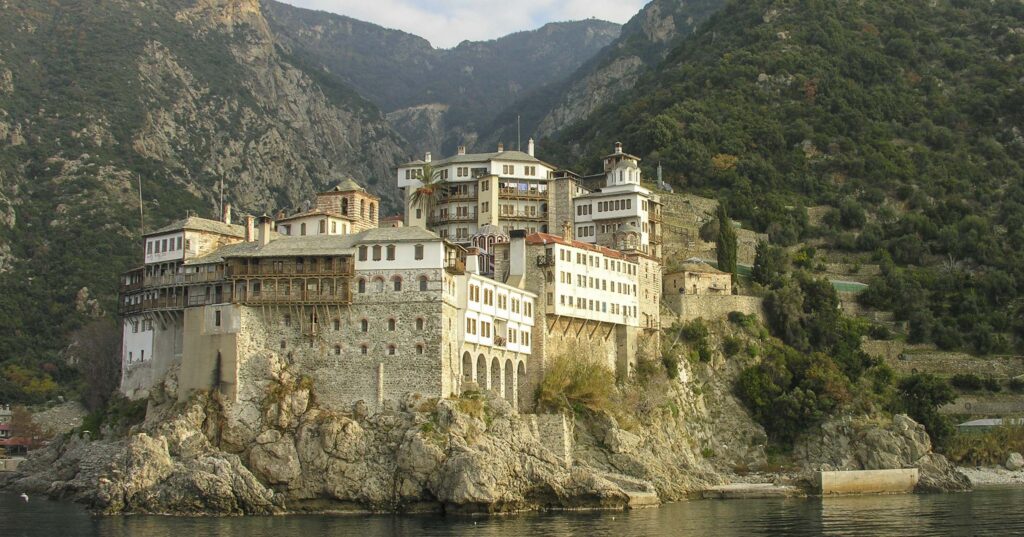
What I was surprised to discover was the large percentage who walk the Camino with no spiritual motivation. So whenever my travel is meant to be a spiritual pilgrimage, I always examine what the spiritual intent is of my pilgrimage. When I walked the Camino the intent was to find clarity about my vocation, renewal of my prayer life, and healing for the hurt I had experienced. I did the same when I went on pilgrimage to Mount Athos in Greece, the center of Orthodox Christianity.
Best place in the world for contemplative walking?
The Camino, of course. More specifically, the section on the Camion Francés between Burgos and Leon known as the Meseta. It is a landscape flat and sparsely inhabited. Many pilgrims skip it, taking a bus from Burgos to Leon. For me it was some the richest contemplative time. The section offers very few distractions, thereby allowing time for deep reflection.
Most inspiring city for writing?
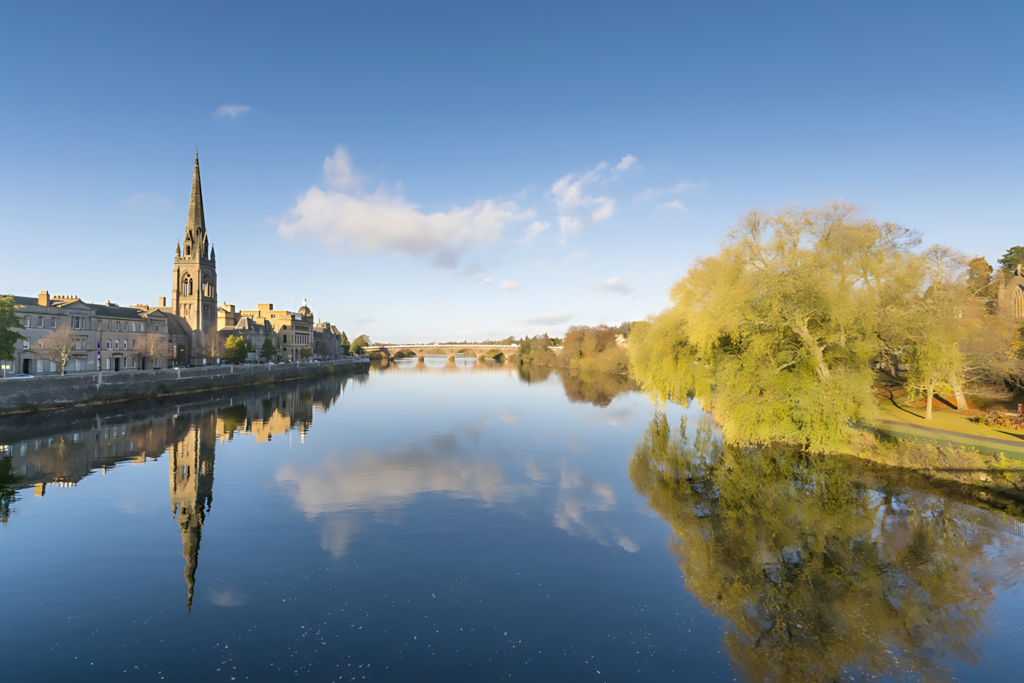
Our most recent trip was to Scotland last October. We visited the town of Dunkeld on the River Tay. I could have sat by the river all day and contemplated life, read books and wrote.
Where do you go for pure escapism?
A good book or a book store. When I just want to get away from the small city I go to Dallas and always stop at Half Price Books.
Where do you need a creative reset?
Every week I have to think creatively about how to communicate the truth of the Scriptures into the practical reality of people’s lives. I go to a monthly sung and chanted Compline service done at the local Episcopal church – it’s the last service conducted by monks before they go to bed, by a male choir which allows the congregation to just be still and be bathed in the presence of God’s Spirit.
Where do you go for stimulation and creative energy?
Shortly after I returned home, my youngest daughter gifted me a Mr. Beer brewing kit. My hobby was born, but what to do with all the beer I brewed? So, three or four times a year, we invited friends to our home to gather in the garage brewery and celebrate life. We provide the beer and the main meal, and our guests provide side dishes to share with others.
I have written prayers to say during six different steps in the brewing process – reminders along the brewing process of God’s great gifts to me, and that I, in turn, am to offer the gift of generosity to others.
Best beer destination for both craft and contemplation?
The first is St. Sixtus Abbey in Westvleteren, Belgium. Many consider their Westvleteren 12 to be the best, if not one of the best beers in the world. I was fortunate enough to visit the monastery immediately after walking the Camino. I also visited the monasteries in Chimay and Orval so maybe I should just say the country of Belgium.
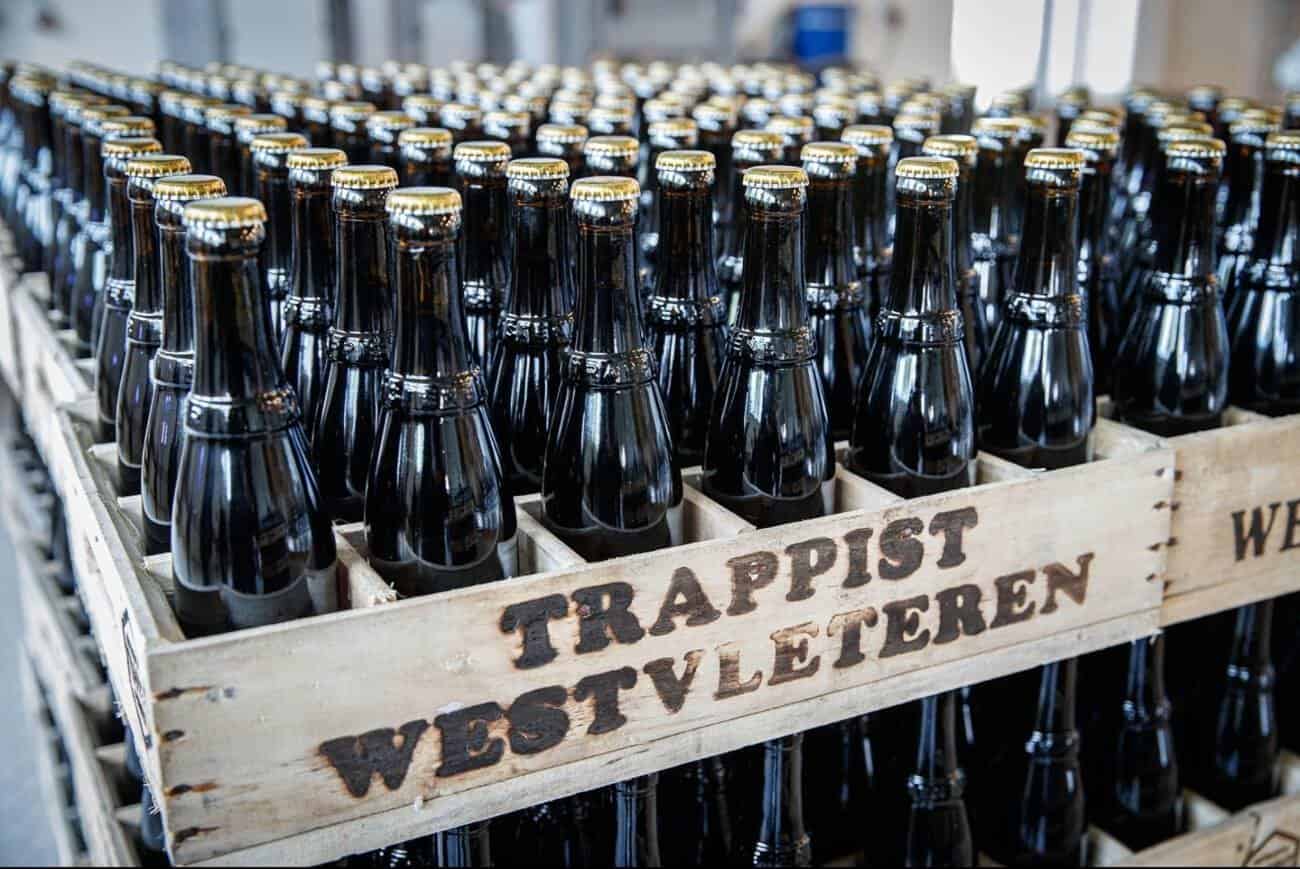
I also had the unique experience of going on a spiritual retreat at Mount Angel Abbey in Oregon. They are the only Benedictine monastery in the United States that brews beer on site with a taproom where patrons can enjoy beer on monastery grounds surrounded by hop fields. Benedictine spirituality talks about Ora et Labora, Prayer and Work. On other spiritual retreats at monasteries, I have always entered into the prayer of the monastery, but not the work. This past year, I received permission to brew with Fr. Martin, the monastery brewmaster. For this homebrewer, it was four glorious days of craft and contemplation.
Favourite local restaurants in Texas?
For barbecue, I like Country Tavern in Kilgore, Texas. Closer to home I love Ki Mexico which specialises in recipes from the Mexican region of Oaxaca.
Best local bars?
Rueggenbach Brewing Co. is my favourite, but I may be a little prejudice. I’m friends with the bremaster owner and he has allowed me to brew with him two of my recipes; a Belgian dubbel called Monk’s Cowl and my Belgian Quad called Four-Eyed Friar. My second favorite is Greenside Beverage Company, who shares space with Ki Mexico.
Local hidden gem?
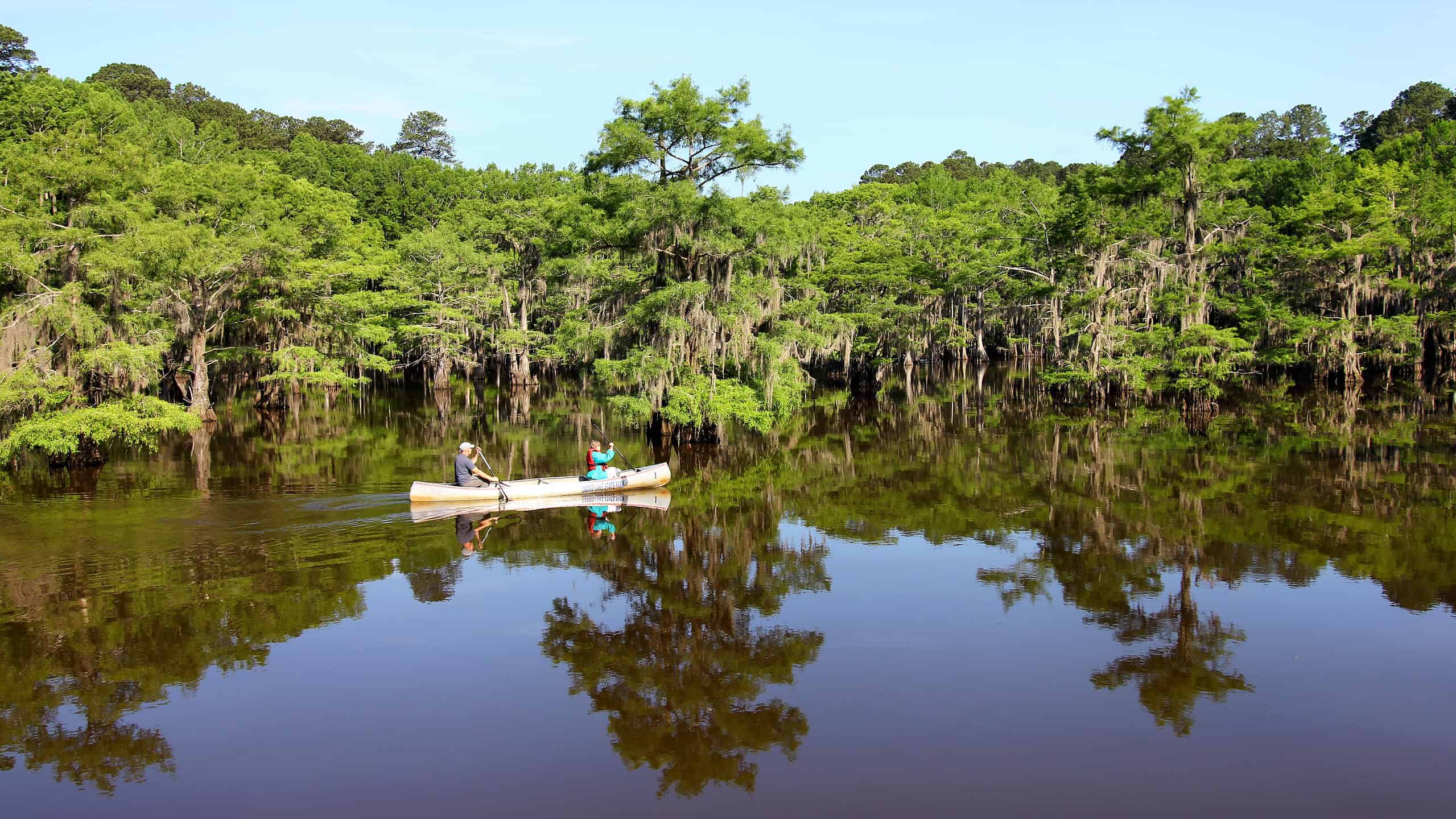
Caddo Lake State Park. The cypress trees, quiet trails, and otherworldly beauty make it feel like another world – one of the most contemplative landscapes in Texas.
Favourite hotel, anywhere in the world?
The Don Cesar in St. Petersburg Beach, Florida. We have a lot of good family memories there with our two daughters when they were young.
Your top three museums?
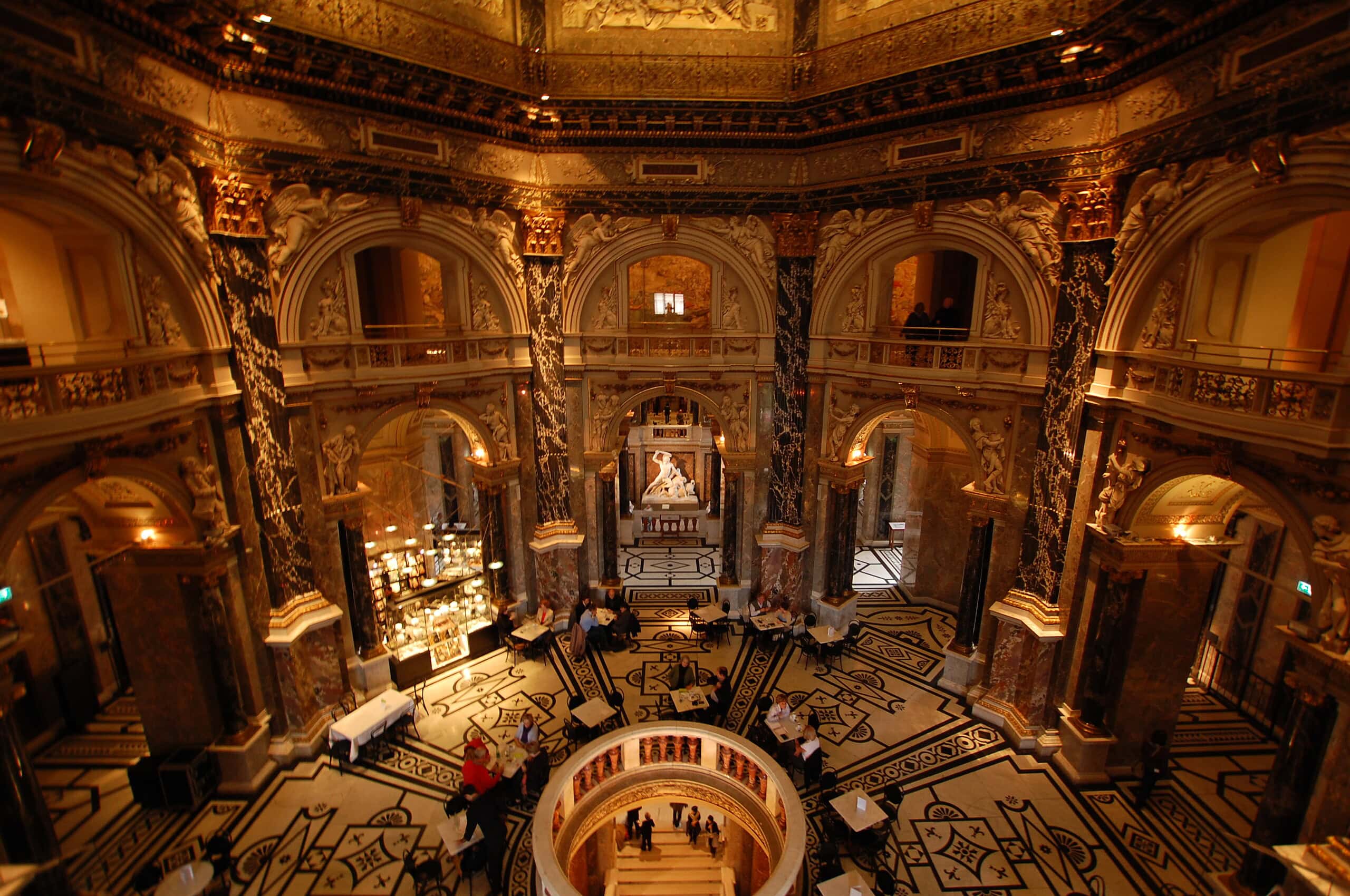
I’d say the Louvre in Paris because of the enormity of it and the collection it holds. The Galleria Borghese, Rome for its collection of sculptures. Then the one that probably was most memorable for me was the Kunsthistorisches Museum, Vienna. I turned a corner and came face to face with Paul Rubens’ Lamentation of Christ by the Virgin Mary and St. John – a painting of Mary, holding Jesus, picking out the thorns from his forehead.
Travel splurge you’ll never regret?
I’ll never forget the extra day we spent at the Friedrichsbad Spa in Baden-Baden, Germany.
What’s always in your carry-on?
A book. My mother used to tell me when I was a child, ‘books are our friends.’ I’ve been an avid reader every since.
Dream vacation, not yet fulfilled?
Walking the Camino with my daughters or my grandchildren. Under better circumstances I would like to go to Ukraine. I’m an amateur genealogist and my ancestral home of my surname is the Crimea. They were Germans who immigrated to the Crimea in the early 19th century and then to North Dakota in the late 19th century.
Thoughts on modern pilgrimage versus traditional religious tourism?
I think the difference is found in the spiritual intentionality of pilgrimage. I have enjoyed travel to religious sites as a tourist; Rome, Iona, and Canterbury. It was a much different experience than my pilgrimage to Mt. Athos and the Camino. Recently, I’ve been reading Age of Pilgrimage: The Medieval Journey to God by Jonathan Sumption.
The distinction between pilgrimage and religious tourism is not a new phenomenon. It’s a dimension of pilgrimage that has been going on since the beginning of the pilgrimage, even in the Middle Ages. Not everyone who begins their walk on the Camino begins as a pilgrim. Their intent might be like some whom I met were just enjoying an inexpensive vacation. However, who knows what might happen on a journey like the Camino, especially on the introspective Meseta.
Favorite travel writers or spiritual memoirs?
I’ve always enjoyed Rick Steves because of his emphasis on staying with local residents and experiencing a true sense of the country you are enjoying. Two Christian authors that come to mind are Frederick Buechner and Donald Miller – Miller wrote the memoir Blue Like Jazz and I especially loved his memoir A Million Miles in a Thousand Years: How I Learned to Live a Better Life.
I would also be remiss if I didn’t mention C. S. Lewis – his memoir reflecting on his wife’s death, A Grief Observed, was instrumental in helping me process my own grief when my brother died when I was twenty-four. I also think that Fr. Richard Rohr shares some wonderful insights about the second half of life in his book, Falling Upward.