The real Kyoto isn’t served in ancient dining halls; it’s dished out at hidden bars and crowded standing-room kitchens.
Kyoto is a victim of its own beauty. The city’s historic core, once a place of quiet contemplation, now strains under record-breaking tourist numbers. For most visitors, the dining scene is a minefield – genuinely difficult to distinguish kitchens serving careful, traditional cuisine and those extracting maximum yen from jet-lagged travellers. And the sheer volume has pushed some of the most established spots behind ‘no foreigner’ policies.
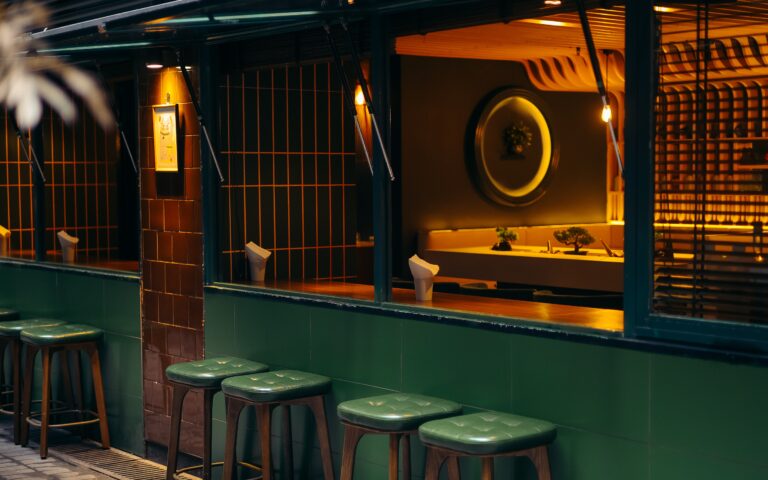
But look past the omakase counters and kaiseki halls, and you’ll find the city’s real energy. The standing bar (tachinomiya) has emerged as a refuge for Kyoto folk – honest, unpretentious drinking and eating spots operating somewhere between izakaya and Spanish tapas joint. You bar-hop through the night, propped on counters, ordering frosty nama beers, grazing on surprisingly accomplished dishes both inventive and affordable. At these foreigner-friendly, shoulder-to-shoulder establishments, Kyoto sheds its formality and once again breathes like a vibrant city.
Suiba
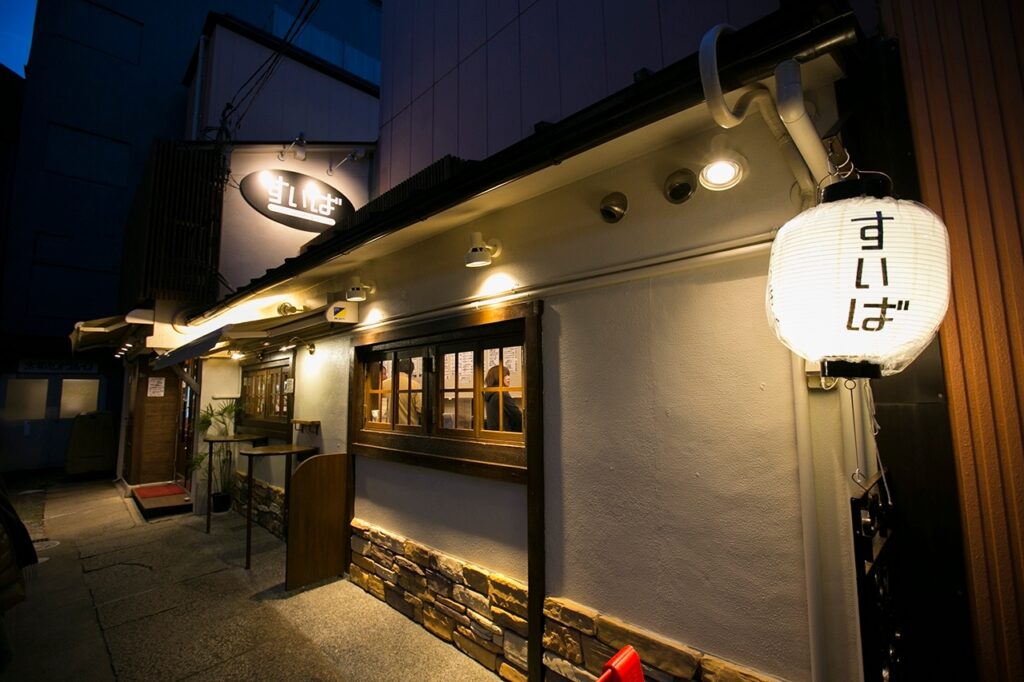
Suiba should be your first stop if you’re new to standing bar culture. Spread across four locations, these brightly lit, thoroughly inviting hubs have stripped away the formality strangling Kyoto’s dining scene, replacing it with a ‘come as you are’ energy welcoming solo drinkers and raucous groups with equal indifference. The menu is scrawled across walls, and nothing – from the fresh sashimi to the house sake – threatens your budget.
The kitchen traffics in plates made to keep you snacking and drinking: buttery avocado topped with salty seaweed paste, mushrooms steamed in foil packets with lemon and butter. Most dishes hover ¥200-300, each feeling less like a calculated course and more raiding a chef’s exceptionally well-stocked fridge. Reliable noisy neighborhood spots where the setting and food quality outstrips the standing-room surroundings.
Tsukinokoguma
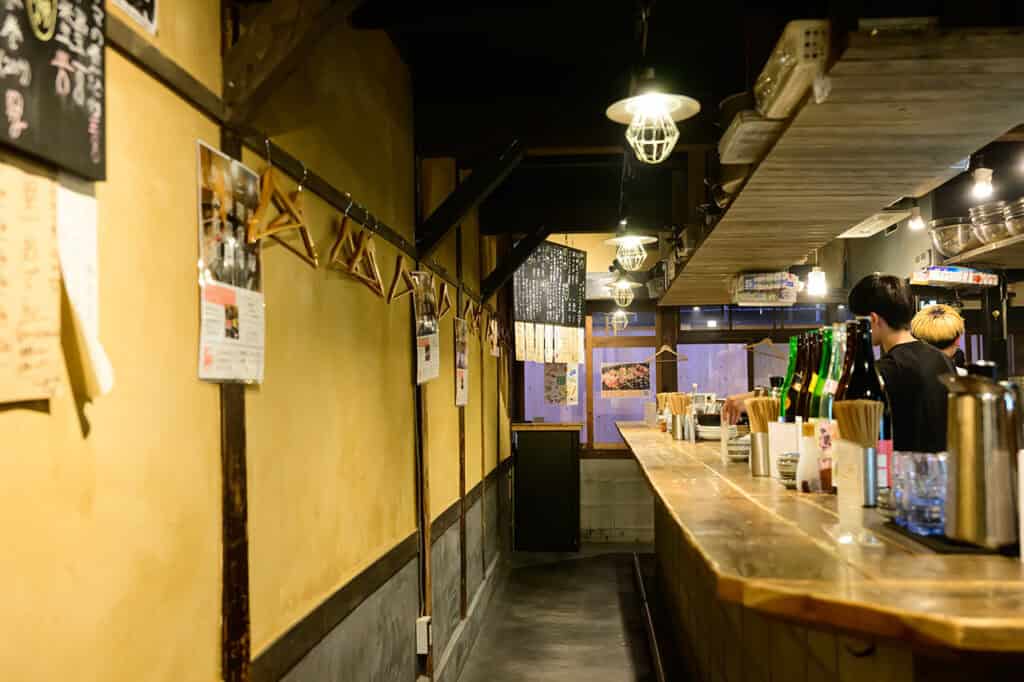
A fancy sibling to Osaka’s acclaimed Jack and Matilda, Tsukinokoguma brings a more sophisticated edge to Kyoto’s standing bar circuit. The space centres on a classic U-shaped counter where drinkers can watch chefs coax smoke from charcoal grills. The menu spans roughly 40 dishes, ranging from traditional obanzai to inventive fusion riffs like Wagyu beef sukiyaki spring rolls with a molten egg yolk dip that threatens to ruin your shirt.
The house signature – charcoal-seared oyadori (mature chicken) thigh – carries a deep smokiness that pairs well with their 30-strong sake list. Solo diners should make for the “four kinds of snacks” platter, a clever single-serve sampler of the kitchen’s range without committing to full portions. Between creative blackboard specials and its high-energy service, Tsukinokoguma is proof standing bars can be polished without losing their essential democracy.
Tachinomi Sharp

Just a minute from Kawaramachi Station, Sharp is a 10-seat masterclass in compact dining. The name plays on the kanji for “Inoue” – the chef raising standing bar fare into something approaching kaiseki precision. Despite a kitchen the size of a cupboard, Inoue-sensei turns out remarkable seasonal seafood: pristine sashimi, traditional funa-zushi, delicate preparations that belong in more formal settings.
The space feels intimate and unexpectedly high-ceilinged, but with so few spots, reservations aren’t optional. An English menu exists, though the best dishes appear only on handwritten daily specials – keep Google Translate handy. Pair your meal with selections from their staggering sake list, featuring rare bottles from obscure prefectures that serious drinkers travel for. Honest, expertly executed, and a perfect reminder that Kyoto’s best meals often happen in the least assuming spaces.
Kiyokiyo
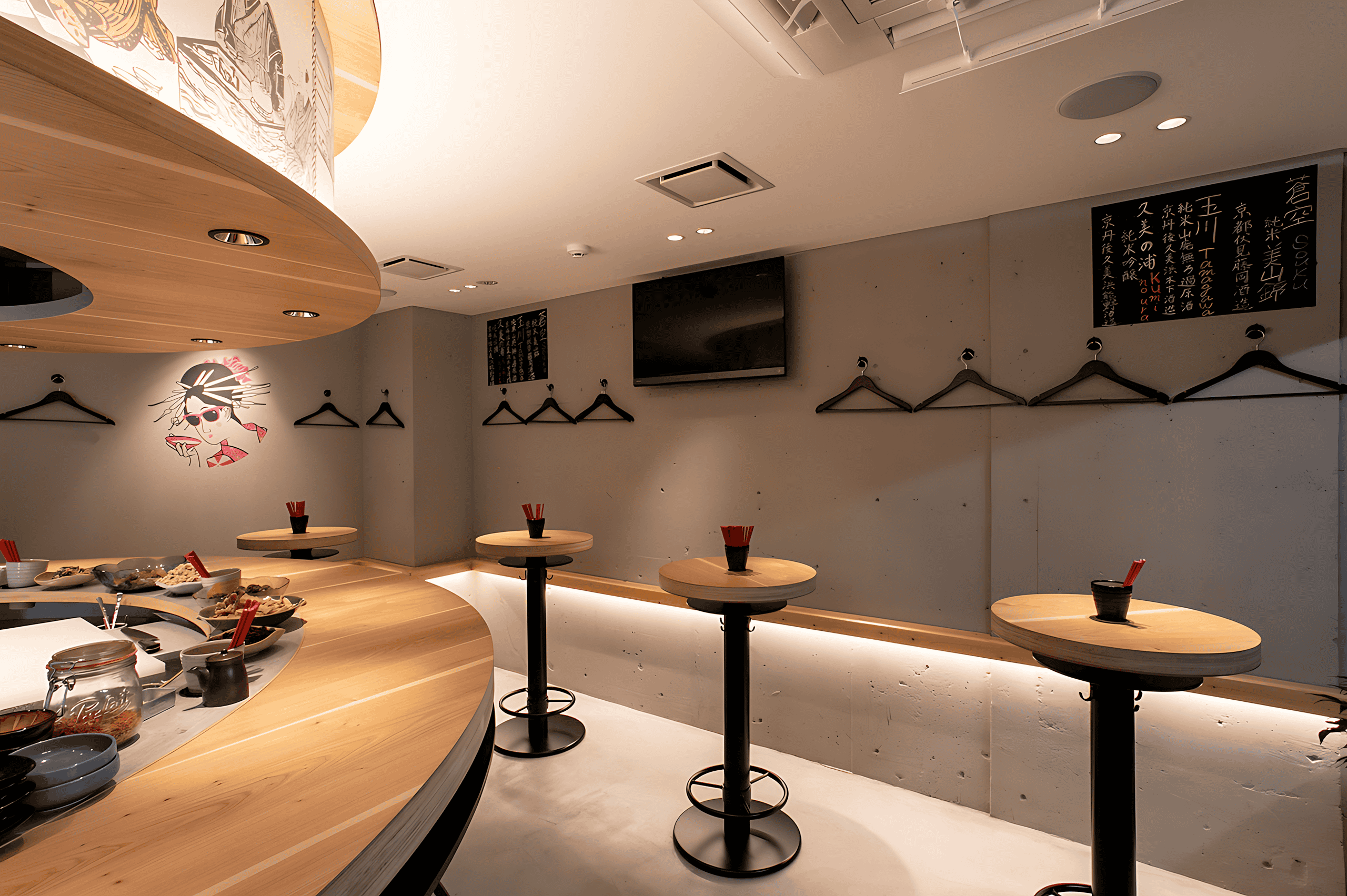
Kiyokiyo is a contemporary standing bar run by a disarmingly friendly team, tucked just off touristy Pontocho Alley. The clean, minimalist design is a quieter escape centred on obanzai – traditional Kyoto small plates with gentle, soulful flavours. These daily specials, ranging from simmered seasonal vegetables to delicate preserved fish, provide the perfect comfort after a day navigating temple crowds.
Though it carries standing bar DNA, the design skews decidedly modern, and you can even request a bar stool at the high tables if your feet are staging a revolt. Don’t miss the exceptionally crisp tempura, or selections from their surprisingly deep sake list. Given its prime location, prices run slightly higher than neighbourhood tachinomi, but the atmosphere and quality justify the premium – this is what happens when standing bars meet thoughtful design.
Stand Sakaba Stem
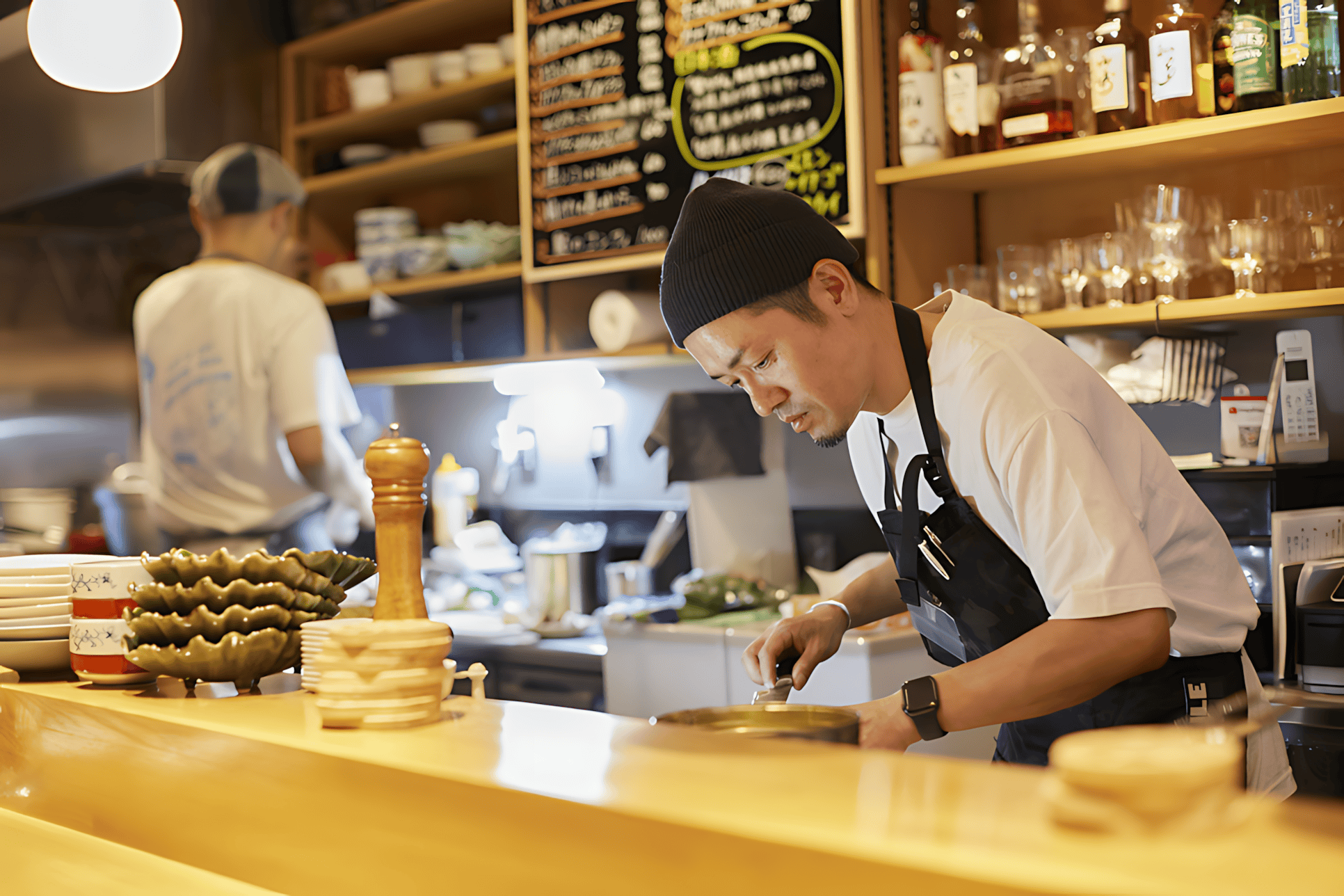
Stem is a stylishly low-key retreat that sidesteps tourist trappings entirely – there isn’t even an English sign to guide you in. The space is run by a youthful, welcoming team who seem genuinely pleased you’ve found the place, and while the menu exists strictly in Japanese, the kitchen produces quietly remarkable work: classic gyoza with proper char, inventive riffs like kelp-seasoned avocado or snap peas dressed in sake-kasu mayonnaise.
The sake selection is extensive and thoughtfully curated to complement their small plates. Pricing leans slightly higher than your average tachinomi, but the culinary precision and effortlessly friendly, cool atmosphere justify the spend. It’s a Kyoto hidden gem for those willing to navigate Google Translate in exchange for an exceptional meal.
Tosaka
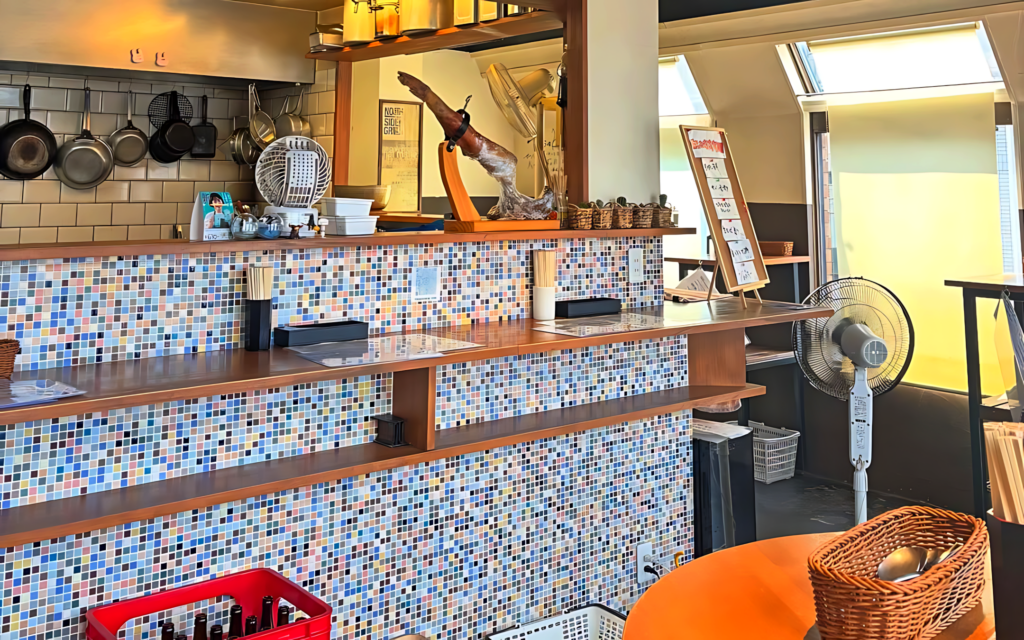
Tosaka is what standing bar culture is fundamentally about: a gritty, smoke-hazed sanctuary where the stark simplicity of its setup frees the kitchen to experiment with an eccentric fusion of East and West. It may feel intimidating at first glance, but the owner and his approachable team offer a genuinely warm welcome to foreigners, often transforming a quick drink into something like a minor epiphany.
The menu is a delightful contradiction – traditional obanzai and charcoal-grilled mackerel share space with authentic pizzas and pastas. But the highlight is undoubtedly the European-influenced Japanese fare: raw mushroom carpaccio, miso bagna cauda, or the show-stopping Wagyu chuck steak that belongs in venues charging triple the rate. Despite the culinary execution, prices remain impressively affordable – proof it’s not trying to be anything other than exactly what it is.