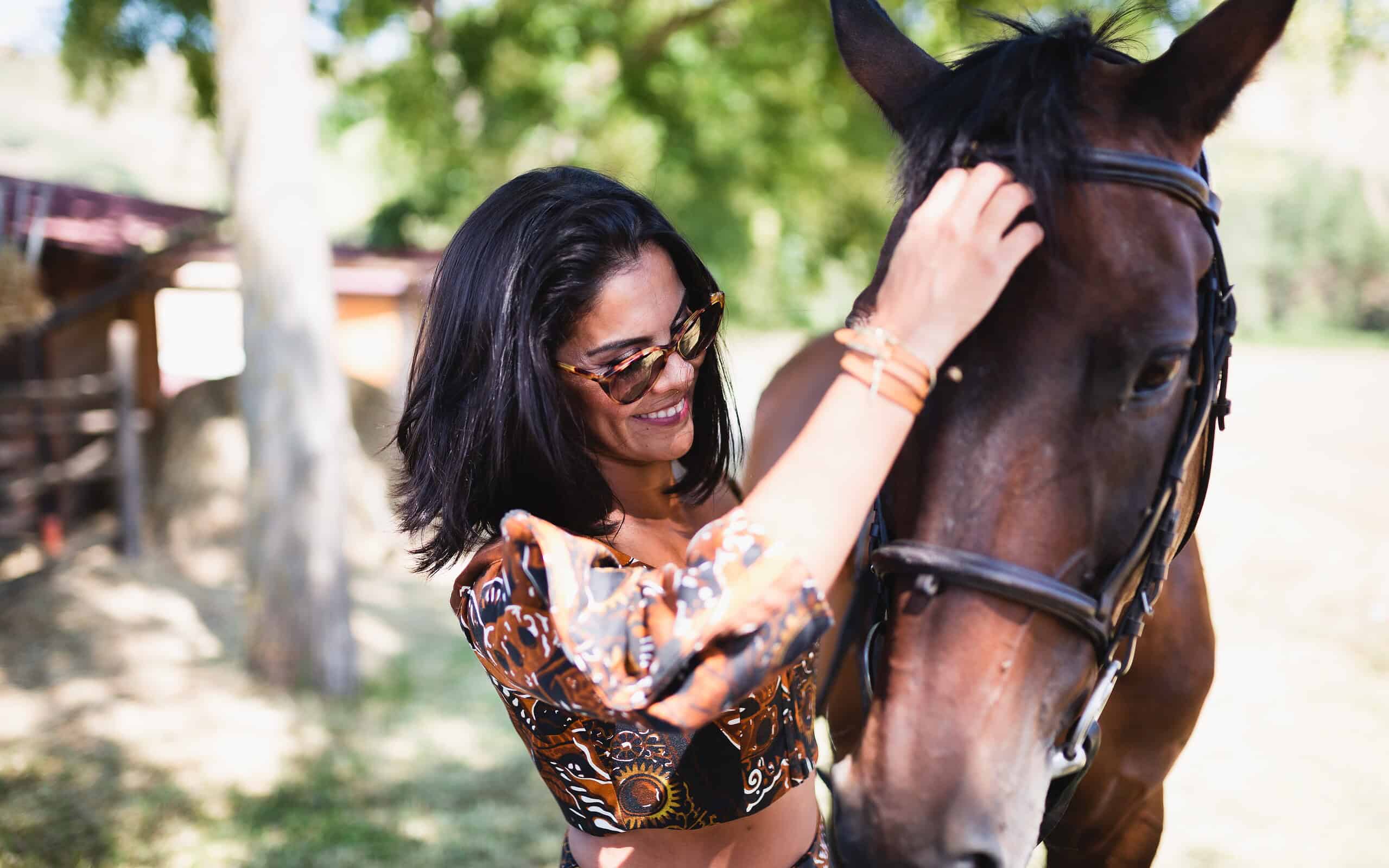
Niseko, Phuket and Hong Kong-based, Emilia Ana Lopez is clearly a big fan of Asia’s islands. The Los Angeles born-and-bred property advisor has carved out a niche finding off-market Japanese and Thai gems for clients who value discretion, under Off Market Niseko and Off Market Phuket. Nearly two decades in real estate have taught her that the most compelling properties across Niseko and Phuket are found not through databases, but through trusted relationships, carefully tended. Here opportunities pass from hand to hand before they ever meet the light of an open listing.
Lopez, who is Mexican/American, advises global investors, family offices, private equity groups; but she doesn’t just find people a second home, she opens doors, literal and otherwise. Delving into the best of these idyllic locales means that she has built an enviable personal database of the best restaurants, beach clubs, horse-riding and hiking spots. Here she shares the places, restaurants, bars and the quiet rituals that define a destination, in Hokkaido, Phuket and beyond.
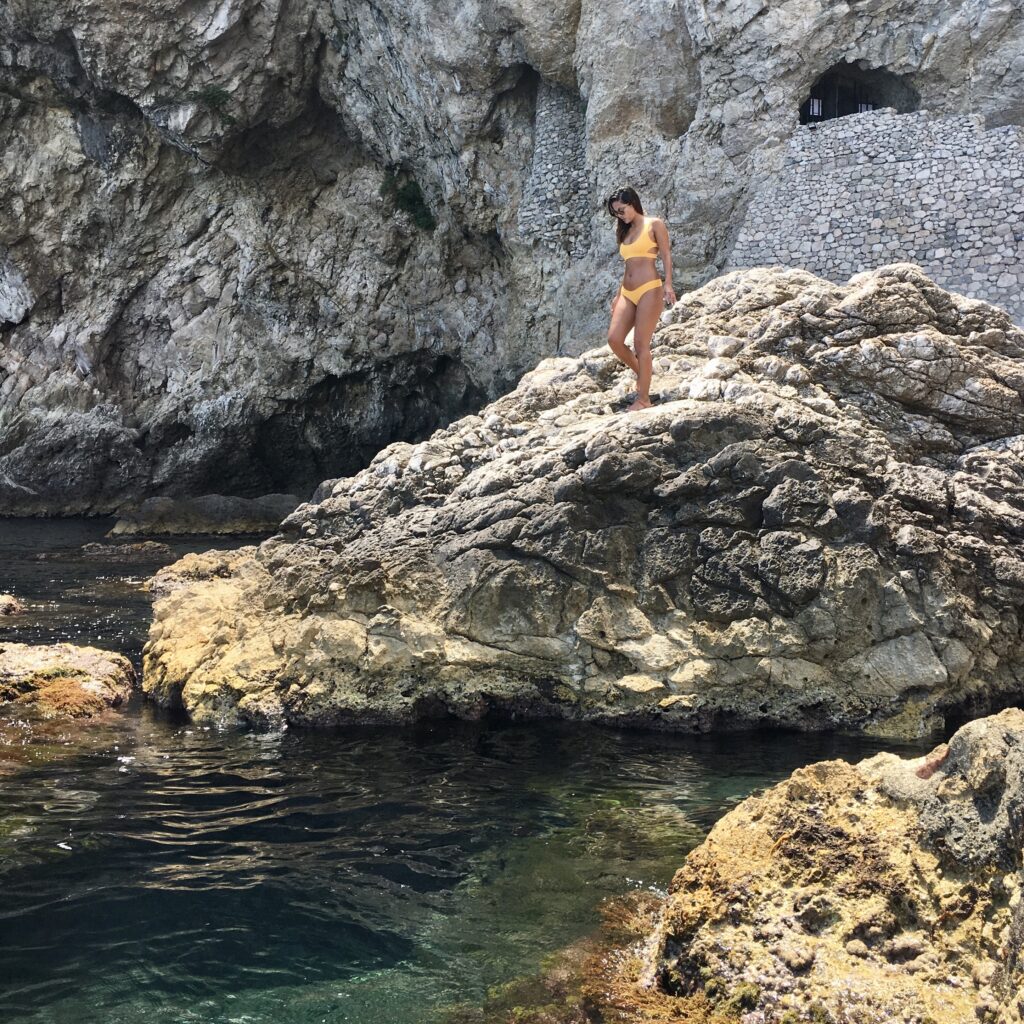
You live in several cities at once, how do they give you different senses of home?
Home isn’t really a place to me, it’s people, rituals, the small familiar details. Friends who become family, the same butcher or fishmonger, even the crack on a tennis court that throws you off but becomes part of the rhythm.
Each city feels different on the surface, but the core is always the same: strong relationships and a sense of rhythm. I leave with a bit of sadness, and come back with excitement. That’s how I know it’s real.
Best things about being in Hokkaido?
Being here has changed how I live day to day. I love to cook, and in Hokkaido the quality of everything (produce, fish, meat) stands out immediately. My calendar ends up shaped around it: michinoeki runs, seasonal markets, bakeries that only open a few days a week. I even keep my own maps of farm stands and timings.
Around Toya, friends are hunters and fishermen, ageing umeshu, smoking venison, making miso from scratch. There’s a deep respect for the land, and an intuitive way of transforming it. It’s not just beautiful, it’s deeply lived-in.
Favourite restaurants in your local Niseko neighbourhood?
As much as I love Japanese food, I’m a burger girl through and through: Side-Piece does the best fried chicken and smash burgers in town, but it’s only open a few days a week and sells out fast.
If I don’t eat at Ichimura Soba at least once a week, I can’t function — kamo negi seiro juwari, maitake tempura, and the roasted buckwheat miso. I usually go with people because I over-order.
BCC White Rock is my go-to for pizza, and I’ll always take home a few slices of their chocolate tart. Sometimes I even pre-order a whole one for dinner parties. It never lasts.
Best bars in the city and why?
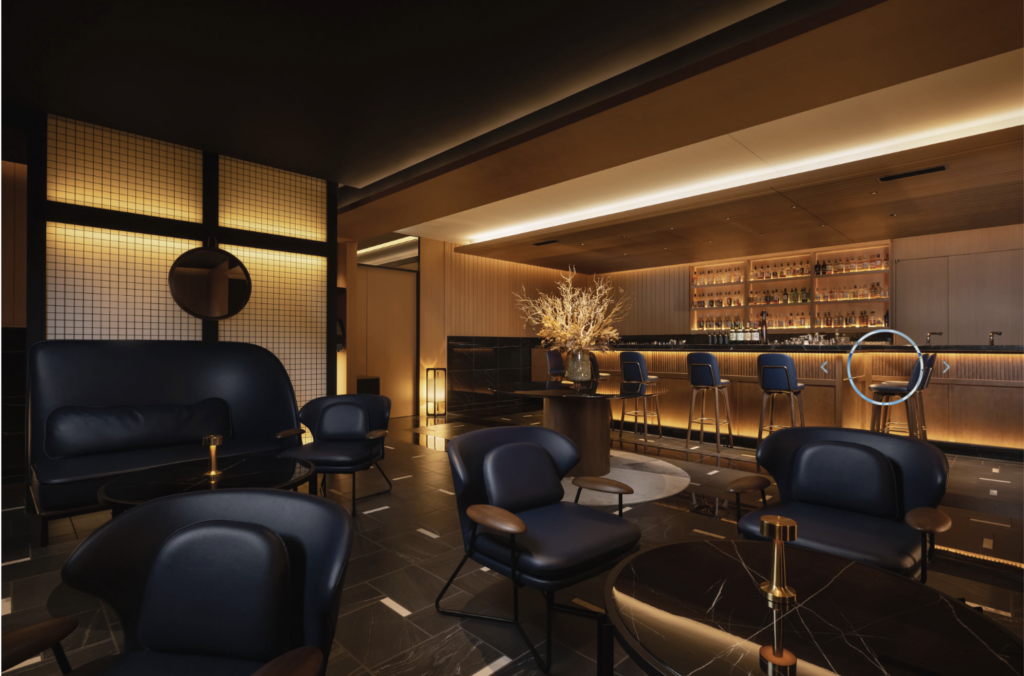
Toshiro’s Bar is hands down the most refined cocktails in town. Precise, understated, and beautifully executed. That said, I’m still a burger girl, so when I’m feeling a bit indulgent, it’s martinis and a burger at Luke’s Oyster Bar and Chop House. You always end up meeting interesting people. I’ll usually finish with the hot chocolate chip cookie and ice cream, no hesitation. Bar Gyu is atmospheric, exquisite cocktails, great music, but I’m too impatient to queue. I’ll usually head to Niseko Confidential or Magic Mountain instead: a mix of guests and seasonal staff, and it can get a little rowdy in the best way.
There’s been a boom of global interest in Japanese holiday homes, tell us more about the latest trends?
There’s been a clear shift. I started out working largely with branded residences, but now I’m being approached by serious international capital (Europe, North America, Mexico, Brazil) looking to secure 10,000+ sqm for a single private home. Even within branded developments, buyers are no longer thinking in single plots. They’re increasingly assembling multiple plots to create genuine privacy: more land, more control, fewer neighbours.
I tend to stay with clients from acquisition through to build and handover, and what’s emerging is a much sharper focus on discretion. From how homes are positioned on the land to the level of security built into them. It’s no longer just about owning in Japan – it’s about creating something that feels entirely your own.
How do you access the more off-market luxury properties?
It really comes down to relationships: being here, showing up consistently, and treating people with respect. Japan is still a very trust-driven market, and access isn’t something you can force. A lot of the best opportunities never formally come to market. They move discreetly, through conversations and long-standing connections. If you’re not embedded in that ecosystem, you simply don’t see them.
And, quite honestly, not being difficult goes a long way. The system here is structured to protect the buyer, but it rewards patience and process. That’s often where foreign buyers struggle: they want immediacy, whereas Japan values preparation and trust built over time.
Three hidden Hokkaido gems?
Yakitori Tomarigi in Kutchan is a must-book, and still my favourite yakitori since Saika. Yugokorotei Onsen in Niseko’s Annupuri Onsen does a tonkatsu bath package that’s genuinely exceptional, better than most in Tokyo, but check timings, they close when the inn is full.
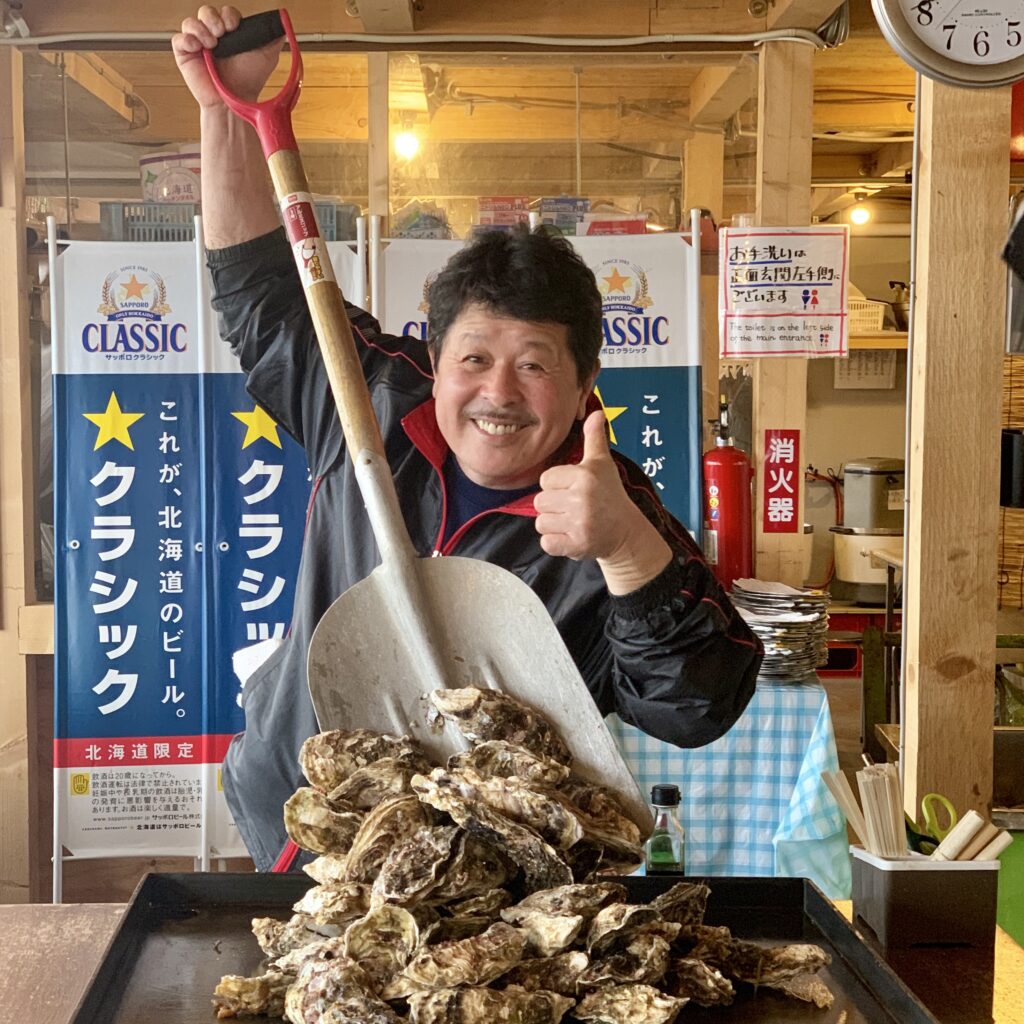
And on storm days, I’ll call ahead and drive out to this oyster shack Kakigoya in Suttsu, I stop at Yubetsunoyu on the way, then feast on grilled oysters, clams, prawns, crab, and donburi by the sea. In summer, it’s uni season (both shiro uni (白ウニ) and aka uni (赤ウニ)) with Akkeshi oysters at their best.
You get to build your dream home there, what does it look like?
Definitely a wooden build on my land in Toya. Exposed beams, a stone fireplace, and a strong indoor–outdoor flow with low lines and big openings to the landscape. I’d use yakisugi (焼杉) on parts of the exterior – that charred wood against the surroundings.
Inside, I’d lean into Japan’s working, coastal palette: rust, deep red, and that faded indigo-blue you see on old fishing buildings, slightly weathered, never too polished. It would feel easy to live in – somewhere you come back to in any season.
Niseko is famous for its winter sports, but where would you take summer visitors?
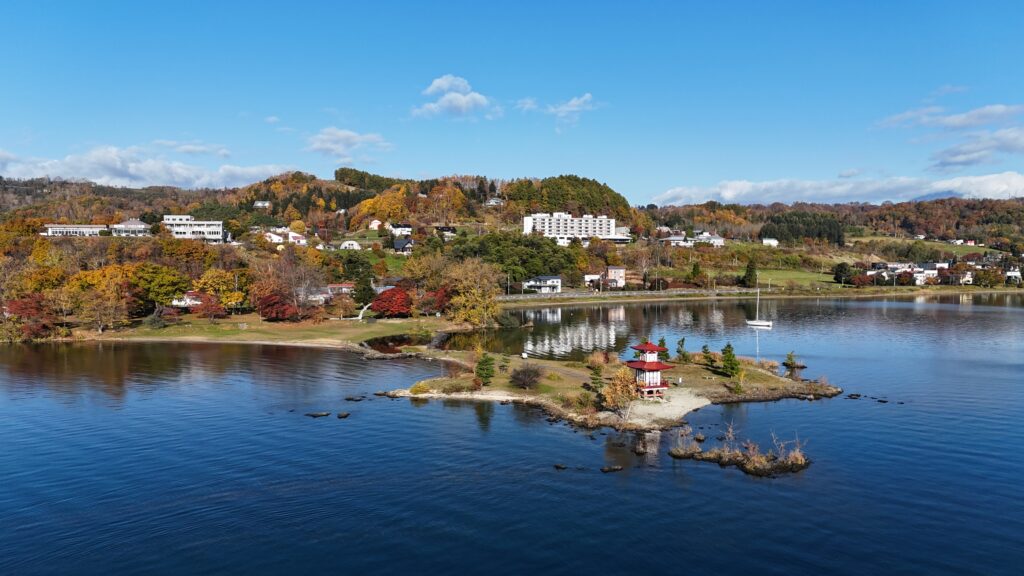
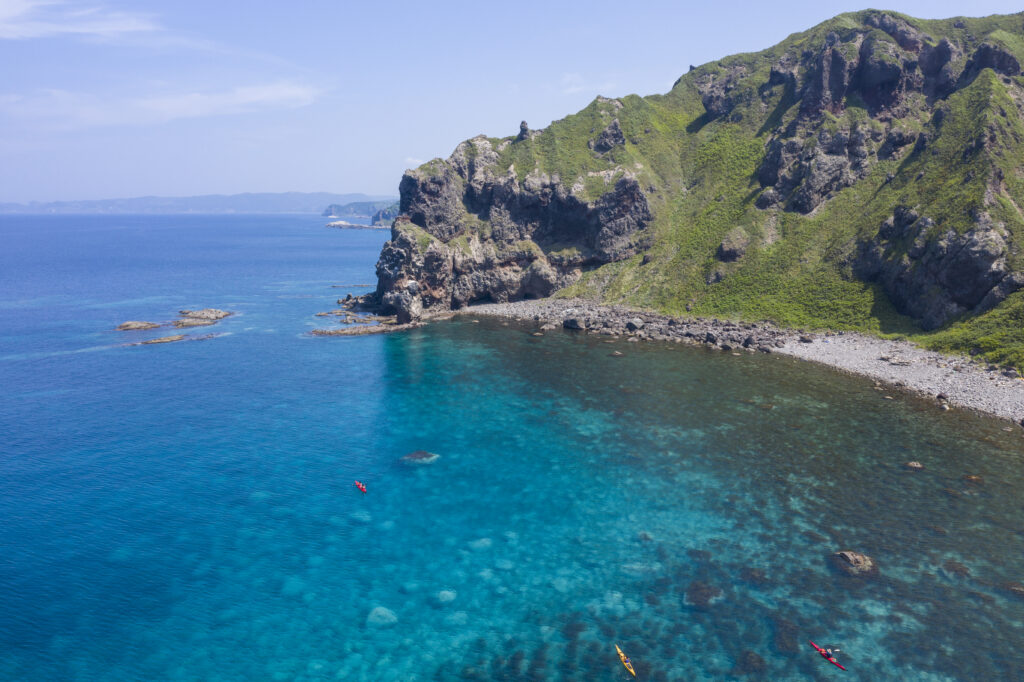
The Shakotan Peninsula is stunning. I go every year. Lately I’ve been bringing a snorkel, fins, even a spring suit. The water’s cold, but the clarity is pristine, that deep blue you’d expect in the Mediterranean. Lake Toya is a must.
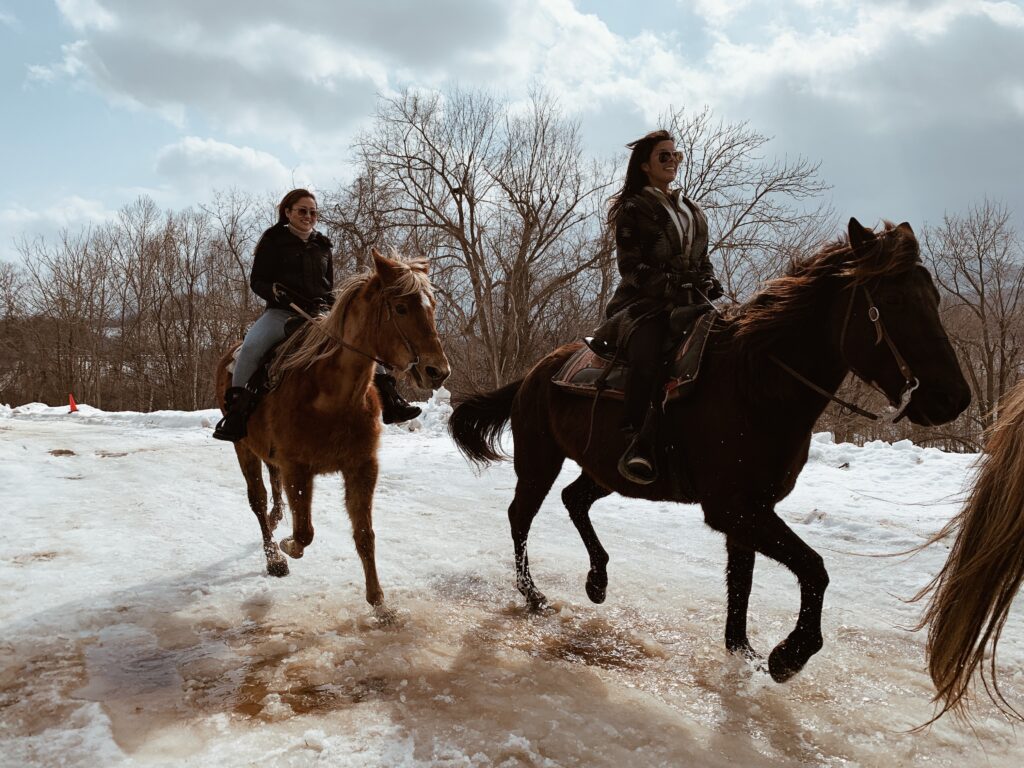
And in Yoichi, I love picking fresh fruit from the farms and baking something simple, a pie or muffins, depending on what’s in season. There are also new downhill bike trails opening up, and I’ll always find a way to get out on horseback. It’s a completely different pace from winter.
Spa, health or wellness routine you swear by?
In Japan, I’ll rotate through onsens within an hour of Niseko: each one has different mineral content, and I like mixing that with sauna and cold plunge. It becomes a bit of a ritual through the season.
Phuket is where I go all in on wellness. After a long winter, I’ll head there for recovery, from IV drips, NAD, hyperbaric, red light – the full reset. The combination of treatment, sun, and sea makes a real difference.
Hong Kong is more structured, but I love Family Form at The Upper House. It’s sadly closing at the end of April. I’d love to bring something like that to Niseko – mat-based movement in a warm space on an off-ski day feels like a natural fit.
Favourite Phuket hotels?
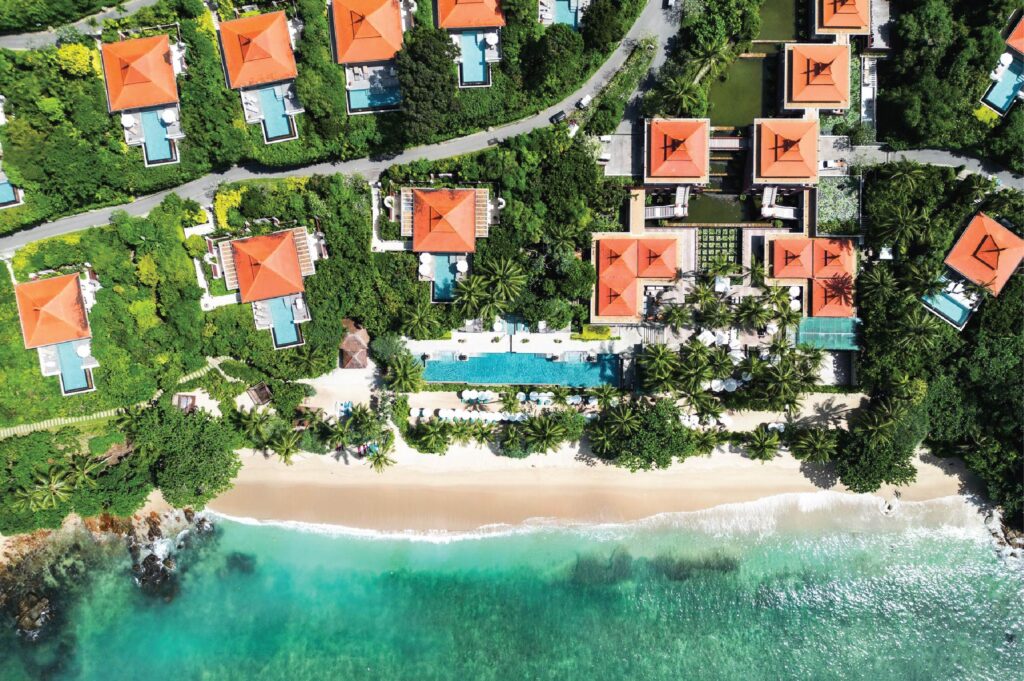
Trisara on the main island: private and polished. And TreeHouse Villas on Koh Yao Noi: more barefoot, tucked away, and a completely different pace.
Best beach bars and clubs in Phuket?
Carpe Diem and Catch (only southside) are the mainstays: easy, social, and always a good atmosphere. If I want something a bit different, I’ll head to Nora Beach Club because it’s slightly more relaxed, a bit less predictable.
Travel splurge you’ll never regret?
I love buying art. It’s the one travel splurge I never question. One of my favourite pieces is by Danilo Bucchi. I tend to buy instinctively. If something stays with me, I go back for it.
Favourite hotel in the world?
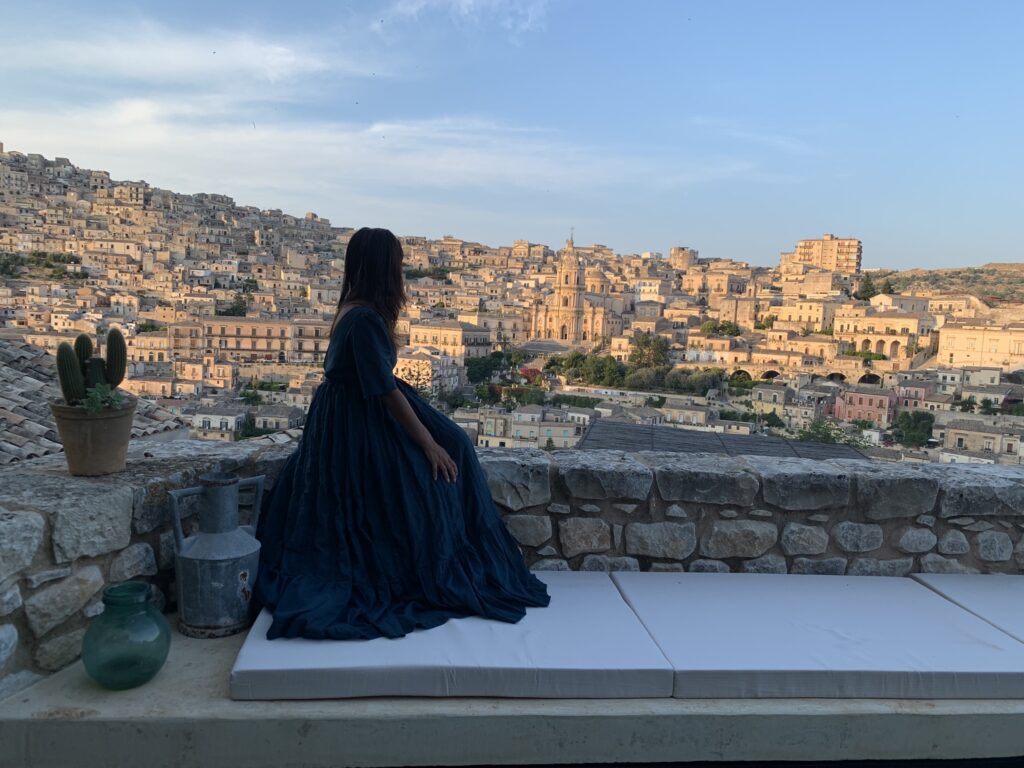
Casa Talia in Modica, Italy. Almost otherworldly, especially at dusk. Shaped by Arab influences, Baroque rebuilding, and its chocolate tradition, all set into the hills. Intimate, run with a “made by hands” philosophy. Rooms spill onto a central garden, with terraces layered across the hillside. Atmospheric, and not for the faint of heart.
I also love anything by Bill Bensley, especially with Jirachai’s landscapes. Always layered, immersive, and full of character.
What’s always your carry-on?
Riding gear. I’ll usually find a horse wherever I land.
Dream destination, not yet fulfilled?
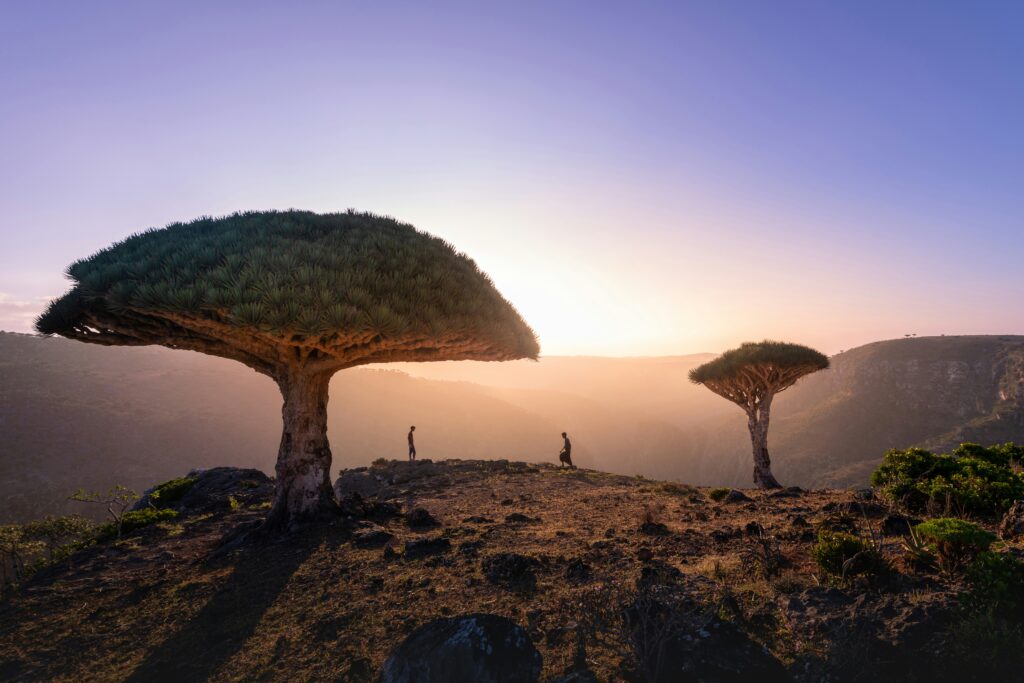
Socotra was very close. I almost had it booked when flights were still running via Abu Dhabi. Beyond that, I’d love to do something more raw: a riding trip through West Africa or across one of the Stans. Or go back to Ethiopia, this time with my partner. It’s still one of the most memorable places I’ve ever been. It’s also been shaped by so many civilisations, a bit like Sicily, which seems to be a pattern for me.