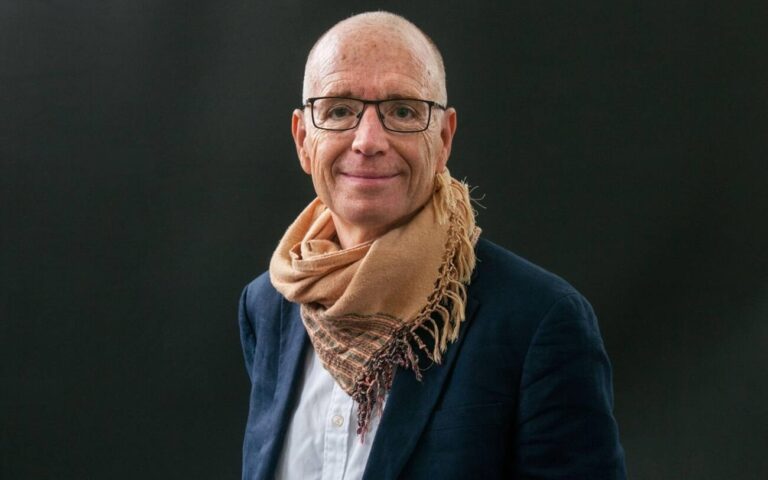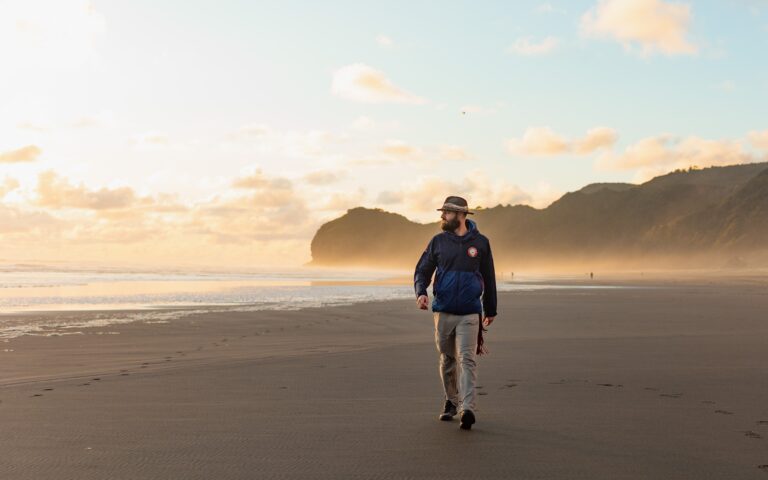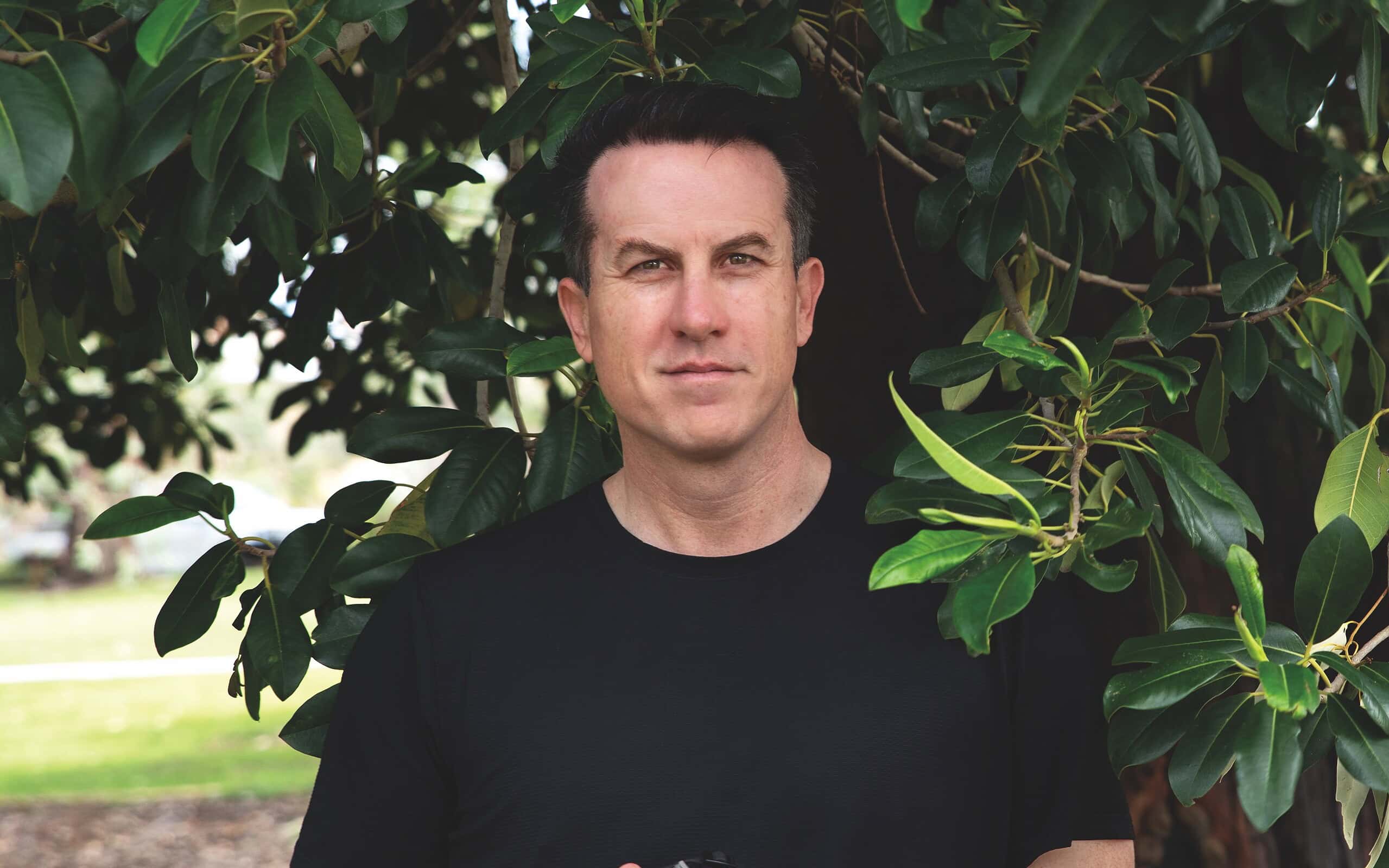
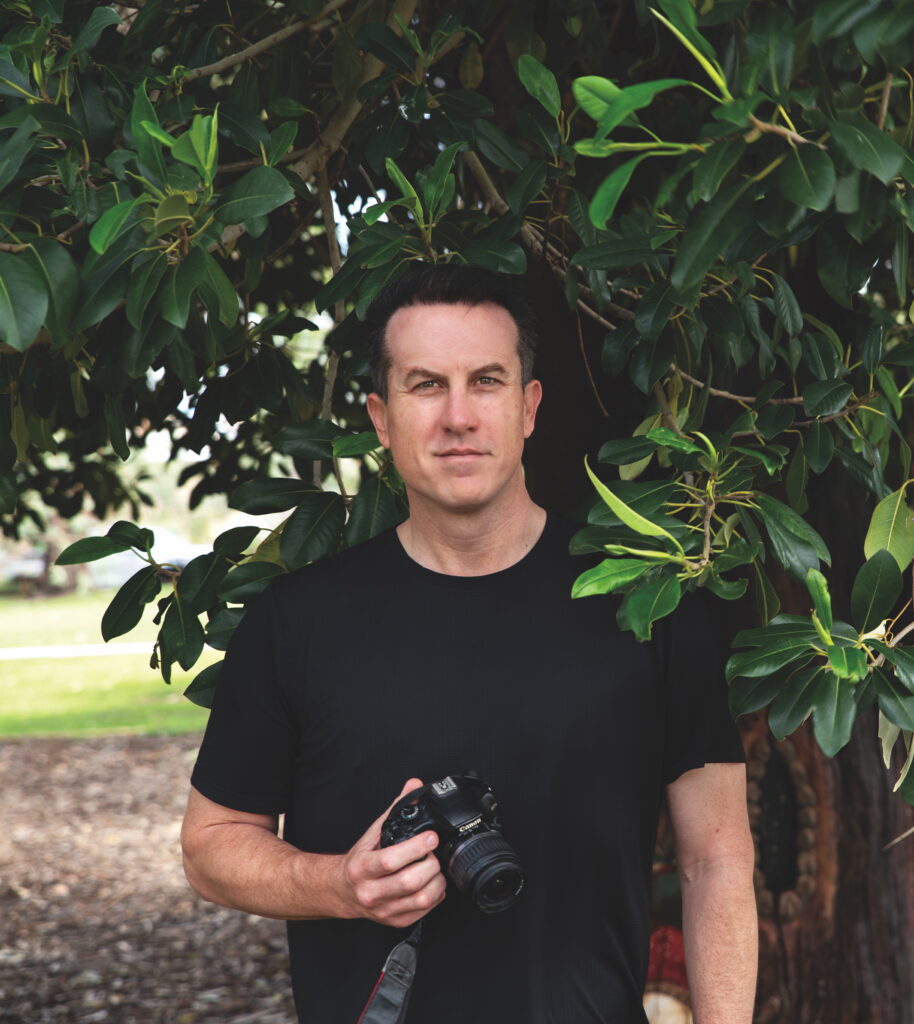
Ronan O’Connell has spent 22 years working for National Geographic, Washington Post, and Smithsonian Magazine, visiting over 60 countries in pursuit of stories that don’t fit on postcards. The award-winning travel writer and photographer has built a career on digging into the untold histories of places millions think they already know, making the familiar strange again by asking questions most tourists never consider.
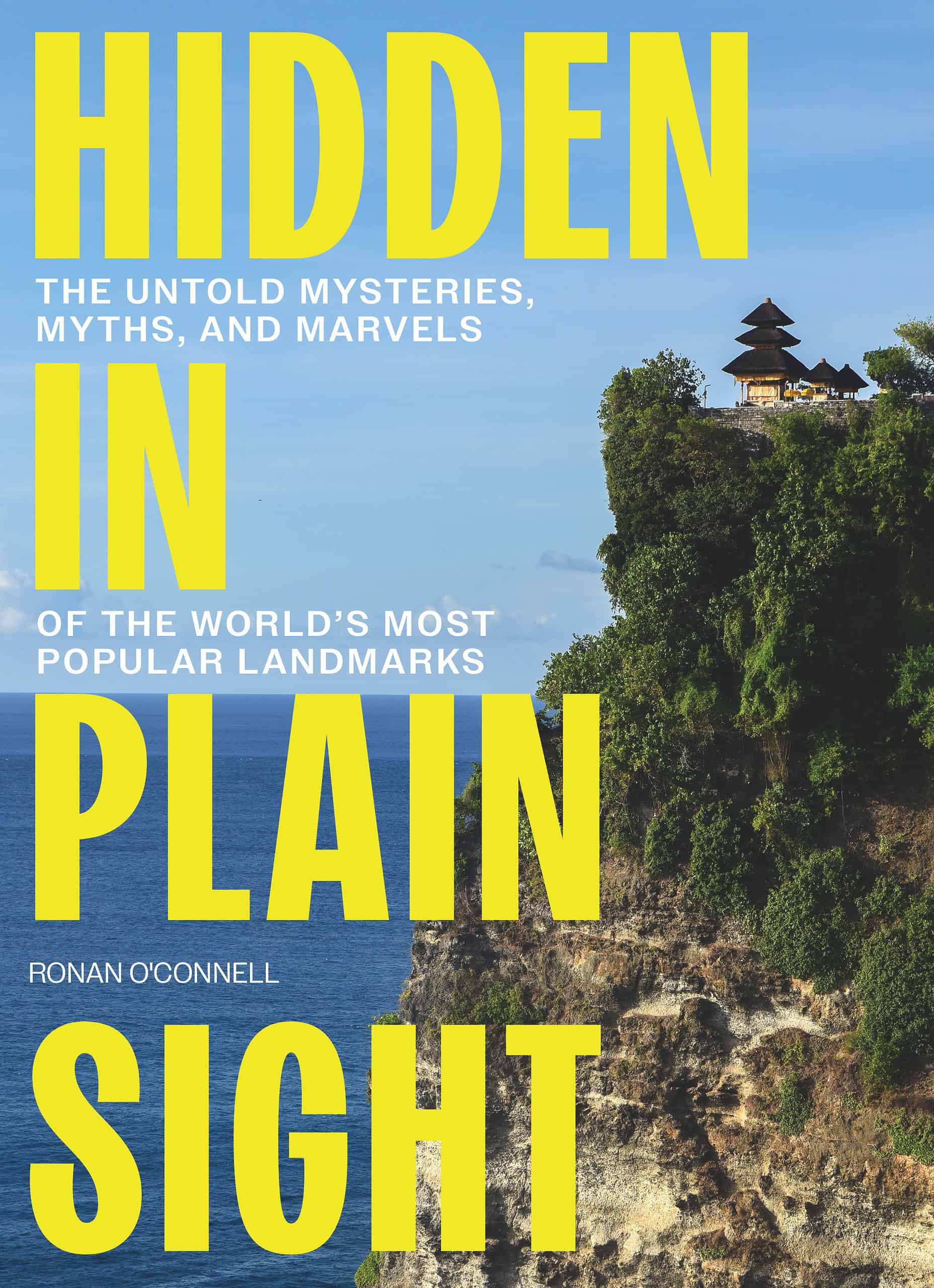
His first book, Hidden In Plain Sight: The Untold Mysteries, Myths, and Marvels of the World’s Most Popular Landmarks, published this week, serves as a field guide to curiosity-based travel. The Eiffel Tower, the Berlin Wall, the Colosseum, the Sydney Opera House – each one holds forgotten architects, buried scandals, and design accidents that became icons. O’Connell maps a version of these landmarks shaped not by Instagram angles, but by the builders, conspiracies, and myths that made them matter in the first place.
You’re shot and wrote the book entirely on your own. How did you avoid burn out?
I find photography very relaxing. So I’ve been writing the book at home in Perth until I get mentally exhausted, then I head overseas to do the photography for the book, during which I refresh mentally to resume writing.
How does a coffee-table book differ from filing stories for magazines?
The photography is the biggest difference. My travel stories for media outlets often don’t give my photography a great showcase, whereas in these books, my images are integral. Knowing that my photos are going to be displayed in such a prominent and attractive way makes me even more motivated to excel with camera in hand.
You spent years as a crime and political reporter – how did that shape your approach?
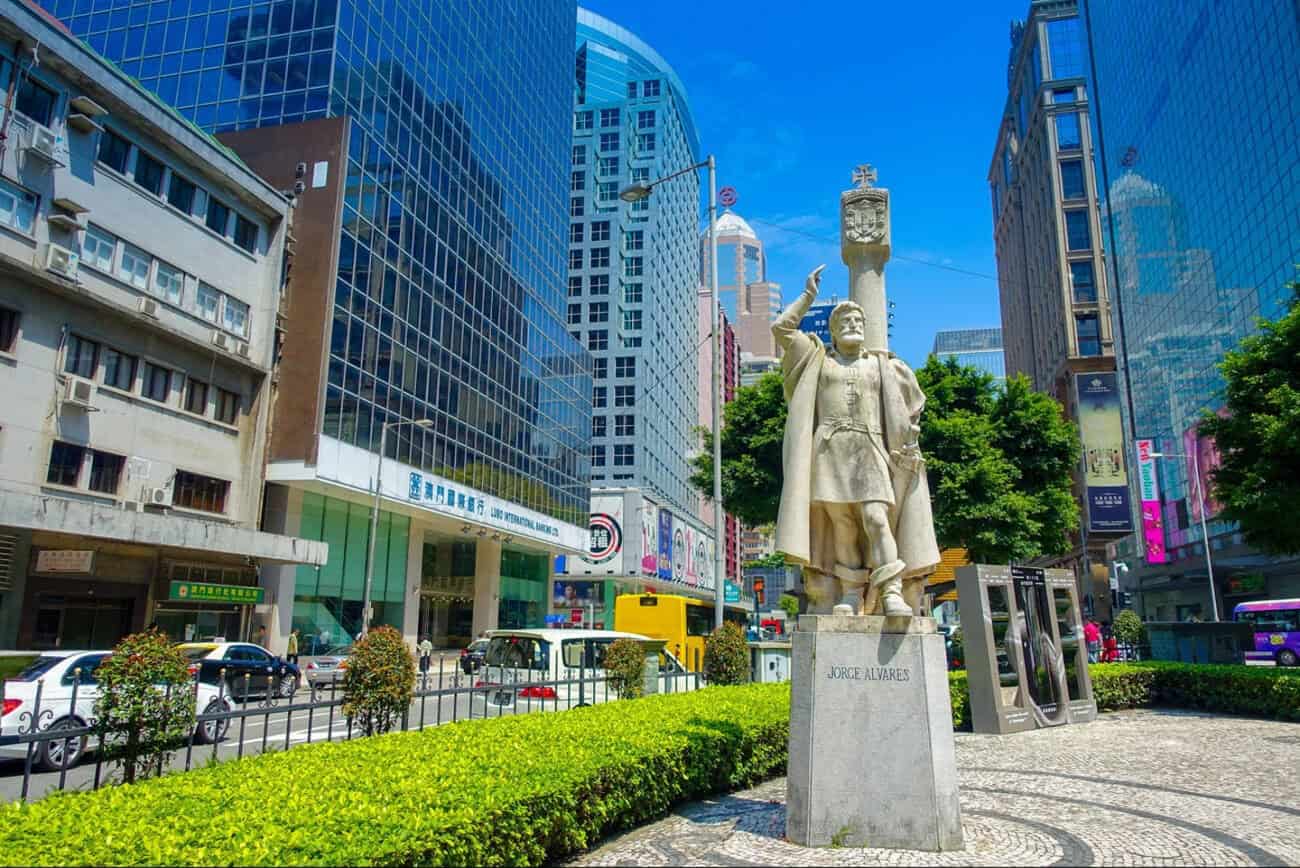
My years as a news journalist taught me to always be looking for small details that reveal a larger, hidden story. This approach naturally flowed into my travel writing. And it helped me to become a regular contributor with National Geographic. The first story I ever wrote for them came from noticing a statue that appeared out of place in Macau, researching the historical figure depicted, and then uncovering an obscure, untold tale of a lost city near Macau.
Working-class Perth, self-funded university – how does that background influence which stories you choose to tell?
Being raised in a working class area, and attending government schools, allowed me to grow up around kids from so many different backgrounds. I had friends whose parents were Burmese, Greek, Lebanese, Tunisian, Vietnamese, Indonesian, and learned about those countries through them. So when I became a travel writer I was just naturally drawn to telling stories about lower profile places and cultures.
Living between Ireland and Thailand, which underrated corners of Southeast Asia or Europe are you spotlighting in this book?
Vietnam is heavily touristed, yet its former Imperial Capital of Hue is very overlooked. It brims with vast Royal tombs, and is centred around an extraordinary old citadel, which remains in great condition, and is the focus of a chapter in Hidden in Plain Sight.
What’s the most unexpected discovery or site you’ve encountered while researching this book?
Probably my favourite hidden piece of history I discovered while writing Hidden in Plain Sight was the ‘mystery cloud’ that sent Istanbul into near-darkness for more than a year, almost 1,500 years ago. At a time when they didn’t have science to explain such anomalies, it must have caused extraordinary panic and paranoia.
Which destination completely upended your expectations when you arrived?
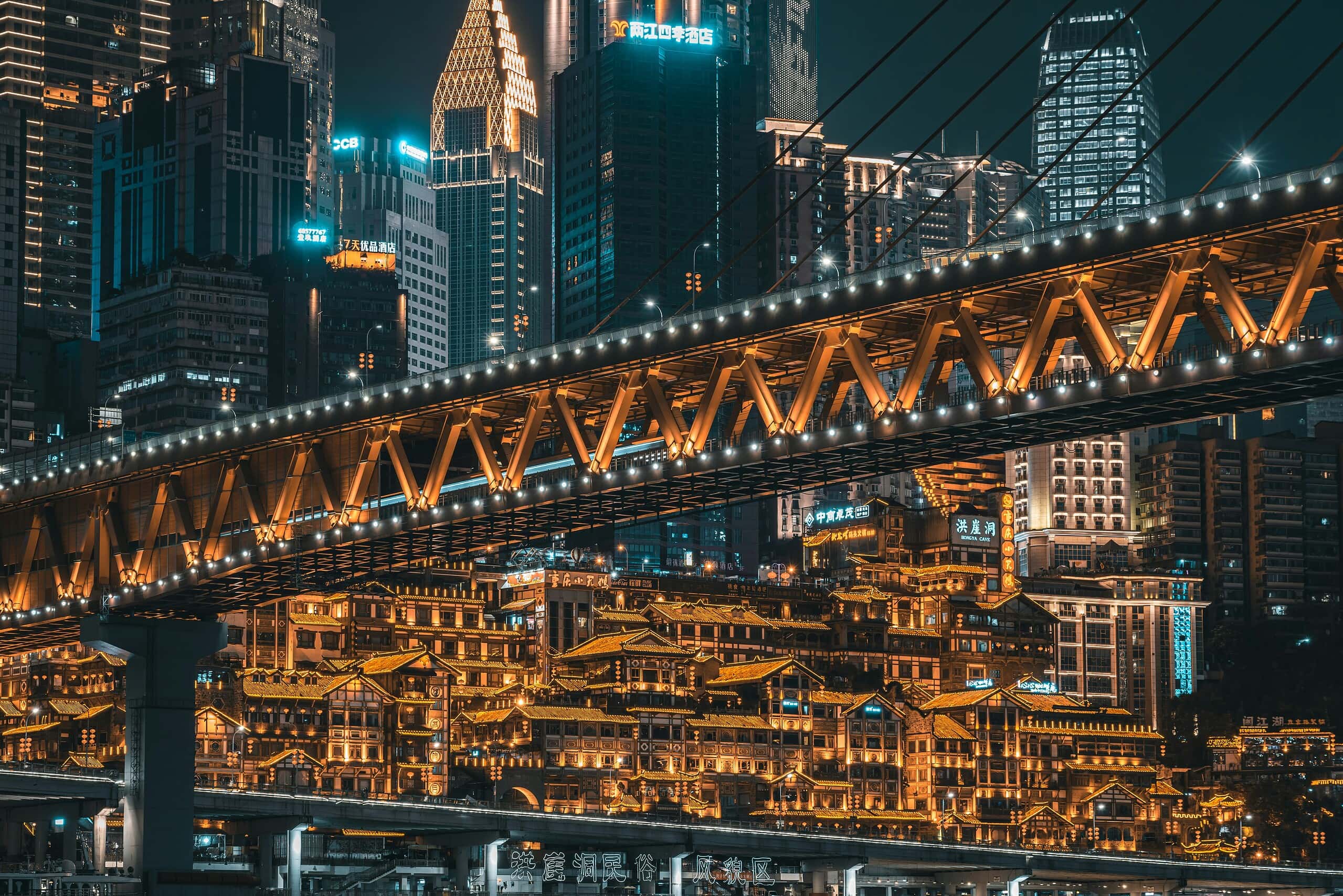
China is the country that made me besotted with travel. I went there on a whim, in 2009, because my mate and I found very cheap flights. I knew it had a remarkably deep history, but was caught off guard by its modernity, especially its daring, innovative architecture, which was thrilling for someone from a city with such bland urban design.
Which destination feels criminally overlooked by mainstream travel media?
Africa is very underrepresented in mainstream travel media. It consists of 54 nations and more than 2,000 languages, yet this entire continent seems to get less coverage than singular countries like France or Japan.
Which lesser-known site deserves far more attention than it gets?
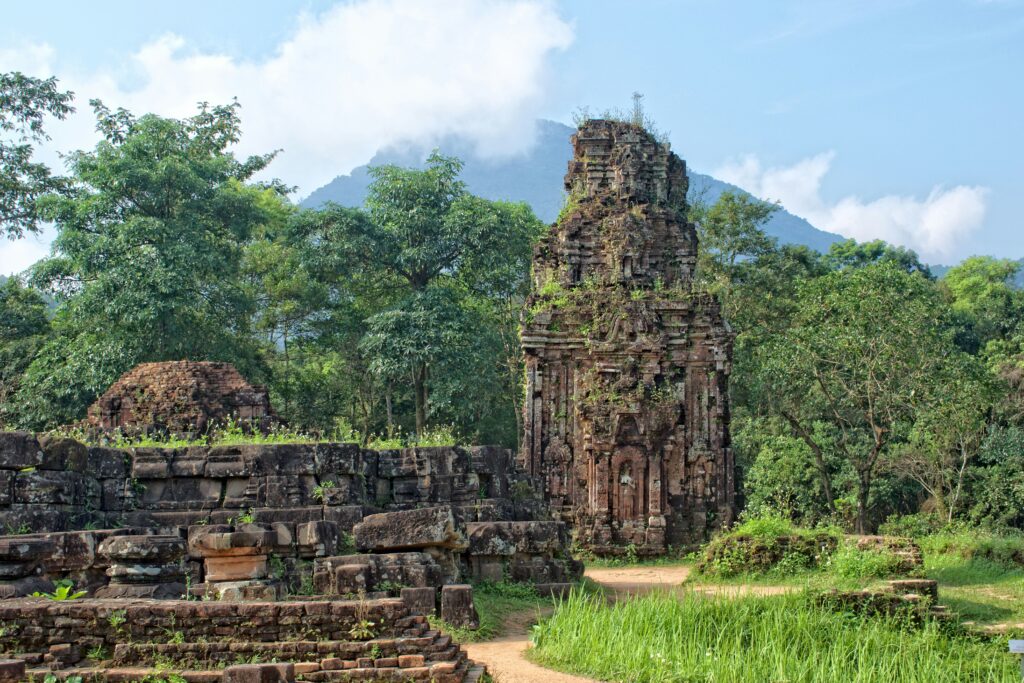
My Son Sanctuary, an hour from the Vietnamese city of Hoi An, is the remains of the 1,600-year-old capital of the largely-forgotten Champa Kingdom, which commanded swathes of Vietnam for a millennia. Not only are its former temples and monasteries magnificent, but the location is wonderfully exotic, ensconced in jungle at the base of dramatic peaks.
What’s the most memorable encounter you had on the road while researching?
With a Ghanaian taxi driver, who kindly and bravely drove me from Abu Dhabi to Dubai and back, along badly-flooded roads lined by thousands of abandoned cars, in the middle of the UAE’s catastrophic 2024 storm.
This disaster closed many roads and halted all public transport between these cities, but I desperately needed to get to Dubai to do a photo shoot at Burj Khalifa. So the driver and I spent eight hours completing what’s normally a three-hour round trip, and unravelled our life stories along the way.
What are some of your favourite local restaurants?
Noodle Inn in West Perth is a basic, family-run restaurant that has the best Laksa noodle soup I’ve had anywhere in the world. Creamy, coconut infused soup with thick egg noodles, shredded chicken and prawns – heaven!
Best local bars?
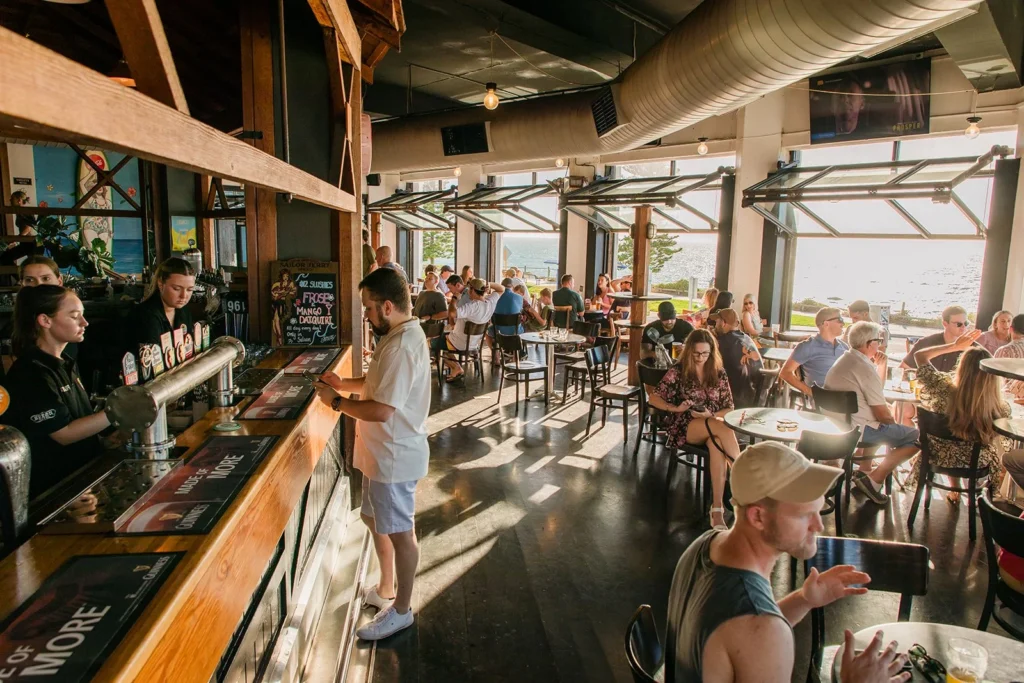
Water views abound in Perth, so I’d pick two longstanding pubs – Ocean Beach Hotel for sea vistas, and Raffles Hotel for river views. The former is especially lively during its famous ‘Sunday session’, while the Raffles is a Friday night institution.
Local hidden gem?
Shoalwater Islands Marine Park, on Perth’s southern outskirts, is a pristine, sheltered bay home to penguins, dolphins and Australian sea lions. Yet it’s strangely underpromoted as a tourism destination, despite embodying the natural splendour that makes Perth unique as a city.
Most inspiring city you’ve visited recently?
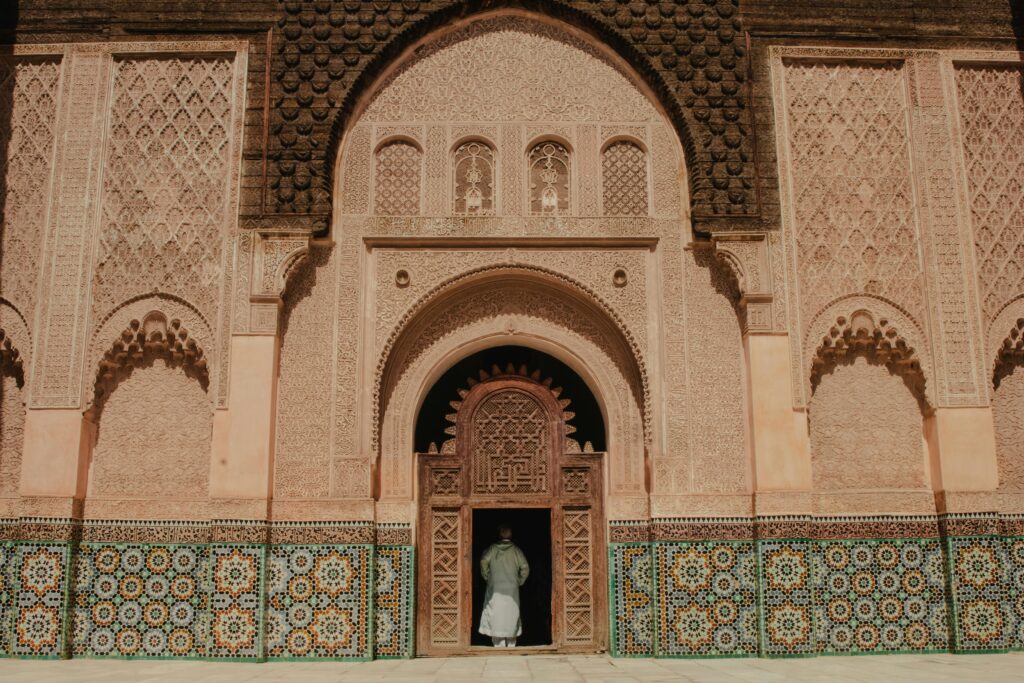
Marrakech is not just unique and colourful, but the depth of design in its architecture – geometric motifs, Islamic calligraphy, intricate latticework – makes it a wonderland for photography. I’ve also found that Moroccan people are very open to having their photo taken, if first approached with respect.
Where do you go for creative energy?
Similar to Morocco, India is so photogenic, from its cities to its countryside, that I almost get giddy at the images around me. Its markets are endlessly fascinating, especially Crawford Market in Mumbai, and Mullick Ghat flower market in Kolkata, which is drenched in colour.
Where do you go for pure escapism?
My wife is from Thailand, and we visit her family there often, so it’s the one country I regularly visit to actually holiday, not work. My happy place is watching my son squeal in excitement as he plays with his cousins at one of Thailand’s waterparks, theme parks, or giant indoor play centres.
And where do you go for a creative reset?
To a golf course, any golf course. I’ve always been obsessed with sport, and golf offers me exercise, fresh air, and time to ruminate. In between each shot, as I’m walking towards my ball, I often find my mind wandering. Suddenly I’ll have an appealing idea for a story, a book, a photo shoot, that emerges out of nowhere.
Favourite hotel in the world?
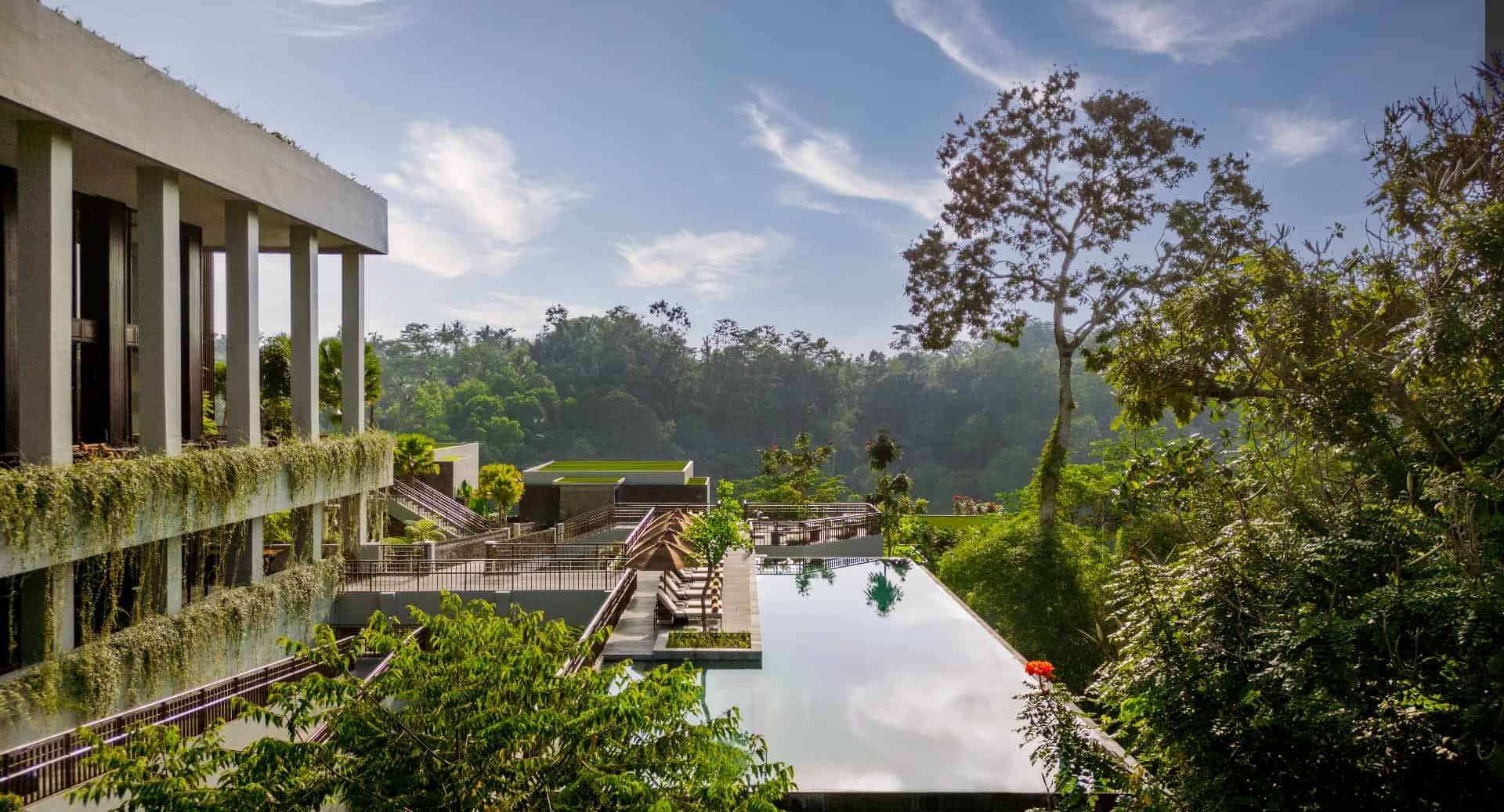
Anantara Ubud Bali Resort is built atop a peak, surrounded by teeming jungle, and looking towards a towering volcano. Its location is far enough away from Bali’s tourist areas to feel authentic, but close enough for easy access to good shopping, dining and nightlife. Incredible staff, rooms and food, too.
Top three museums in the world?
The Museum of Islamic Art, Doha – incredible architecture, inspired by Saudi Arabia’s Kaaba shrine, and the world’s greatest collection of paintings, sculptures and ceramics from across the Islamic World.
The National Museum of Korea, in Seoul – a colossal facility with wonderful modern architecture and a trove of Korean artworks and artefacts. And Louvre in Paris, so vast that I’ve visited three times, and still haven’t seen all its departments
What’s always your carry-on?
Literally everything. Because for work trips, I only travel with a carry-on backpack, no checked luggage. This is due to the fact that, on most work trips, I’m visiting multiple countries, and taking many individual flights. So traveling only with carry-on saves me a lot of money, because I pay for all my own flights.
Travel splurge you’ll never regret?
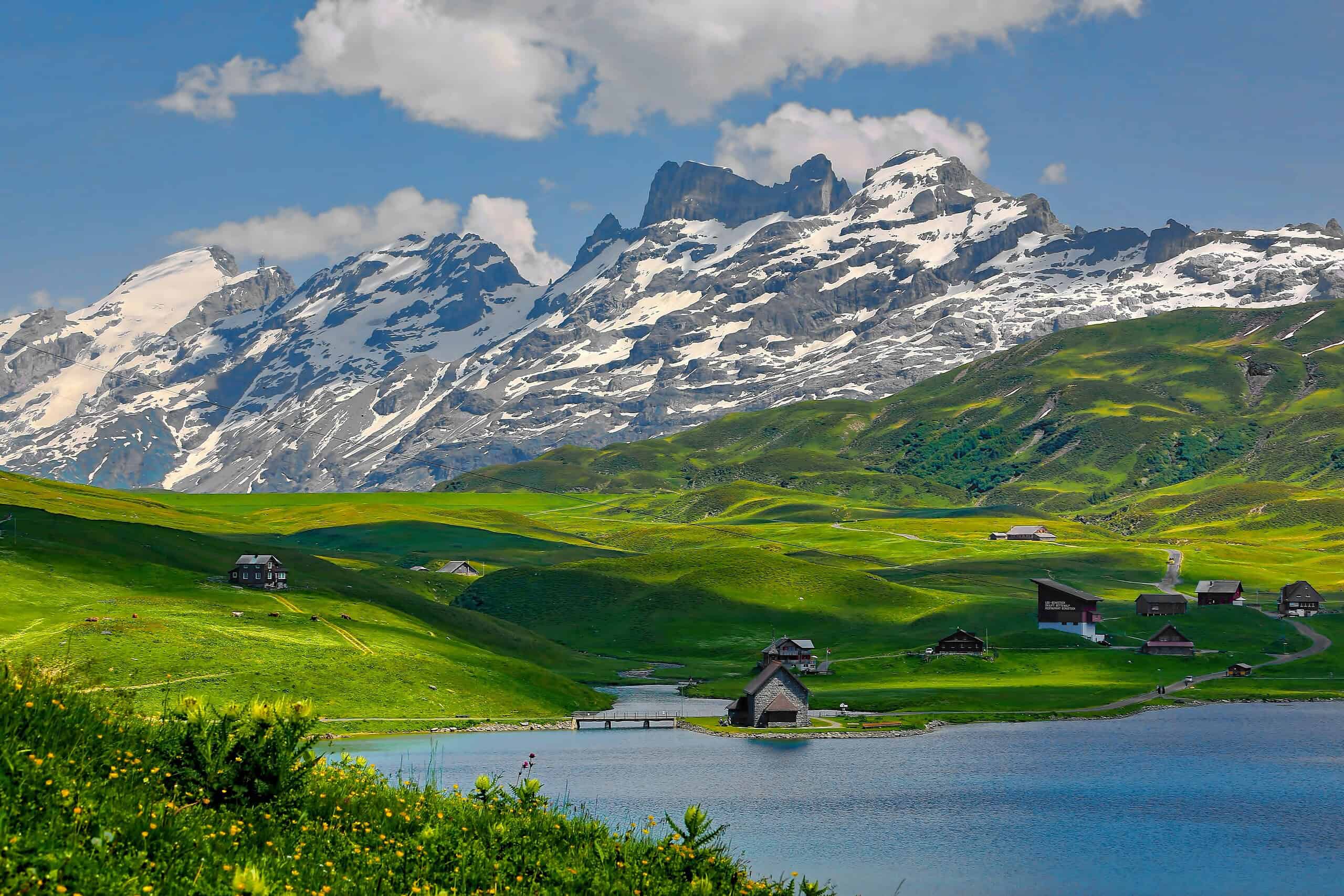
Driving through the Swiss Alps with my brother. Very expensive but an indelible memory. It is somehow even more spectacular than I had long imagined, and getting to witness that with my brother made it all the more extraordinary.
Dream destination, not yet fulfilled?
Rwanda, particularly, Akagera National Park, which was devastated by poaching after the 1994 genocide, but has recently recovered to a remarkable extent. It’s a giant wetland and savannah, along Rwanda’s border with Tanzania, with a rapidly growing population of lions, rhinos, elephants and giraffes.
What location didn’t make the final cut but haunts you?
As a lover of history and ancient architecture, Egypt beckons me. Its list of remarkable historical sites is so exhaustive it feels like I’d need months to properly explore the country. I intended to include Egypt in both my books, but the Israel-Gaza conflict, and risk of airspace closures, made it too risky for me to visit.