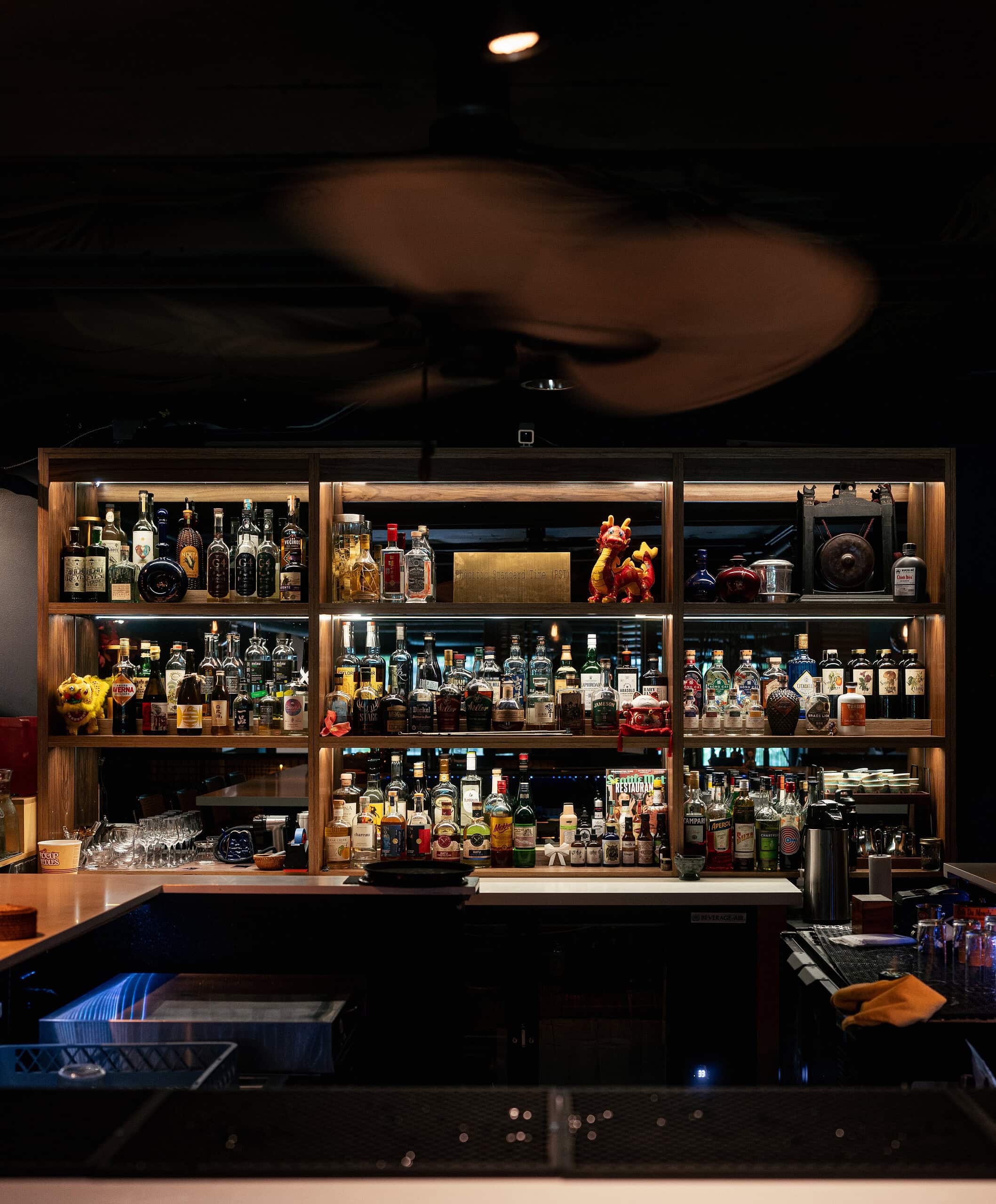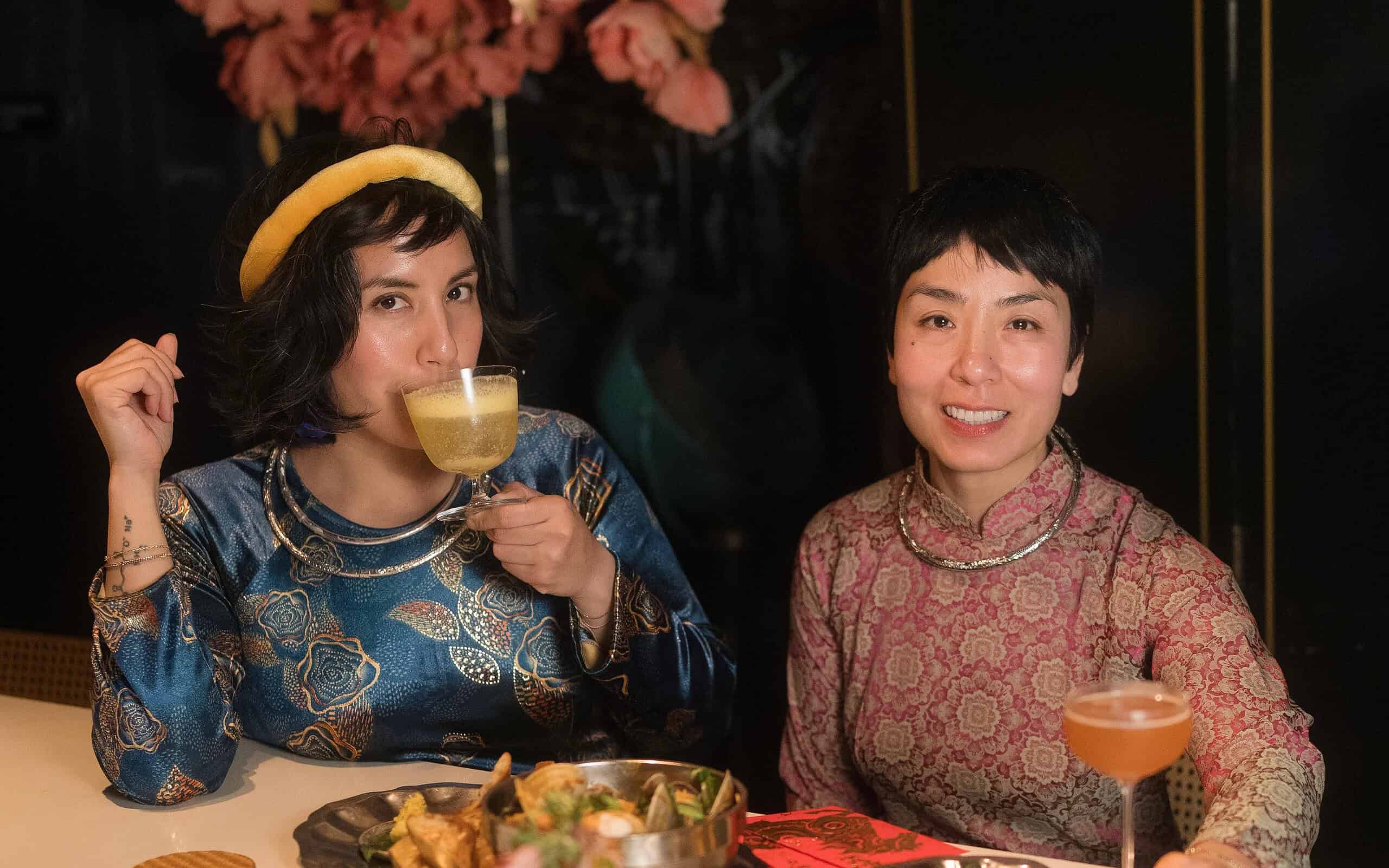
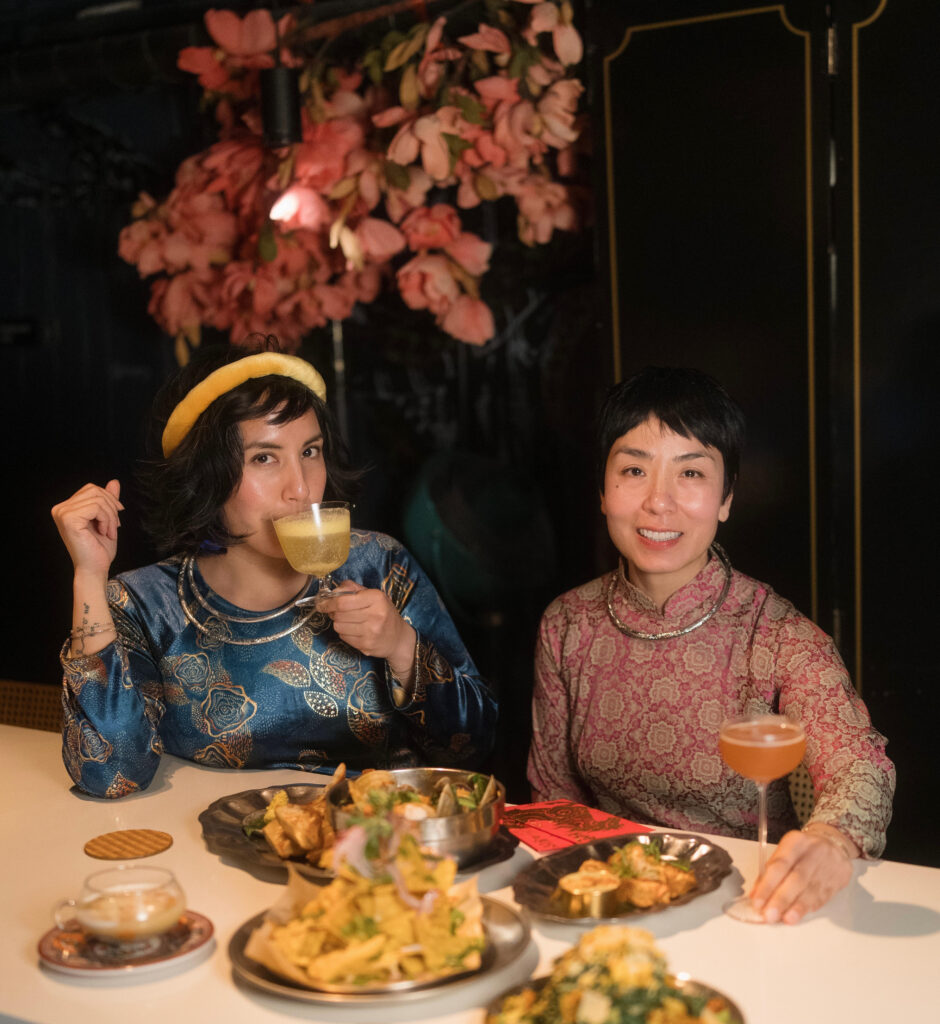
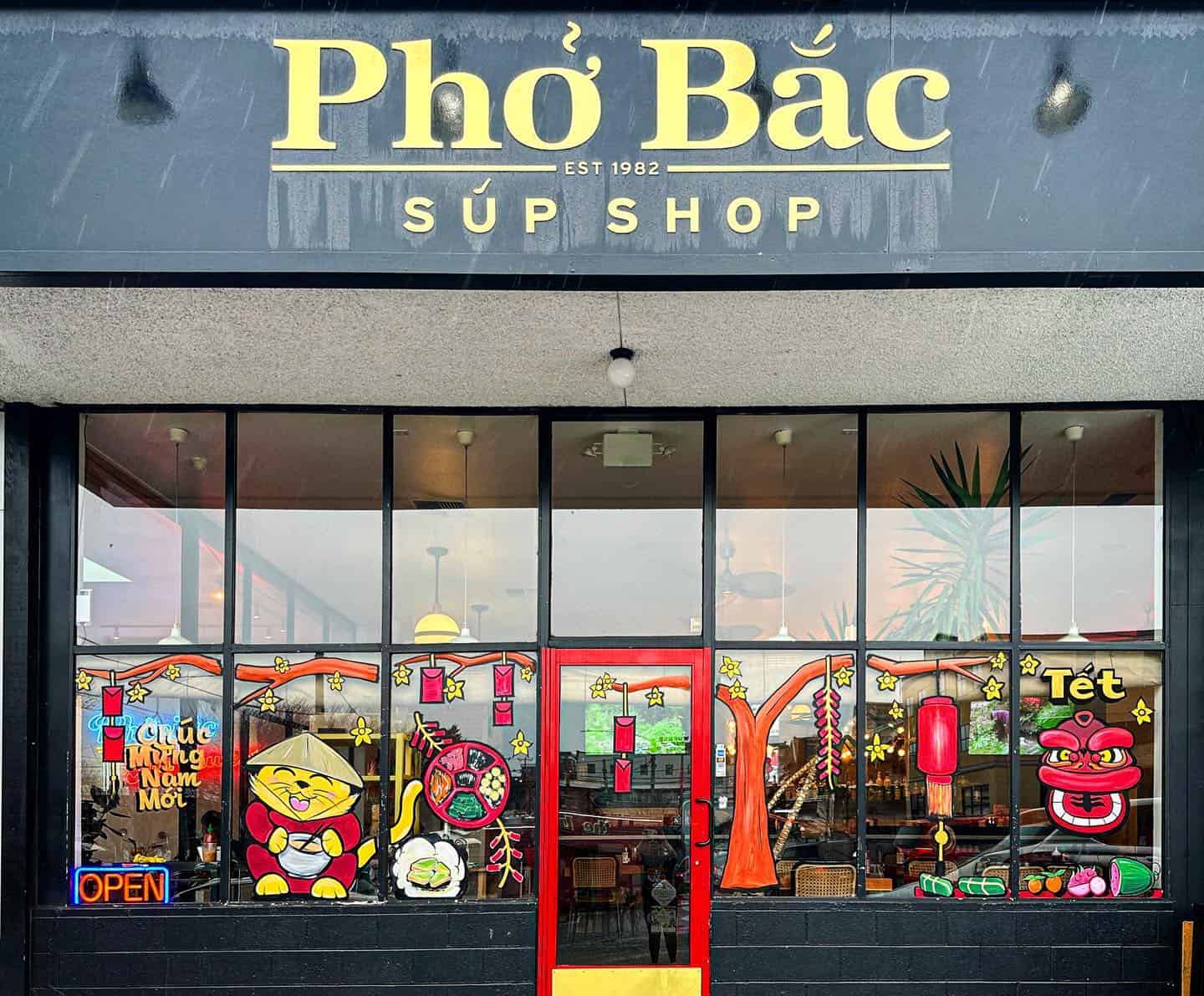
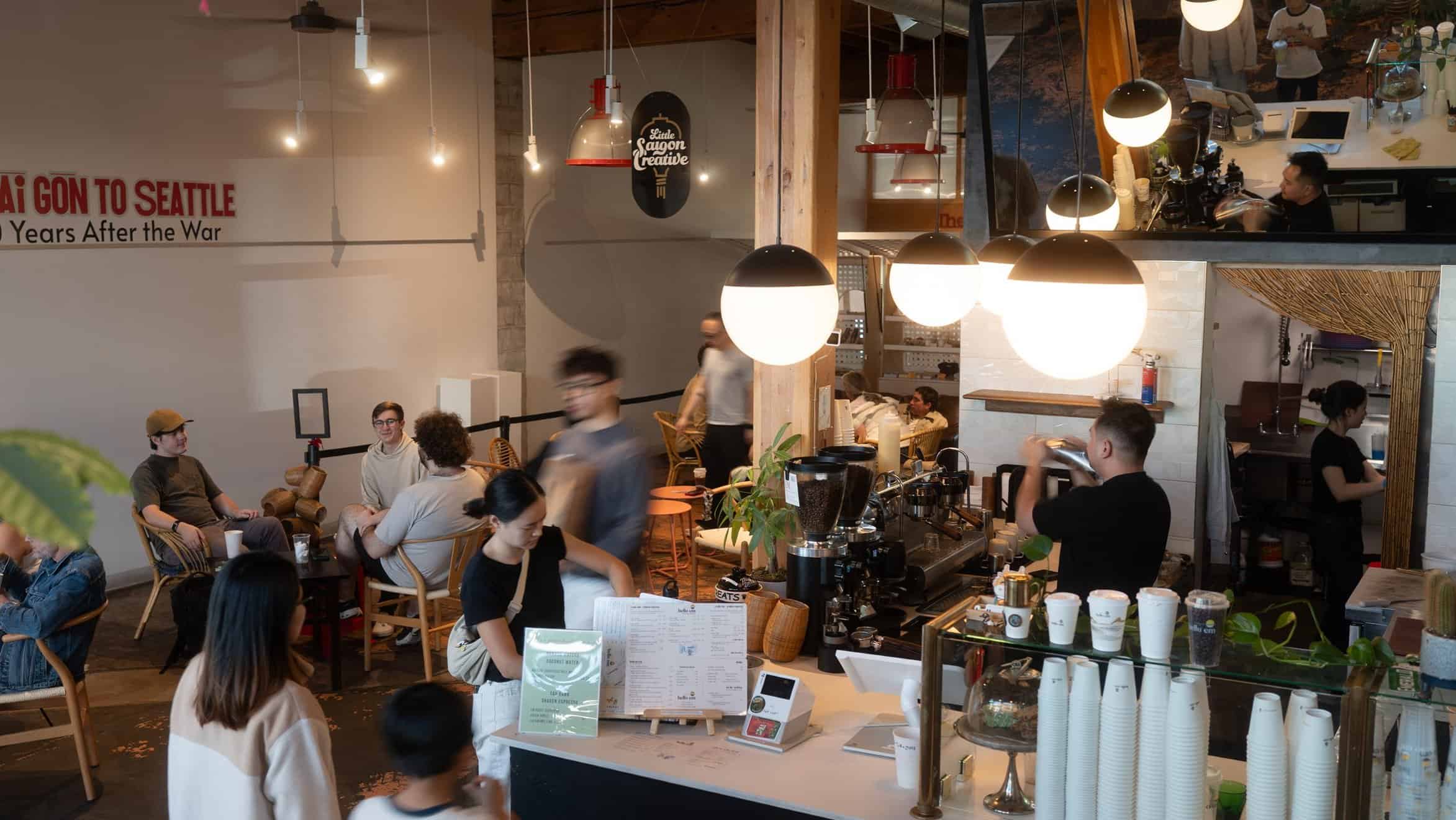
Seattle restaurateur Yenvy Pham is shaping Seattle’s cultural restaurant scene through a set of distinctly modern, design-forward concepts that bring Vietnamese food and culture to the forefront. Pham’s culinary world spans Seattle’s first pho shop (Phở Bắc), a Vietnamese-themed roastery-coffee shop (Hello Em) and a speakeasy-style cocktail bar (Phởcific Standard Time). She’s also prepping Phởnomenal Nights, a cookbook co-authored with her sister Quynh Pham on contemporary Vietnamese shareables and cocktails, due fall 2026.
Across those projects, Pham has built a style of bold and warm hospitality that feels deeply personal, rooted in the Vietnamese community, and driven by instinct rather than strict adherence to standards guided by a philosophy focused on craveability, culture and connection.
How did everything get started for you – your restaurants, your family’s background?
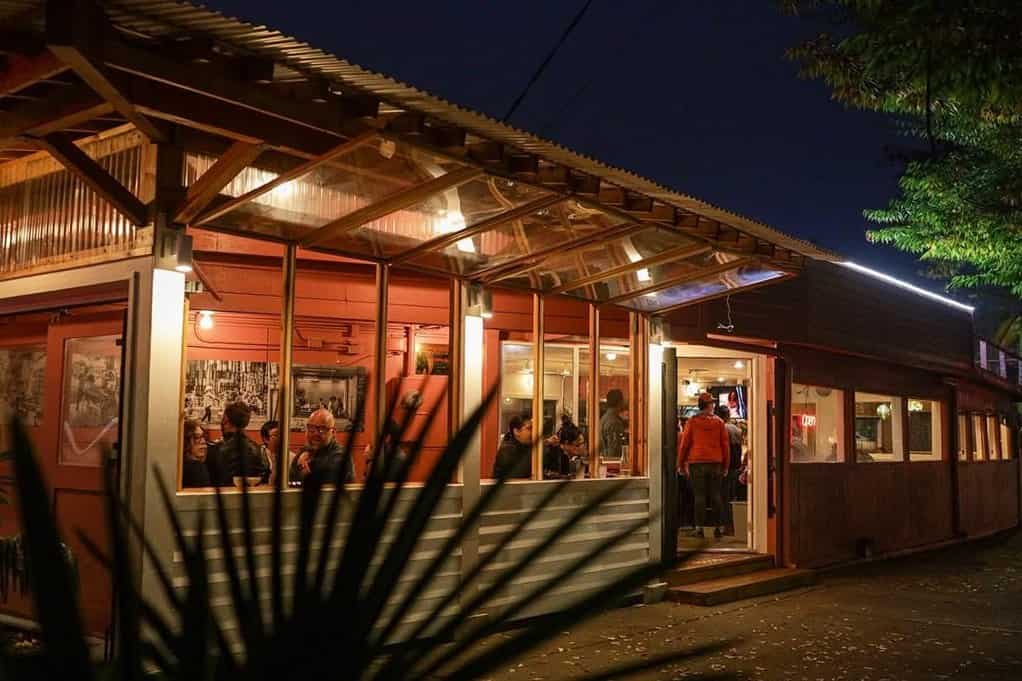
My parents came to Seattle in 1980, when the Vietnamese community was really small. They used to throw dinner parties at home, and there was a Vietnamese Catholic church a couple blocks away from where the restaurant is now, plus a Vietnamese market nearby.
At the time, Seattle was very blue collar, so they were selling sandwiches. They found a small space – about 800 square feet – we call it ‘The Boat‘ now, but it was just a little shack – and opened an American sandwich shop called Cat Submarine, which is my mom’s name, Cat.
But on the weekends, friends from the community would come by and ask my mom to make the food she used to cook for the dinner parties. So she started making soup. People noticed there was soup, and then eventually no one ordered sandwiches anymore – everyone wanted pho. That shift happened about six months after they opened. After that, it just kind of grew from there. I wasn’t born yet, I was born in ’87, but that’s how it started.
What was it like growing up in Seattle, and how has that shaped the way you think about community?
Seattle wasn’t the most diverse place growing up, but people are very nice. My dad told me when they first started, it was really different than other places – people wanted to help immigrants, and the city was very supportive. Even the public health department bent over backwards for my family. My dad is also very charming – he could talk his way out of anything – and they did a lot of things when they first opened that weren’t exactly by the book, but people were empathetic. It was just a different time.
For me, I’m a South End girl. All my restaurants are within a few miles of where I live, and most of my staff are Vietnamese. That’s a conscious decision – it’s also a vibe thing. Vietnamese people are very hypersocial. So I feel like I live in a social bubble – I’m engaging with people all day, and the culture itself isn’t isolating in the way American culture can be. So my experience has been very community-based. Seattle has given my family a platform to do what we want and how we want to do it, and it’s been really supportive of everything we’ve built.
How do you stay inspired when you’re working with food all the time? What drives your creativity?
I think I’m a lot like my mom. I have her palate, and I’m definitely influenced by her. Her taste is very bold, and she goes rogue. I’m the same way. I don’t strive for authenticity—I just want it to taste good. When I create something, I think about what excites me, but also what my consumer wants. And I think about what will make it linger—in their mind, in their heart, on their tongue.
The main thing I think about is: is it craveable? Do you crave it? Do you think about it? Do you want it again? That’s at the forefront of everything I make. Are people going to crave it? Are they going to dream about it? Are they going to come back for it? Are they motivated to come back and eat it again, or drink it again? That’s how I approach creating anything new.
How do you think about your work culture and relationships? What are your core values?
I try to be as transparent as possible. Honestly, I don’t want people to stay. The way my business is structured, it’s not meant for lifers. It’s a stepping stone while you’re in school or figuring out what you actually want to do. At the same time, it’s a job, it’s a transaction, but you’re going to be taken care of.
It’s very much a work-family dynamic – be transparent with each other, be fair, and have fun together. The team is the most important thing. They’re the ones taking care of the customers, taking care of each other, supporting each other when things aren’t equal, because some days someone pulls more weight, some days someone doesn’t.
Also, every business reflects the owner. Of course we want to make money – it’s our livelihood – but at the same time, you’re creating a space to host people, so people feel comfortable. I love all types of shops – high-end, lowbrow, whatever – but when it comes down to it, my concept is always going to be approachability, affordability, and warmth.
Is there anything you’ve had recently that inspired you – something memorable?
I get inspired all the time. People are very creative – it’s kind of insane how talented people are. For me recently, this was just a random moment. I was at my mom’s house, and someone had brought over a bánh mì. It was a very traditional Vietnamese cold cut sandwich, but they added American ham to it. And I was like, oh my god—this is fucking brilliant. Why didn’t I think of this?
So now at Hello Em, we’ve added it. It’s layered with Vietnamese steamed ham, American honey ham, bone marrow pâté, and omelet – and it’s just better. It adds another dimension—that smoky, salty, slightly sweet ham really complements everything. It just works. It was such a small, one-off moment, but it completely changed how I thought about the sandwich.
How do you approach travel? What do you usually seek out?
It depends on where I’m going. For example, in Japan, it’s mainly shopping and eating. Their historical landmarks are beautiful, but it’s more about the cultural aspect of urban life for me. If you go somewhere more remote, like Tucson, I stayed near Saguaro National Park, and it’s surrounded by cacti, you’re doing more nature-based things.
When it comes to planning, I’m pretty spontaneous. I’ll have an idea of what I want to do, maybe a museum or a tour, but I don’t over-plan. Food is the centre of everything when I travel. I’ll ask friends what they like or what’s good. I’m really into the unassuming places -the ones that are surprising but great. And I pay attention to the thoughtfulness of what they’re curating when it comes to food.
What are some of your favourite destinations for food?
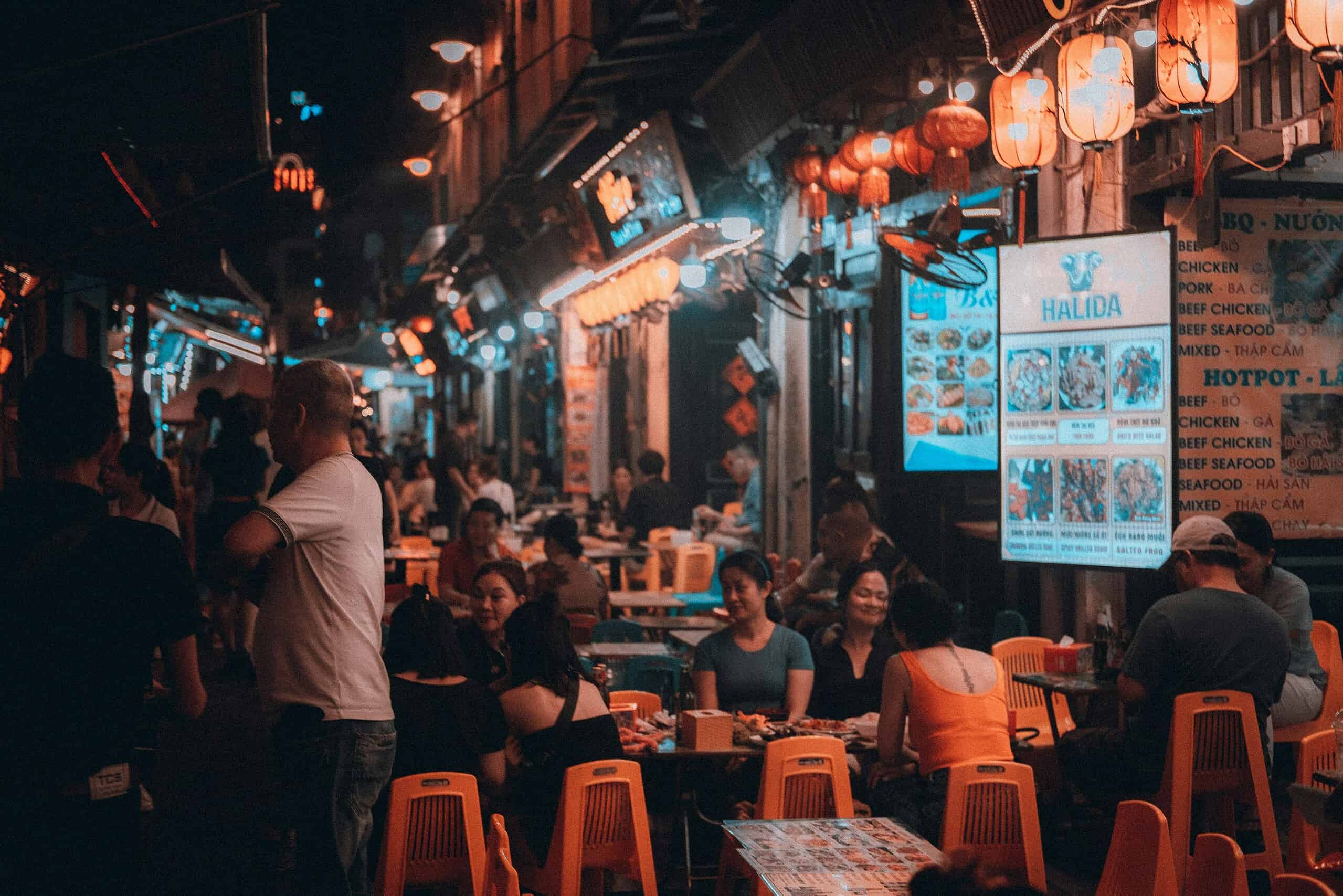
Globally? That’s so hard. Every place has its niche—every place has something they do really well, you know? It’s such a broad question. Of course I’ll say Vietnam, because I’m Vietnamese. That’s my number one. But Singapore was pretty amazing too. All they do there is eat, and the complexity of the melting of cultures there is so good.
Los Angeles is great too. Bavel in the Arts District or Redbird. Bavel is Middle Eastern and has vines all over the building, covering the ceiling. And then, you know, people always say Japan, which is awesome – it’s so intentional. Then Italy, Paris, Colombia, Peru, Mexico City. They’re all great.
Favourite local restaurants?
Huong Que, Mike’s Noodle House, Cafe Suliman, Gan Bei, Moonlight, Taco Time, Bar del Corso, Un Bien.
Best local bars?
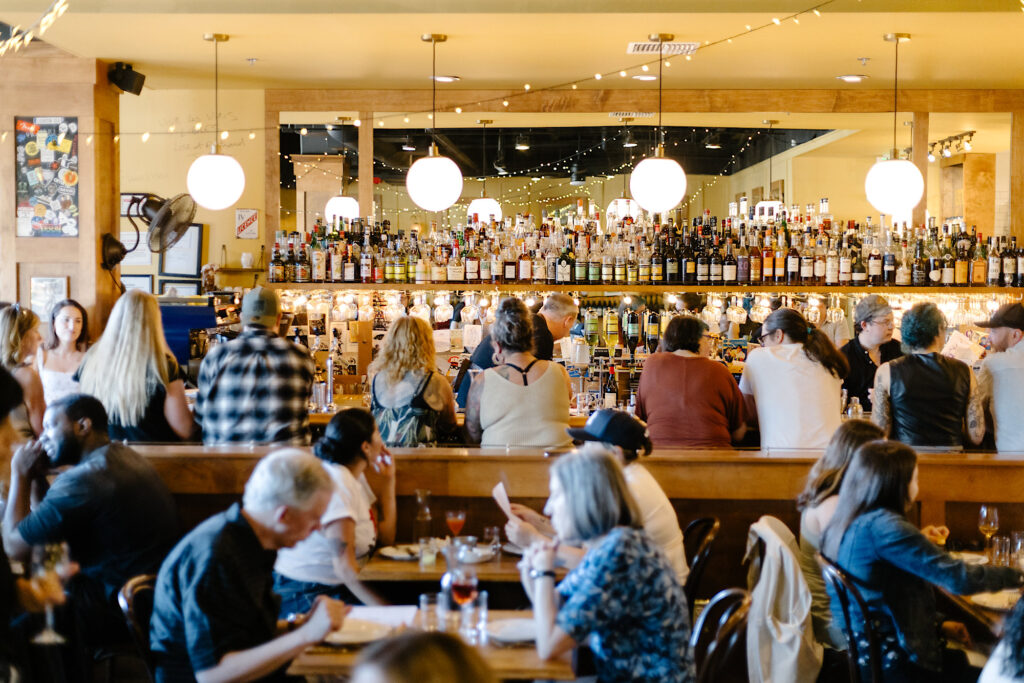
L’Oursin for cocktails, and Le Caviste for French wine!
Local hidden gem?
Wabi Sabi for sushi.
Top three museums in the world and why?
Castillo de San Felipe de Barajas, Cartagena, Colombia – how well it was preserved, the history of it all. My favorite detail was how the Spanish built tricky archways. They were a lot smaller so when the English came to invade they would run through an archway that would clear the taller Englishman only for them to be knocked out by the secondary archway that the Spaniards could run through and they could not.
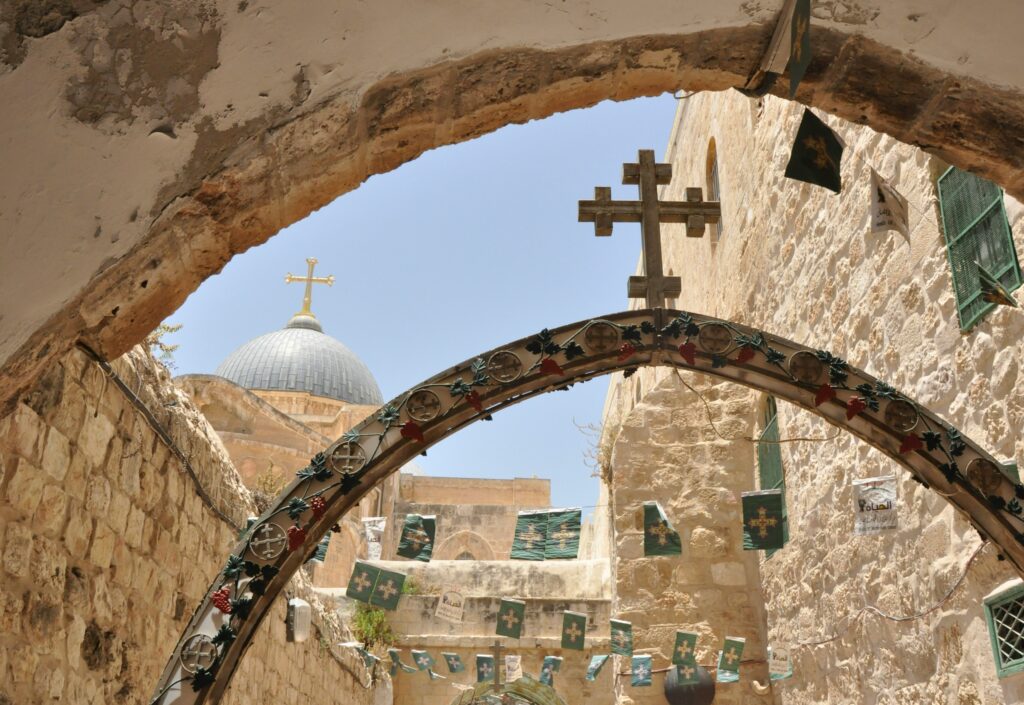
Casa Batlló, Barcelona – the bold and daring Gaudi. Being authentically himself and making it happen. And Church of the Holy Sepulchre, in Jerusalem – not a Museum, but the holiest of sites for the Catholic Church and Christianity. Where Jesus was crucified and the tomb of Jesus – I had the privilege to spend the night in the church and it was an experience hard to describe. The age, history and presence of it all was awe inspiring.
Where do you go for creative energy?
Just everyday life of the unassuming, the small experiences, tastes and details that I didn’t expect and motivates me to be intentionally daring.
Where do you go for pure escapism?
My garden.
And where do you go when you need a creative reset?
The routine of being at home with the dogs and purging. The big reset!
Favourite hotel in the world?
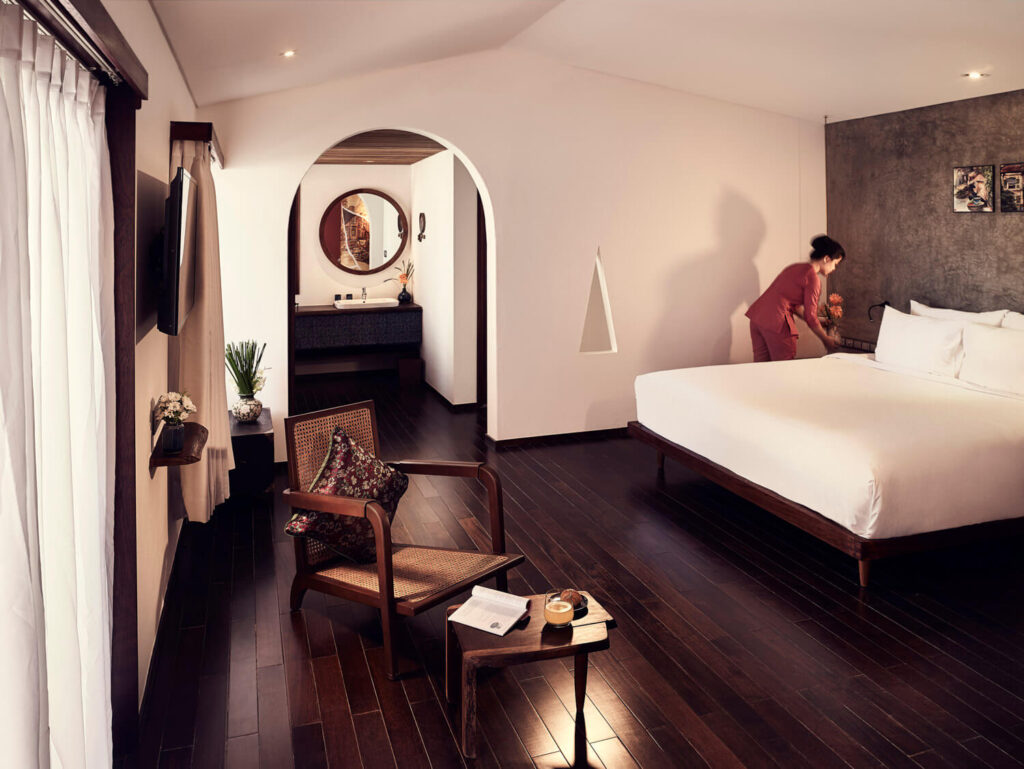
The Myst Dong Khoi in Ho Chi Minh City, Vietnam. The perfect blend of the old and the new.
What’s always in your carry-on?
Aquaphor balm stick. I get so dry! It just seals in the moisture in a convenient stick and I wouldn’t be sad if I lost it since it’s cheap.
Travel splurge you’ll never regret?
First Class for international travel. And jewelry.
What’s your best travel advice or philosophy?
Make a plan of what you want to see, do and eat but be open to deviate to discover something surprisingly delightful.
Dream destination, not yet fulfilled?
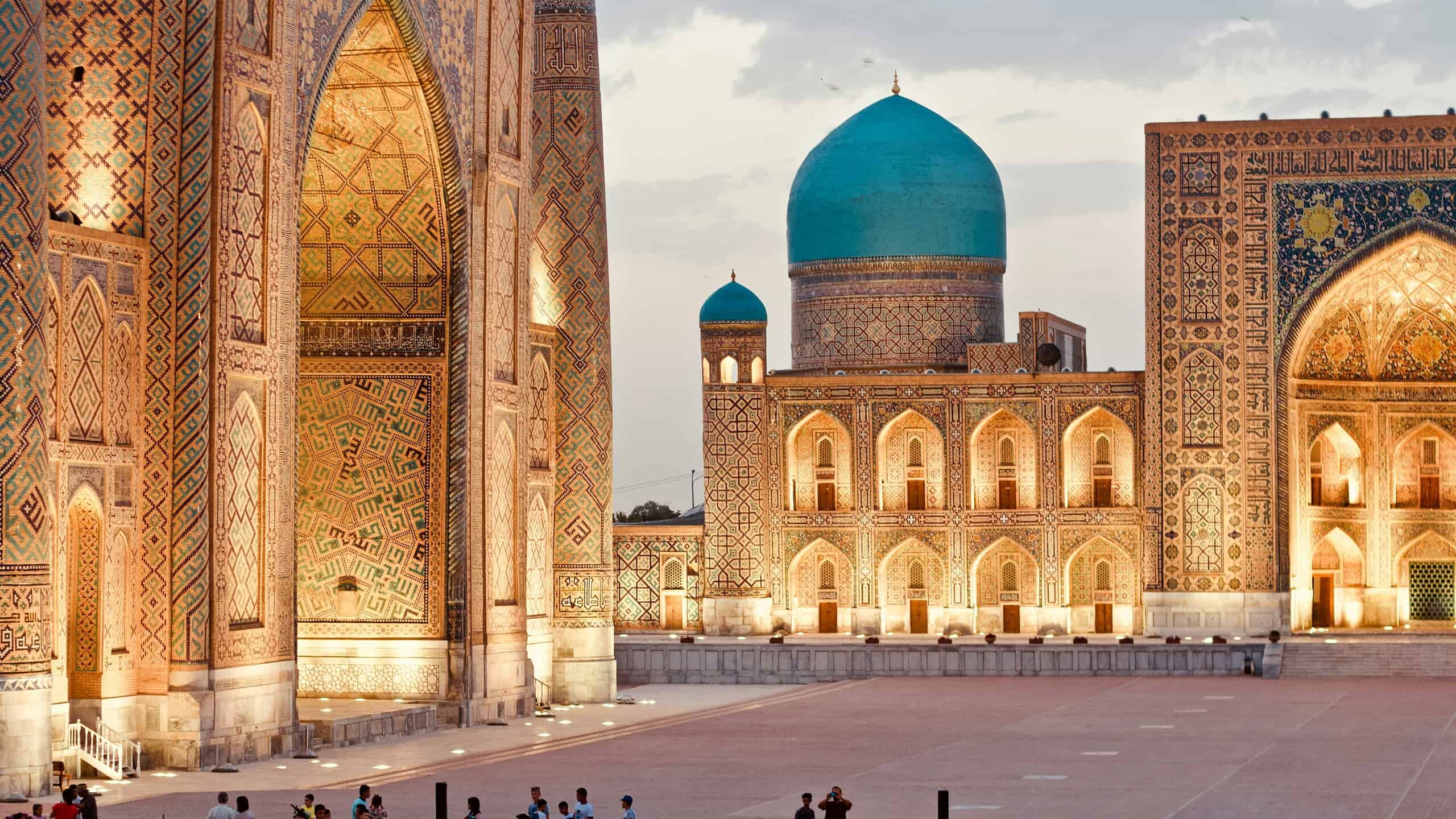
So many! I want to hit the -stans. Uzbekistan, Kyrgyzstan. Just be in a totally different world than I am used to.
What do you wish people paid more attention to these days?
I think people are really isolated. It’s very easy to be isolated, especially in a city, and people get stuck in their heads. That’s dangerous. The world is kind of in shambles all the time, but it’s actually simple. I think people just need to see the human side of each other again.
It’s easy to categorise people or stay in your own world, but we’re all the same, whether it’s a homeless person, a CEO, whoever. When you’re in your head too much, you start shaping things to favour yourself. So are you actually being honest, or are you just trying to make yourself feel better?
Social media is great for creativity, but there needs to be more interpersonal connection. More awareness of the people around you, more courtesy. Less isolation, less time in your head – just put yourself out there more.
What are you most looking forward to this year?
I think 2025 was all about shedding. It was a rough year. This year feels different – it feels more settled, more peaceful. Like there’s finally room to be more intentional. So for me, 2026 is about foundational work. Taking what I already have and amplifying it – being more intentional, and really understanding what I’m trying to do. I want people to feel it and taste it – to really understand the foundation of what I’m building. It’s also about modernising it, but still keeping that core.