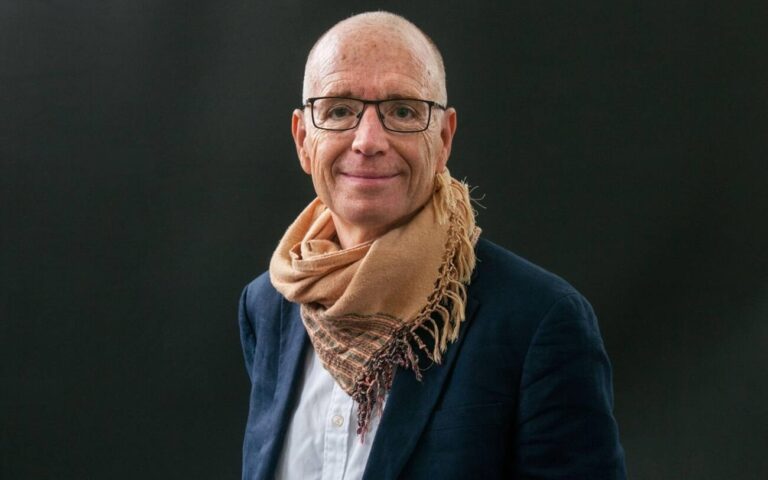
In the summer of 2000, nature writer Julian Hoffman and his wife walked away from city life and moved to a remote village in the mountains of northwestern Greece. The place was Prespa – a crossroads where three countries converge around two ancient lakes, where limestone meets granite and pelicans share the shoreline with bears. It was not an obvious choice, but it became an irreversible one.
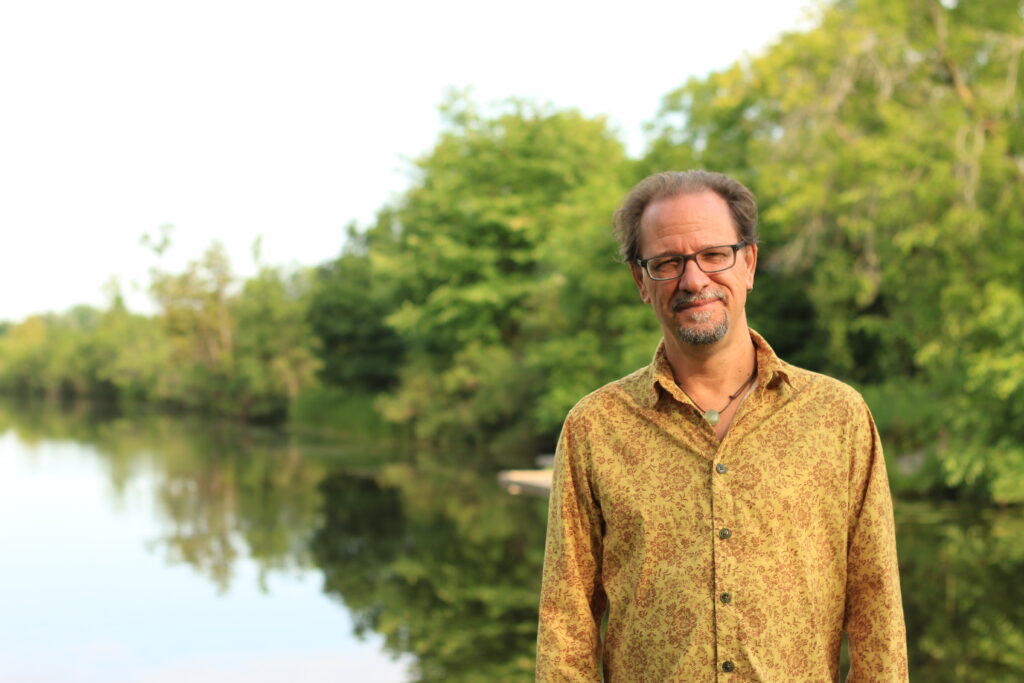
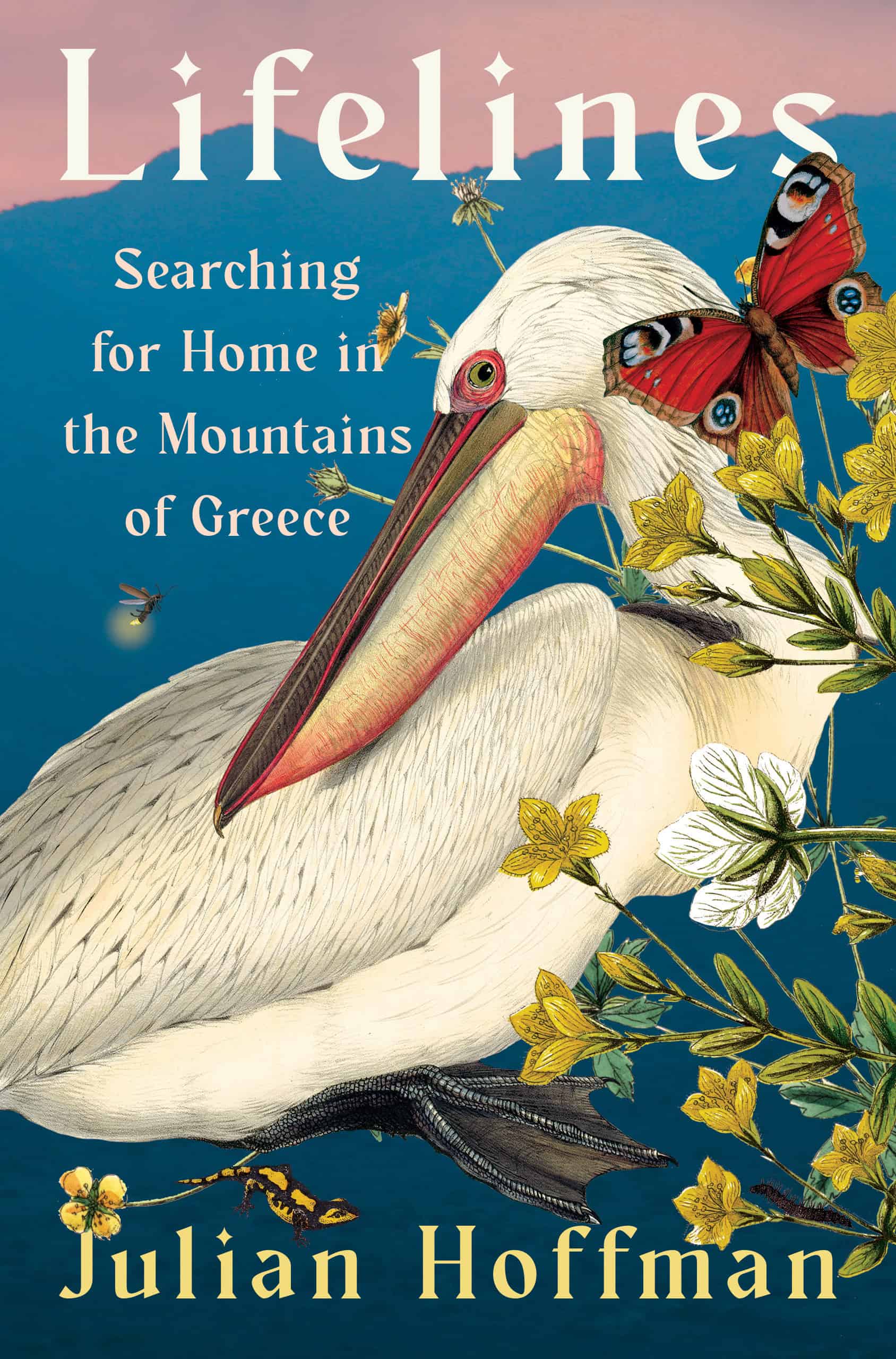
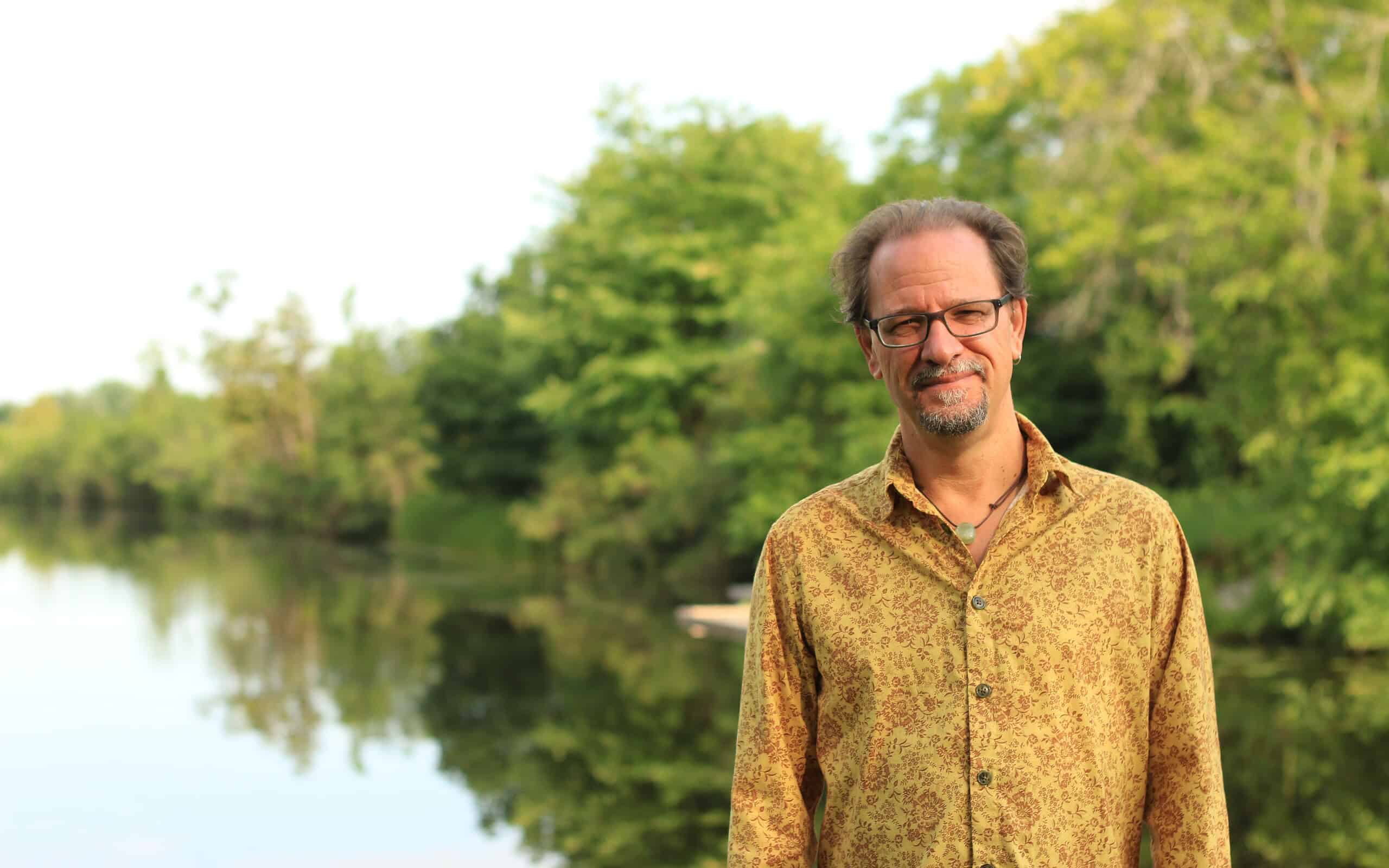
His latest book, Lifelines: Searching for Home in the Mountains of Greece, is out this week and draws on nearly 25 years of life in that landscape. Not a travel memoir in any conventional sense, it’s less about arriving somewhere than about what it takes to truly inhabit a place. Woven through with encounters both wild and human, it explores shelter, belonging and the fragile threads that connect us to the world around us – themes he is already tracing in his next book, The Last Wild River, a portrait of the Aoos-Vjosa river basin shared by Albania and Greece, due in 2027.
What drew you to the Prespa Lakes in 2000?
Simply put, a book. My wife, Julia, and I were ready to make a big change in our lives when we were living in London in the late 1990s. We wanted to get out of the city and find somewhere to grow some of our own food and ideally be closer to nature. Maybe even try living in a different country so that we could learn another language and culture. And then we read a review for a book called Prespa: A Story for Man and Nature by the Greek conservationist Giorgos Catsadorakis. We’d never heard of Prespa, but the review of the book was glowing. It talked about these two ancient lakes where Greece, Albania and North Macedonia meet; it described traditional stone villages in the mountains, pelican colonies on the shared waters and brown bears in the beechwoods.
And so we ordered the book, thinking it sounded like an amazing place to visit for a week-long holiday. And on the day the book arrived we opened a bottle of wine and began leafing through this beautiful but honest chronicle of a place we’d never heard of, reading passages aloud to each other and looking at the stunning photos. Then we opened a second bottle of wine (which definitely added to our excitement!) and before going to bed that night we decided that instead of going there on holiday we would move to Prespa and see if we could put down roots in this place of mountains and lakes at the crossroads of three countries. And twenty-five years later, we’re still there.
Most transformative moment in your first years there?
That would have to be meeting a man called Vassilis on our very first day in Prespa. He ran the guesthouse we were staying at and within an hour of our arrival, after asking us how long we were staying for and telling him that we’d decided to move here, we were in his pick-up truck driving around the mountains asking people if they had a house that we could rent.
He didn’t find us anything that first day (not unsurprisingly!), but he made it his mission to find us a home. And six weeks later, we returned from a walk in the mountains to find a note pinned to our guest room door: I’ve found you a house. Vassilis was our first friend here and his kindness, welcome and generosity made it possible for us to make a home for ourselves in Prespa.
How does living in a transboundary region shape your view of borders?
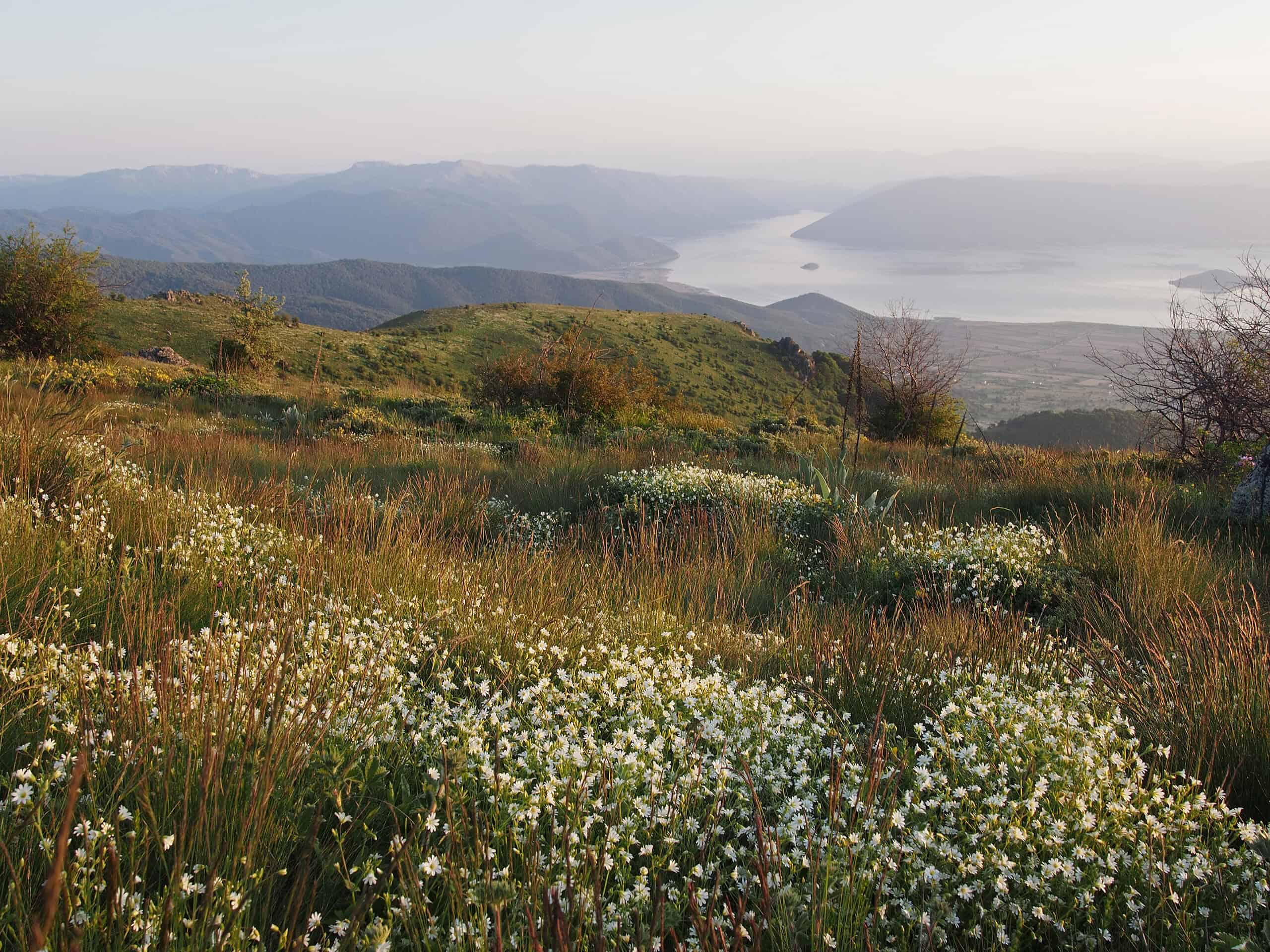
There are so many different borders in Prespa. Not only do three countries come together around the shared waters of two lakes, but this is where the Mediterranean world pushes up into the Balkans. And it’s where limestone on the western side of the basin nestles beside granite in the east, allowing wild species that prefer one or the other to dwell together in the same watershed. While we typically imagine borders as sites or lines of division, I’ve come to see them as meeting places too.
Most surprising lesson the landscape has taught you?
I’d say that’s humility. The lakes beneath our village are between three and five million years old. We’re encircled by towering mountains, the limestone ones having once been on the bed of the sea. And European brown bears – a close relative of the American grizzly – come down from the upland beech forests to our valley most nights and occasionally enter our garden. Living here has taught me a great deal about seeing humans simply as one small part of an extraordinary planet that’s far more complex and wondrous than we’ll ever be able to comprehend.
How do you balance intimacy and objectivity when writing about home?
I think intimacy is essential for there to be authenticity in your voice and story, but I’m particularly drawn to the ways in which our human stories are nested inside a place, a landscape, a community or a set of relationships with the wider world. Making sense of those broader links is where the objectivity comes in, or what might better be defined as an intimate objectivity. Because the clearest way I know to practice that is to listen carefully and attentively, and with empathy. To be as receptive as I can to the other stories of land and people and wild creatures that collectively make up this shared home of mine.
What drew you to the Aoos-Vjosa river for The Last Wild River?
The first thing was the fact that a ten-year campaign had been fought by dedicated local communities, activists, environmental organisations and international NGOs to protect the Vjosa River in Albania from proposals to build large hydropower dams on it. This collective engagement with a river in order to save it was so inspiring that I decided to see why it was so important.
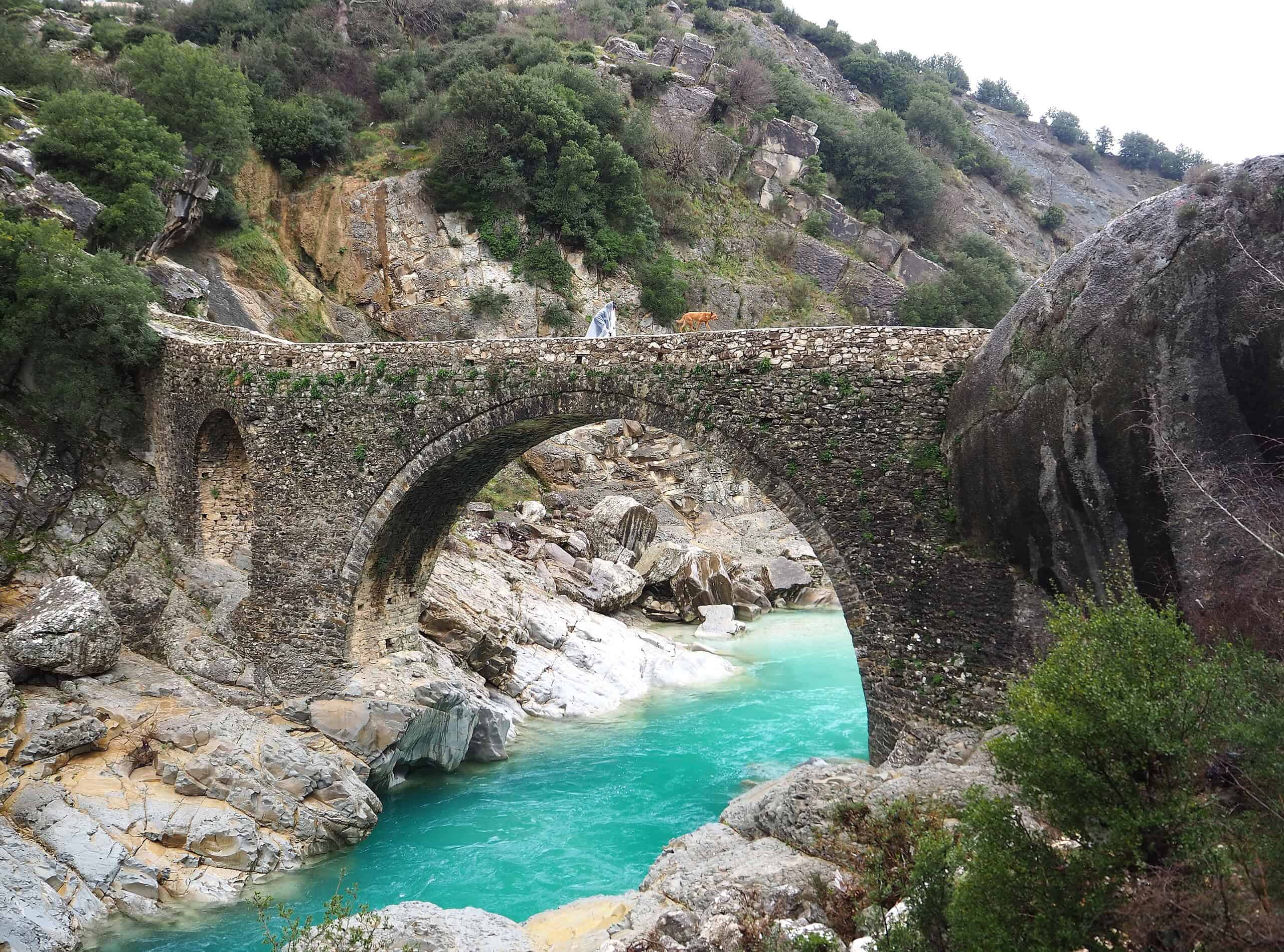
The second thing is that the Aoos-Vjosa (Aoos is the name of the river in Greece, where the river begins; Vjosa is the name in Albania) is considered by many scientists and conservationists to be the last large wild river in Europe outside of Russia. The fact that so many of the Aoos-Vjosa’s tributaries are wild and without dams or other barriers as well makes this river utterly unique.
It’s a vital network of free-flowing water that supports countless wild creatures and numerous human communities and their rich cultural traditions in two countries as it moves from its sources in the Greek mountains to the sea in Albania.
Best wild river experience whilst researching the book?
There have been so many! From seeing a tributary river in torrential rain become more and more stunningly turquoise the harder it fell to spending time with a Sufi dervish high above one of the tributaries as he talked to me about the connections between humans and nature. But the one I’ll choose is spending time with a scientific team in Greece on a stream by a beautiful stone bridge high in the mountains and catching an eel in the net. We recorded the eel on a data sheet and then released it, where it flashed across the river stones like lightning.
And that’s when I began thinking about that eel’s extraordinary journey, all the way from the Sargasso Sea in the North Atlantic where it was born (where every European eel originates in fact) to this narrow stream in Greece. It had crossed the Atlantic and then the Mediterranean and then pushed against the current up the Vjosa right across Albania and then over the border with Greece, eventually making its way to the small tributary where we briefly caught it in a net. It’s believed to be the furthest inland that an eel has ever been recorded. What an epic journey of endurance, determination and resilience.
Most underrated region in the Balkans?
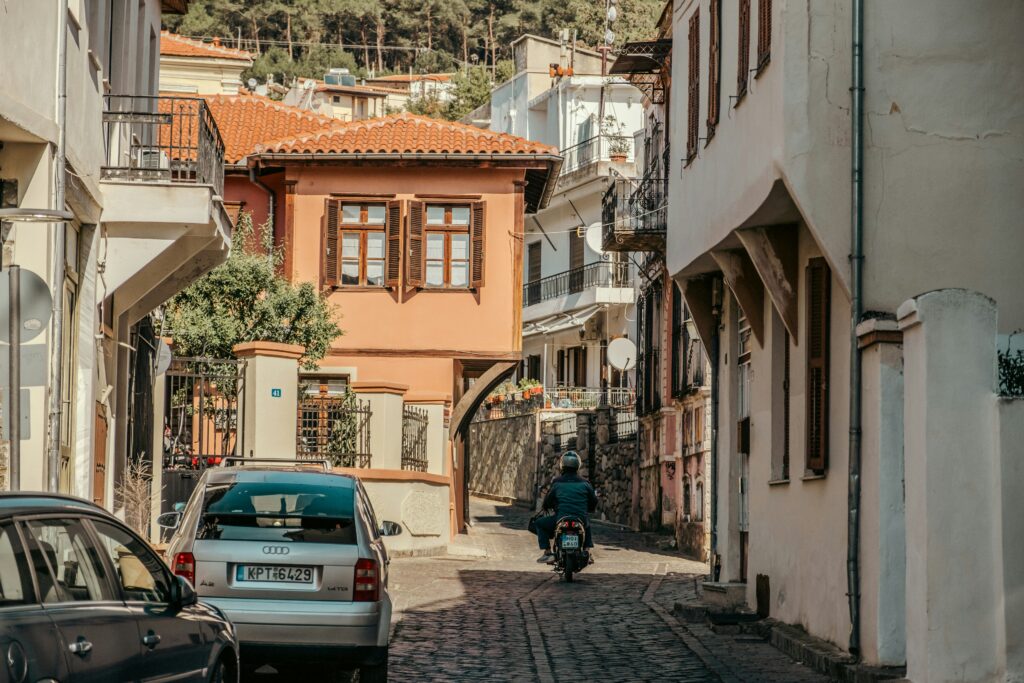
Thrace, in eastern Greece, is definitely an underrated region. It has spectacular forests and mountains in the north and long, beautiful beaches and wild coastlines in the south. You can encounter Greek, Turkish and Pomak being spoken because of the demographic history of these lands and there are architecturally fascinating cities like Xanthi to explore. Plus there are some fabulous wildlife sites, including Dadia National Park, the Evros Delta National Park and the Nestos Delta.
Favourite writing spot around the lakes?
My only real writing place around the lakes is my desk at home actually! But from the window I can see the mountains rising up from the village and the ridgeline border with our neighbouring country, North Macedonia. I can see the old stone ruins of shepherd huts on the mountain slopes from when this village had a far bigger population.
And in the summer, when the windows are open, I can hear nightingales and hoopoes and golden orioles singing throughout the valley, so while I’m sitting at my computer there’s a real physical sense of being immersed in a vast, layered landscape. And I have to be quite strict with myself to get any writing done, because the temptation to go out all day long and explore is strong!
Most inspiring city for writing?
Even though I’ve lived in Greece for over a quarter of a century now, Athens is a city that I’ve only come to know in recent years. And its remarkable and evocative blend of ancient and modern is so energising as a writer. There’s nothing quite like walking down a street of market vendors and little cafes with all the hustle and bustle of a trading day and to look up and see the marble Parthenon spread across the Acropolis high above the city.
It’s so surprising, magnetic and moving. And then you forget about it again until you look up once more from another street and see it from a completely different angle. It’s a good reminder for writers of how places are always layered with multiple, overlapping stories.
Favourite local restaurants in Prespa?
We are very, very lucky to live in a village of only 130 or so people in the mountains above the Prespa lakes in northern Greece and to have an absolutely fantastic traditional taverna in such a small place. And I’m not saying that just because we live here! Prespeion serves fabulous homemade food, including smoky roast aubergines with garlic and parsley, the Prespeion salad with walnuts, rocket and sundried tomatoes, local meats and cheeses, and wild greens doused in olive oil and lemon juice.
A couple other favourite restaurants in the region are Ta Psaradika overlooking the smaller of the two Prespa lakes in Mikrolimni and Syntrofia in the fishing village of Psaradhes on Great Prespa Lake. There’s no shortage of good food here!
Local hidden gem?
There’s a grove of astonishing juniper trees here in Prespa that are unique in Europe because of their towering size and longevity, and which have been protected from cutting over the centuries because of their proximity to a small church. These amazing trees aren’t exactly hidden, as the road between villages goes right past them, but most visitors drive by without stopping, unaware of the significance of this sacred grove. And it was because of this natural gem, together with the fact that rare Dalmatian and great white pelicans nested on the lakes, that Greek Prespa became a protected area in the 1970s.
Best local bars?
We’re also fortunate to have a brilliant little bar in our village called O Lele. It’s run by an energetic young couple and is a constant reminder that just a few people doing good, creative things can help enrich village life immeasurably.
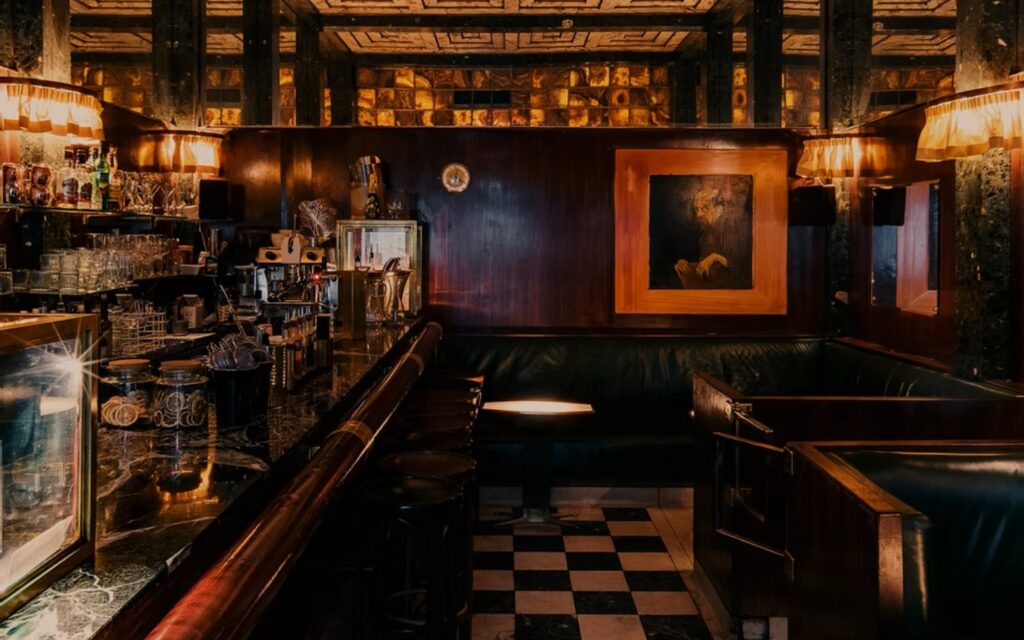
Further afield, I’ll always vividly remember the Mai Tais at the Loos American Bar in Vienna. Designed by architect and artist Adolf Loos in 1908, this tiny, Art Deco bar is beautifully lit and so atmospheric, shimmering with glass, wood, onyx and sculpted marble panelling. It glows like a dream.
Where do you go for pure escapism?
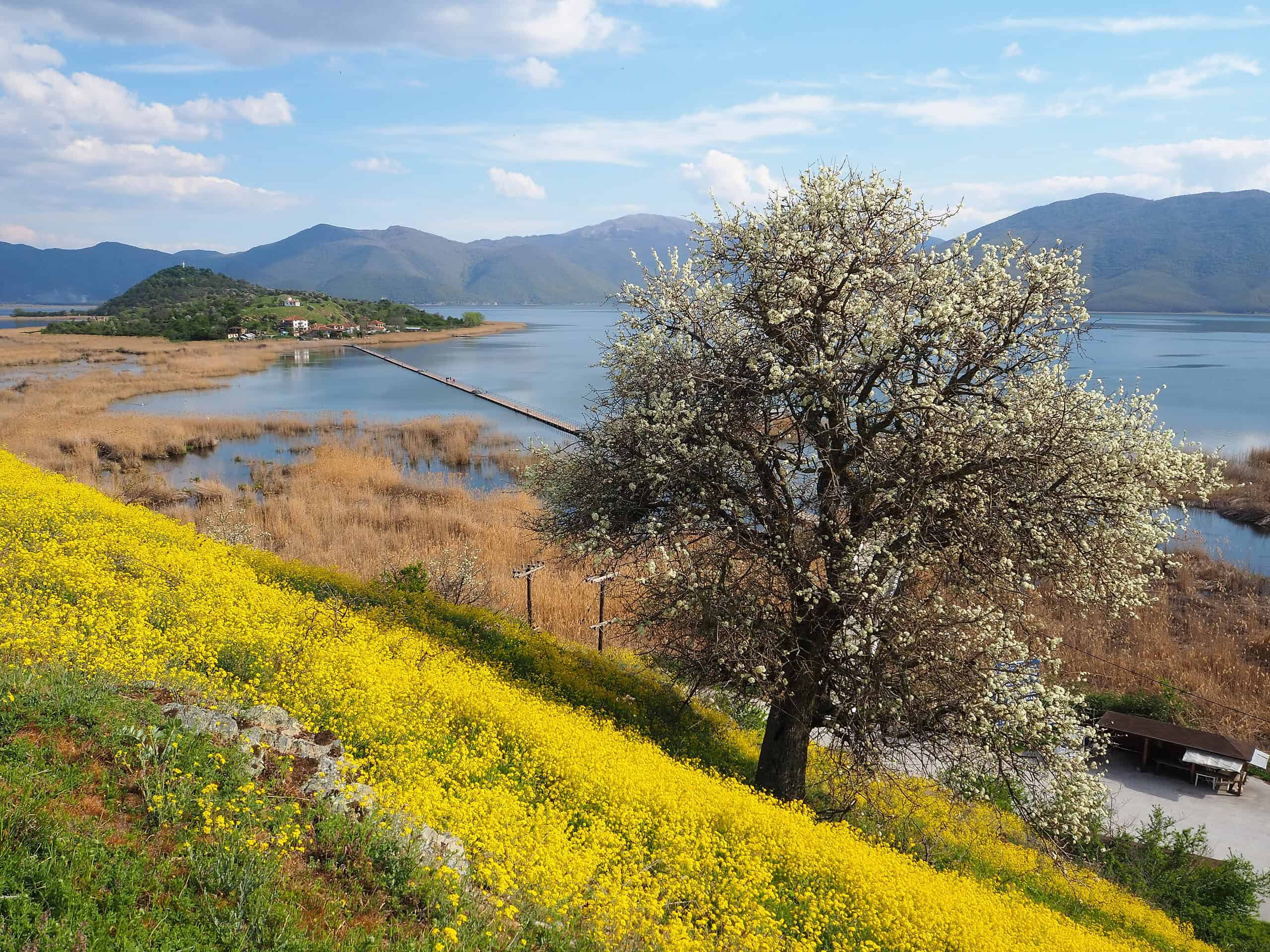
I’m not big on escapism in a general sense but there’s a small, inhabited island on Lesser Prespa Lake where I live called Agios Achilleios, and whenever I cross the floating footbridge to reach it (usually with visiting friends and family when we’re showing them around the area) it never fails to feel like I’m on holiday at home.
Pelicans, egrets and pygmy cormorants fly low over the reedbeds as you’re crossing the bridge, there are the evocative ruins of a one-thousand-year-old basilica on the island and a lovely taverna too, where you can stop for homemade pitta or a coffee and ice cream by the water. It’s a perfect place to take a deep breath and relax.
Where do you go for stimulation and creative energy?
That’s usually a walk in the valley behind our house. Walking always gets me thinking differently; there’s something about the rhythm of the body in relation to the landscape that shifts things internally. And as I do the same walk more or less every day, I’m able to notice the subtle changes in the landscape too: what flowers are emerging, what migratory birds are arriving, where brown bears have been the night before. It’s a great way to practice paying attention.
And where do you need a creative reset?
I actually find that this can be anywhere if I give myself the space and time to explore. I was in London recently and even though I know the city well because I used to live there I kept a full day free just to wander. I began with coffee at Guillam’s Coffee House near Bayswater and then popped my head into the Greek Orthodox Church across the road.
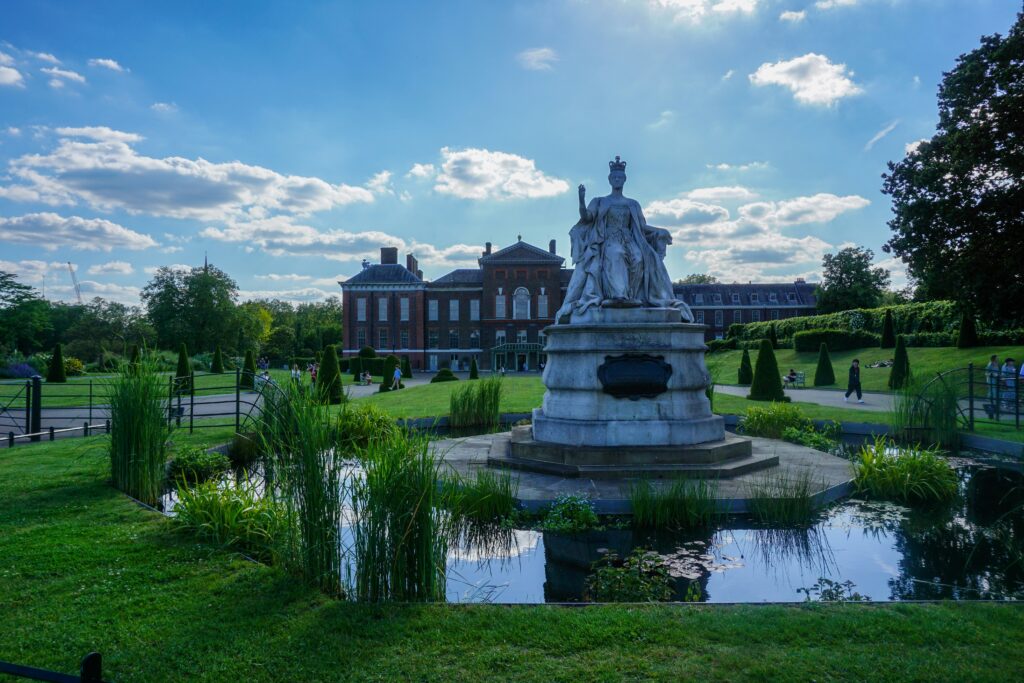
From there I walked right across Kensington Gardens and Hyde Park in crisp autumn sunlight. I explored around Belgravia and Pimlico and then went to the magnificent Lee Miller photography exhibition at the Tate Britain Gallery by the Thames. Afterwards, I had a quick coffee and a sandwich, hopped on a bus and spent some time in the dazzling and eclectic Victoria and Albert Museum. I wrapped the day up with fish and chips and a couple of pints at excellent Mitre pub back near Bayswater. I was fizzing with ideas by the end – and it felt like I’d explored a completely new city!
Top three museums in the world?
The first has to be the Museum of Cycladic Art in Athens. There’s something so mysterious and almost otherworldly about the abstract, minimalist, marble human figures of the early Cycladic culture; works that had a huge influence on modernist artists like Pablo Picasso and Henry Moore. They date from 3,200 to 2,300 BC and this museum has done a beautiful job of showcasing this extraordinary work so well.
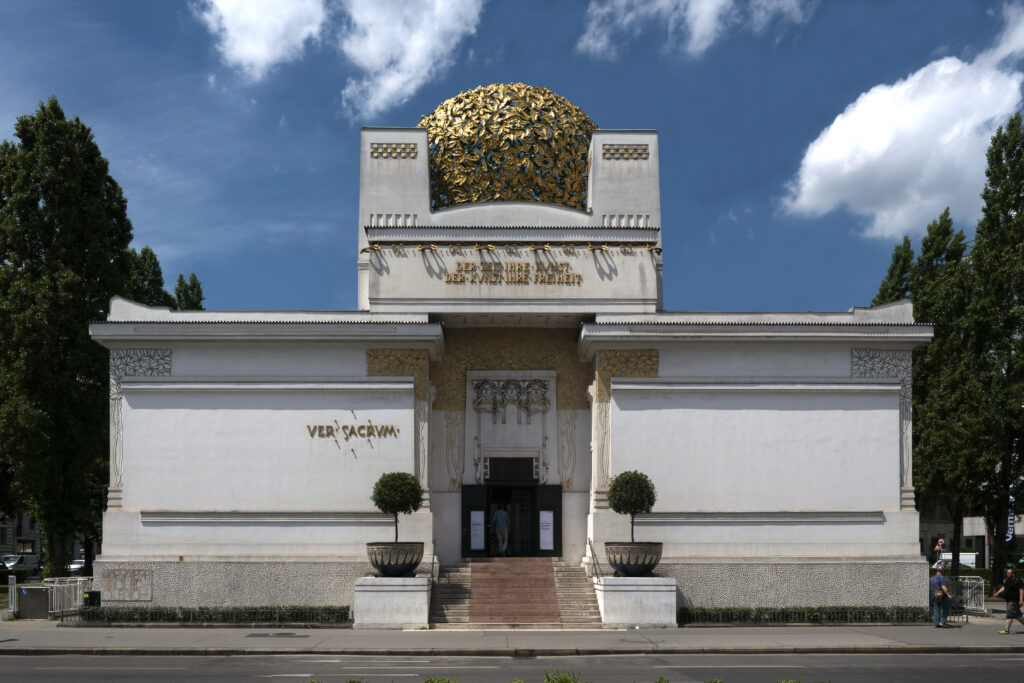
Second would be the Secession building in Vienna. Built in 1898 in the Jugendstil style, or Viennese Art Nouveau, to house the works of the Secessionist art group, it’s a stunning white building capped by a bright gold cupola made up of 2,500 gilded iron laurel leaves. And inside is the extraordinary Beethoven Frieze by Gustav Klimt, which you can experience while listening to Beethoven’s Ninth Symphony on headphones.
Lastly, I’ll say the Museum of Asian Art in Corfu. With its traditional Venetian architecture and beautiful cobbled lanes, Corfu Town is a special place in its own right, but I wasn’t expecting to find this magnificent collection of Asian art and antiquities there as well. Housed in the ornate Palace of St Michael and St George right at the edge of the Ionian sea, its beautifully curated and exhibited pieces from China, Japan, Tibet, India and elsewhere are exquisite. It’s the only museum in all of Greece dedicated to Asian art.
Favourite hotel, anywhere in the world?
I always think of hotels in relation to my overall stay in a place, so I’m going to say the Megaron Hotel in Heraklion on Crete. It’s a historic 1920s building beautifully restored with rooms overlooking the Venetian port and fabulous breakfasts in a room with large glass windows looking onto the harbour, where cinnamon sticks and oranges are kept simmering away in one corner to lend the place a delicious morning aroma. Heraklion doesn’t get anywhere near as much attention as Chania further west, but I absolutely love it.
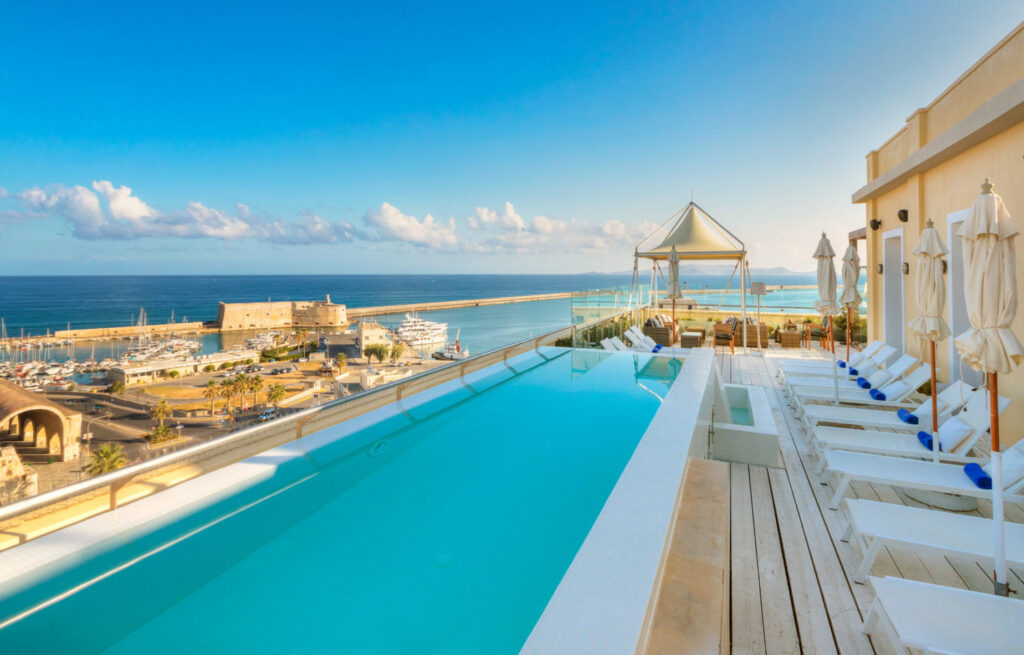
It’s a working place rather than a tourist destination, which means it has a real, busy, ordinary feel to it. And you have to work a bit harder to find its gems, but they’re there. The great Greek writer Nikos Kazantzakis was born in Heraklion and is buried at the highest point on the city walls, from where you can see right out across the brilliant sea. There are the ruins of Minoan Knossos a short bus ride away and the magnificent Archaeological Museum in the city itself. Plus a host of fabulous places to eat and drink, including the wonderful Peskesi, which serves traditional food, much of it raised and grown on their own farm or sourced locally from others, with typical Cretan hospitality.
Travel splurge you’ll never regret?
I don’t tend to splurge when travelling as I’m really drawn to local places and experiences, but taking the elevator to the Signature Room at the top of the John Hancock Center in Chicago for an expensive drink high above the skyscrapers of the Loop and with views stretching right out across Lake Michigan was definitely worth it.
What’s your best travel advice or philosophy?
My best advice is to be open to surprises and the seemingly smallest of things, whether it’s the way light strikes a landscape right before a summer storm or turning down a quiet, leafy backstreet well away from the tourist sites. So often it’s in the unexpected moments that the real magic of travel happens.
Dream destination, not yet fulfilled?
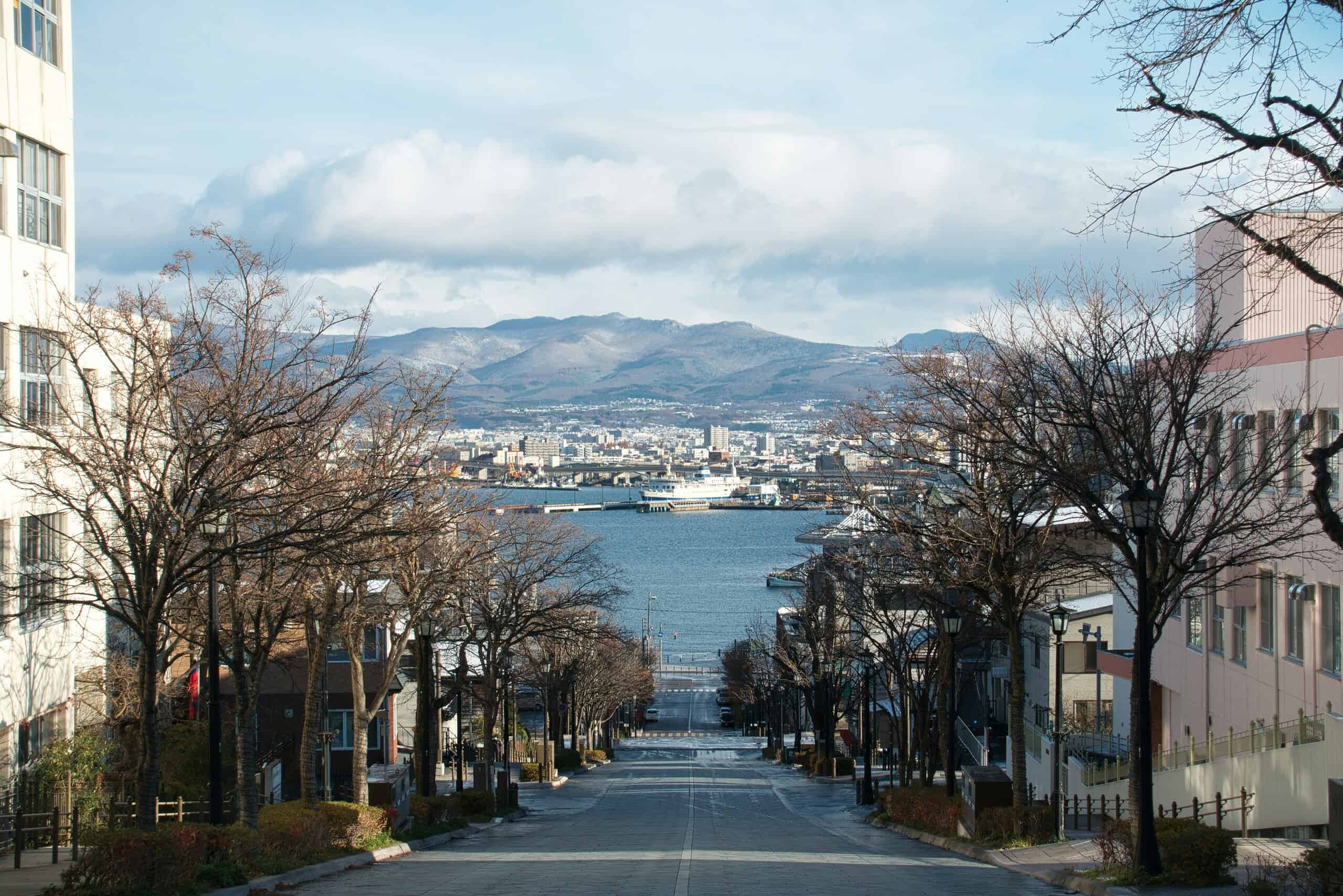
There are so many, but the place I’ve been thinking a lot about recently is Japan. I’d love to explore the northern island of Hokkaido and its mountains, coasts, wildlife and temples.
Best recent book discovery?
I’m going to mention two here: one new, one old. The new book is Barbara Kingsolver’s Demon Copperhead. I’ve long loved her work and this one, set in Appalachia, could well be her best. What a voice she has created; what a powerful, profound and humane story of rural poverty, addiction and community she has told.
The old discovery is Edward Lear’s Journals of a Landscape Painter in Greece and Albania, which chronicles the artist and writer’s travels by horse through this region in 1848 when it was still largely part of the Ottoman Empire. It’s been amazing taking this journey backwards in time with him across lands that I know today, seeing the differences and recognising the continuities in this always fascinating corner of the world.
Favourite nature writers or place-based memoirs?
I’m drawn to those writers who are finding new ways of telling stories about our shared world, braiding nature, science, memoir, journalism or climate issues together. So, Kathleen Jamie, Barry Lopez, Amitav Ghosh, Annie Dillard, Rebecca Solnit, Elizabeth Kolbert, Julian Aguon, Elizabeth Rush, just to name a few.
And if I had to choose just one place-based memoir that has deeply affected me in recent years it would be Into Great Silence by Eva Saulitis. Saulitis was a marine biologist as well as a poet; and although we lost her far too early, she left us with this remarkable book about a family of endangered orcas that she studied for years in Alaska’s Prince William Sound.