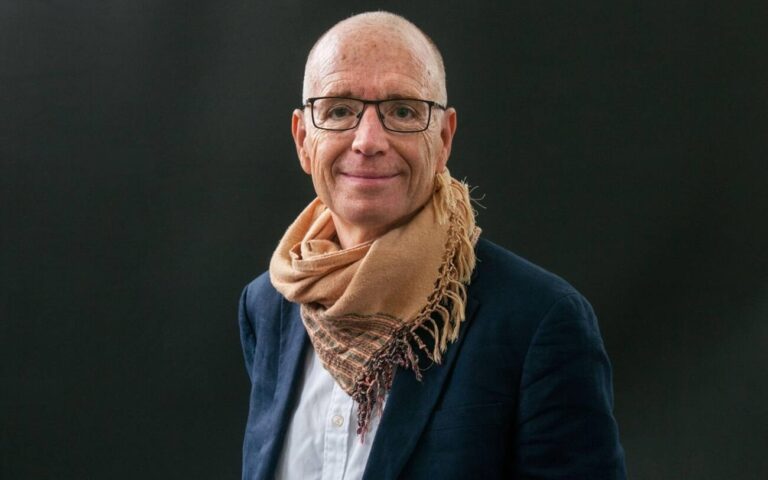
Jini Reddy brings a uniquely soulful and multicultural perspective to nature and travel writing. Born to Indian parents in London and raised in Canada, her work explores the intersection of landscape, spirituality, and belonging.
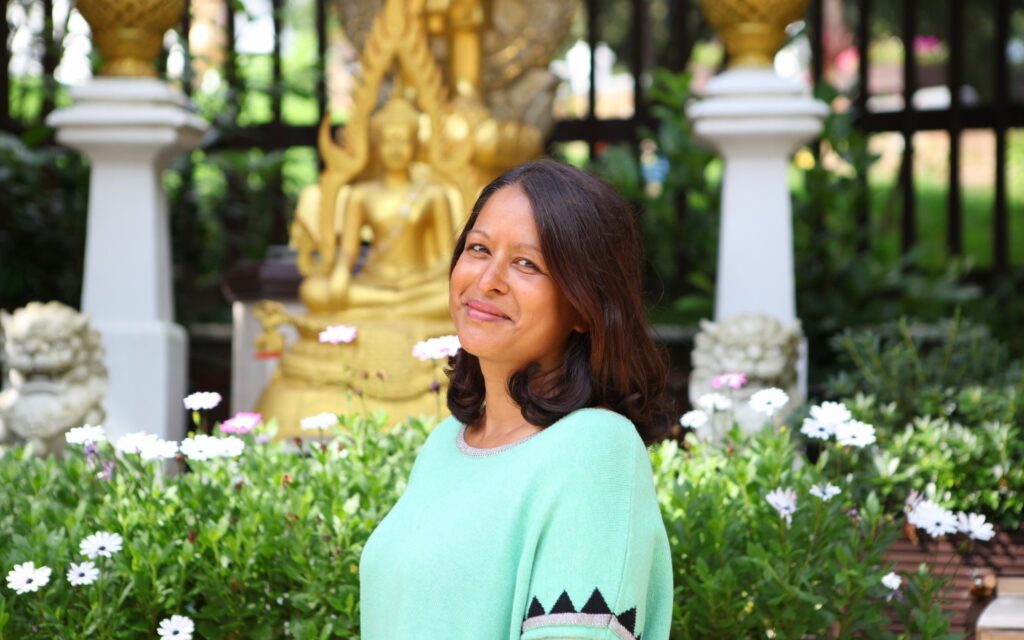
Her acclaimed book Wanderland: A Search for Magic in the Landscape (shortlisted for the Wainwright Prize and Stanford Dolman Award) charts an unorthodox journey through Britain’s natural spaces, seeking what she calls ‘the magical in the land’ while challenging conventional narratives about who belongs in nature writing.
What makes you choose to write about a place?
It’s often the hope of having a particular experience in a place, or because there’s a particular energy or landscape I’m seeking to connect with. I’m always interested in moments or encounters that leave me feeling that some synchronicity has unfolded or that a silent wish has been ‘heard’.
How do you find magic in ordinary places?
To invite magic in, you need to cultivate a mindset of playful experimentation. I try to stay curious and open. If I’m in the right frame of mind, I’ll ask the universe (very nicely) if ‘it’ could possibly put something magical in my path. The key is the sincerity of your intention and how willing you are to step out of the paradigm that says there is no such thing as magic…
How has the British landscape inspired you?
It offered creative inspiration for my book Wanderland.
Where do you go for a creative reset?
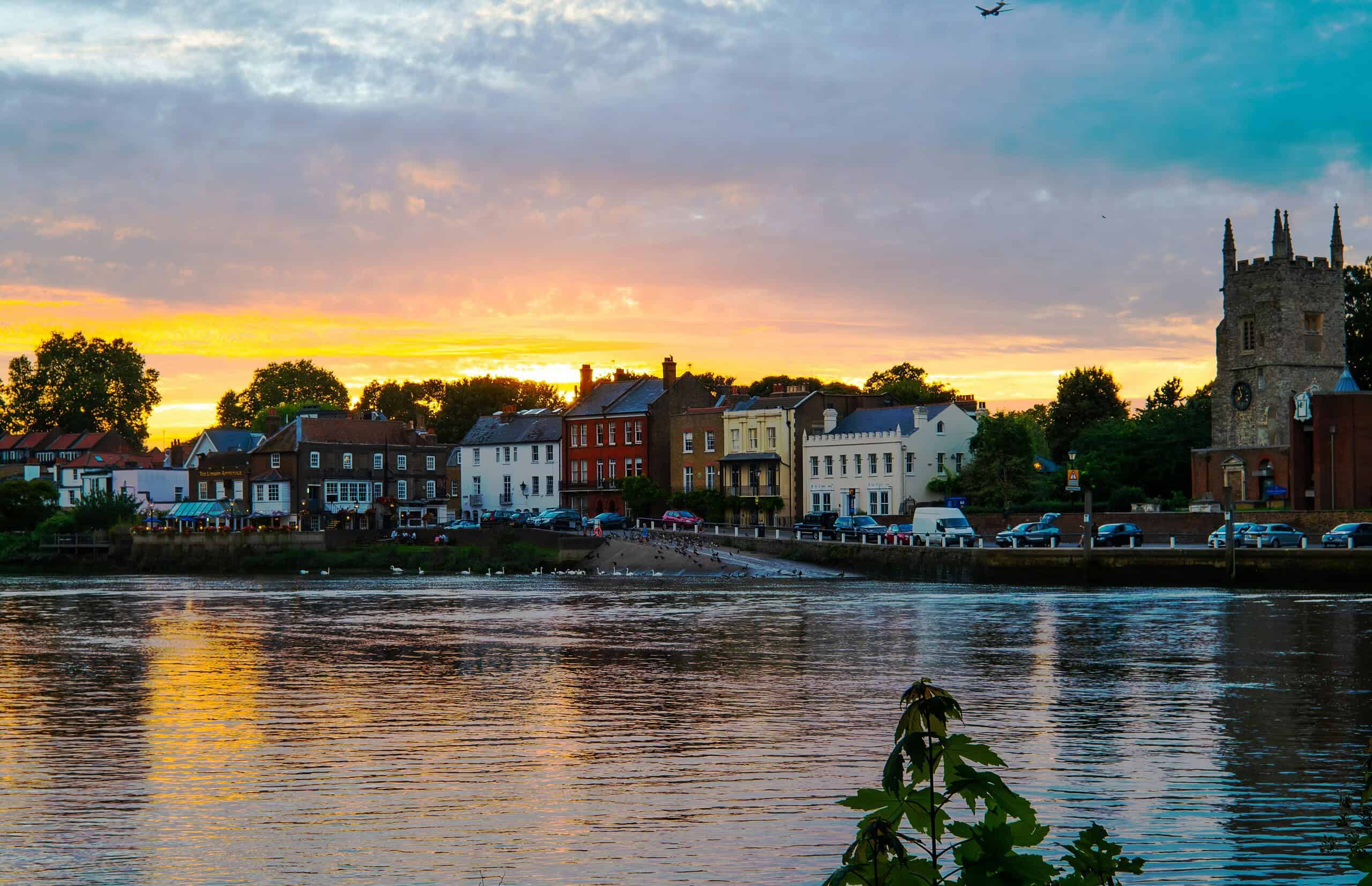
I’m currently writing fiction and I find a walk tends to get the juices flowing. Any quiet, peaceful landscape will do, but I’m especially fond of coastal walks. Not far from where I live is Richmond-upon-Thames and I love being by the riverside too. There’s a woods five minutes from where I live, so I also walk there.
What about pure escapism?
I read! These days I read far more novels than non-fiction. One of my all time favourites is Octavia Butler’s Kindred. More recently, I adored Elif Shafak’s There Are Rivers in the Sky.
In my late teens I read Somerset Maugham’s Of Human Bondage, and it made a big impression on me at the time, as did The Age of Reason by Jean Paul Sartre.
Among my favourites of the more recent travel narratives are Spirit Run by Noé Alvarez, Black Ghosts by Noo Saro Wiwa, and Afropean by Johny Pitts. Years ago, when I dreamed of being a travel writer, I read and enjoyed Lipstick Jihad, by Azadeh Moaveni, and Native Stranger by Eddy L Harris.
In terms of a physical place, I’d say Montreal, where I grew up. The minute my plane lands and I step out of the airport, all the memories of my childhood and youth come flooding back. It feels like time travel and it is exquisite. My favourite spot is the Parc des Rapides, close to the suburb where I lived, with its bird sanctuary. I used to spend hours by the rapids as a child, daydreaming.
And what about for stimulation?
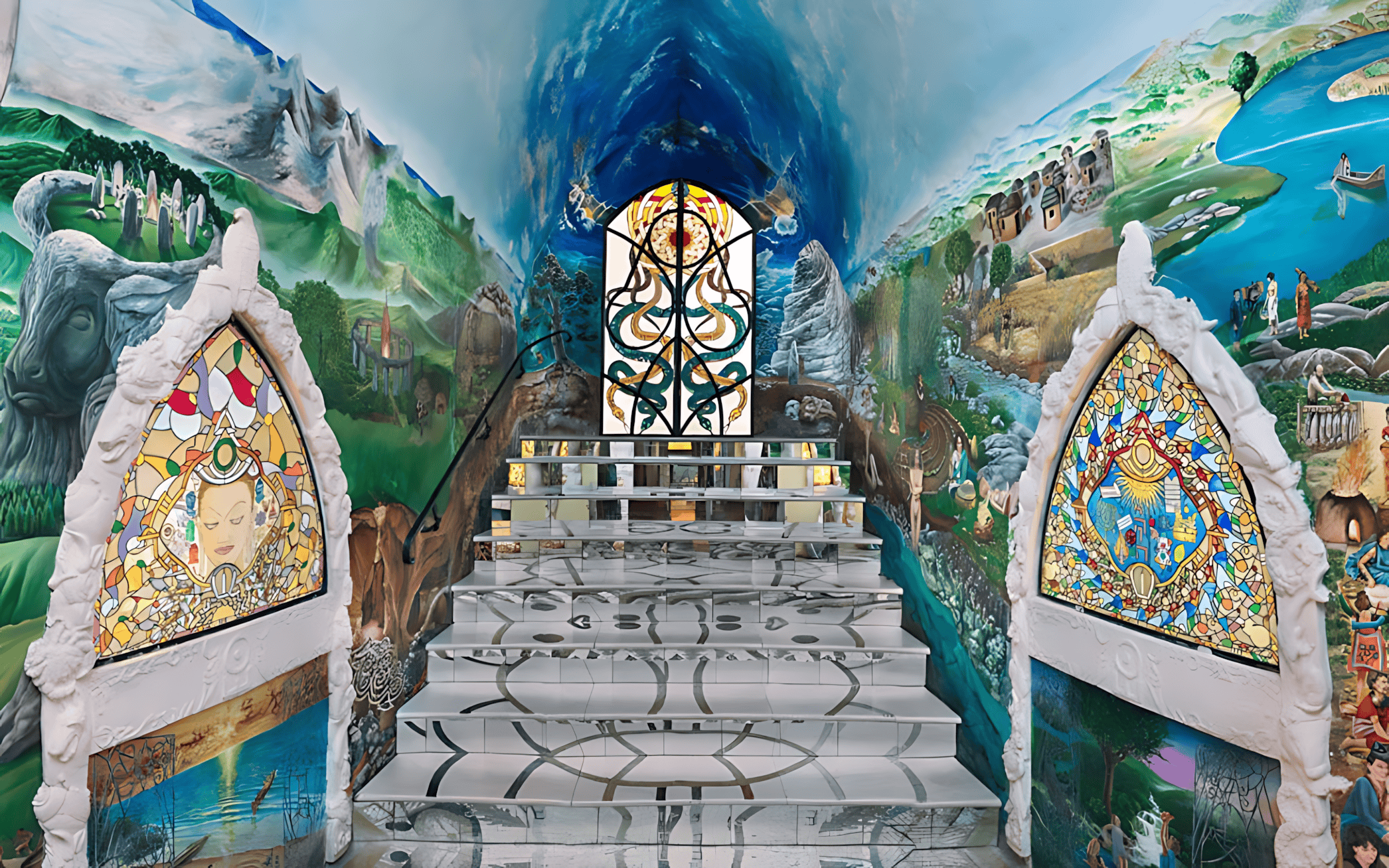
A few years ago, I went to Damanhur in Italy, to visit the Temples of Humankind. They’re a collection of underground temples at the heart of an eco-spiritual community in a valley in the Piedmont region, 40 km north of Turin. Taken purely as a work of art, the temples are astonishing, but they’re also a place where nature, mysticism, creativity and fantasy come together.
Which place most surprised you?
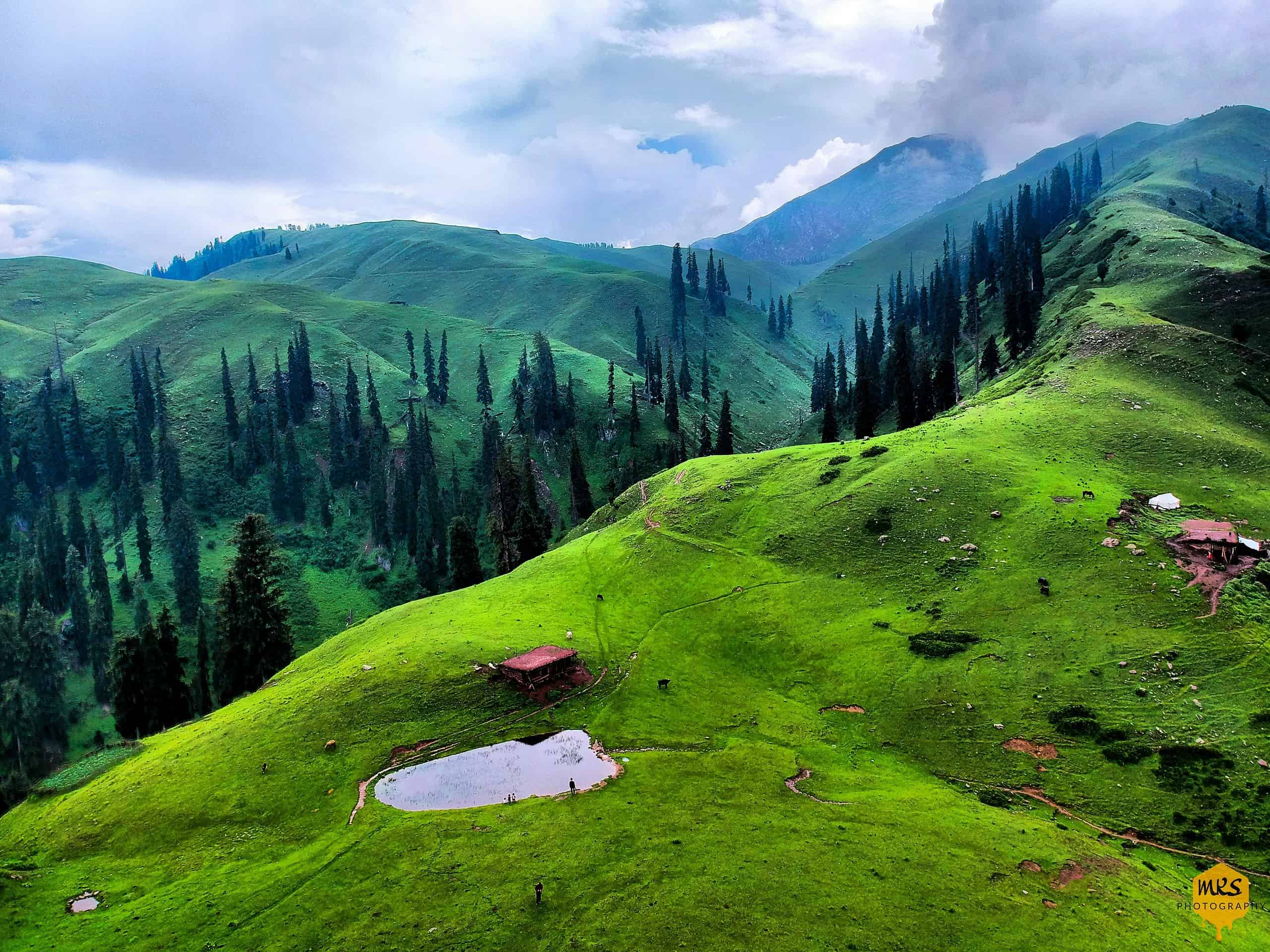
I hadn’t expected Aotearoa (New Zealand) to be quite so rich in natural beauty or the people so friendly. I was taken aback to discover that Maori culture was so deeply integrated into the country’s identity. I was moved by that. Also, the mountains and valleys in Khyber Pakhtunkhwa, in north-west Pakistan, were one long jaw-dropping moment.
Best landscape for spiritual connection?
To my mind, it’s not the landscape that matters as much as the mindset. You need to feel open and receptive to your environment. That said, I felt a special energy on Iona, in the Hebrides and had a very interesting experience there which I share in Wanderland.
Most memorable local encounter?
It’s always memorable when I spot the heron in my local wetland. It’s my favourite bird – so still, so elegant, and so beautiful in flight.
Most inspiring city for writing?
I like cities that are nature rich. I loved Helsinki, Finland on the Baltic Sea. There are peaceful islands you can reach by ferry. You get off and then explore to your heart’s content on marked trails. I once spent a glorious, sunny afternoon on green, tranquil Vallisaari, just twenty minutes from the mainland.
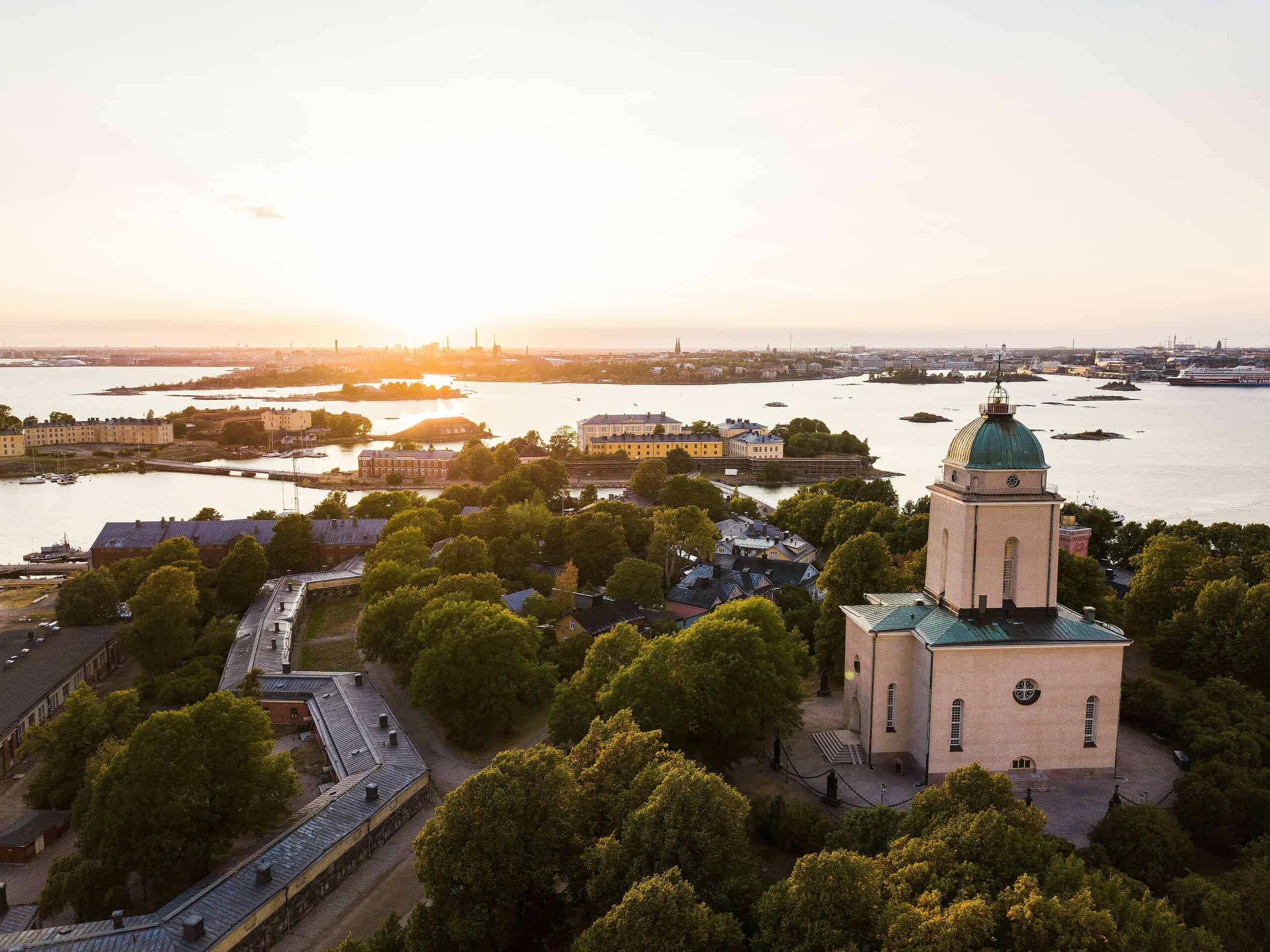
I snacked on berries I’d bought beforehand at the lovely, bustling market next to the harbour, and a gigantic korvapuusti (a cinnamon bun) I’d picked up at Café Succès, recommended to me by a British photographer who has made the city his home.
Favourite local restaurants?
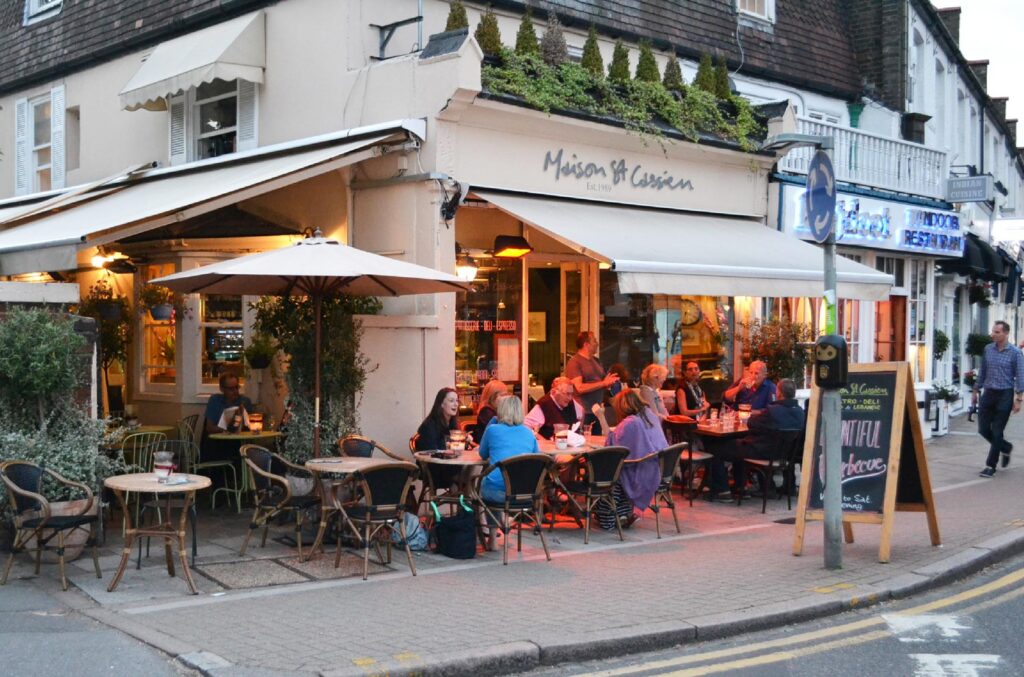
I live in a leafy southwest London suburb, famous for its strawberries and cream. Here, I more often hang out in cafes. If someone fancies brunch, I’d probably suggest Maison St. Cassien, an independent Mediterranean and Lebanese café and restaurant in Wimbledon Village. I’ll go for something simple, like the eggs benedict or a pain au chocolat.
I’ve eaten many wonderful meals on my travels but few as perfect as the one I had in COP, a restaurant in Vienna, Austria a couple of years ago. (The acronym stands for ‘Collection of Produce’.) The focus was on sustainable, locally sourced ingredients and I remember dish after dish of unbelievably delicious morsels: little troughs of brown butter dotted with rock salt to spread on fresh sourdough, ceviche, calamari, oysters, marrow bone with black walnuts and herb salad, and for dessert, butterscotch crême. Everything came with gorgeous wines.
I was with a group of women writers, and the following night we were due to attend the famous Kaffeesiederball. It was a struggle to fit into our ballgowns after that feast (and all the coffee and strudel we consumed in the city’s coffeehouses)! I’ve read that COP is looking for a new home – I hope it finds one soon, so I can return.
I also remember a legendary kaiseki ryori (multi-course meal) in a traditional ryokan in Takayama, a town in the Japan Alps. The lacquer trays of dishes that appeared were so decorous it seemed savage to eat them: one corner of my tray was occupied by a little wooden dolls’ house. Lifting off the roof, I discovered tiny plates of eel, mountain potato (like yam), baby eggplant pickle, marlin sashimi, green tea soba noodles wrapped in seaweed, steamed Hida beef (a local speciality) dipped in sesame sauce. On and on it went, one exquisite mouthful after another.
Local hidden gem?
The delightful, award-winning Swiss Bread Bakery Café, in Ham. It’s on an unglamorous parade of shops, not far from the Richmond riverside. The Swiss owner is incredibly warm and welcoming and in the winter months they do a delicious cheese fondue. The side salad is a thing of beauty. It’s as if the chef has personally chosen every leaf!
Come Diwali, the queues go round the block but for sweets and savouries, Pooja in Tooting Broadway is unbeatable.
For a non-foodie hidden gem, the striking Buddhapadipa Temple. It’s such a serene spot. On Loy Krathong, a celebration to honour the goddess of water, you can light incense and a candle in the (lotus-shaped) krathong, and float it in the pond. You ‘float away’ any negativity, give thanks to the goddess for her abundance and make a wish for the year ahead. You can also eat some gorgeous food. I went recently and tried a very tender chicken satay and moreish banana fritters.
Best local pubs?
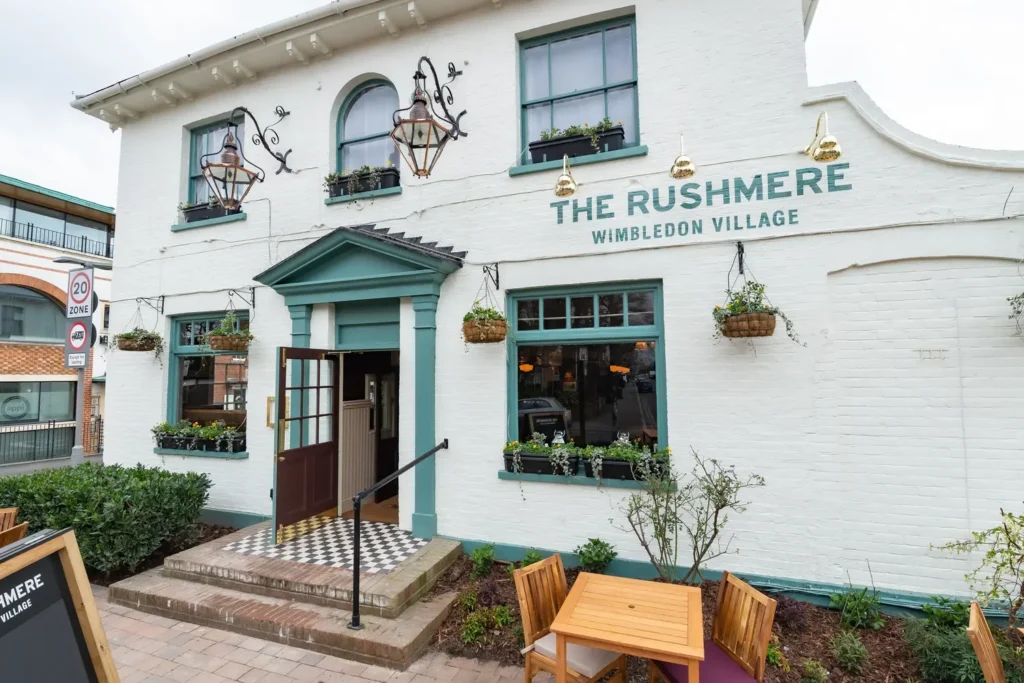
In Wimbledon, I’m spoiled for choice. Everyone has their favourites: I like the Rose and Crown and the Rushmere. I barely drink these days, but there is really nothing like a Sunday roast in a pub, especially on a wintry day.
Atop Richmond Hill, the Roebuck is a lovely locals’ pub. You can take your drink and sit on the benches across the road and soak up the view of the snaking River Thames. It’s a view that has inspired many English painters, including Constable. It’s also the only view in England that is protected by an Act of Parliament.
Favourite overlooked place?
Is any place truly forgotten or overlooked? The people who dwell in these places certainly haven’t forgotten them. Even if there are no humans about, nature inhabits a ‘forgotten’ place; the elements animate such places too.
Wellness routine you swear by?
Fresh air, sleep and exercise! I also do my best to let go off emotional pain. The best way, I’ve found, is to sit with it, allow it to be fully felt in my body without analysing it or latching on to a story about it. And then it dissolves.
I used to write about wellbeing, and I loved trying all the complementary therapies: sound therapy, juice fasting, brainwave therapy, barefoot walking, shamanic retreats, reiki, laughter therapy, you name it, I’ve tried it.
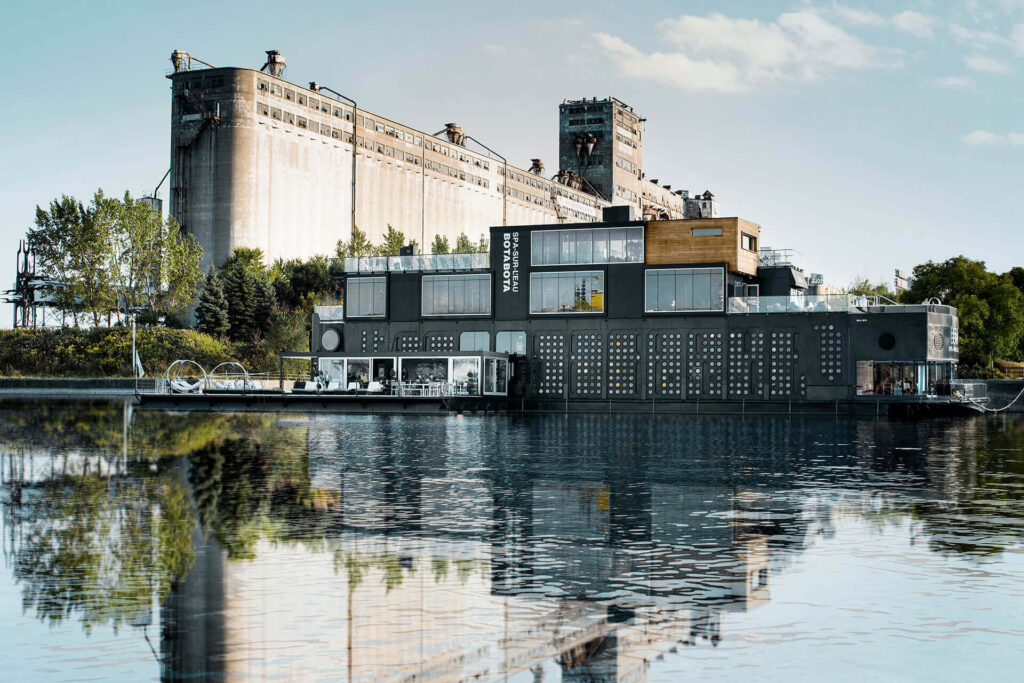
Once at Bota Bota, a spa on a tugboat, in Montreal’s Old Port, I had a surreal experience: a massage choreographed to the strains of harp music. A harp was set up beside the treatment bed; the harpist strummed and the therapist stroked!
Another time in South Africa, at the Fordoun Spa in the Kwa-Zulu Natal Midlands, I had my fortune told by Dr Elliot Ndlovu, a director of the Spa and the in-house sangoma (zulu spiritual healer) and Inyanga (medicinal healer). He shook a leather pouch of ‘bones’ (bits of shells, jaguar and crow’s teeth and the odd animal bone) onto the floor, peered at them intently and then divined my future.
Favourite museums in the world?
I was dazzled when I stepped into Treasury of National Jewels in Tehran, Iran. The treasures on display were breathtaking: my favourite was a jewel-encrusted globe. I’ve read that it was commissioned by Nasseridin Shah, in the 19th century and made from thousands of precious stones, including rubies, diamonds, emeralds and pearls.
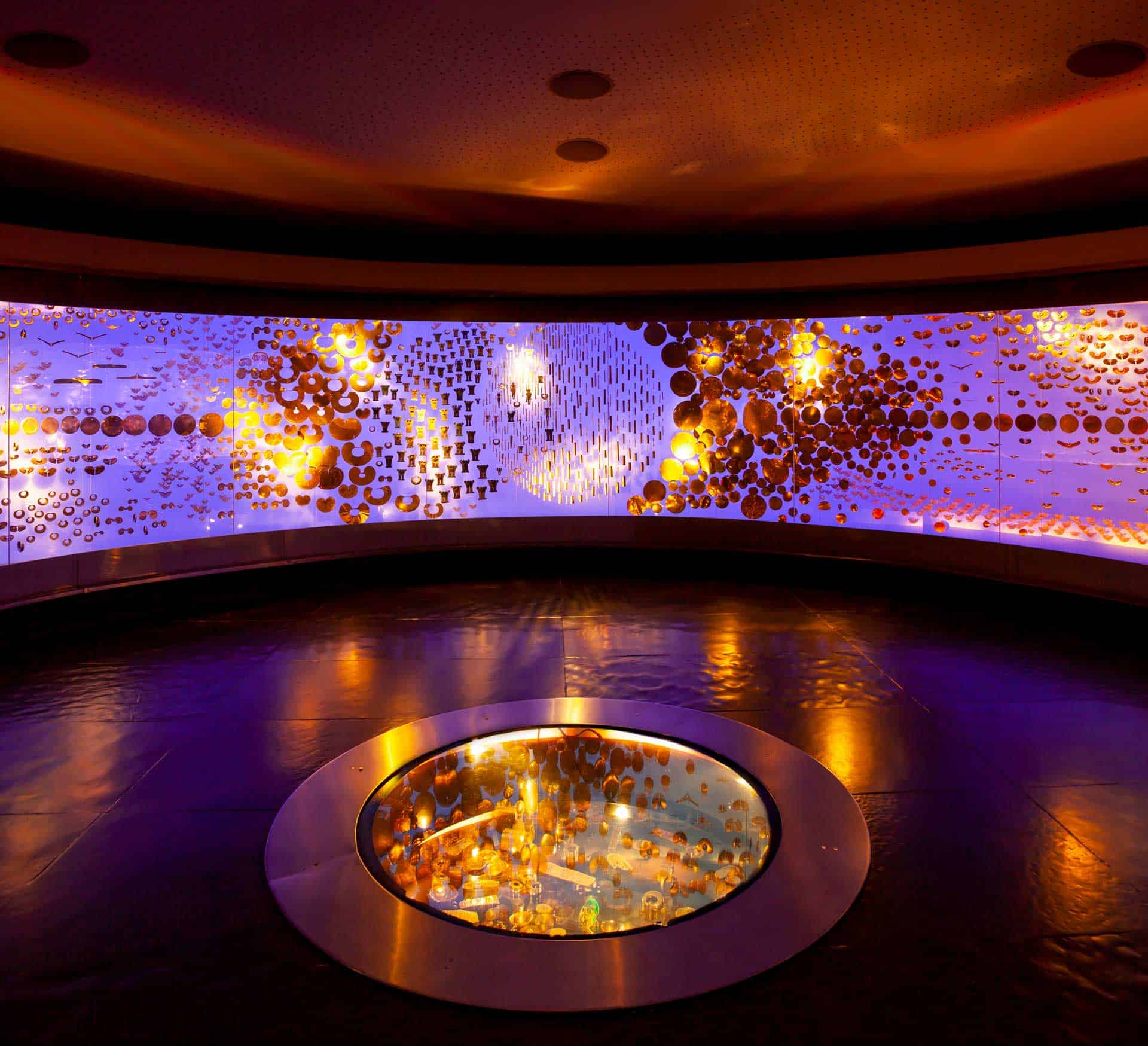
Bogota’s Gold Museum blew me away too. It has an enormous collection of gold artifacts (the biggest in the world) created in pre-Hispanic times. Many were used in the rituals of the indigenous peoples who inhabited Colombia before the Spanish invaded. As part of the Muisca tribe’s accession rites, for instance, a new chef was anointed in gold dust and sent on a raft into a lake, into which he’d hurl gold pieces as an offering to the gods. A tiny raft, made of fine gold, a model of the ceremony, was my favourite bit of the collection.
In London, I love the Victoria & Albert Museum. Sometimes a pianist performs in its opulent café, with its grand arches, ceramic tiles and walls, oak panelling and stained- glass windows. The café is a work of art in itself!
Favourite hotel, anywhere in the world?
One of the most beautiful hotels I’ve ever stayed at is Hell Bay Hotel. It’s on tiny Bryher Island, part of the Isles of Scilly. The rooms are cottage-style, with a coastal, pastel vibe and look out onto a lagoon, though you get glimpses of the sea beyond. The owners are art collectors and I distinctly remember sitting in the lounge, shortly after arriving, swivelling my eyes from the crashing of the waves through the windows to the striking paintings on the wall and back again.
Travel splurge you’ll never regret?
When I met Mother Teresa in Calcutta, many years ago before she became a Saint, she blessed and gave me a small icon. I’ve cherished it ever since. I also love going to supermarkets when I’m abroad, scouring the shelves and snaffling ‘everyday’ treats. That’s a lot of fun.
Your thoughts on making travel writing more inclusive?
At the heart of any travel literature is a journey of some kind. But why must this be a journey undertaken through choice? Asylum seekers, for instance, flee their homelands and make perilous journeys in search of safety. Is this not travel? Why are their tales not on the travel shelves?
The issue of visa privilege and how it limits would-be travel writers goes largely unacknowledged in the genre. (In Travelling While Black, Nanjana Nyabola looks at what it feels like to move through a world designed to exclude you.) I’d love to see more travel narratives written by people (and especially, women) from the global majority. I’m bored of books written by men who go off on testosterone-fuelled journeys, men who revel in conquering landscapes or who are eager to emulate their colonial-era heroes.
How do you balance being present versus note-taking?
My work is quite desk-based at the moment. But on my travels, I’ve always frantically jotted down notes as I’ve gone along; details of what I’ve seen, heard, smelled, touched and tasted. I have no trouble remembering how I’ve felt; it’s the details of my surroundings that I can easily forget. Every evening I’ll endeavour to write up my notes properly, while the day is still fresh in my mind.
Dream vacation, not yet fulfilled?
A road trip along California’s Route 1 – the coastal route (I think I’ll wait for the Trump administration to exit first, though!) Also, I’d love to experience Mexico during the Day of the Dead festivities.