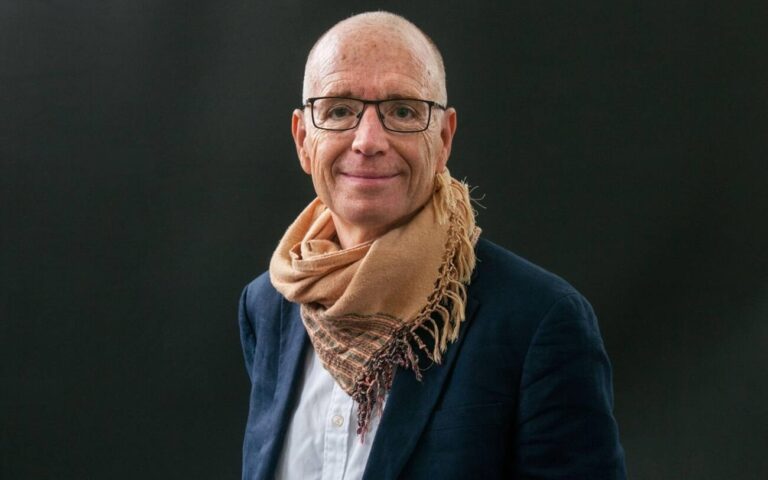
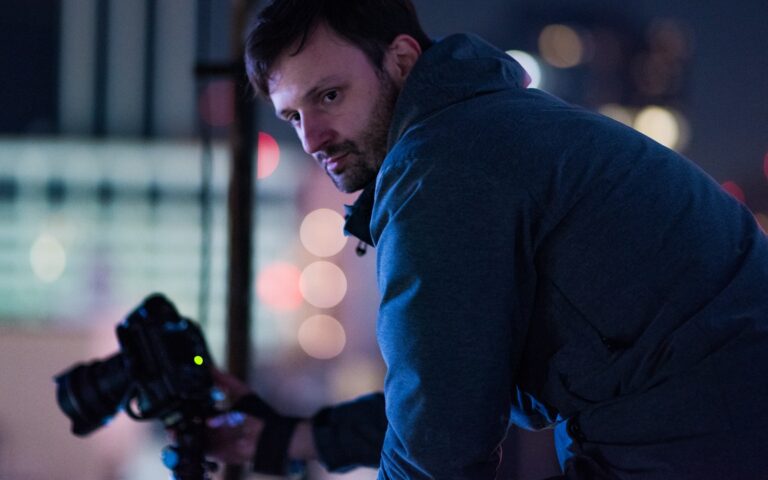
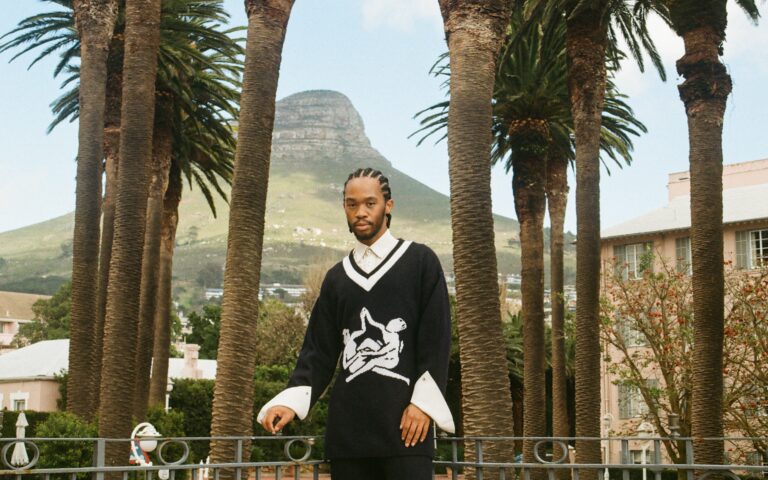
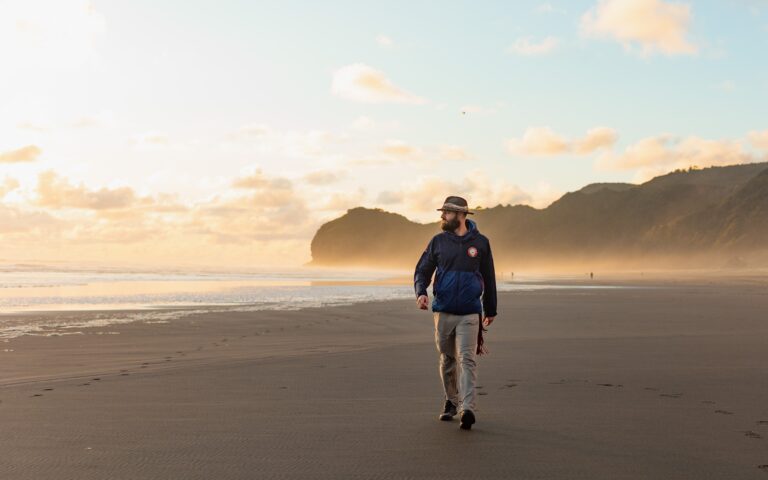
To follow the career of chef Patrick Leano is to trace a map of the world’s most thrilling appetites. Born in Calgary, Canada, of Filipino descent, Leano cut his teeth in the competitive kitchens of London, Hong Kong and Shanghai, before his move to Singapore. Turning out delectable plates at lauded and Michelin-listed establishments like London’s Osteria and Arbutus, to helming Shanghai’s Coquille and Scarpetta and Hong Kong’s Mandarin Oriental’s the Grill, the globe-trotting practitioner of fire, flavour and finesse is now the Group Chef at the famed Michelin-starred Burnt Ends, Singapore.
Here Leano is credited with pushing its kitchen into fresh realms of innovation while respecting its open fire BBQ DNA. His most famed dishes, like the smoked kingfish ceviche, can be twists on Filipino classics or reworked Burnt Ends staples. Outside the kitchen, he is a constant explorer of flavour in Singapore and beyond, from neighbourhood hawker gems to off-map finds all across Asia. Leano’s life has been a masterclass in building flavour. Take a seat. The best is yet to come.
What is your food philosophy?
For me, it’s not really that complicated or convoluted. I’m a believer in great ingredients, cooked as simply, and resulting in super tasty.
Your favourite local bars and restaurants in Singapore?
Live Twice is a cool, cult cocktail bar housed in the ground floor of a 1930s heritage shophouse and takes you back to mid century Japan. I also like Sago House, a bar that spawned during the pandemic years, and built largely by hand from upcycled materials.
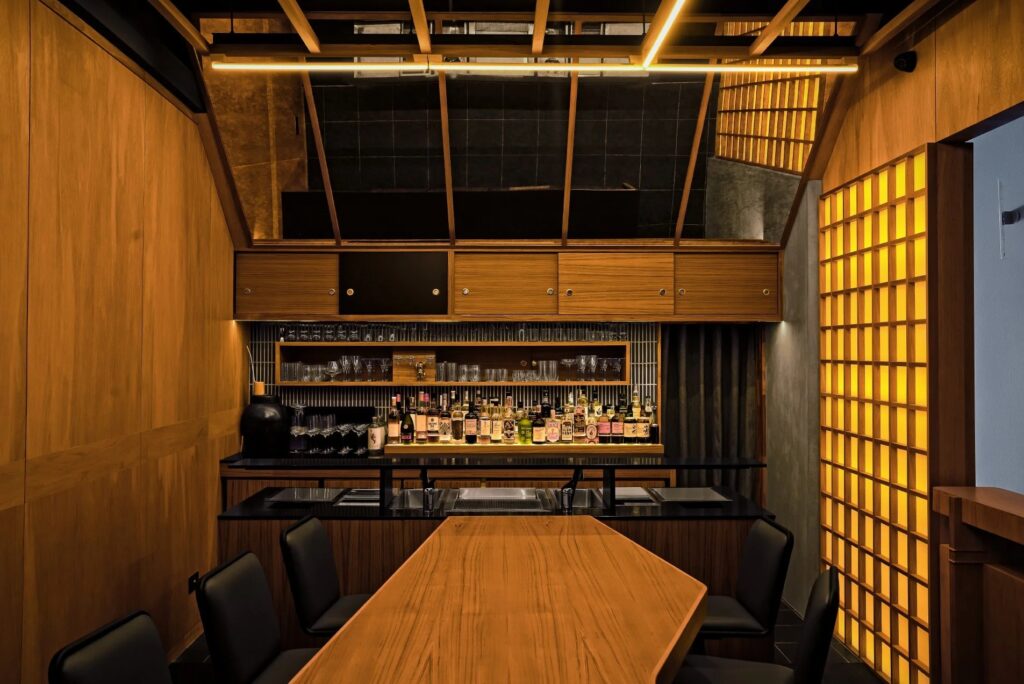
Offtrack serves fantastic cocktails and pan-Asian food in a nice 80s vintage setting. Meanwhile Le Bon Funk is a great spot for great and natural wines, Kotuwa is the go-to for innovative modern Sri Lankan food and cocktails. Whereas for really casual and classic food stalls, I go to Da Dong Prawn Noodles (its been around for 50 years) and Mr and Mrs Moghan Crispy Roti Prata.
Best and worst things about a chef’s lifestyle?
The best thing really is the creativity and constantly creating new dishes and working to always source the best ingredients. Meeting new guests and interacting helps me to remember what hospitality is all about. And the worst thing is working the unsociable hours, it’s been said many times before, but that’s the truth.
Local hidden gem?
Hmmm. it would have to be KEK, the black pepper crab and claypot pigs liver are just amazing.
Some of your favourite dishes at Burnt Ends and what makes them special?
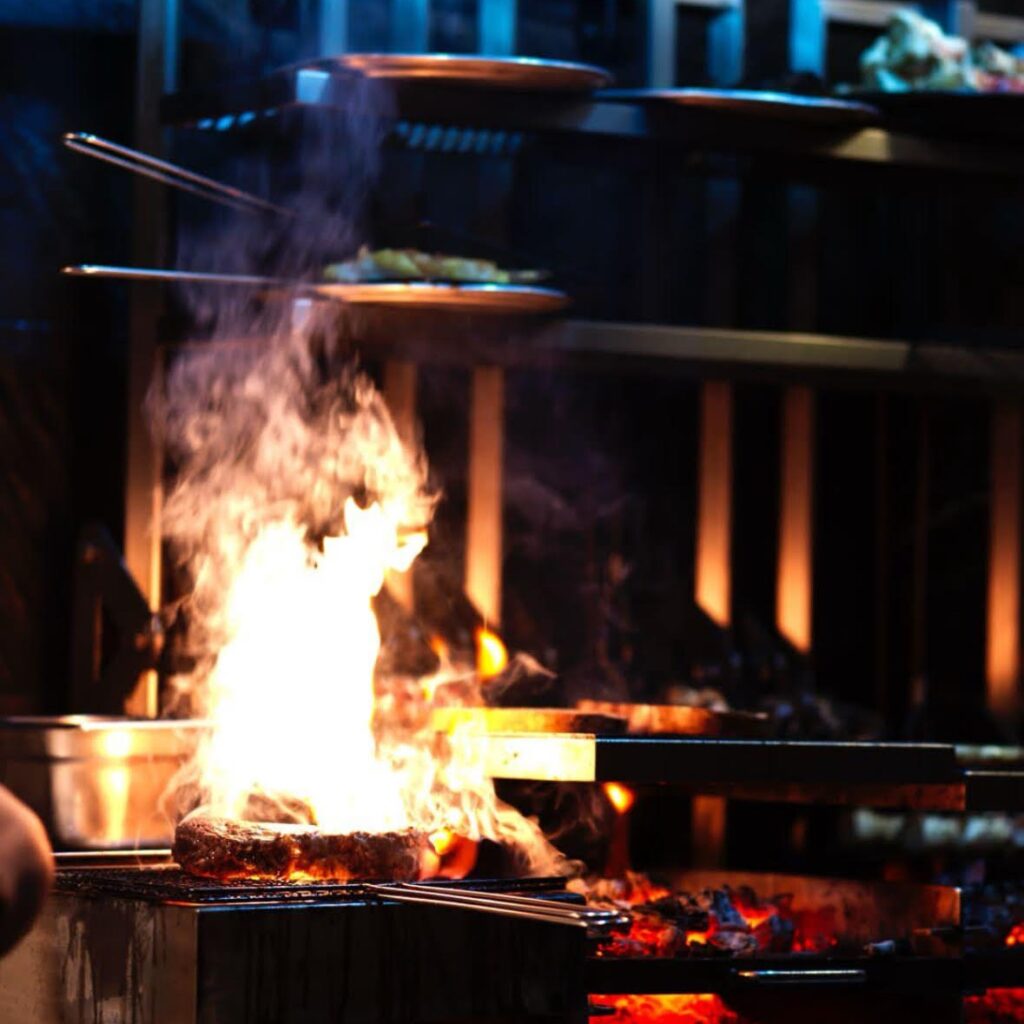
If I had to pick one, I’d say its the smoked quail egg and caviar: so special, it sums up who we are, simple and luxurious.
Health or wellness routine you now swear by?
I’ve been on a bit of a health kick lately but I would say that doing an after work walk or run is really important and eating 3 meals before doing dinner service.
Apart from the palettes and cuisine, what are the main differences cooking in Asian kitchens versus Western ones?
The techniques are very deeply rooted within each culture and obviously the quality of ingredients and as well preservation techniques are different due to weather and climates. I am however very intrigued by the butchering techniques of Asian cultures, the Chinese and Japanese have different cuts of beef and ways of cutting, than North America for example.
Favourite bars and restaurants in your old home, Hong Kong?
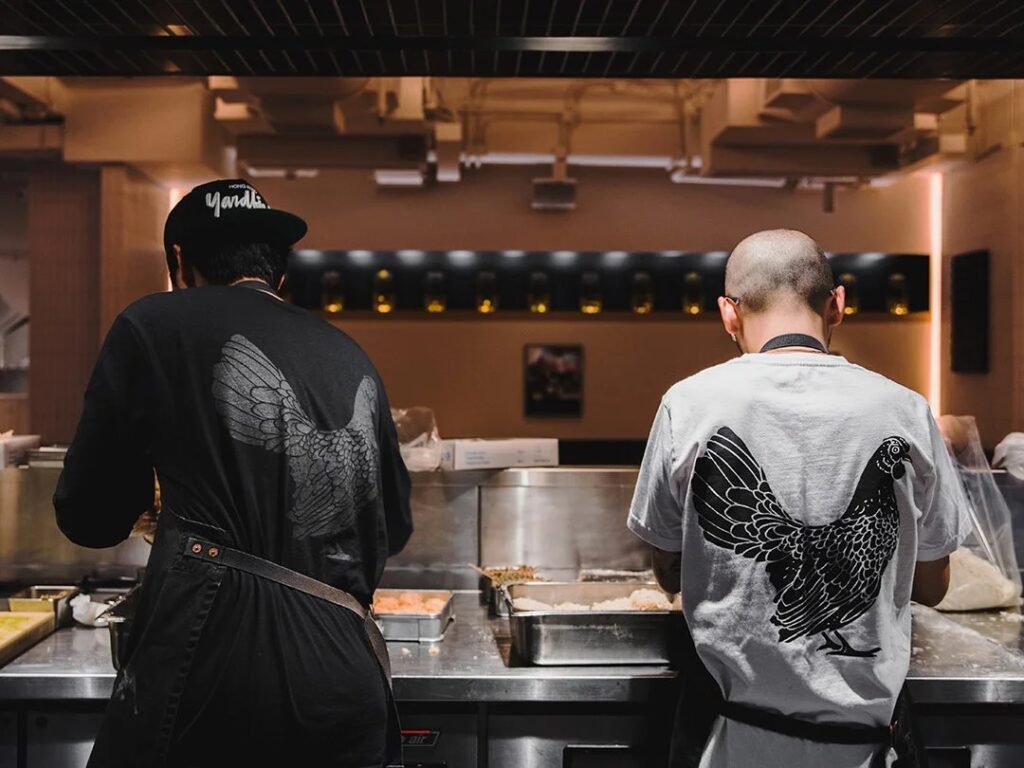
The Hong Kong foodie scene has been exciting for years, I love Yat Lok for the goose, Yardbird, The Chairman which does really great Cantonese fine dining, and Chef Vicky Chen’s Wing. As for the bars, I’m partial to the cocktails at The Quinary on Hollywood Road, also close by there in Sheung Wan, Coa. Finally, I enjoy Bar Leone, which just topped this year’s World’s Best 50 Bars list.
Tell us about discovering different flavours on your most recent travels?
I just visited Penang, Malaysia, and it was a great, enjoyable cuisine culture shock. I really enjoyed the mix of Cantonese, Malay, Indian influences on the food there, the city has such a deeply rooted culture and nods to heritage when it comes to cuisine.
Your top 3 food cities in the world and why?
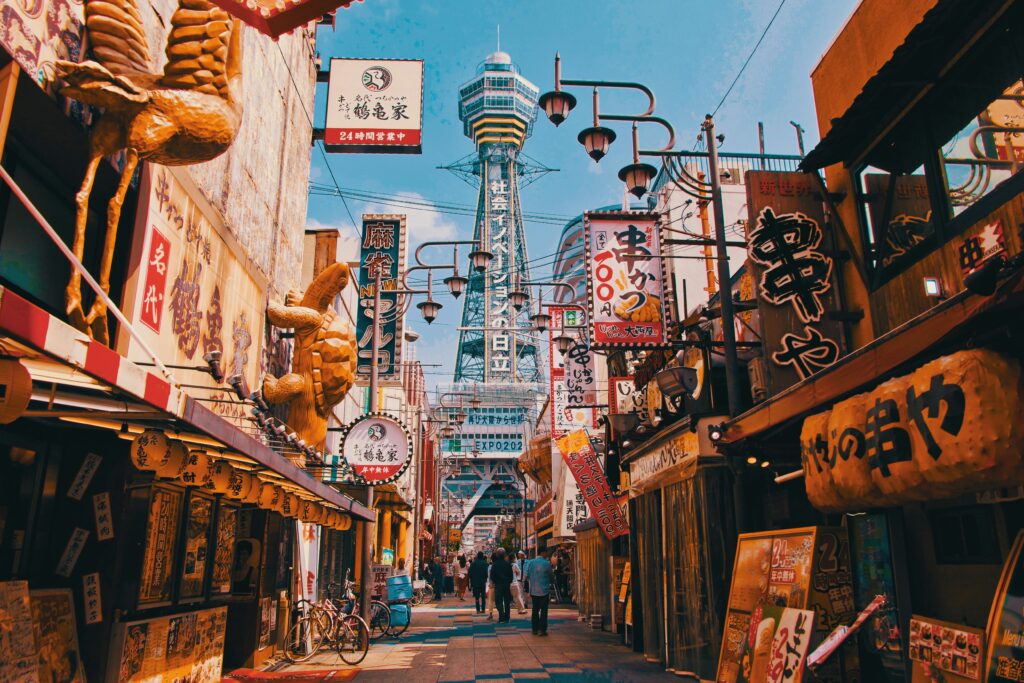
Thats a tough one. Hong Kong has a very diverse food scene, that encompasses both East and West, which I really like. I also really love Florence for its focus on ingredients and produce. And then there’s Osaka, which has such a fun and playful food culture that it always feels news and innovative.
What did working in kitchens around England teach you?
It taught me to focus and be tough. The hours were long and demanding, but the whole experience taught me to be patient and develop consistency through repetition.
You’ve specialised in many types of global cuisines, would you ever deep dive into heritage with Filipino cuisine as the fine dining scene there has changed so much?
I know of Filipino flavours, but fundamentally right now, I lack the skills of tradition that would help me understand the cuisine properly.
When visiting the Philippines: city life or island life?
Island life – beaches! they help teach you to balance away from such a high pace environment to one of peace
Travel splurge you’ll never regret?
Staying at the Ice Hotel in Sweden. Just very surreal, and so cold, ha!
Favourite hotel, anywhere in the world?
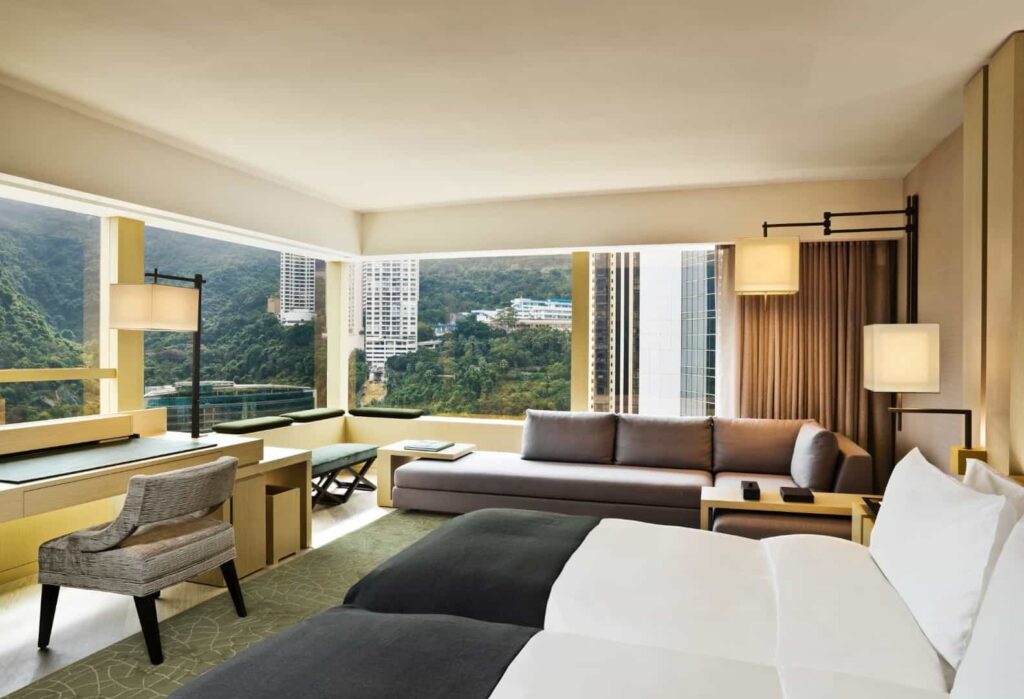
The Upper House in Hong Kong. It’s just so super luxurious and comfortable, and the staff are exceptional, very hospitable.
Where do you go for pure escapism and where do you go for stimulation?
I go to the mountains for pure escapism, it gives me a very Zen feeling just to see the landscape and also to escape from all the noise. To get stimulated, I will travel to a big city: New York, London, Tokyo or maybe somewhere new to be enriched in cultured energy. For a creative reset, I like taking short weekend breaks, whether it in Europe or Asia, any new place I go to, and it could be for food or just tourism, it always opens your eyes to something fresh and inspiring.
Dream vacation, not yet fulfilled?
Travelling and exploring Central and South America, its been on my list since forever, but I’ve never found enough time to go.