To Chris Newens, Paris is less a museum of past glories and more a living, breathing appetite. The award-winning writer has spent years navigating the city’s streets – not just the manicured boulevards, but the visceral corners of its many arrondissements. By documenting the capital through its micro-neighborhoods and ‘blood-and-guts’ history, Newens has mastered the art of finding the extraordinary in the everyday act of eating.
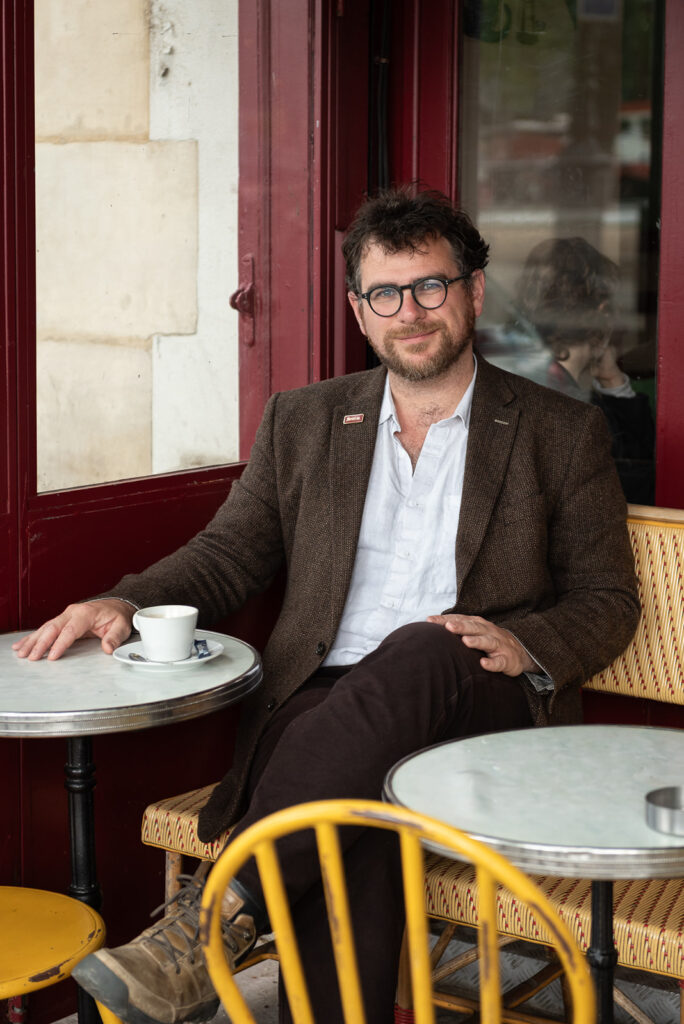
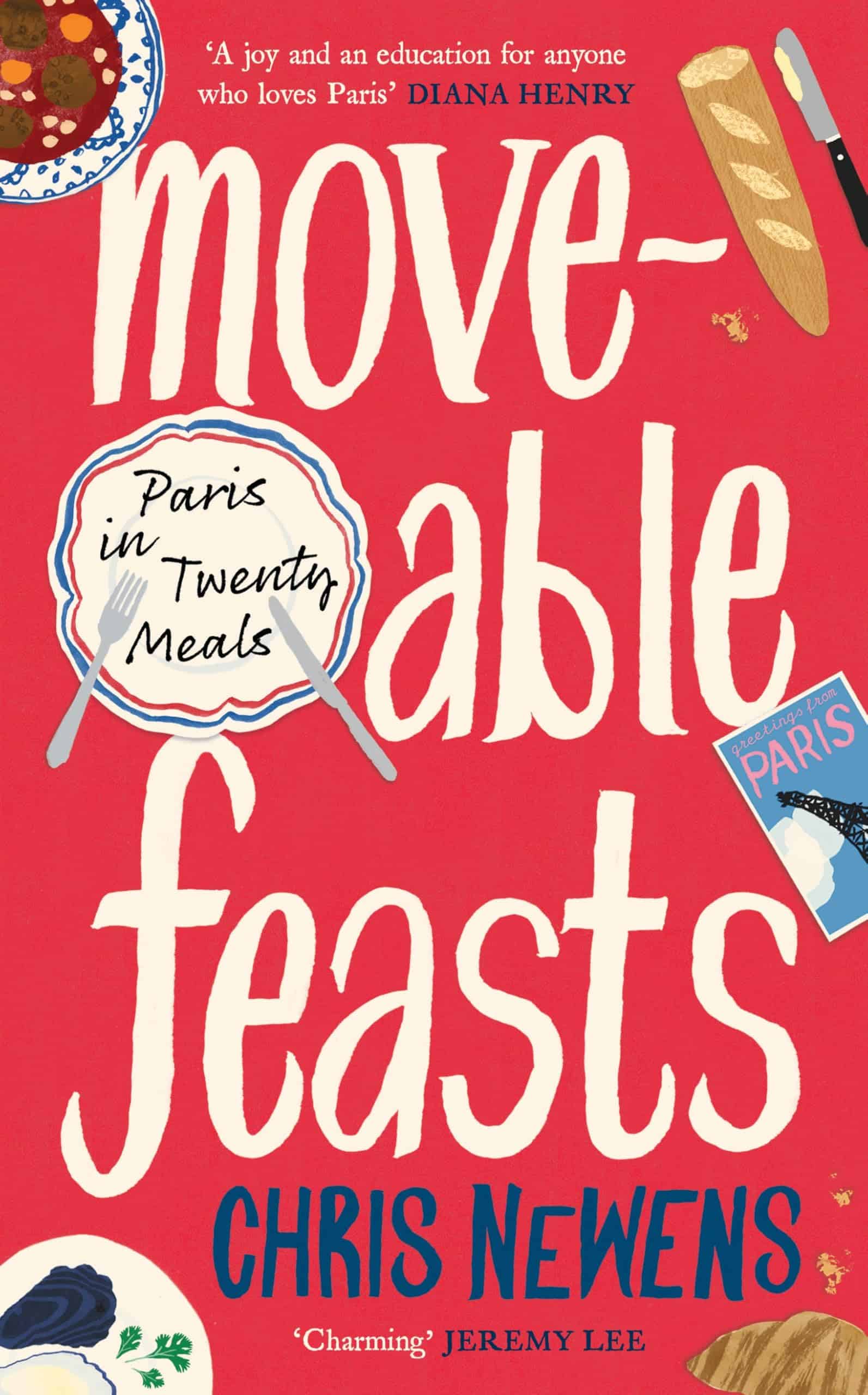
His recent book, Moveable Feasts: Paris in Twenty Meals, serves as a culinary map, bypassing tourist traps in favour of true cultural immersion. Whether he’s decoding the legacy of a neighbourhood slaughterhouse or recreating the perfect bistro dish in a cramped kitchen, Newens maps a Paris that is exactly as Ernest Hemingway defined it: an evolving feast, defined by the people who cook it.
What inspired you to map Paris through 20 specific meals?
I wanted to learn more about the city I’d been living in for over a decade, and food felt the best way of doing that. Not only do I have a background in catering – my family ran the same restaurant and tea rooms in London for 160 years – but food more generally is one of the most instantly intimate ways of getting to know a place better. Then, when I chanced upon a bunch of Belleville barflies discussing the most typical dish of their arrondissement, I realised I could apply the same logic to the other 19 districts of Paris.
Which of the 20 districts was the hardest to define with one dish?
None were especially difficult to choose a dish for, though I think define is a big word. The deeper you delve into Paris the more you realise there is to discover. Any arrondissement, even the 13th, which is home to the largest Chinatown in Europe, could be represented by a whole multitude of dishes.
This said, what I tried to keep in mind throughout, was also drawing a portrait of Paris as a whole. It seemed important, for example, to say something about food eaten by tourists in Paris, or by bourgeois families, or by its north African migrants. Some arrondissements lend themselves to talking about these food types better than others, and that, rather than trying to offer the definitive take on specific localities usually led my decisions.
Which global cuisine is currently making the biggest impact on Paris?
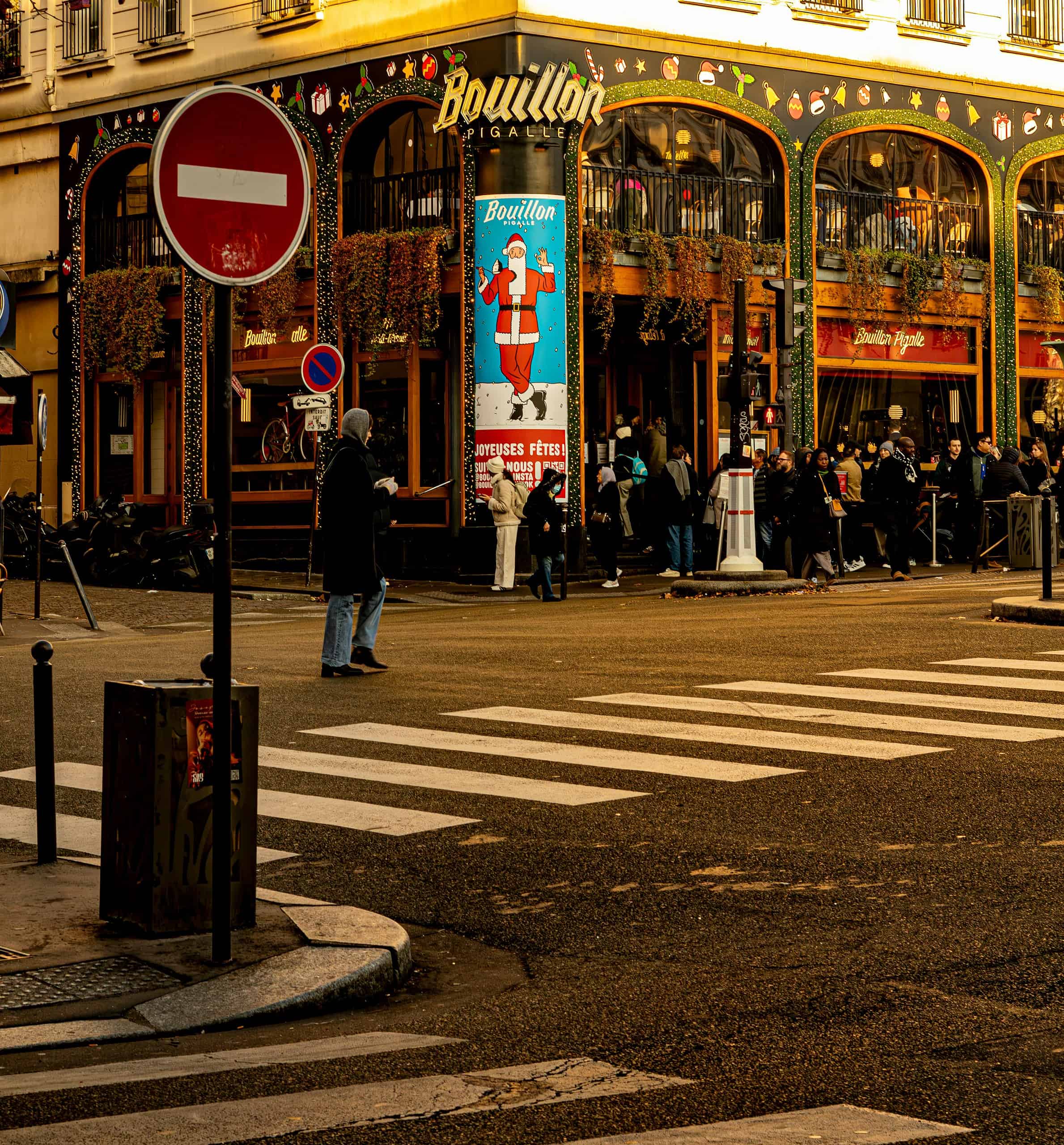
Food trends in Paris tend to be a little more subdued than they are in other global cities. Of course, there’s always some new buzz, but by and large the old places tend to go on unaffected. Indeed, the biggest culinary impact I’ve seen since coming to live here has been in the resurrection of bouillons: enormous, cheap restaurants that actually concentrated on serving bistro dishes and re-enthusing Parisians with traditional French cuisine.
Does your background in theatre influence how you view a restaurant ‘performance’?
I don’t think directly, but the connections are undeniable. Not least in the way how in both, everyone is working together as part of a team to create a single experience for the punters. I’m also aware that a good restaurant is about so much more than just the food on your plate, it’s also about the set design, the atmosphere, and timing; all things you can find in theatre as well.
How does your time in Normandy contrast with your culinary life in Paris?
So, I’ve been visiting Normandy since my childhood, and the main difference in the food there tends to be the affordability of quality produce. In Norman markets, you’re still much more likely to find people selling directly from their farms with all the seasonal abundance that implies. I also tend to eat far more fish in Normandy, as is normal whenever you get closer to the coast.
Best place in Paris to find an authentic, non-tourist bistro experience?
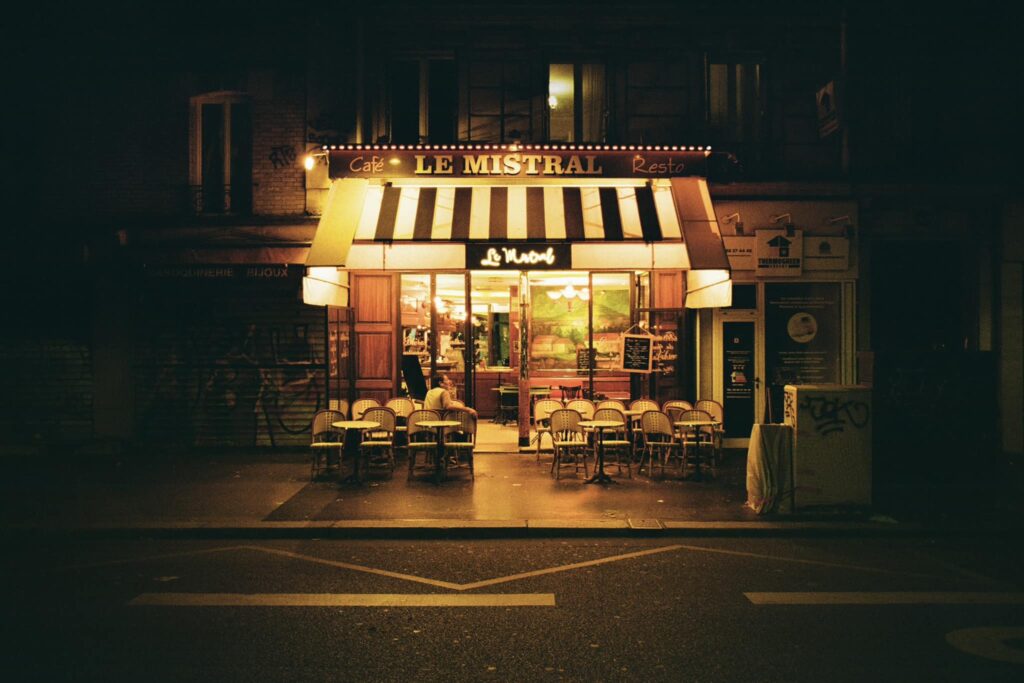
A lot of places in any of the arrondissements higher than 8, and plenty within them too. Le Mistral in Belleville, which also happened to be where I started my adventure, is a pretty solid bet. Founded in the 1950s, it specialises in food from France’s Aveyron region (which if you read my book, you’ll learn was once the traditional food of all Paris bistros), and always has a solid cast of local characters propping up its copper bar.
Favourite local restaurants in Paris?
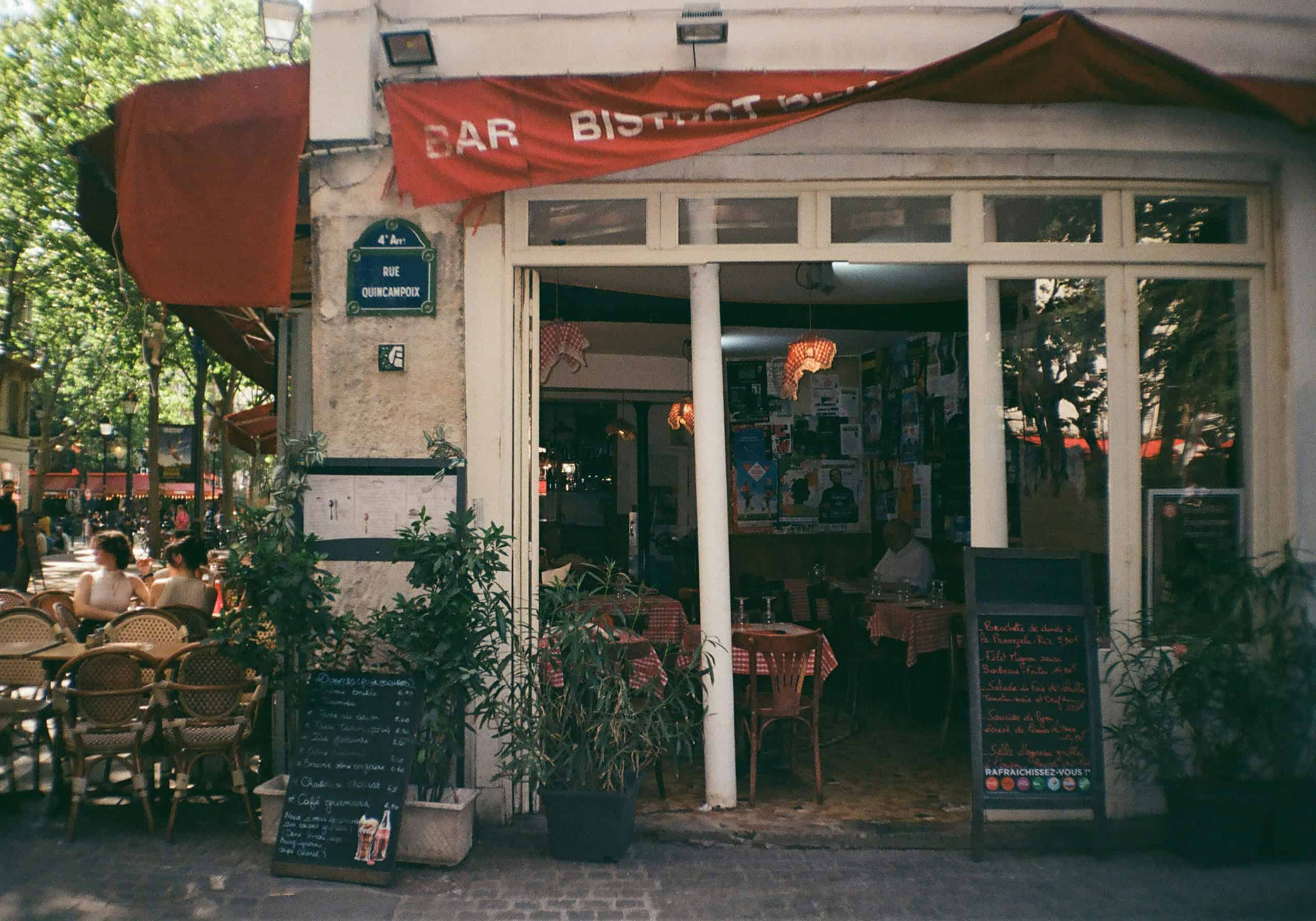
There are so many good ‘local’ restaurants in Paris, it feels misleading to pick just a couple. Really, the key word here is local. The places I go to most often, genuinely are less than five minutes’ walk from my front door (if I have to give their names: Le Bastringue, Chamroeun, and Les Bancs Publics). My point, though, the best way to find great local restaurants is to explore the area near where you’re staying. Look for bistros that have hand-chalked menus, set serving hours, and a limited selection of different dishes.
Local hidden gem?
OK, contrary to what I just said above, an incredible, relatively ‘hidden gem’ that I’ve recently discovered in its full glory is the Marché d’Aligre. It’s a 19th century covered market in the 12th arrondissement, which as well as selling incredible produce in itself provides to many of the restaurants and bars that surround it. The whole area is a slice of relatively undiscovered ‘old’ Paris where you can find remarkable, homecooked food.
Best local bars?
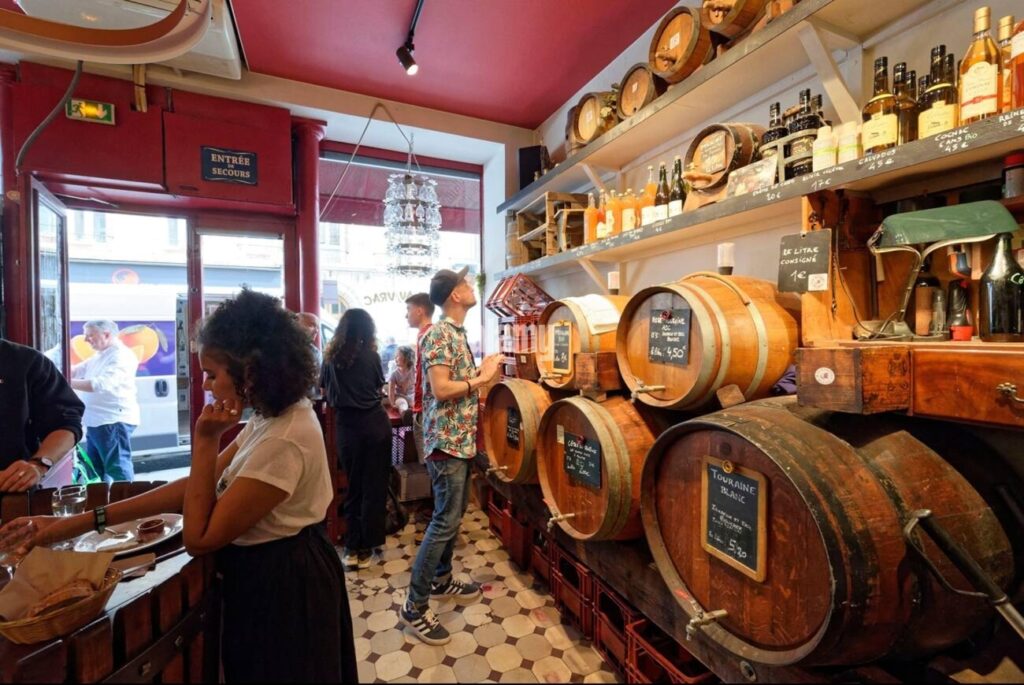
I’m a fan of dives where local colour, good conversation, and inexpensive drinks take president over polish. Au Chat Noir in Oberkampf, for example, which has an atmosphere somewhere between a very casual office, a social club, and a house party depending on the time of day. Or there’s Le Baron Rouge, an old fashioned wine bar in the 12th, with its vast selection of different wines by the glass and extraordinary market-bought bar snacks to pair them with.
Most inspiring city for writing you’ve visited lately?
Well, Paris, obviously. But beyond that, I’d have to say Venice, the sheer improbability and peerless beauty of which pose me so many questions – namely, how could somewhere like this exist – every time I go. And answering questions is what I turn to writing to do.
Where do you go for pure escapism?
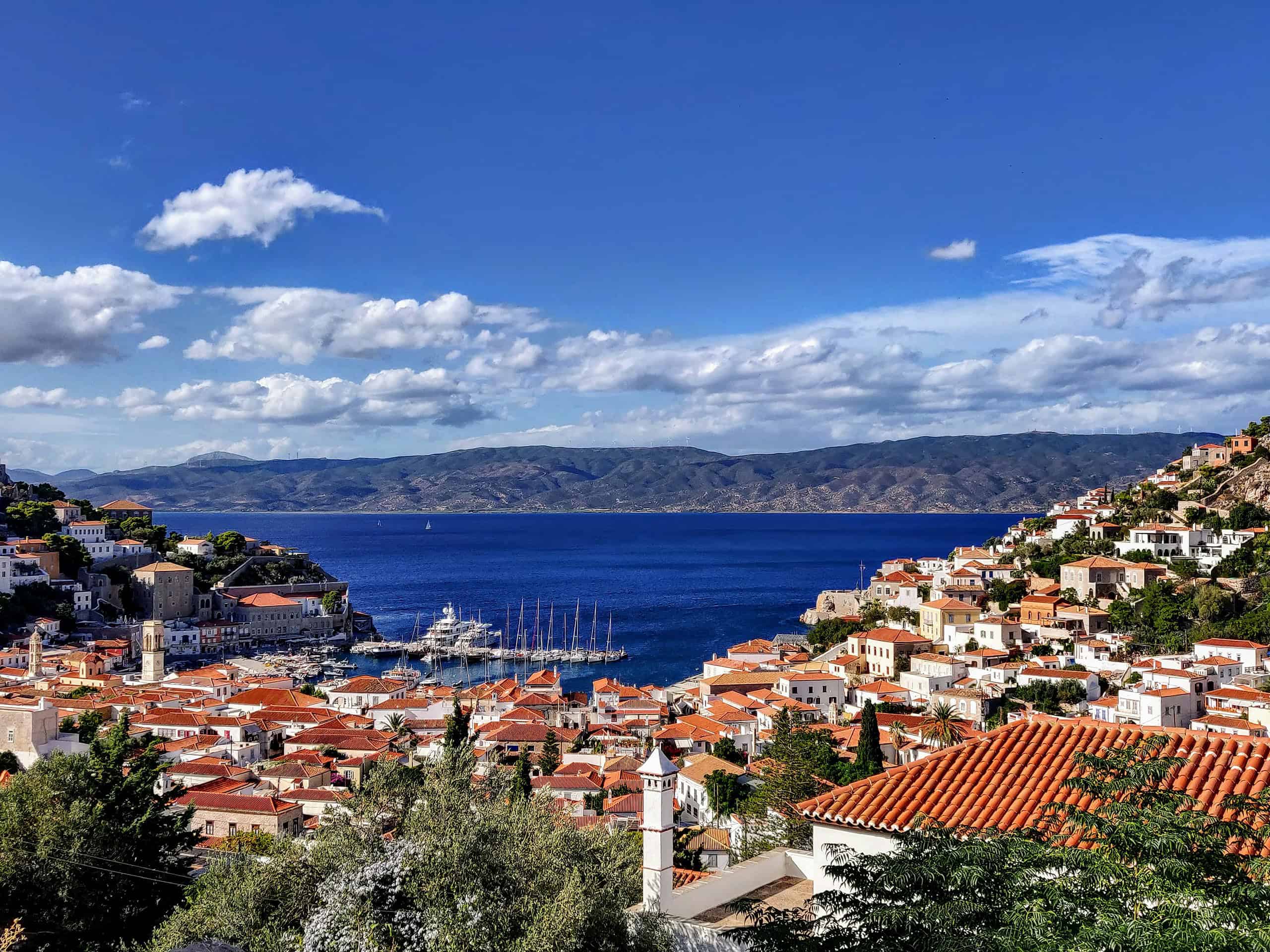
I’m not really big on escapism, but sometimes my wife convinces me to go to the beach. We went to Hydra last spring, the carless Greek island just south of Athens and former home of Leonard Cohen, and I can honestly say it’s as close to paradise as anywhere I’ve ever been on earth.
And where do you go for stimulation and creative energy?
I love a long hike, not least because it gives you a lot of time to think. I’ve walked all over France, Italy, and the UK, but some of the cheapest and easiest-to-plan walking holidays I know in Europe involve joining up with sections of the Camino in Spain. Your accommodation, route, and food are basically all sorted, and there are plenty of people to chat to at the end of a long day. A couple of years ago I walked the Primitivo route through Asturias, which had the added advantage of being jaw-droppingly beautiful, as well.
Where do you go when you need a creative reset?
For a walk in Paris. It’s a cliché, but even after years living here there’s always something new to see, or to see again as if for the first time. Paris is sort of like the best kind of open plan video game for creatives, you can head in any direction and be certain to find something inspiring, eccentric or beautiful, and then, when you’re recharged there’s always a good café waiting for you to pop into and work.
Favourite hotel, anywhere in the world?
Hotels don’t play a massive part in my life. I’m usually more of a camping and couches kind of traveller. This said, last summer, I stumbled up at an old country pub in deepest Devon called the Northmore Arms. The rooms weren’t too much to write home about, but the atmosphere of the place itself was second to none.
Within, no time, I felt like part of the furniture, chatting to local lords, visiting Buddhists, and a whole cast of eccentric characters beyond. The sort of place it’s hard to imagine existing in modern Britain, I’m dying to go back in winter, when they light the fire (after clearing the chimney with a shotgun).
Your top three museums?
A bit basic, but I’ll start off by saying the Musée d’Orsay. Every time I go in I’m struck by the almost gauche density of 19th century masterpieces it contains. It’s like a Pinterest board explaining Impressionism, but to the point that you can’t quite believe the paintings you’re looking at are the actual originals; that so many should share not just the same gallery, but the same room!
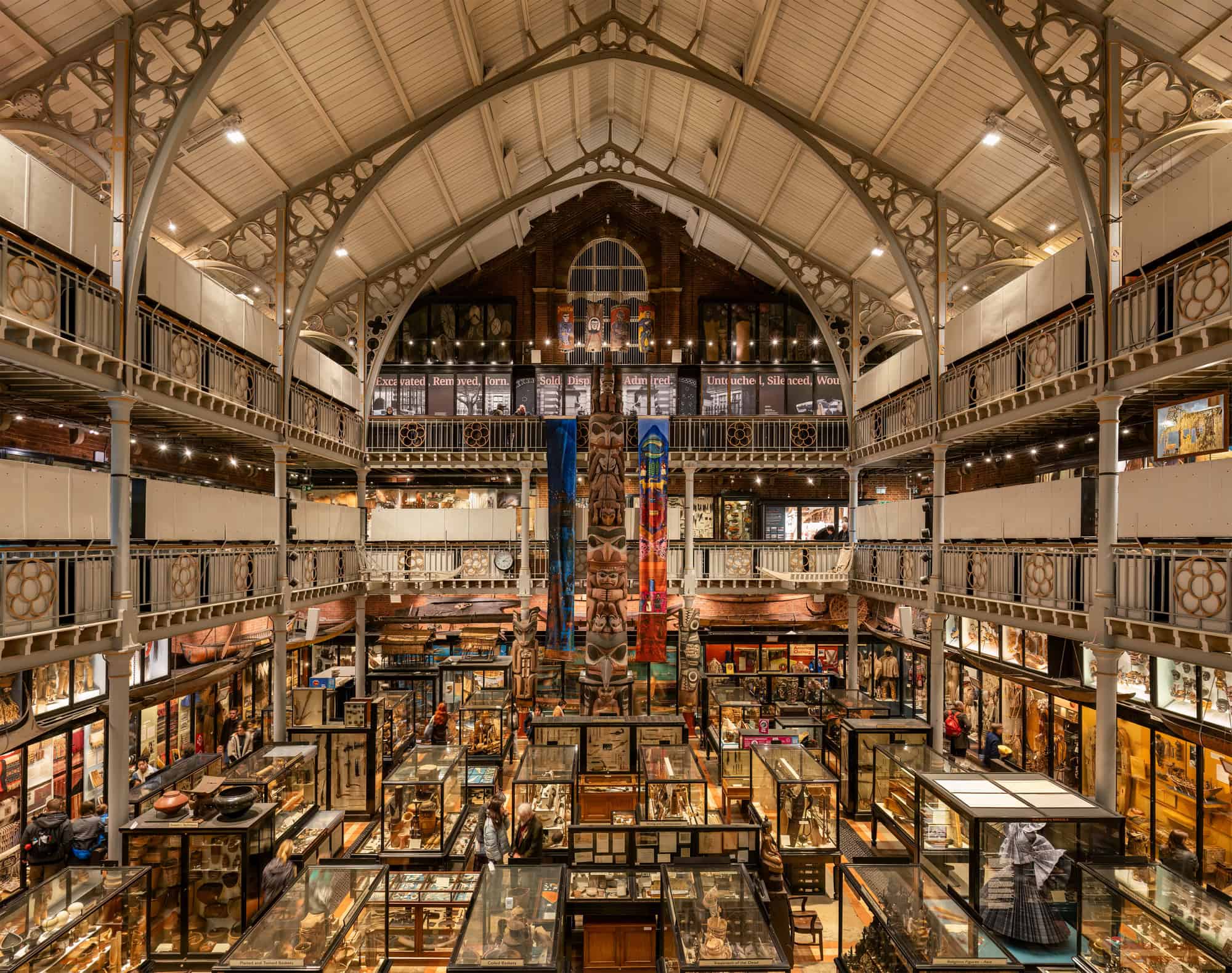
Beyond that, I’ve long had a soft spot for the Frank Gehry designed LUMA in Arles, thanks both to its incredible building and the way it’s really become an engine for art in the local area; and the Pitts Rivers Museum in Oxford, which is basically a giant curiosity cabinet of human culture. It’s arguably very dated, but nevertheless great for inspiring wonder.
What’s always in your carry-on?
A book. Or two.
What was the most challenging dish to recreate in your own kitchen?
Without a doubt, the croissant, which was kind of the point. I don’t know if you’re aware but making a croissant well is extraordinarily difficult and takes an absolute minimum of twelve hours start to finish. There’s the dexterity required in the handling of butter and pastry, plus a lot of careful controlling of temperature and environment. It’s close to a miracle how many perfect ones are sold from the counters of Paris boulangeries every single day.
Travel splurge you’ll never regret?
Off the top of my head, going for dinner in Chez Paul, one of the poshest restaurants in the Les Goudes area of Marseille. The reason I won’t regret it, though, is precisely linked to how much I thought I was going to regret it at the time.

To get to Les Goudes from central Marseille, you usually take a couple of boats, but it was bad weather and the second one had been cancelled, and suddenly we were stranded in the pouring rain, searching for a very expensive taxi to take us to this very expensive restaurant. Chez Paul proved so good, however, with its tables spilling out into Les Goudes fishing harbour and bouillabaisse rich as the Mediterranean night that it entirely reversed my mood.
Dream vacation, not yet fulfilled?
So many! The world’s a big place. Picking somewhere almost at random, though, Ethiopia. I’d love to see the sunken churches of Lalibela.

Best recent cookbook discovery?
The one I’ve been using most recently is Meera Sodha’s East. Lots of excellent, very follow-able veggie recipes, which make for a good break from the richer elements of Paris cuisine.
Favourite food writers or literary influences?
For food writing, AA Gill. He had a matchless way with words and an ability to pull you into any story with a single sentence. Beyond food, I’m a massive fan of the British journalist Jon Ronson. While he’s very successful, I think it’s often overlooked what a brilliant writer he is, especially when it comes to narrative drive. Really, though, there are almost too many to count.
If Hemingway were alive today, where in Paris would you take him to eat?
Ha! Screw eating, we’re going for a drink! But maybe after that I’d go to the Le Wepler on Place de Clichy, which can’t have changed much since his day. A grand café in the old style, it’s been remarkably overlooked by tourists. They sell more oysters than anywhere else in Paris, and their three course menu for 40 euros, including an aperitif and 50cl pitcher of wine is one of the best deals in town.