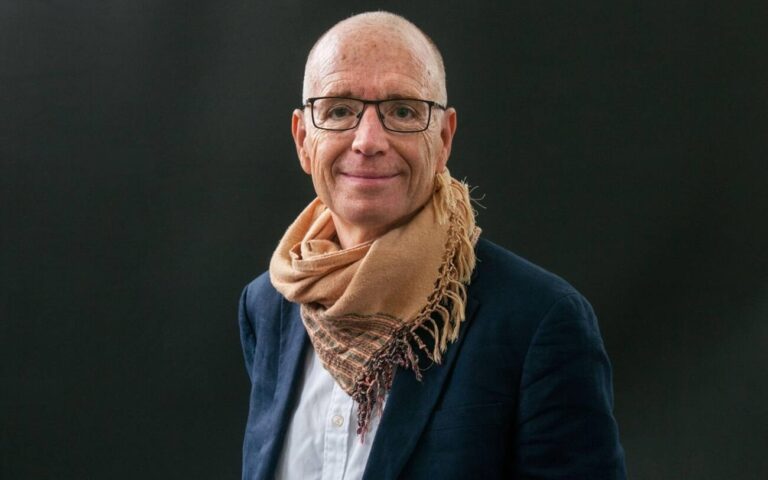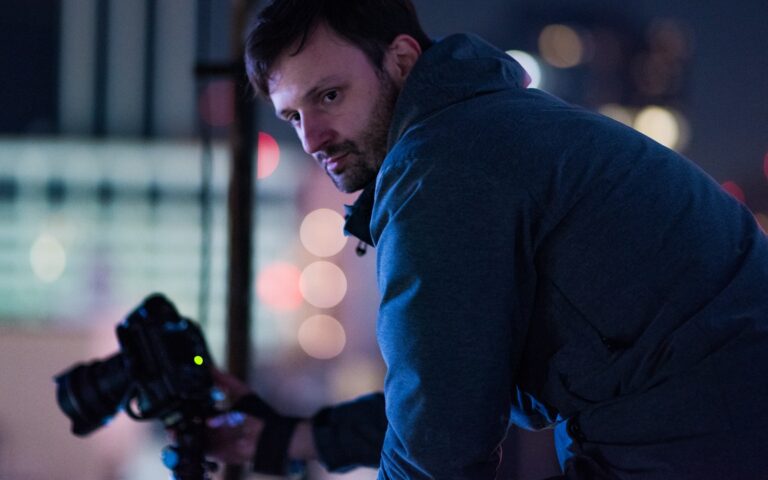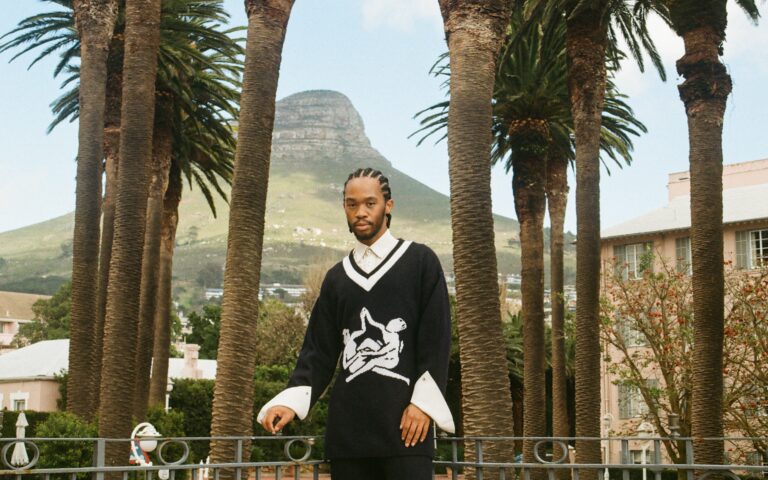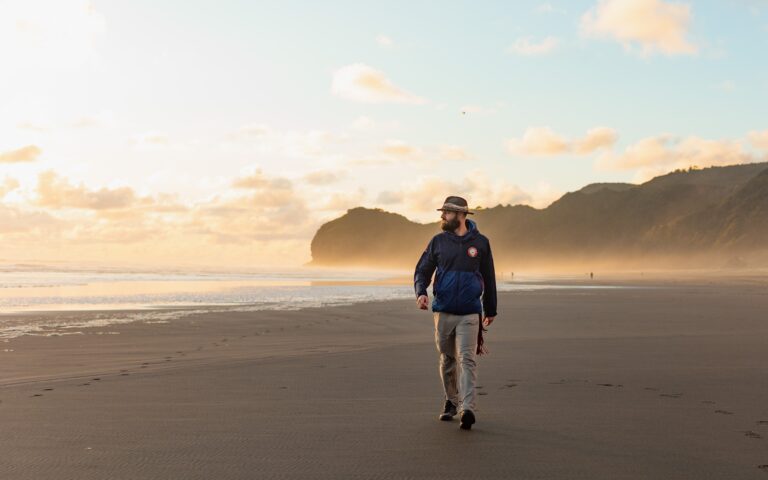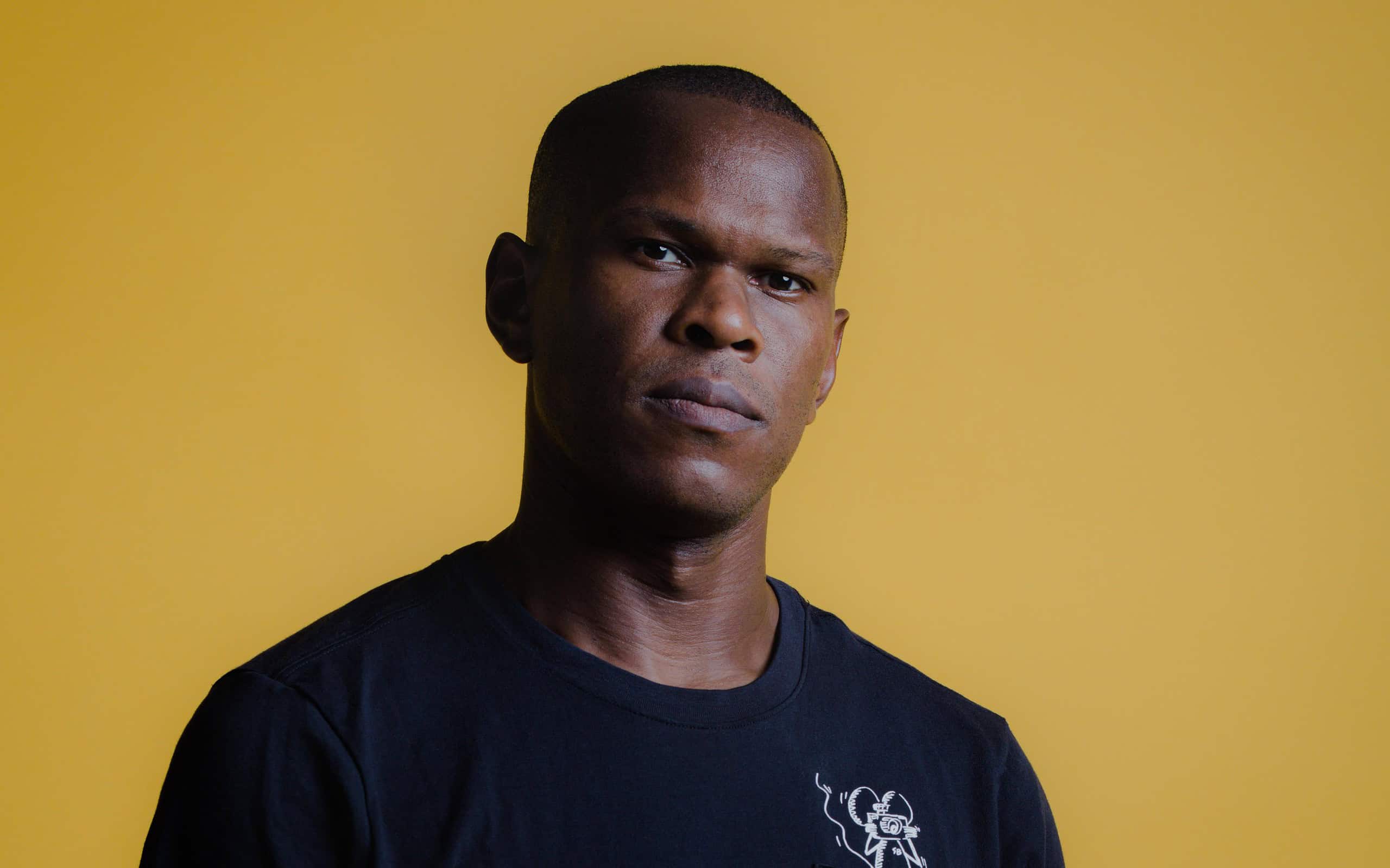
Daniel Murray belongs to the new school of global photographers: restless, cosmopolitan, and unafraid to disrupt expectations. Born in London to Jamaican parents and now moving between the creative hubs of Hong Kong, London and most recently, Lisbon, Murray brings vibrancy and editorial energy to every frame. Having been based in Asia for much of his career, Murray’s portfolio reads like a visual manifesto: reportage, portraiture, events, polished editorials, and evocative travel imagery that lands in the South China Morning Post, CNN, Tatler Asia and Travel & Leisure Asia.
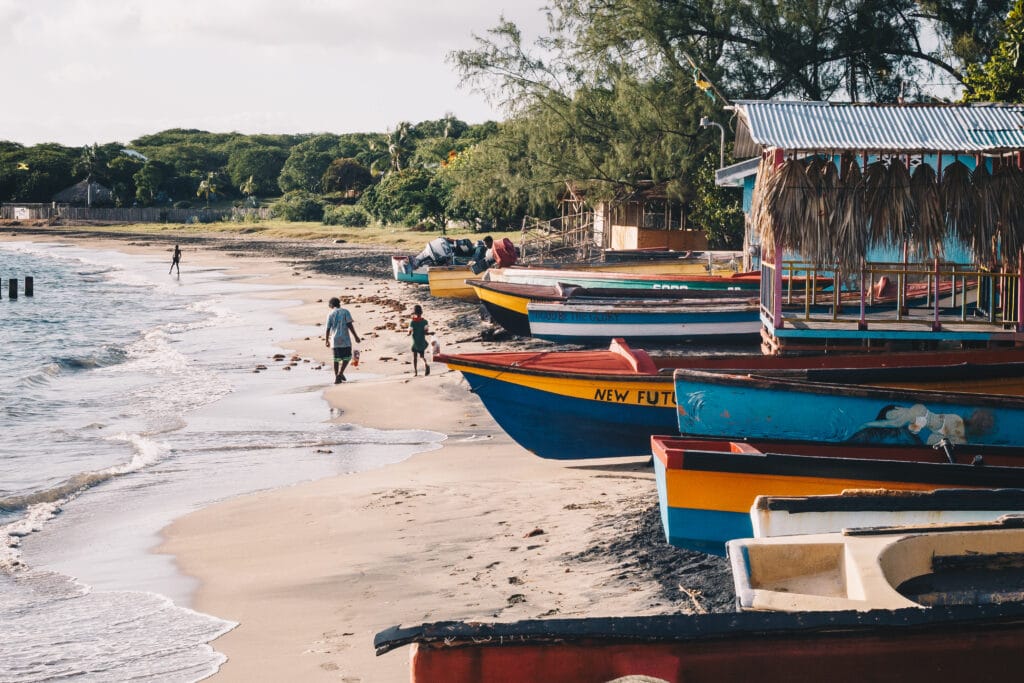
One moment, he’s crafting glossy food and interior scenes; the next, immersing himself in adrenaline-charged concert moments or faded urban streets. Murray’s reportage style aims to “capture the essence of a mood”. Collaborating with luxury, art and fashion brands, he tailors his visual narrative to client and audience alike. A love of exploration has meant that this adventurous, easygoing spirit is constantly documenting his travels. The most recent being a long road trip exploring off-the-beaten-paths and verdant landscapes of his family’s homeland Jamaica.
What has working in Asia for decades taught you about documenting cultures, people and places?
I became a photographer in Hong Kong, so in some respects it taught me everything I know so far about documenting. Coming from a country where I have experienced being ‘othered’ in certain contexts, I have a heightened sensitivity to how cultures and individuals are portrayed. Through my photography in Asia, I developed more of an understanding of some of the cultural differences that are real and beautiful, but it also made me aware that some underlying human needs – family, love, struggle – are universal. My goal in my photography shifted from merely capturing ‘differences’ to finding universal threads that connect us.
I learned the invaluable art of deep listening – not just with my ears, but with my eyes and my entire being. This meant spending time to understand where I am and who I am working with. In Hong Kong, things can move quickly, I honed my adaptability and resourcefulness to capture the moment before it passes. So much of the city has changed over my time.
Your favourite restaurants and bars in Hong Kong?
Although I enjoy the regular spots like Samsen, Yardbird, Ho Lee Fook, PiCi etc. it all depends on my mood/the situation. My favourite post hike location is: Tuen Kee Chinese Restaurant which is out next to Tai Mo Shan – it has amazing dimsum and it is the cutest spot, just don’t arrive too late as all the seats will be taken and it closes around 2pm. For hearty Hong Kong-style comfort food my go-to is Kam Tung Kitchen in Shau Kei Wan, not fancy, but the food is consistently delicious and incredibly satisfying. Their Cantonese roast meats, particularly the char siu and roast goose, are out of this world – perfectly crispy skin and tender, flavourful.
For South Indian food, it’s New Chettinad on the ground floor of Chung King Mansions, I love their tali’s, dosa’s, and masala chai. I get my Lebanese/Middle Eastern fix at Beyrouth Bistro and for African its Ghana Locals but there is a new place I need to try when I am back in town, named Afrika Kitchen. Not trying to start a Jollof war but it’s great to see another African place in the city.
Best kept secret in Hong Kong?
Tai Mo Shan at sunrise has the most amazing views (this part is common knowledge) what most people don’t know is you can get most of the way up in a taxi.
You’ve recently set up a base in Lisbon, what surprised you about the city?
It’s been an incredibly exciting new chapter, and the city has certainly presented its own set of fascinating surprises. Lisbon has a unique rhythm and character that has truly captured my attention, particularly from a photographer’s perspective. The light is truly unique. The way the sun hits the seven hills and illuminates the pastel-coloured buildings is simply breathtaking and constantly shifting. It creates a very dramatic, almost theatrical, quality to the urban landscape.
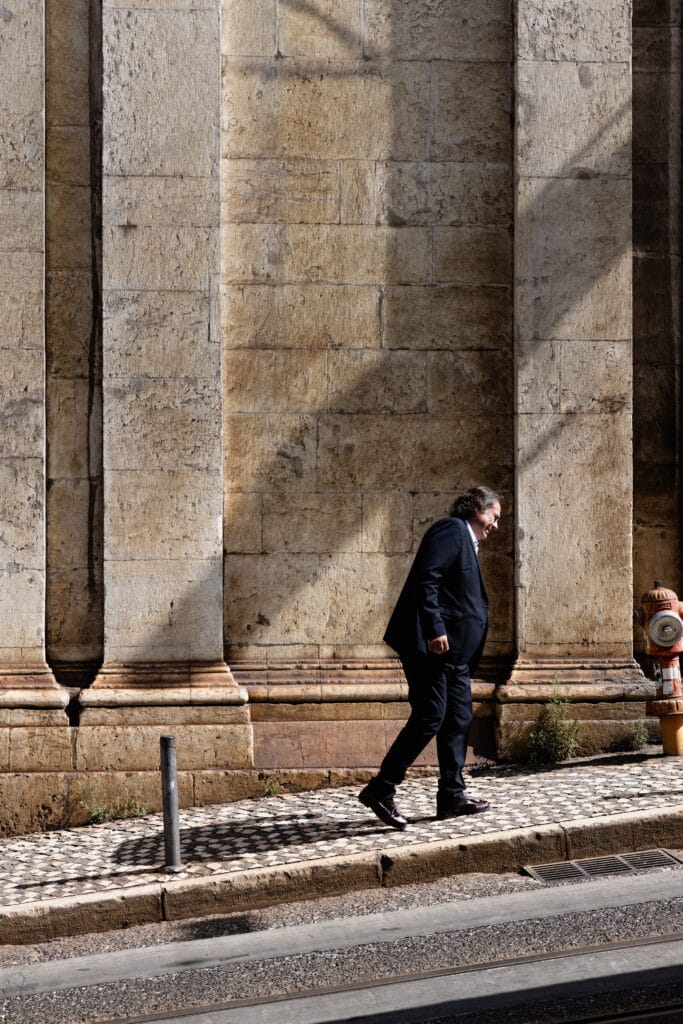
Steep, winding streets and sudden viewpoints also constantly surprise me, every turn offers a new frame, a new perspective. It’s a city that’s inherently cinematic, which is a joy to photograph. While Lisbon is a modern city, its history is incredibly palpable and beautifully preserved. What surprised me is the underlying sense of saudade – a feeling of longing, melancholy, or nostalgia that is supposedly characteristic of the Portuguese temperament. It’s woven into the fado music, the azulejo tiles, and even the expressions on people’s faces.
Three most photogenic cities you’ve been to?
In no particular order: Hong Kong, Porto and Jaipur. For my style of documentary/street photography, ‘photogenic’ isn’t about beauty; it’s about a city’s ability to constantly offer compelling narratives, unique light, and rich visual textures.
The ‘Pink City’ Jaipur is a photographer’s dream, a vibrant symphony of colour and history. Beyond landmarks like Hawa Mahal and Amber Fort, it’s the sensory overload of daily life that captivates: vibrant market textiles, intricate carved doorways, lively rickshaw-filled streets, and dignified faces. The intense Indian light and extraordinary palette of reds and pinks create strikingly beautiful compositions.
Having spent time across Portugal, I find Porto’s light even more captivating than Lisbon’s. Its appeal lies in dramatic topography and the Douro River’s unique reflections. The city is a cascade of historic buildings tumbling toward the riverfront, crisscrossed by iconic bridges. The light here is softer, diffused, and possesses a remarkable golden hue, especially in late afternoon, that bathes everything in a warm, painterly glow. It’s a city of intimate alleys, grand vistas, and palpable history, brought to life.
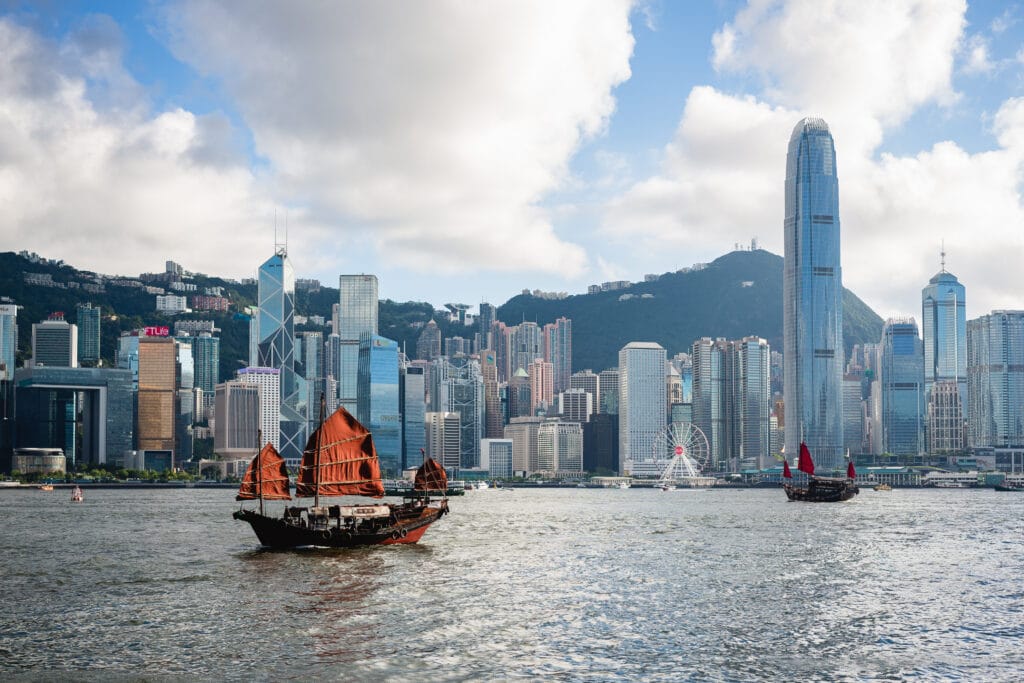
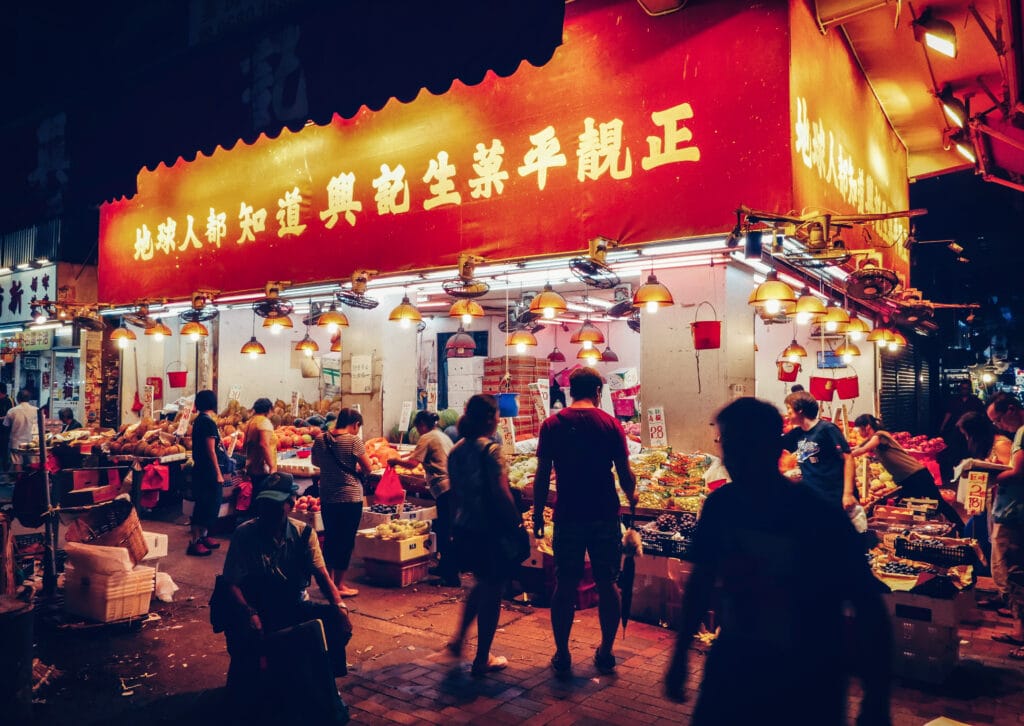
Hong Kong is a condensed powerhouse of visual information, endlessly rewarding for photographers. Its appeal lies in extreme density and dramatic juxtapositions: towering skyscrapers against vibrant street life and dramatic mountains. Iconic, almost cyberpunk views from Victoria Peak contrast with neon-drenched Kowloon streets and the symmetrical architecture of packed residential estates. The energy is palpable, from bustling ferries to local markets, while its position between mountains and harbour provides incredible natural light and atmosphere. For street photography, the sheer volume of human activity and striking backdrops offer an inexhaustible source of compelling frames.
How was connecting with your roots in Jamaica on this recent trip?
Having been raised with Jamaican culture in the UK, this was my first time visiting the island without my direct family, instead bringing my wife. Beyond the familiar stories, I experienced the incredible resilience and ingenuity of the people. Despite economic challenges, there’s an unwavering determination and a remarkable ability to thrive, visible in every roadside business and creative adaptation. It’s a powerful, inspiring energy.
If you know a Jamaican, you know their immense pride in heritage, music, food, and identity. The saying “We likkle but we tallawah” (“We are small, but we are mighty”) is palpable and infectious. This isn’t a performance; it’s deeply ingrained. I felt a genuine authenticity in every interaction and a powerful connection to roots. I was really proud to share this with my wife. We were met with immense warmth, humour, and genuine curiosity from strangers, who often went out of their way to be helpful. This human connection was the most rewarding part of the trip.
While I knew about the beautiful beaches, my lasting impression is of the island’s incredible sensory tapestry. It unfolded on our drives: vibrant colours of streets and markets, constant rhythm in the air, intoxicating aromas of cooking and fresh fruit, and diverse landscapes from lush mountains to rugged coastlines.
Misconceptions about Jamaica?
It’s a place that fully engages all your senses, a truly immersive experience. However, not all of Jamaica’s beautiful beaches are freely accessible. Growing up, the image of pristine shores was paramount, but the reality is saddening: much of the most stunning coastline is privatised by resorts, limiting access for locals and independent travellers alike. These natural treasures, which should be a public birthright, now often sit behind gates.
I also encountered the persistent narrative that Jamaica is dangerous outside tourist zones. Although I knew better, this affected me, and I was overly protective before we left. Yet our experience in Kingston and around the island was overwhelmingly positive. By engaging respectfully and staying aware, we found a welcoming, safe environment.
And while Rastafarian culture is a significant part of Jamaica’s identity, it doesn’t represent the entire population. Similarly, though decriminalised and culturally present, ganja is not a universal practice. Assuming so reduces a rich, multifaceted society to a single stereotype.
Favourite places you explored this time in Jamaica?
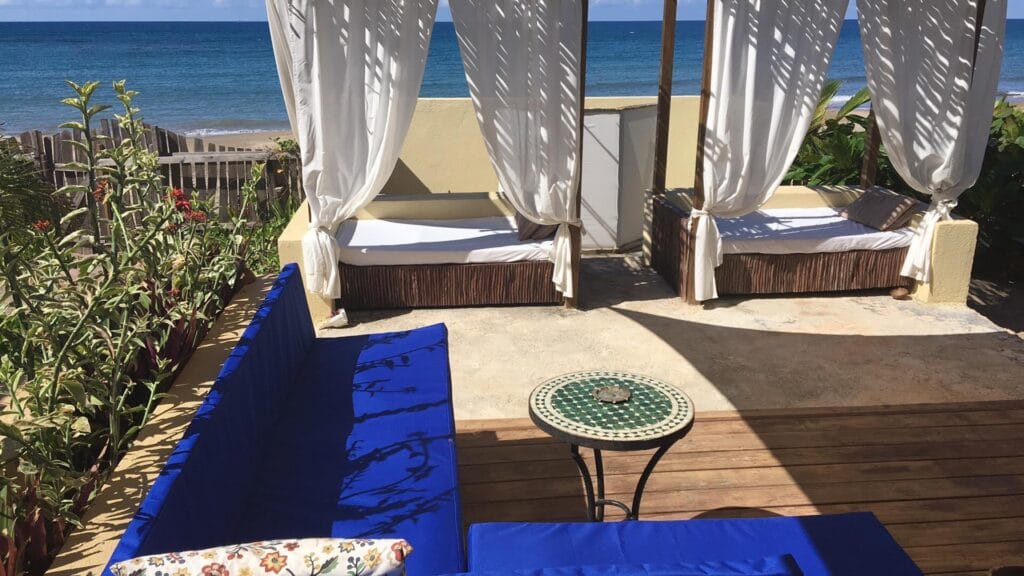
Katamah next to Treasure Beach is pure magic. This spot embodied the South Coast’s authentic, relaxed vibe. Its unique Moroccan-inspired aesthetic blended seamlessly with the laid-back Jamaican beachfront. The gentle rhythm of life, rustic accommodations, and strong sense of community created a deeply soulful environment. I didn’t want to leave.
Uptown Mondays in Kingston is an essential immersion into the city’s contemporary culture. More than a place, it’s a vibrant street party embodying the soul of dancehall. The energy was electric, showcasing fashion, new dances, and collective joy. For me, it felt like stepping into a living piece of my heritage, offering a powerful counter-narrative to typical tourist views.
Portland Parish in Port Antonio gave a breathtaking contrast to Kingston’s energy. This lush, untouched paradise is defined by hidden coves, iridescent blue water, and vibrant greenery spilling down to the coast. It invites quiet exploration and offers profound peace alongside spectacular, crowd-free landscapes.
Favourite Jamaican restaurants in London?
Yah-So Caribbean Bar & Grill in Croyden is a spot that consistently delivers comforting, home-cooked Jamaican flavour. Their stewed chicken and curried goat are always tender, rich, and perfectly spiced, just like a family meal. I also love Eat of Eden, Brixton, which is an exceptional vegan find that showcases the delicious versatility of plant-based Jamaican cuisine. Their vegan “fish” and chips are a revelation, and the seitan curry “goat” is so flavourful and satisfying it truly captures the dish’s essence. It proves that the heart of Jamaican cooking, spices, slow-cooked richness, can shine beautifully in plant-based form. A creative testament to our culinary culture.
Top three Asian destinations of all time?
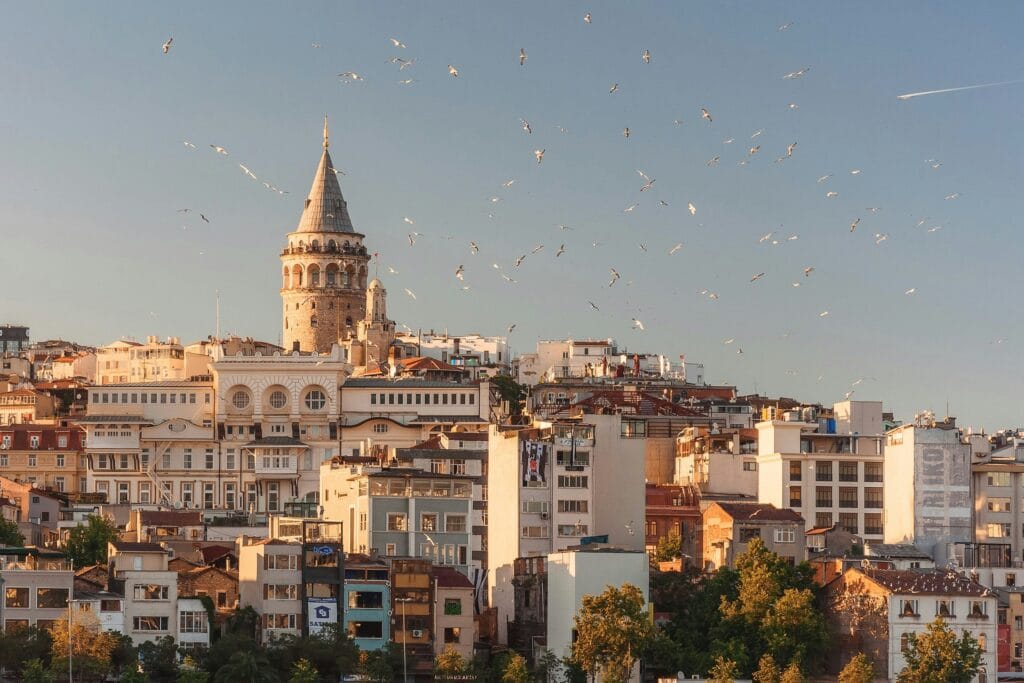
A living bridge between worlds, Istanbul is where East genuinely meets West. You feel the echoes of ancient empires woven into daily life. The Hagia Sophia and Blue Mosque inspire awe with their beauty and palpable history. Then, the Grand Bazaar hits you: an explosion of spices, vendor chatter, and treasures. It’s a city of incredible dynamism, where ancient traditions coexist with modern life, all wrapped in warm hospitality.
Bangkok is always a thrilling assault on the senses. It’s a vibrant tapestry of spirituality and relentless energy, defined by profound contrasts. Find serene moments in gold-laden temples like Wat Arun, then plunge into the exhilarating chaos of a street food market just steps away. The buzz of tuk-tuks, the constant flow of people, and the sheer scale of the city are captivating. It’s a dynamic, ever-evolving metropolis that constantly keeps you on your toes.
Whilst Tokyo is fascinating blend of meticulous innovation and deep cultural roots. Beyond its heritage, Tokyo is defined by an almost fanatical dedication to mastery, visible in everything from its efficient transport to its artistic cuisine. Surprisingly, this extends to a profound love for reggae and Jamaican culture. Since Bob Marley’s 1979 visit, Japan has nurtured a thriving reggae scene, even winning international sound clashes. I’ve experienced this firsthand at a Jamaican music festival in Yoyogi Park – a delightful surprise! I’m now on the hunt for Tokyo’s best jerk chicken spot.
What’s your go-to fitness or wellness routine?
I don’t have a single rigid ritual, my approach is diverse and opportunistic. In Hong Kong, football is my priority. It’s not just physical; it’s about camaraderie, strategy, and joy. I play with three different groups when life allows.
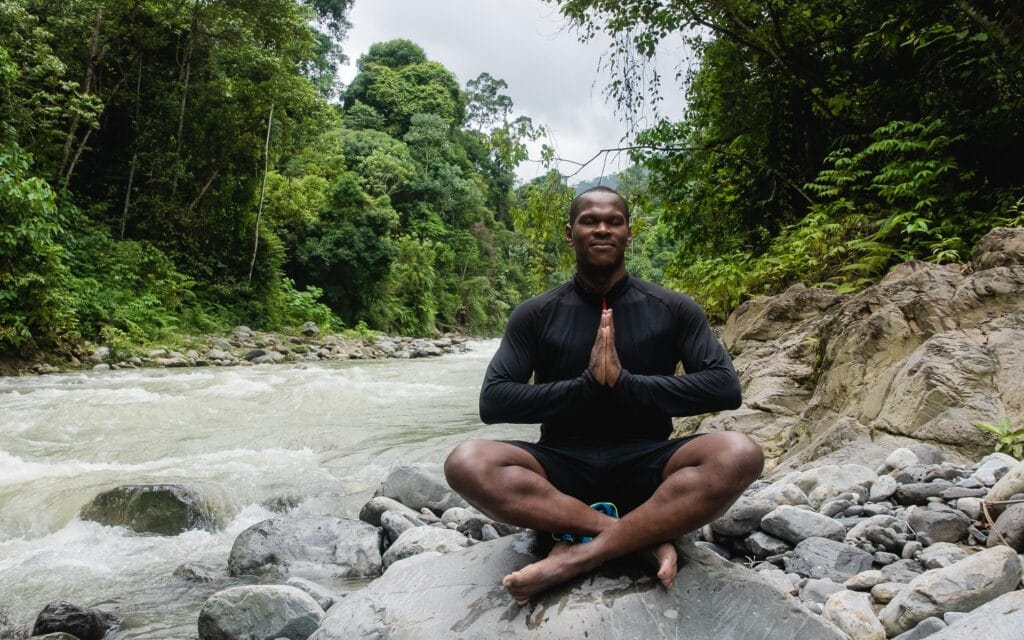
I also enjoy shooting hoops solo on the basketball courts as its such a meditative, focused practice. I’ll occasionally join a pick-up game for cardio and social interaction, and courts are always nearby on Hong Kong island. When my ankles feel strong, I dive into Muay Thai as its an exhilarating full-body challenge, mentally and physically demanding, yet empowering. And in Lisbon, I balance intensity with classes at Baraza Yoga. It’s a crucial counterpoint to the other stuff: building flexibility, strength, and mental calm.
Travel splurge you’ll never regret?
After a friend’s wedding in Miami, my wife and I flew directly to Cancun to meet two of her friends. We immediately embarked on a road trip to Tulum, where we stayed in a rustic beach cabin right on the sand. The shift from Miami’s energy to Tulum’s laid-back, bohemian vibe, complete with ancient ruins and natural cenotes, was a journey in itself.
We then continued south into Belize, making our way to the tiny island of Caye Caulker. It was truly amazing: endless charm, vibrant colours, and incredibly friendly locals. So many great stories came from that trip, shared laughs, hidden spots, pure relaxation, and unique adventures. It was a splurge in time and money, but the collective experience, strengthened friendships, and countless magical memories made it a travel decision I’ll never regret. It showed how much richer travel becomes when you embrace the unexpected, extend the adventure, and simply say, “Yes.”
Favourite hotel in the world?
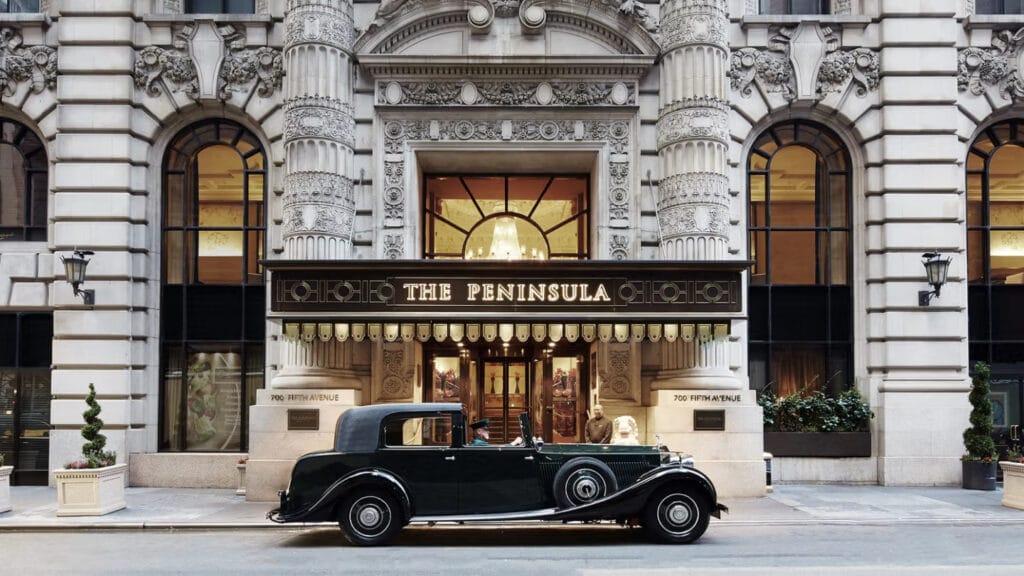
My favourite hotel in the world isn’t one I’ve stayed in as a guest, but one I experienced through my work: The Peninsula New York. As a behind-the-scenes photographer for a project, I had unique access to observe both the space and its extraordinary service firsthand. What truly set The Peninsula apart was its staff. From the moment you entered, there was an invisible yet omnipresent dedication to anticipating needs and perfecting every detail. That human connection, within such a grand setting, left a profound impression.
Beyond the service, the hotel exuded timeless elegance. True luxury, I learned, is as much about the people and the feeling they create as the physical space. It became my benchmark for excellence in hospitality.
Dream destination not yet fulfilled?
Havana, Cuba stands out in my mind as it would have incredible visual intensity and raw, unvarnished charm. Unlike many cities that are meticulously preserved or rapidly modernized, Havana presents itself as a unique place “frozen in time”. The peeling paint, the crumbling facades, and the evident history etched into every building offer a raw authenticity that’s incredibly captivating. It’s not about polished perfection, but genuine character.