Josh Dickson found his therapy in the ocean’s rhythm long before he became a psychologist. The founder of Resurface traded drumsticks and record deals for EMDR certification and surf therapy retreats, building a practice that merges clinical psychology with the transformative power of cold Atlantic swells.
His unconventional path — from band collapse and rock bottom to accredited trauma therapist — led him to Morocco’s coastline, where he discovered that healing accelerates when you combine evidence-based therapy with the natural flow states surfing provides. Now splitting his time between London consultations and retreat locations from Portugal to the US, Dickson has created The Resurface Method, a framework proving that some of life’s most profound breakthroughs happen waist-deep in the sea.
What drew you to combine surf therapy with mental health?
I discovered flow states through surfing, skateboarding, and music long before I understood them academically. When I was training in EMDR and trauma therapy, I kept noticing how limited traditional therapy rooms were for accessing the kinds of peak experiences and embodied states that actually facilitate deep change.
Surfing creates this perfect combination of present-moment awareness, controlled challenge, and natural rhythm that mirrors what we’re trying to achieve therapeutically. It felt less like combining two things and more like acknowledging what was already working.
How does your psychology practice inform the way you travel?
I’m constantly looking for environments that create the conditions for transformation – places where people can step outside their normal patterns and access different parts of themselves. That means I’m drawn to locations with strong natural elements, opportunities for flow states, and enough simplicity that people can focus inward. I’m less interested in ticking off sights and more interested in creating space for genuine psychological shift.
Most transformative moment on a surf retreat?
There was a client who’d experienced severe childhood trauma and had barely spoken above a whisper in our therapy room sessions. Third morning of the retreat, she caught her first unbroken wave – nothing spectacular, just a small clean ride – and when she came up out of the water she was laughing. Properly belly-laughing. That afternoon in group therapy she said it was the first time she’d felt joy in her body rather than fear in about fifteen years. That’s what keeps me doing this work.
Best place for intersection of nature and mental reset?
The west coast of Ireland stands out. You’ve got mountains, sea, dramatic weather, and almost no people. There’s something about that wilderness that strips everything back to essentials – you can’t maintain your usual psychological defenses when you’re standing in horizontal rain on a clifftop. It’s therapeutic in the most literal sense.
Best destination for therapeutic travel?
Obviously I’m biased, but Morocco for our Resurface retreats. More broadly though, anywhere that combines physical challenge, natural beauty, and cultural difference. The key is going somewhere that requires you to be present rather than just comfortable – so maybe not an all-inclusive resort. Think wild swimming in Iceland, walking the Camino, surf camps in Costa Rica. Travel becomes therapeutic when it creates the conditions for change rather than just relaxation.
Morocco vs Portugal for surf retreats – what’s the difference?
Morocco has more consistent swell, warmer water, and a completely different cultural immersion – there’s something profound about being in a non-Western context that helps people see their own patterns more clearly. Portugal is more accessible, has incredible food, and the infrastructure is easier.
For therapeutic work, I lean toward Morocco because the additional layer of unfamiliarity actually accelerates the process of change. Portugal’s fantastic for more advanced surfers or people who want European comfort with Atlantic waves.
Local hidden gem in Morocco?
Paradise Valley, about 30 minutes inland from Agadir. Most tourists miss it completely. It’s this stunning gorge with natural pools and palm trees – we sometimes take retreat groups there for a day of cold water immersion and reflection. The drive through the argan groves alone is worth it.
Best local bars?
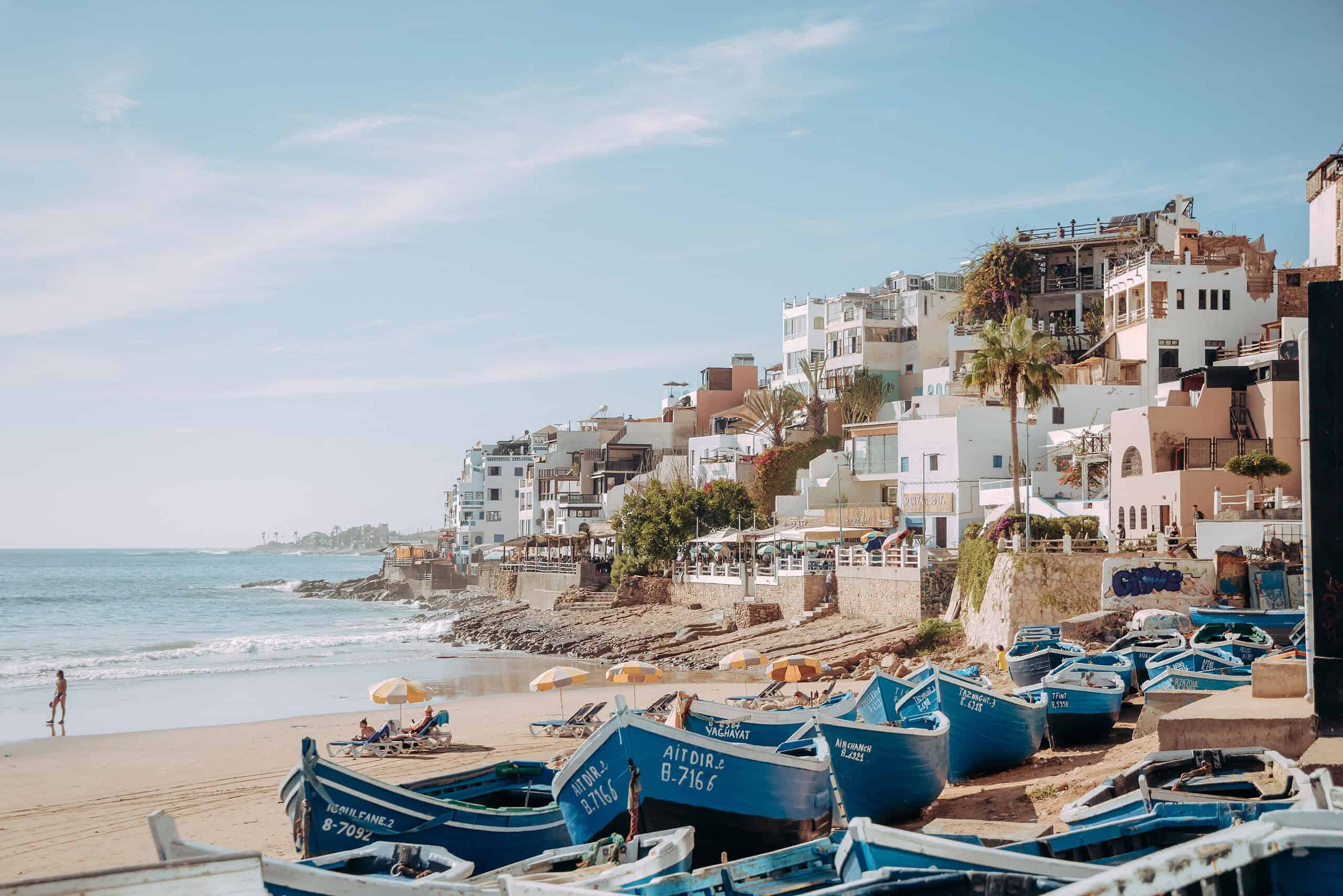
Morocco’s not really a drinking culture, which I actually love – it keeps the focus on connection and conversation. That said, some of the beachfront cafés in Taghazout do mint tea ceremonies at sunset that are more memorable than any cocktail bar I’ve been to.
Favourite local restaurants?
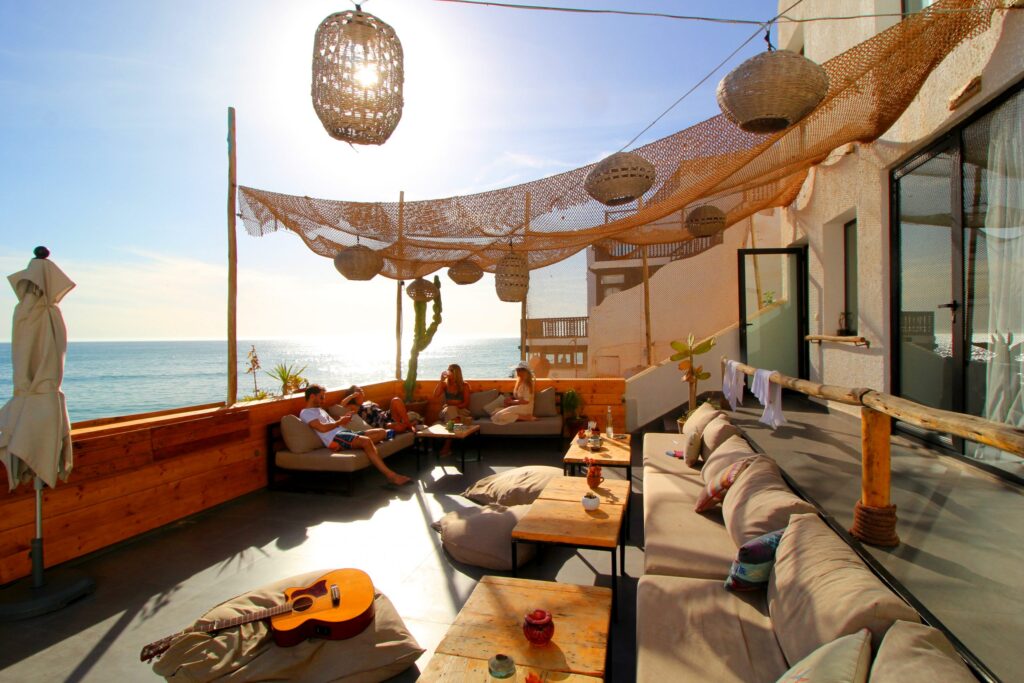
There’s a little spot in Taghazout called World of Waves that does incredible fresh fish – you pick it from the display and they grill it perfectly with chermoula. For something more traditional, I always take retreat guests to a family-run place in Tamraght called Le Petit Kawa – the casoulettes are extraordinary and it feels genuinely local rather than touristy.
Most inspiring city you visited recently?
Edinburgh during the ISTO conference this year. There’s something about the architecture, the layers of history, and the creative energy that gets my mind working.
Where do you go for stimulation and creative energy?
London, honestly. I’m biased because I live here, but the density of ideas, cultures, and conversations you can have in a single day is unmatched. I’ll often walk from our place through different neighbourhoods just to feel the shift in energy.
And where do you go for creative reset?
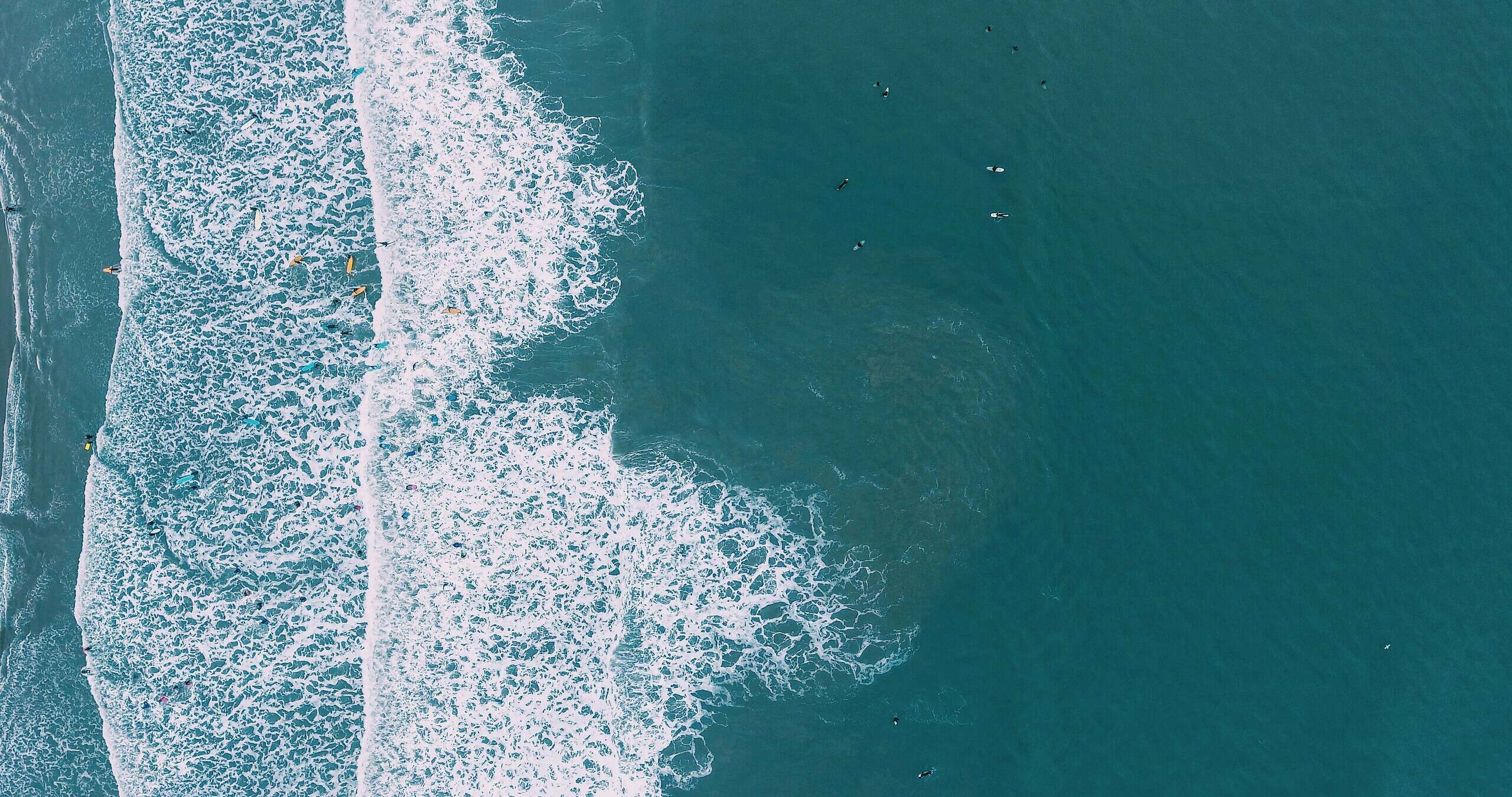
The North Devon coast – Croyde or Woolacombe. It’s where I first learned to surf properly as a teenager, so there’s something about returning there that reconnects me to why I do this work in the first place. The water’s cold, the waves are punchy, and everything else falls away.
Where do you go for pure escapism?
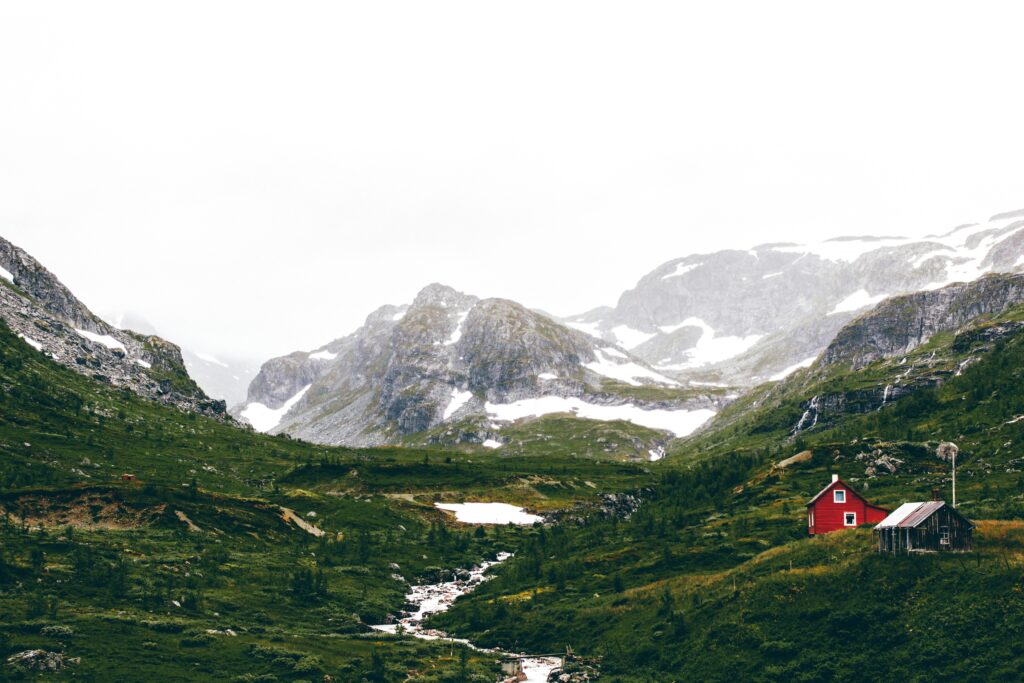
The Norwegian mountains around where my wife’s family are based and also the North Norfolk coast. No phone signal, just mountains or wide open beaches, water, and silence. It’s the only place where my brain genuinely switches off completely.
What draws you back to Norway repeatedly?
My wife is Norwegian and my twins are there, so there’s the obvious family pull. But beyond that, there’s a quality of light and space in Norway that I haven’t found anywhere else. The culture’s relationship with nature – friluftsliv, this concept of outdoor life as essential to wellbeing – aligns completely with what I’m trying to build with Resurface. Plus, the ski and cold water swimming culture there is extraordinary.
What’s always in your carry-on?
Airpods, a journal, and usually whatever book I’m reading on flow states or trauma theory. Also my Manta eye-mask and Turtl neck support.
Your top museums in the world and why?
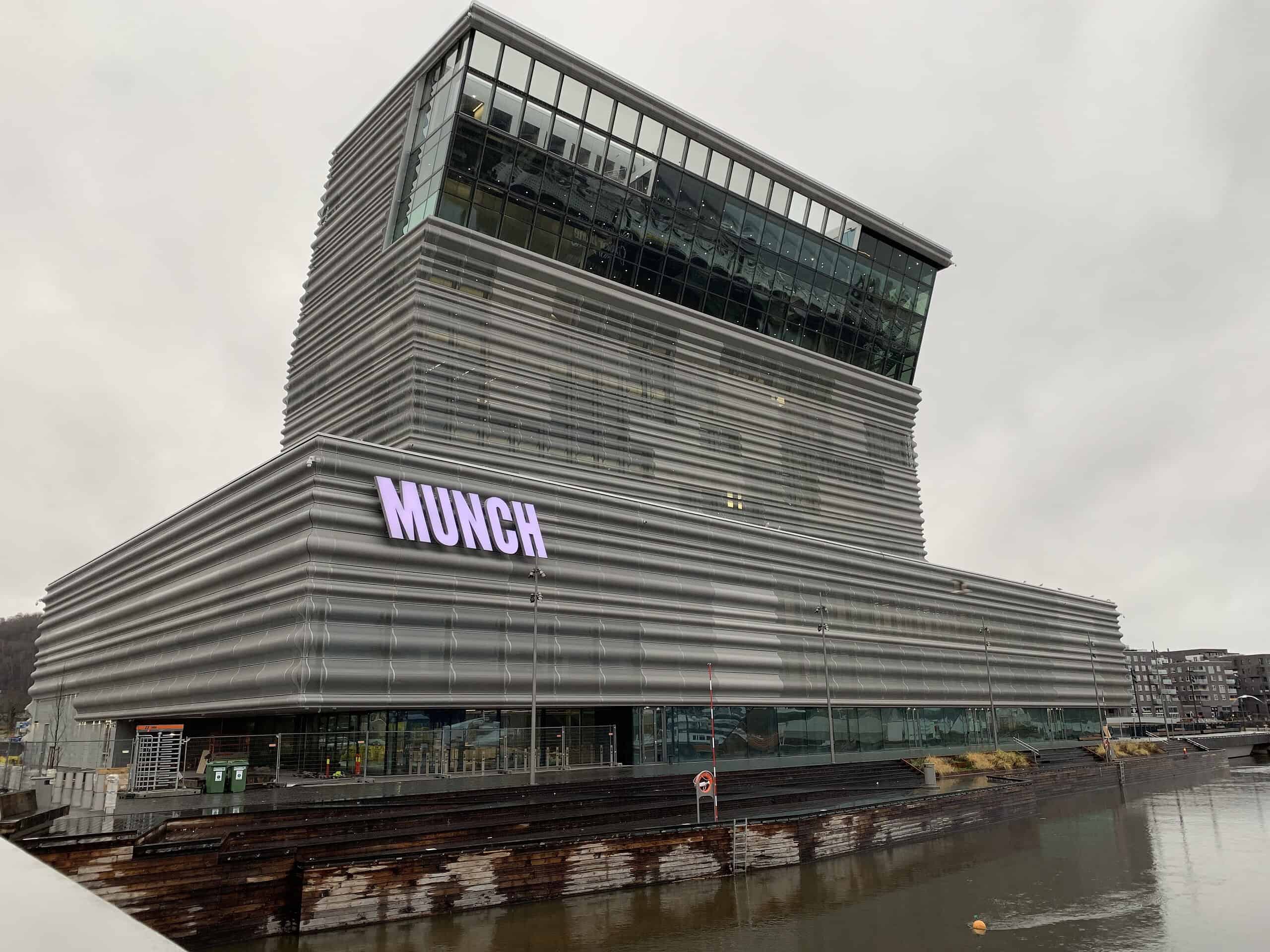
The Munch Museum in Oslo – partly because of my Norwegian family connection, but Munch’s work on anxiety and psychological states feels like it speaks directly to the therapeutic work I do. The British Museum in London for its sheer breadth of human history – I often think about trauma and healing in evolutionary context. And I also love Leighton House.
Favourite hotel, anywhere in the world?
I’m not really a hotel person – most of my travel is built around surf and therapy work rather than luxury accommodation. But I have deep respect for The Fairmont in Tamraght – it is amazing for kids. The attention to detail and sense of sanctuary they create is something I try to replicate in our retreat spaces.
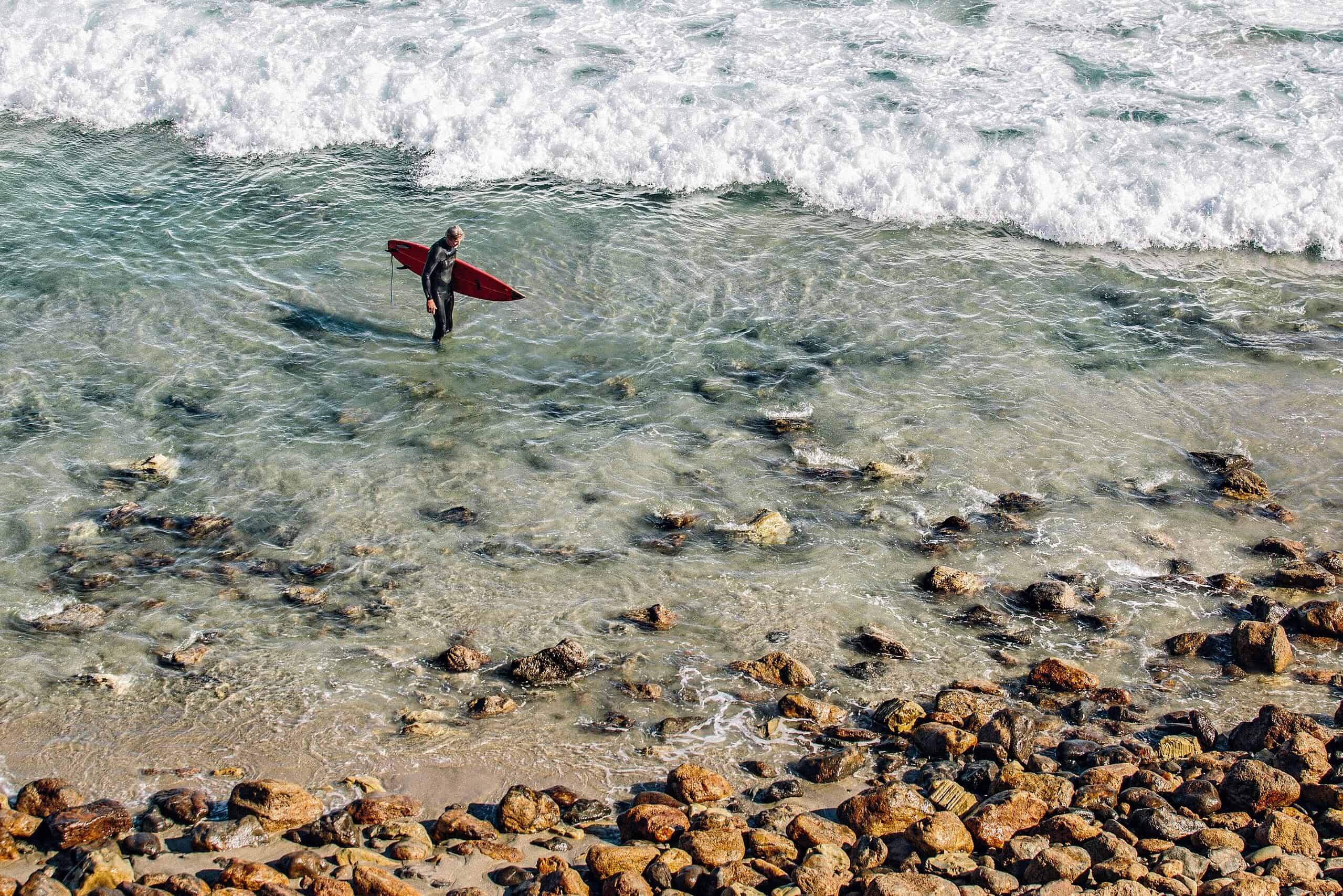
Favorite surf break, anywhere in the world?
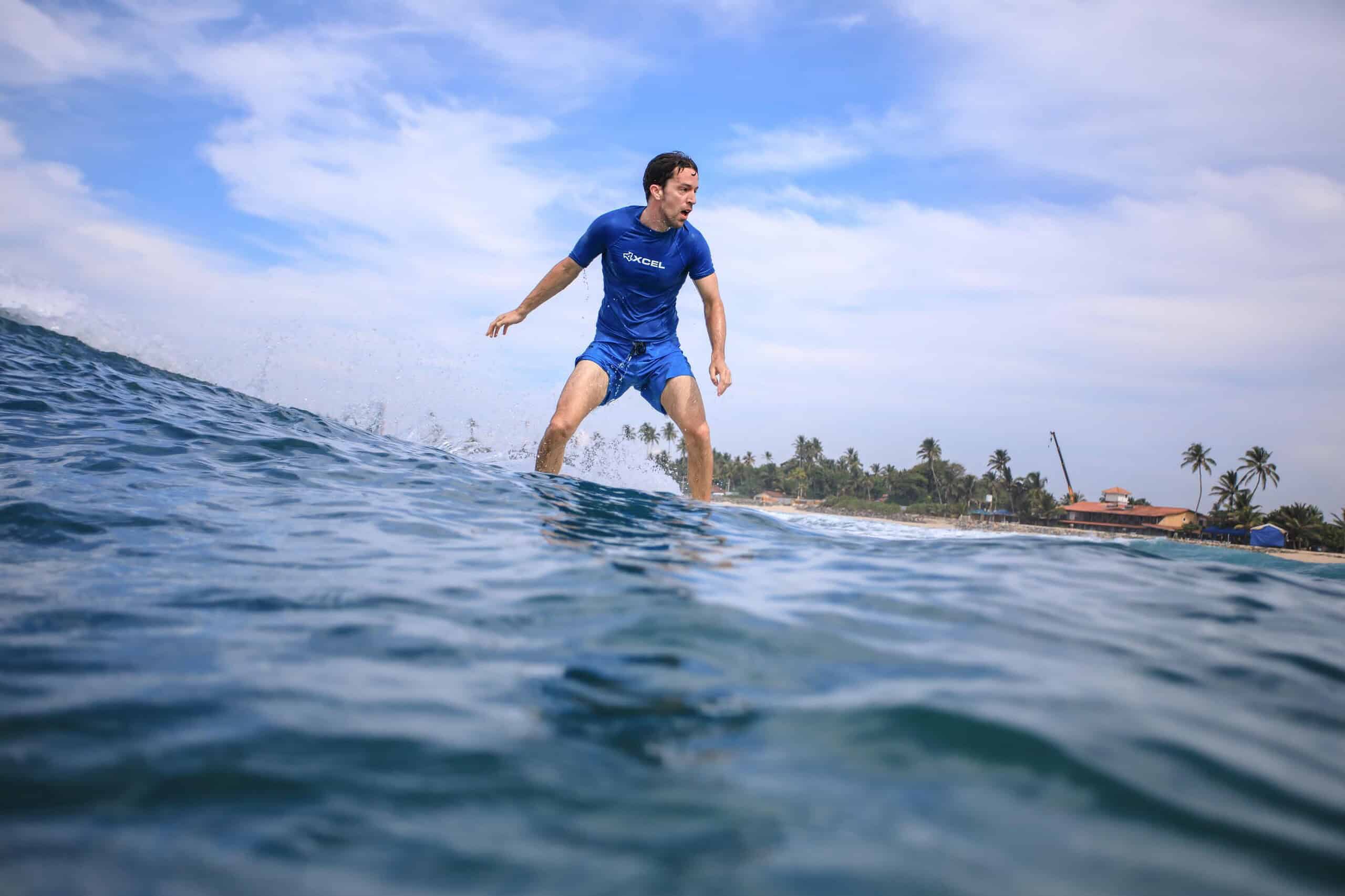
Malibu in LA and Coombesgate in North Devon when it’s working. Long, perfect right-handers that let you get into flow state for what feels like minutes at a time. But honestly, my favourite break is usually whichever one has good waves and no crowd – I’m more interested in the quality of the experience than the prestige of the location.
Pre-surf or post-surf ritual you swear by?
Pre-surf: proper stretching and breath work. I learned this the hard way after years of just running straight in. My resting heart rate is 49bpm now and that cardiovascular fitness comes from treating surfing as an athletic practice, not just a hobby.
Post-surf: journaling. Even just a few lines about what I noticed in the water, what worked, what didn’t. That reflection practice is what turns surfing from recreation into a tool for self-understanding.
Biggest lesson surfing has taught you about mental health?
You can’t control the ocean, you can only control your response to it. That’s the core of psychological resilience. People come to therapy wanting to stop the waves of anxiety or trauma from coming, but the real work is learning to ride them skilfully. Surfing makes that metaphor literal – you’re physically practicing the skill of staying present with something powerful and unpredictable, finding your balance in the midst of it rather than waiting for everything to be calm.
Where would you send someone who’s never surfed but needs to?
Taghazout in Morocco or Nosara in Costa Rica – both have gentle, consistent waves perfect for beginners, warm water, and a pace of life that supports the psychological work. But honestly, if someone’s in the UK, I’d send them to Woolacombe on a summer day with a good instructor. The water’s cold but the break is forgiving, and there’s something about learning in British waters that builds character. Plus they’re more likely to actually go if it’s a few hours’ drive rather than a flight away.
Travel splurge you’ll never regret?
Investing in quality wetsuits and surf equipment. I know that’s not exactly glamorous, but having kit that keeps you comfortable in the water for hours means you can stay in flow state longer. That pays dividends both personally and when I’m working with retreat clients.
Dream vacation, not yet fulfilled?
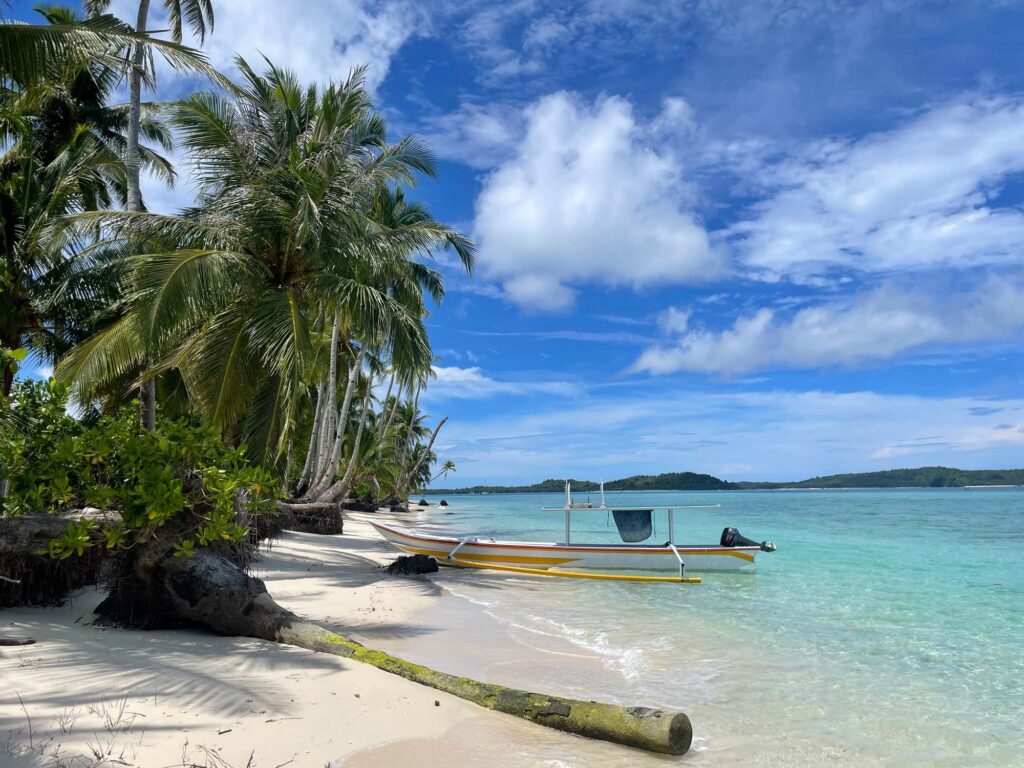
Indonesia – specifically the Mentawais. I want to take my time there, really understand the local culture, and explore how surf therapy might translate to different communities and contexts. It’s less vacation and more research pilgrimage, I suppose