Across the Punjab plains, a deliberate detour by rail and the strangers who make it worthwhile.
In Pakistan, I had been told, road travel is often the default: faster, controlled, and sealed off from everything around it. The journey from Islamabad, the capital, to Lahore takes about four hours by car, or slightly longer by bus. Depending on the stops, the train takes at least five hours and is rarely the obvious choice; but that’s precisely why I took it.
At dawn, I left the pristine surroundings of my room at the Islamabad Club, still carrying the disorientation of having arrived from London the night before. I made the half-hour journey to Rawalpindi Station accompanied by Mr. Tauseef, a local contact who agreed to see me off.
Tauseef was from Hunza, the valley in Northern Pakistan I had long dreamed of visiting. He had just returned from a K2 expedition, which he mentioned with such calm that it sounded less like an achievement and more like another day of work.
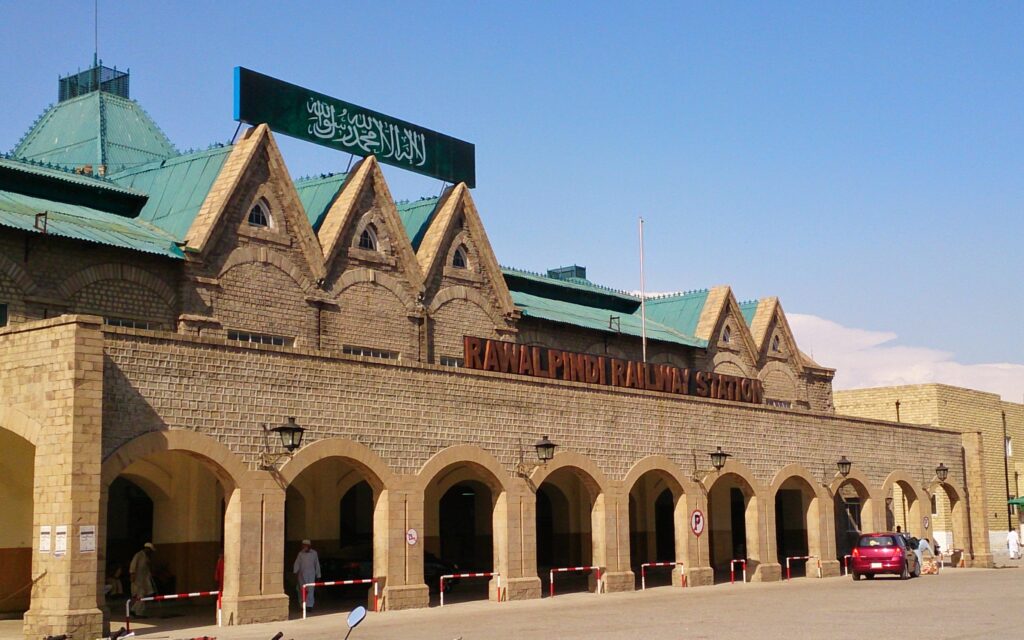
We arrived at the station as the sun was rising. Inside, there were no departure screens, no clusters of passengers studying platforms with urgency. A few vendors stood quietly with flasks of tea, and the platform carried the stillness of early morning before the day’s heat settled in.
My ticket had been arranged the day before. “First class, sir, with air conditioning,” Tauseef said, almost apologetically. It was mid-September and Rawalpindi was still cool in the morning, but we were heading south into the Punjabi heat. His thoughtfulness had anticipated a discomfort I had not yet had time to consider.
But I had chosen the train deliberately, knowing it would offer something else entirely: a slower way of moving through the country, one in which the journey is not a gap between places, but a place in itself.
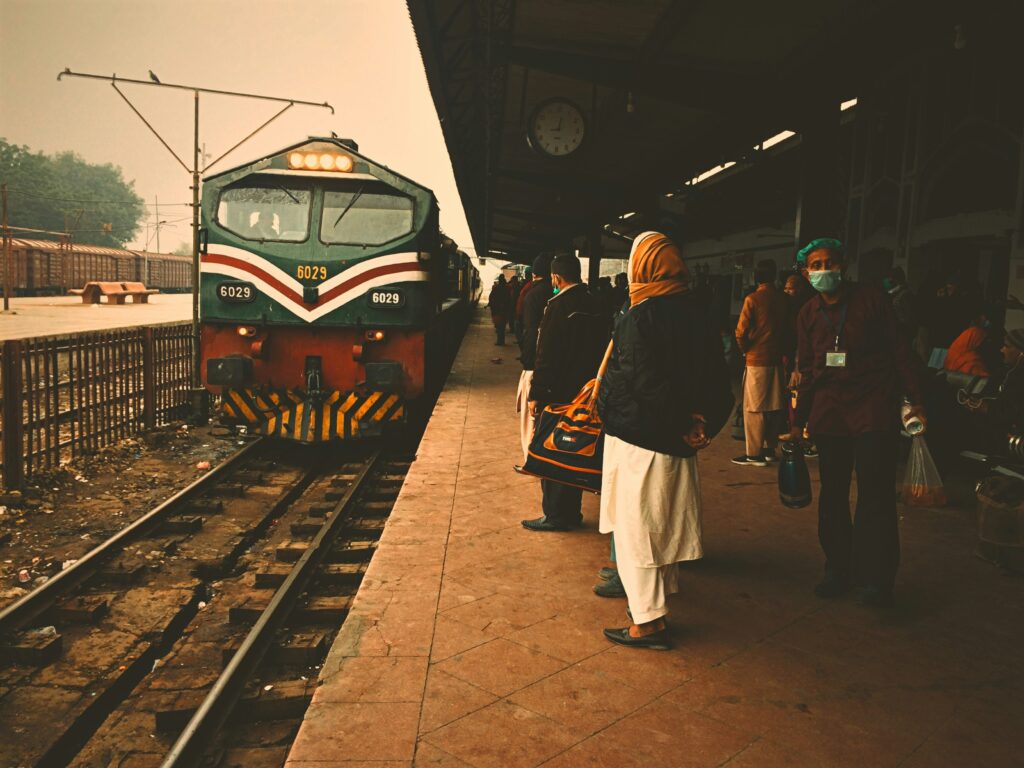
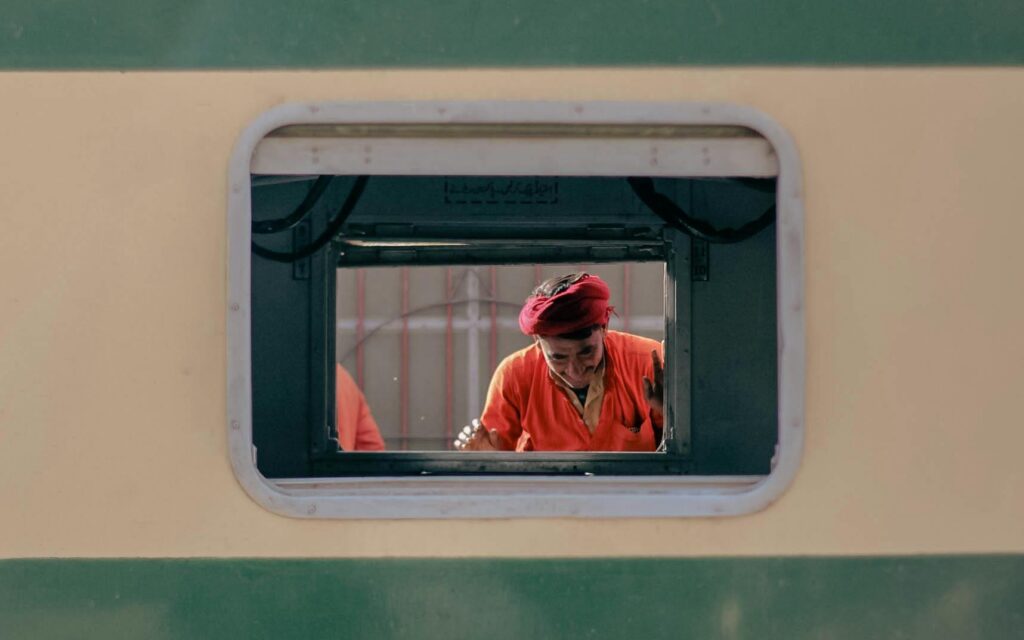
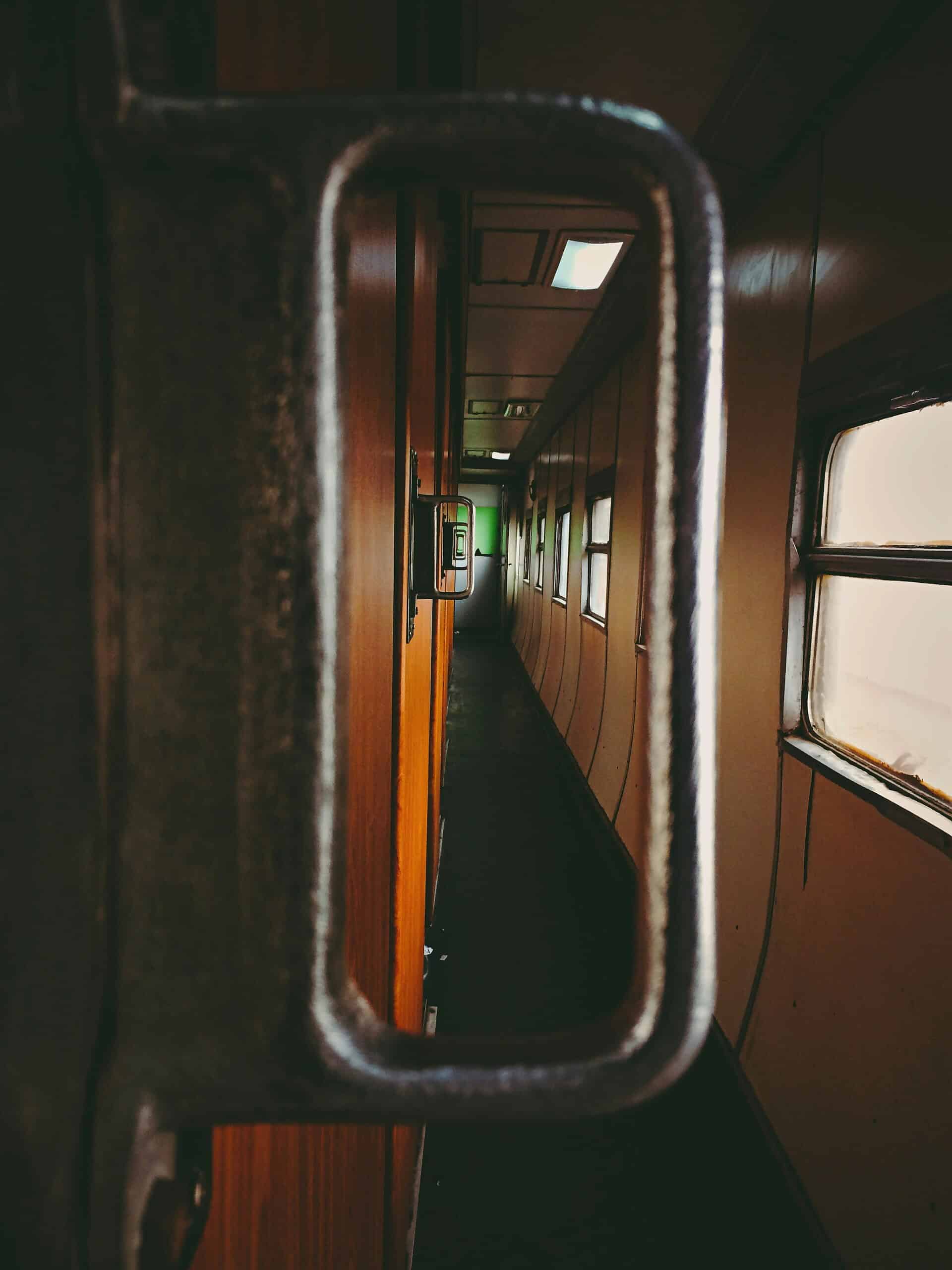
I boarded and found my seat; the carriage was practical rather than comfortable, with seats in pairs and small airplane-style TV screens fixed to the headrests — none were ever in use. Above, ceiling fans turned lazily beneath strip lighting, an attempt to augment the weak air conditioning.
The aisle was narrow, the floor worn, and nothing felt particularly polished – but everything worked. When I boarded, the carriage was empty, but it quickly began to fill: families arranged bags beneath seats, single travellers settling in and voices beginning to gather. I soon became the focus of quiet curiosity, and not just because I was the only person not wearing a shalwar kameez.
As we pulled out, the city thinned quickly – concrete giving way to open land, with small workshops and roadside stalls appearing along the tracks. For a while, the train moved slowly, as if adjusting to its own rhythm, before settling into a steady pace south.
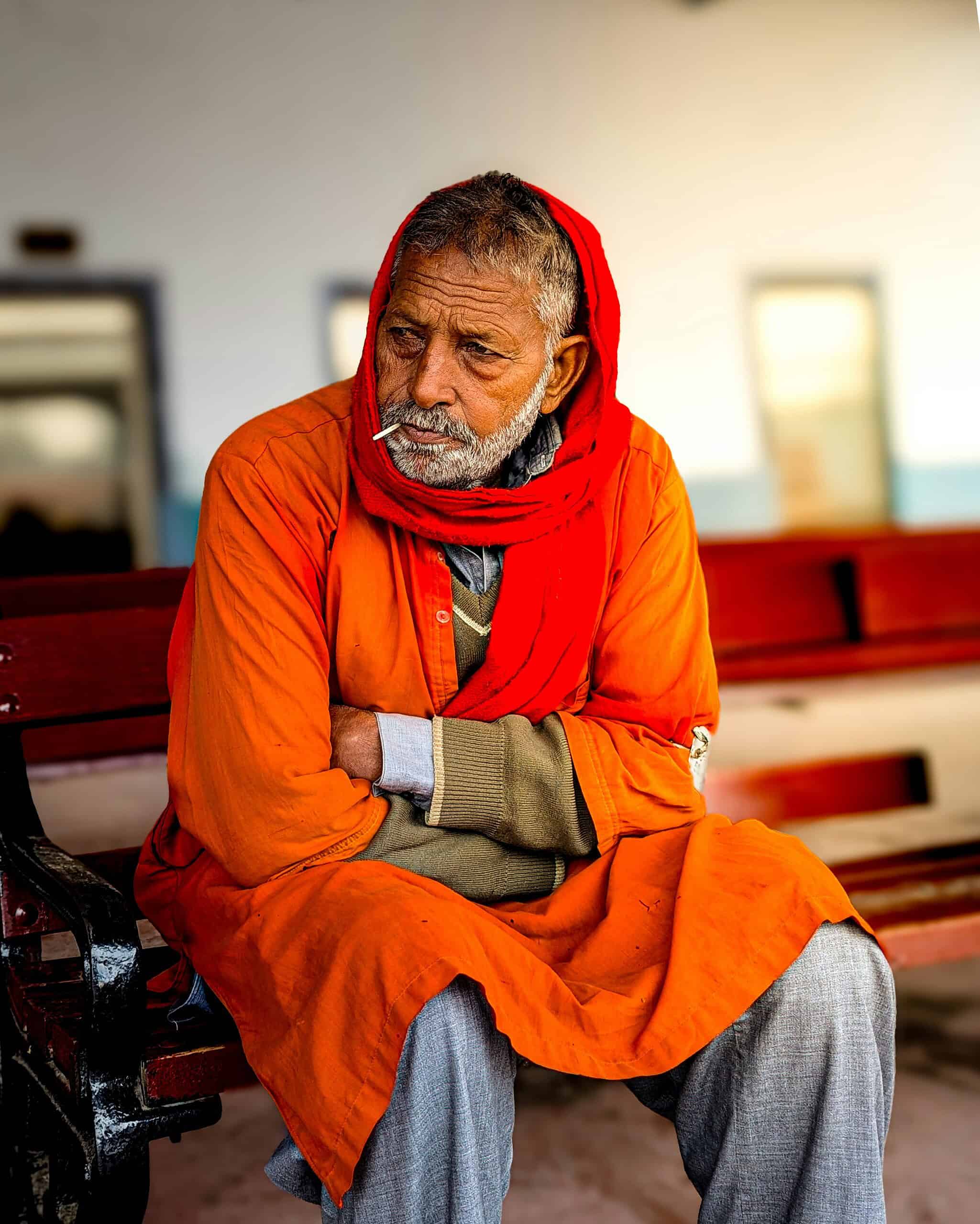
A gentleman dressed in western attire sat beside me and asked in Urdu if I was from Hunza. I replied, in English, that I was Italian. He looked surprised, then amused, and we began to talk. His name was Kaleem, a retired headmaster from Gujrat. He lived in Islamabad but was travelling home to spend time with old friends, also retired, as if returning not just to a place but to an older tempo of life.
As the train moved south across the Punjab plains, conversation came easily. There was none of the quiet western habit of leaving each other alone. Here, people spoke; they asked questions, shared observations, passed food.
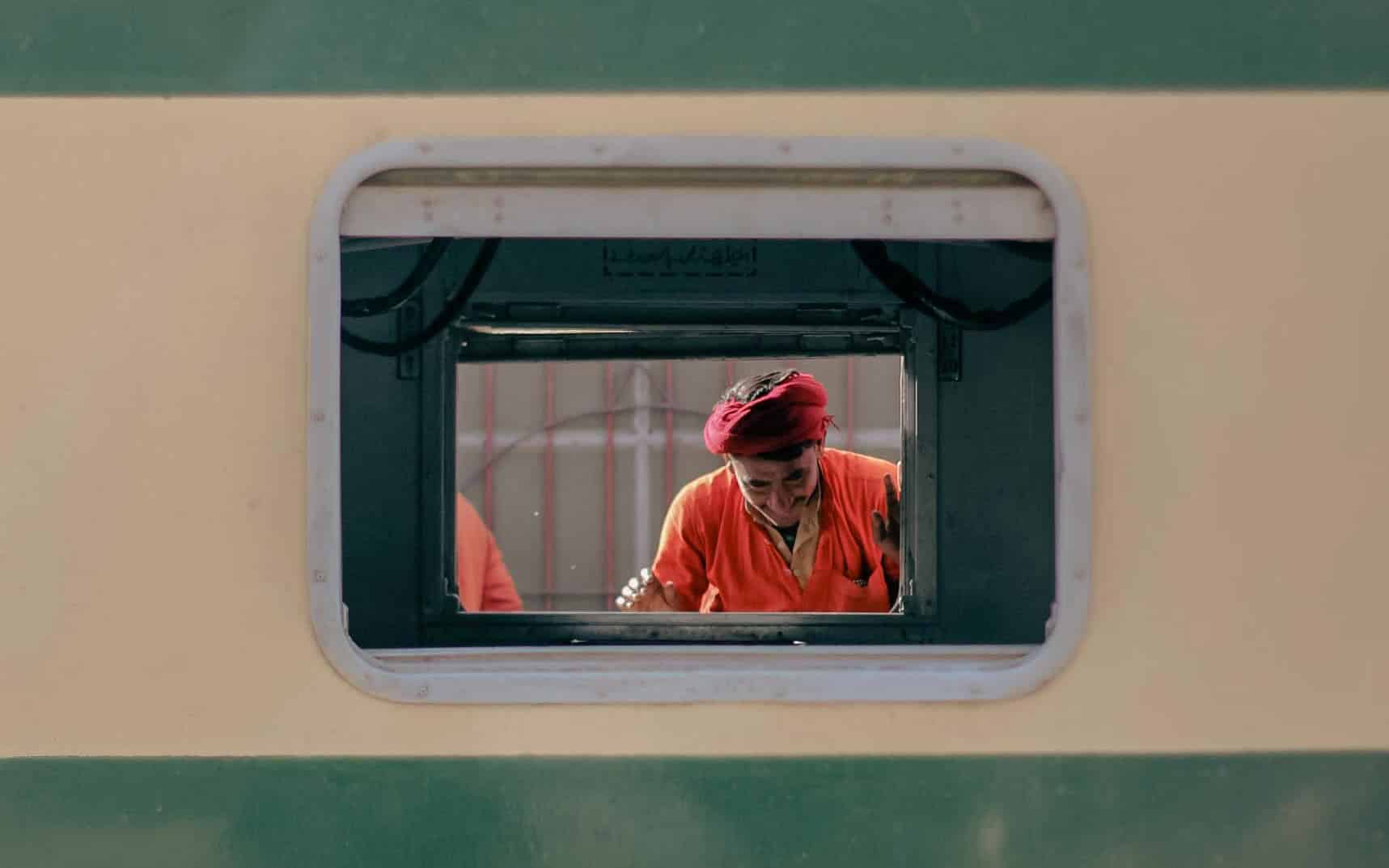
There was no dining car, but vendors moved steadily through the carriage. The doors between cars would slide open with a dull metallic thud, letting in brief gusts of heat and the noise of the tracks, as they balanced trays of tea and chicken karahi, calling out their wares. Chai arrived regularly, often before I had asked.
Kaleem spoke with the patient clarity of a man who had spent a lifetime explaining things. We talked about travel and history, particularly the strange modern obsession with speed. He said this as a simple fact of experience, and it stayed with me: you cannot understand Pakistan in a hurry.
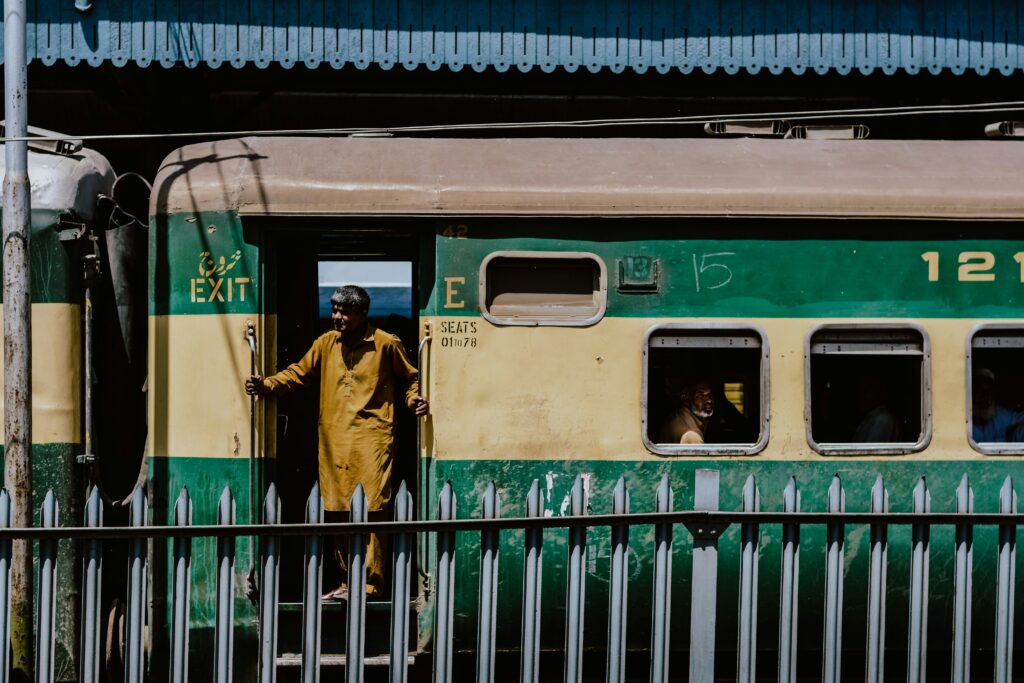
Every hour or so, the train slowed to smaller stations; brief, unannounced stops where a handful of passengers would step off and others climbed on, carrying bags, food, or nothing at all. Then it would gather speed again, the landscape resuming its steady flow beyond the window, where Punjab unfolded.
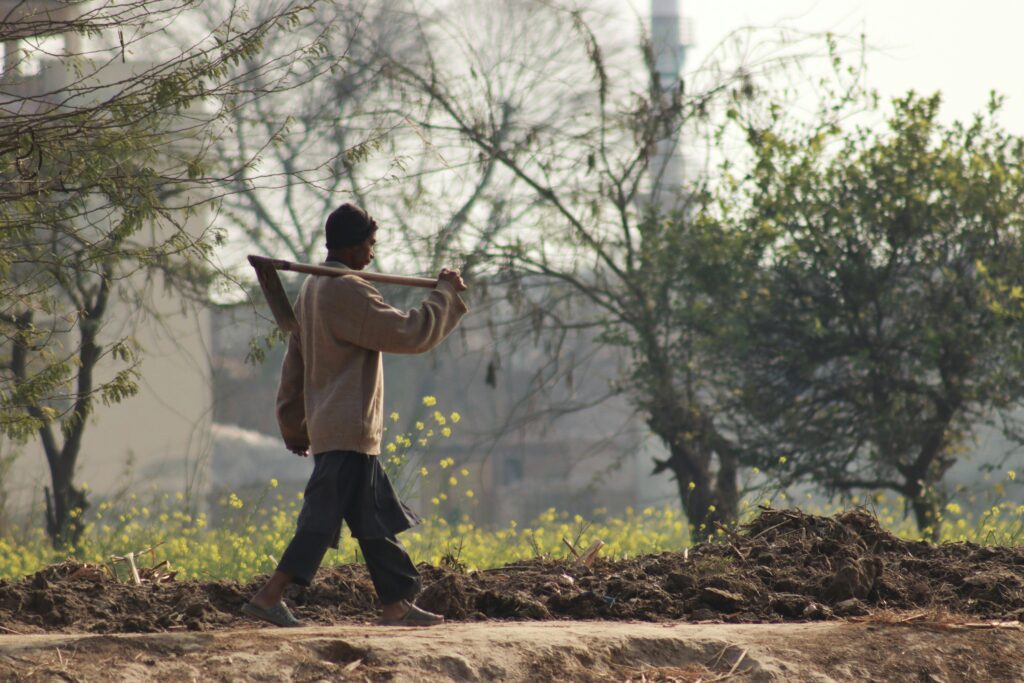
Flat fields broken by irrigation channels, roadside stalls, and the occasional cluster of low brick houses. Children paused to watch the trains pass; motorbikes crawled slowly along dusty tracks that ran parallel to the line. From a car, the landscape would have remained a blur in the background. From the train, moving at this pace, the details remained fixed in my mind.
At Gujrat, Kaleem gathered his things and left with little ceremony. No elaborate goodbye, just a smile, as though this brief friendship needed no formal ending. The seat beside me remained empty for the remainder of the journey, though the lack of conversation didn’t last long.
As the train continued south, a man seated across the aisle asked where I was from. His English was precise and unmistakably British in tone. He offered chai and apologised for the noise of the vendors rattling up and down the carriage, as if he feared the scene might intrude on my comfort. “Quite the contrary,” I assured him.
My new companion began telling me about his years in Europe, serving in the army during the Kosovo war. He had been to my hometown of Milan many times back then and spoke of it with real tenderness. Only later did it emerge, almost incidentally, that he was a Member of Parliament. Like everything else on the train, the revelation arrived without display.
He asked what was bringing me to Lahore and I told him I was drawn by the Mughal Empire and Sufism; by the shrines and layered histories that I would learn made the city feel less like a destination, and more like a conversation with the past.
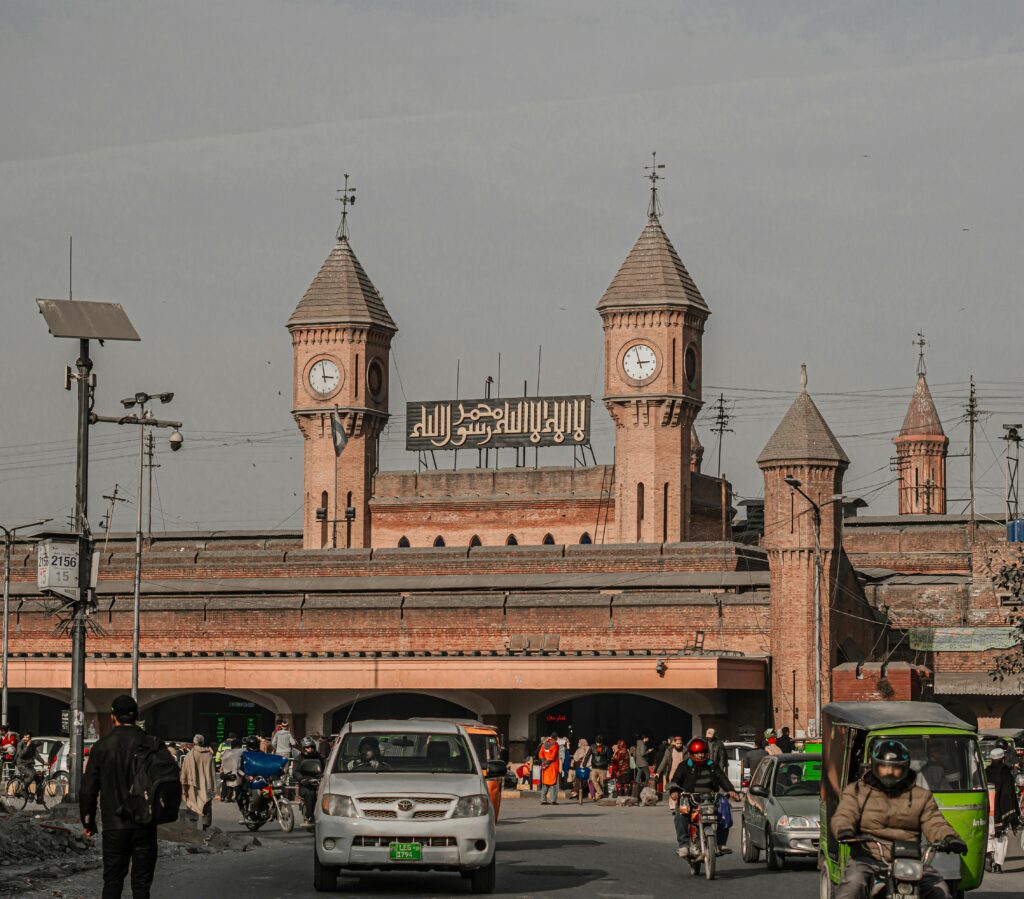
“We have arrived in Lahore,” he announced with a small smile. “Let me know if I can be of any assistance.” I thanked him and explained someone was meeting me at the station.
As I stepped off the train, the spell dissolved quickly. The city reasserted itself: movement, noise, direction. People dispersed without hesitation, returning to lives that no longer overlapped. And yet something remained.
The journey had not been comfortable in any conventional sense – the seats were worn, the air conditioning temperamental – but it offered a luxury that faster travel rarely does: time, attention, and that particular generosity which, unique to Pakistan, travels with strangers. In a car, I might have reached Lahore faster, but I would have arrived alone.
Tommaso Turri is a traveller drawn to remote places, long journeys, and the people he meets along the way – experiences that are now shaping the small travel company he is in the process of building.