London’s Chancery Rosewood hotel blends Eero Saarinen architecture, Joseph Dirand interiors and a serious spa and dining offering in the heart of Mayfair.
From the outside, The Chancery Rosewood, opened in 2025, reads as pure mid‑century power: the former US Embassy on Grosvenor Square, imposing façade, projecting roof slab and bronze eagle, now reimagined as a 144‑suite hotel. Inside, though, the mood is softer. Rosewood’s newest London outpost leans into tactility and discretion, positioning itself less as another trophy opening and more as a opulent modern Mayfair residence with serious cultural and corporate ambitions.
Architecture and a grand backstory
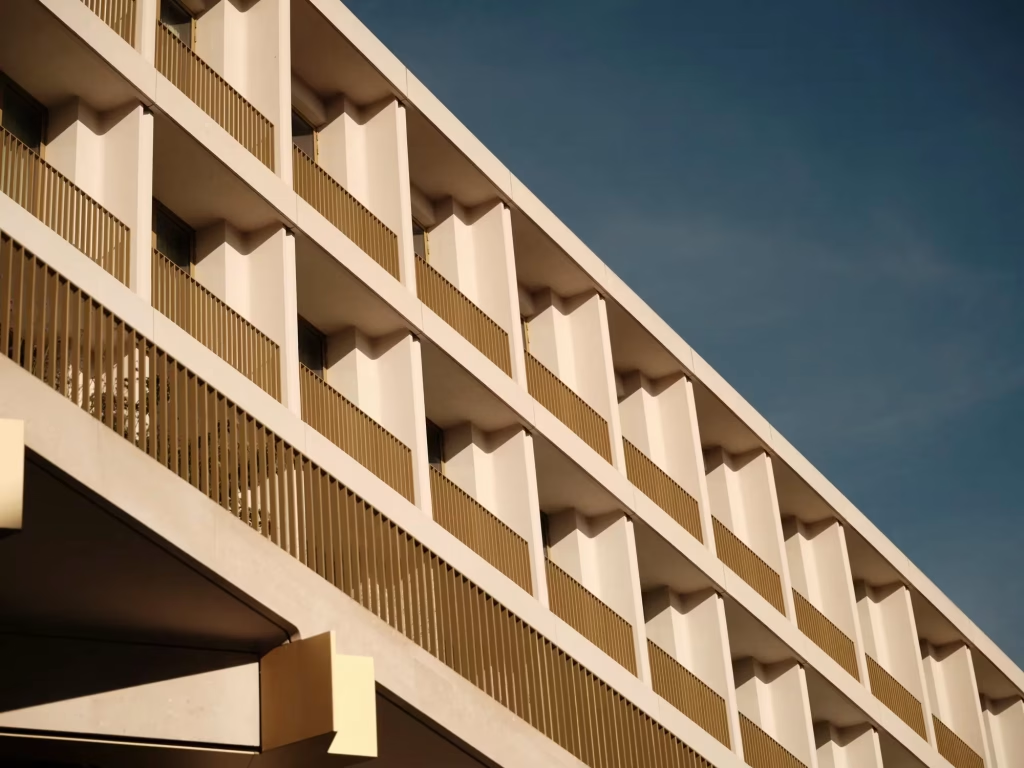
Originally completed in 1960 by Finnish‑American architect Eero Saarinen, the Grade II‑listed modernist landmark has been painstakingly restored by David Chipperfield Architects, with the listed structure retained and sensitively retrofitted rather than razed.
The Chancery Rosewood now preserves the building’s diplomatic gravitas, including that distinctive façade and Roszak’s eagle, whilst adding a landscaped rooftop level and reconfigured interiors that open up views across Mayfair’s storied Grosvenor Square. Because of this, it’s also become one of London’s more notable adaptive‑reuse projects: the first UK five‑star hotel to achieve a BREEAM “Outstanding” rating, thanks to its retrofit approach and energy‑efficient system.
Suites, spas and space
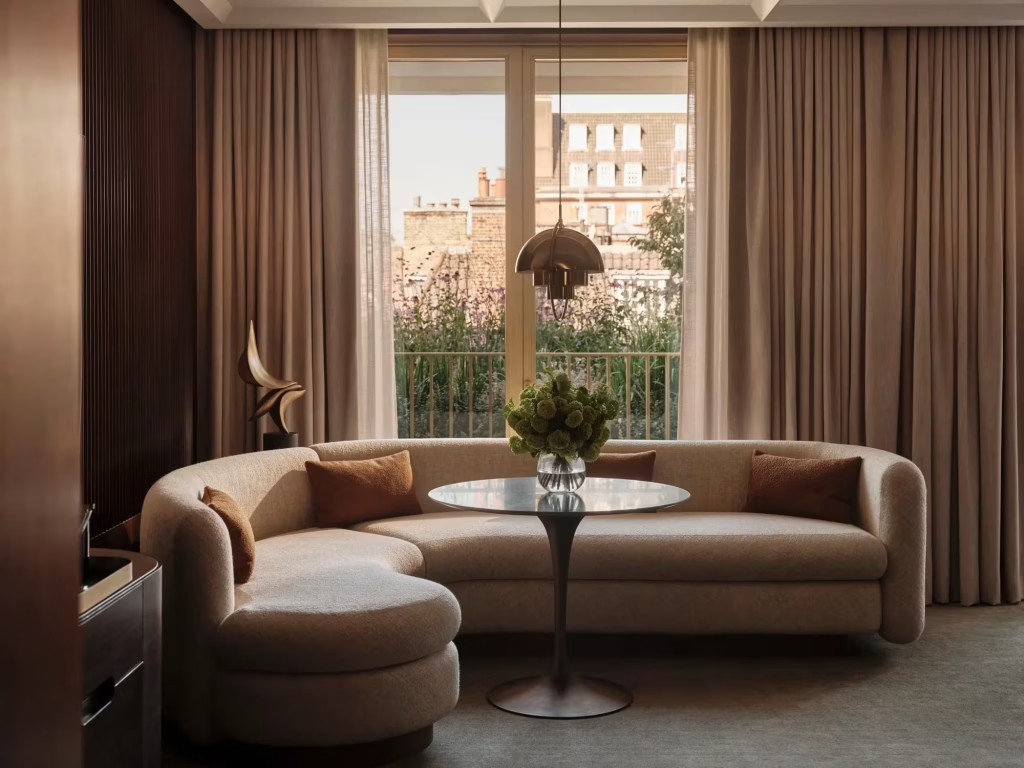
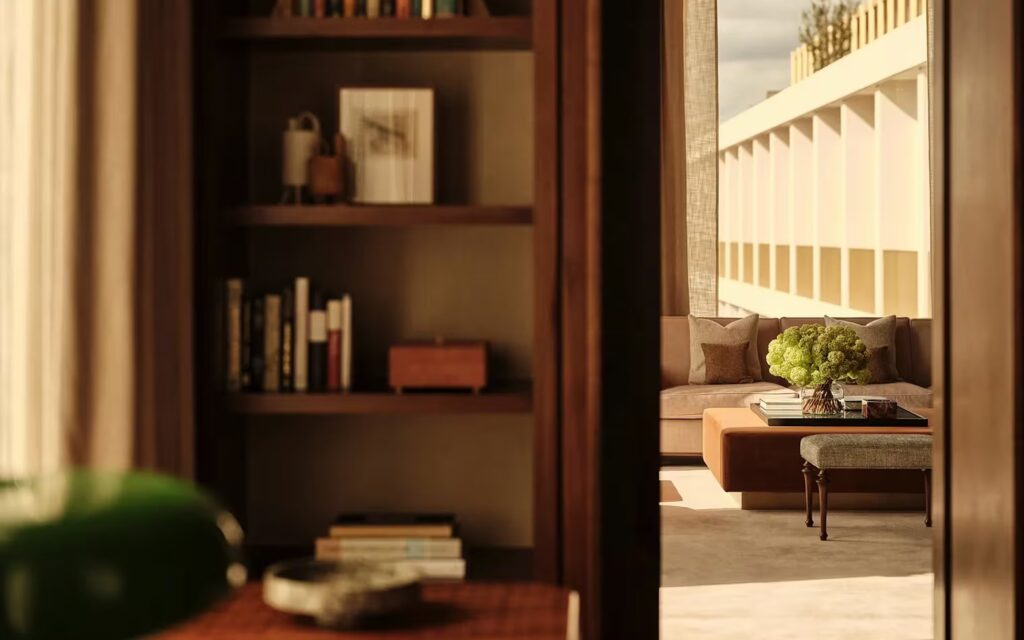
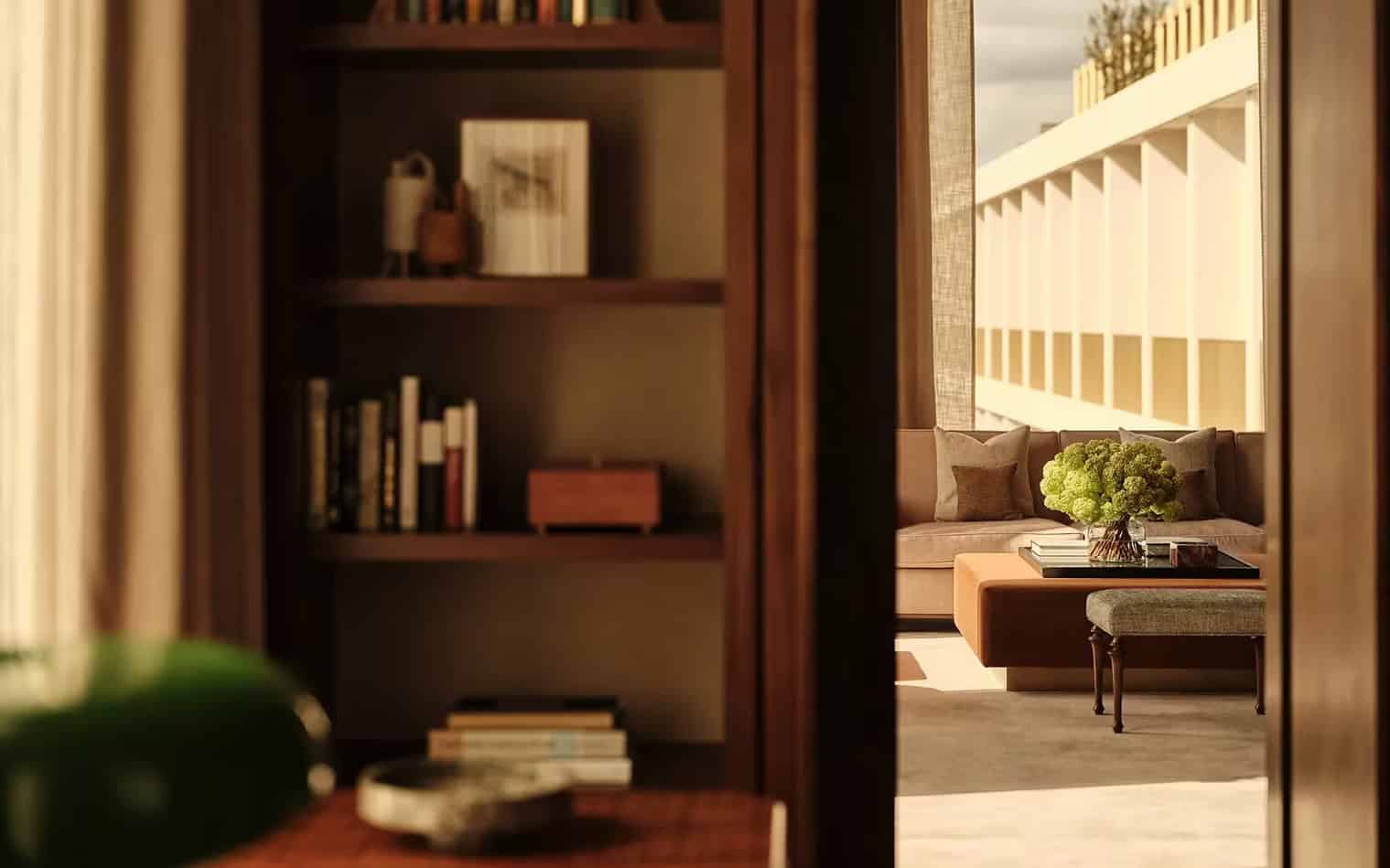
Accommodation ranges from entry‑level suites to four named “Houses”: Saarinen, John Adams, Kennedy and Chancery alongside two penthouses: Charles and Elizabeth House, that come with grand terraces and private dining spaces. Floor‑to‑ceiling glazing and careful planning make these suites feel more like airy apartments than your usual luxury hotel stock.
Art is used as another layer of soft power here. Over 700 works are carefully positioned throughout the building, including commissions by Sir Christopher Le Brun, Sussy Cazalet and Anthony Grace. Works by legends like David Hockney and Peter Blake sit alongside emerging names, giving the feel of a private collection rather than generic hotel décor package. Chancery is so serious about the collection, it even has its own art concierge.
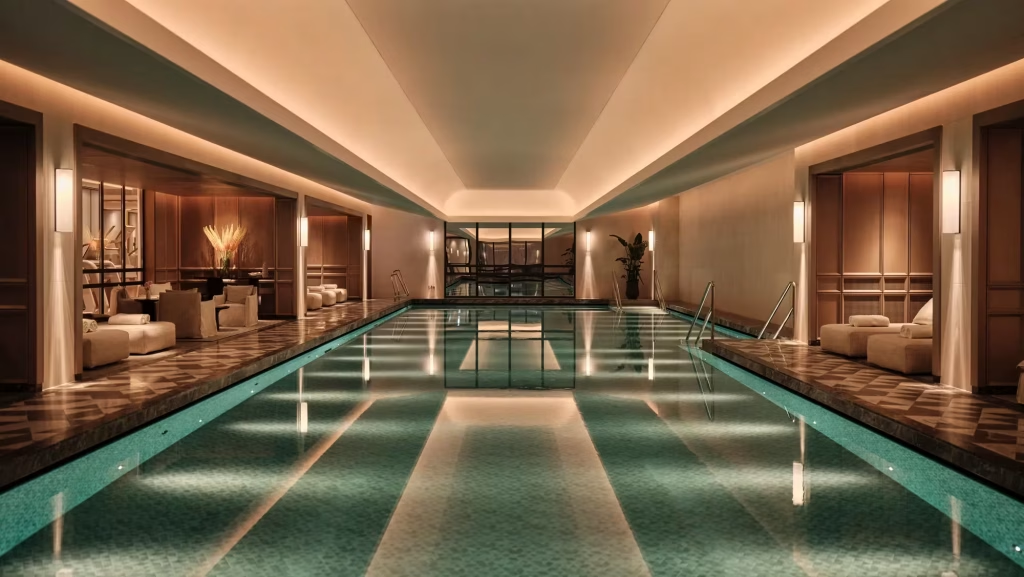
Below ground, a warmly lit 1,119 sq m wellness floor designed by Yabu Pushelberg houses a 25‑metre pool, fitness centre and aromatherapy and dermatological treatment rooms for pampering. The Asaya Spa and fitness facilities is pitched squarely at the high end global‑traveller and business traveller market: somewhere to recover from long‑haul flights before stepping into a Grosvenor Square meeting.
Tastes and terroirs
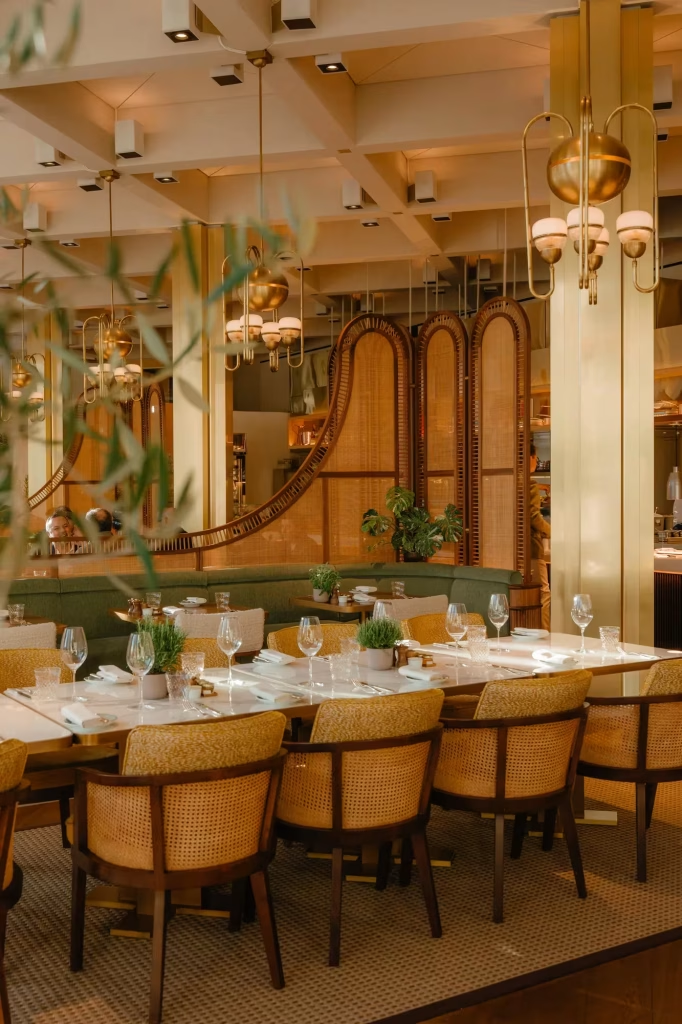
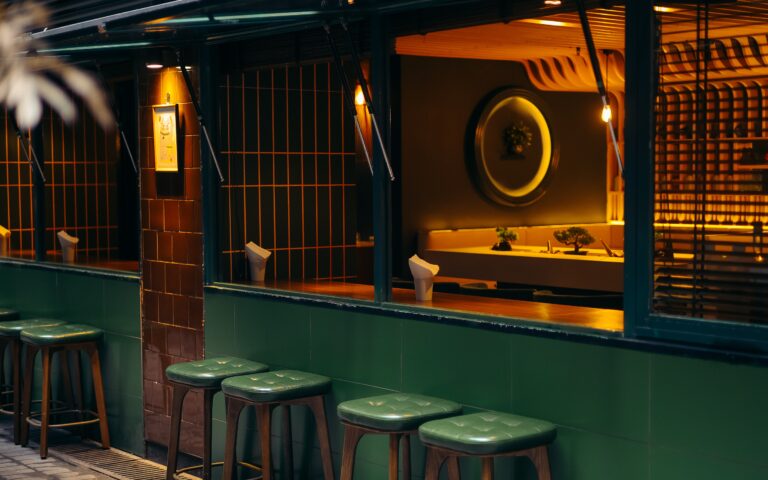
The Chancery Rosewood can feel more like a small and very posh food‑and‑drink district (similar to Mercato Mayfair) than a cloistered hotel. It hosts a total of eight restaurants and bars, including street‑facing venues and the stunning rooftop Eagle Bar with terrace and music.
There’s British tea rooms Jacqueline, inventive Japanese at Tobi Masa, modern Southern Mediterranean at Serra. In the vastness of the English capital, that mix of public and private space matters: locals get another reason to cross the threshold, while hotel guests get a sense of being plugged into the neighbourhood rather than sealed off from it.
Events are clearly a core part of the business model. A 750‑capacity ballroom, pavilion bar and flexible meeting rooms position the property for galas and launches as much as for discreet C‑suite stays. And If Rosewood’s original grand Holborn property brought the brand’s more “residential” language to London, The Chancery is that idea writ, though larger and more higher‑spec. The address may lean on diplomatic history; but the pitch is firmly contemporary hospitality in the heart of the city. It’s relying on compelling enough F&B to bring in the well heeled from afar, but also around the city.
Why it matters
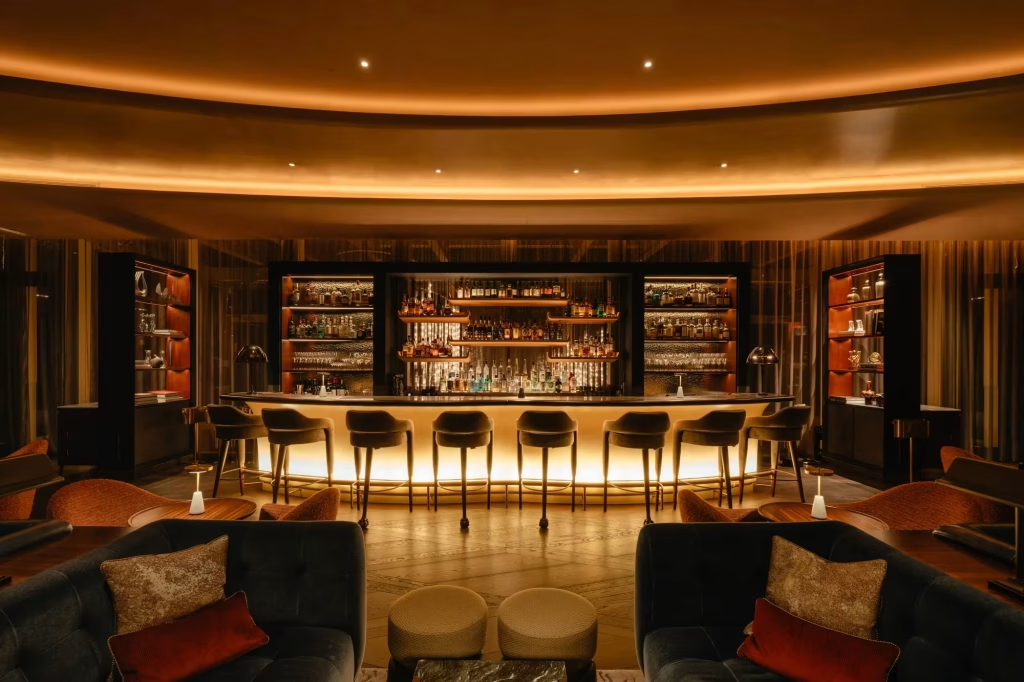
The Chancery Rosewood is more than another high-end opening in an already crowded Mayfair market. It signals how London’s luxury scene is evolving: away from ground‑up new builds toward ambitious retrofits that give modernist heritage a second life and take sustainability seriously, rather than treating it as aftercare.
For now, at least, The Chancery Rosewood feels like a confident addition to London’s already competitive luxury set. This hotel that uses its modernist shell, art, architecture, and history to stand apart from the city’s crop of heritage grand dames, without losing the one thing Mayfair’s guests still value most – a sense of exclusivity.
It also underlines how big brands now trade as much on cultural capital in art programmes, architecture names, design pedigrees, as they do on thread counts and butler services. In that sense, this hotel is a useful barometer: a sign that London’s most interesting new addresses are those that can balance soft power with genuine personality. But at Chancery Rosewood, this doesn’t come cheap. Be prepared to pay some of London’s top prices.