As overtourism continues to reshape parts of Greece, more travellers are beginning to look beyond Mykonos and Santorini in search of a quieter side of the Aegean.
If overpriced hotels, inflated drinks, clubbing and summer crowds aren’t what you’re after, on islands like Amorgos, Koufonisia and Kimolos, the pace is noticeably softer and slower. Days revolve around swims in clear coves, long lunches in family-run tavernas and evenings that unfold beneath the rhythm of island life.
Small guesthouses, wellness retreats and independently run stays are gradually drawing visitors away from the beach club culture that now defines much of peak summer elsewhere in this stunning group of islands. Each island has its own personality, and all three remain deeply connected to nature, local life and a slower pace of travel.
Having spent time on all three, I found different perspectives on the Cyclades, with each sharing the same sense of space, simplicity and connection to place. As interest grows in more conscious and meaningful forms of travel, these lesser-known islands are increasingly attracting visitors looking beyond the region’s most familiar names.
Amorgos: a rugged island redefining wellness and slow living
Amorgos is windswept and rugged, with steep cliffs, clear waters and a mountainous interior that naturally slows things down. Unlike islands built around nightlife or luxury shopping, it attracts hikers, wellness seekers, creatives and travellers drawn to a quieter pace.
The island is perhaps best known internationally as the filming location for Luc Besson’s The Big Blue, the French film that cemented its association with snorkelling, free diving and the deep blues of the Aegean. Even today, the water feels almost cinematic: deep sapphire, intensely clear and largely uncrowded.
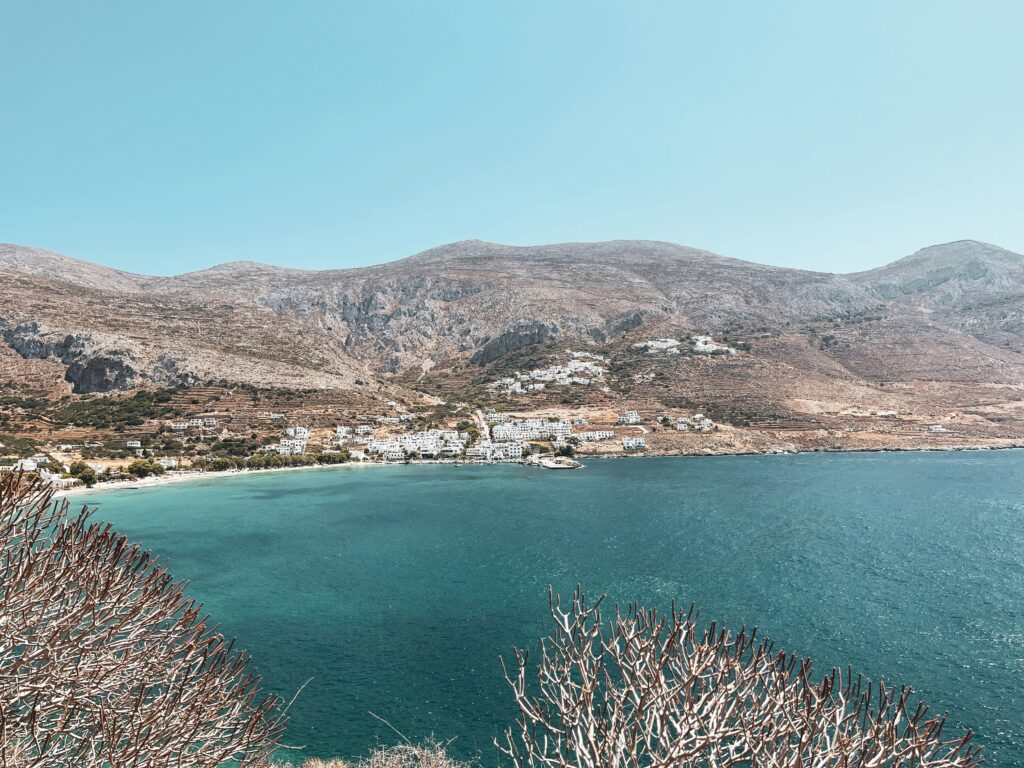
Beaches like Agia Anna, Levrossos and Paralia Mouros are among its most memorable swimming spots. Whilst there are several sandy beaches, much of the appeal lies in the quieter pebble coves and deep-water swimming spots scattered across the island, from Kalotaritissa in the south to the sheltered waters of Paralia Maltezi near Katapola.
The island’s reputation as a wellness destination feels closely tied to the landscape itself. Walking trails pass through centuries old villages, ancient footpaths and small monasteries, encouraging a gentler, more immersive way of moving through the island. The most iconic is the Monastery of Panagia Hozoviotissa, built directly into the southeastern cliffs above the Aegean. Dating back to the 11th century, it is considered the second-oldest monastery in Greece and remains one of the Cyclades’ most striking landmarks.
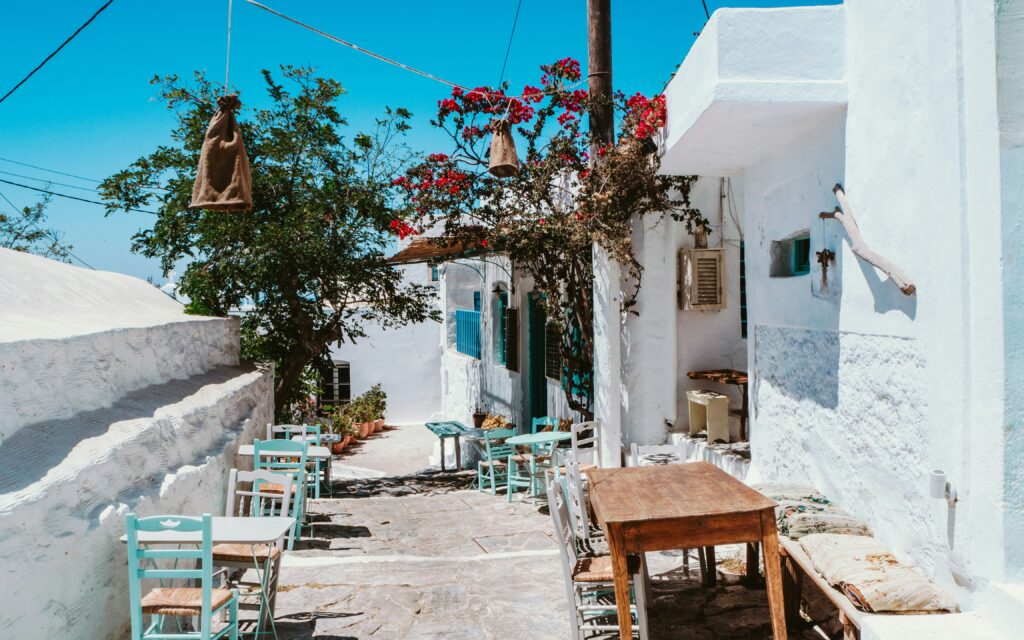
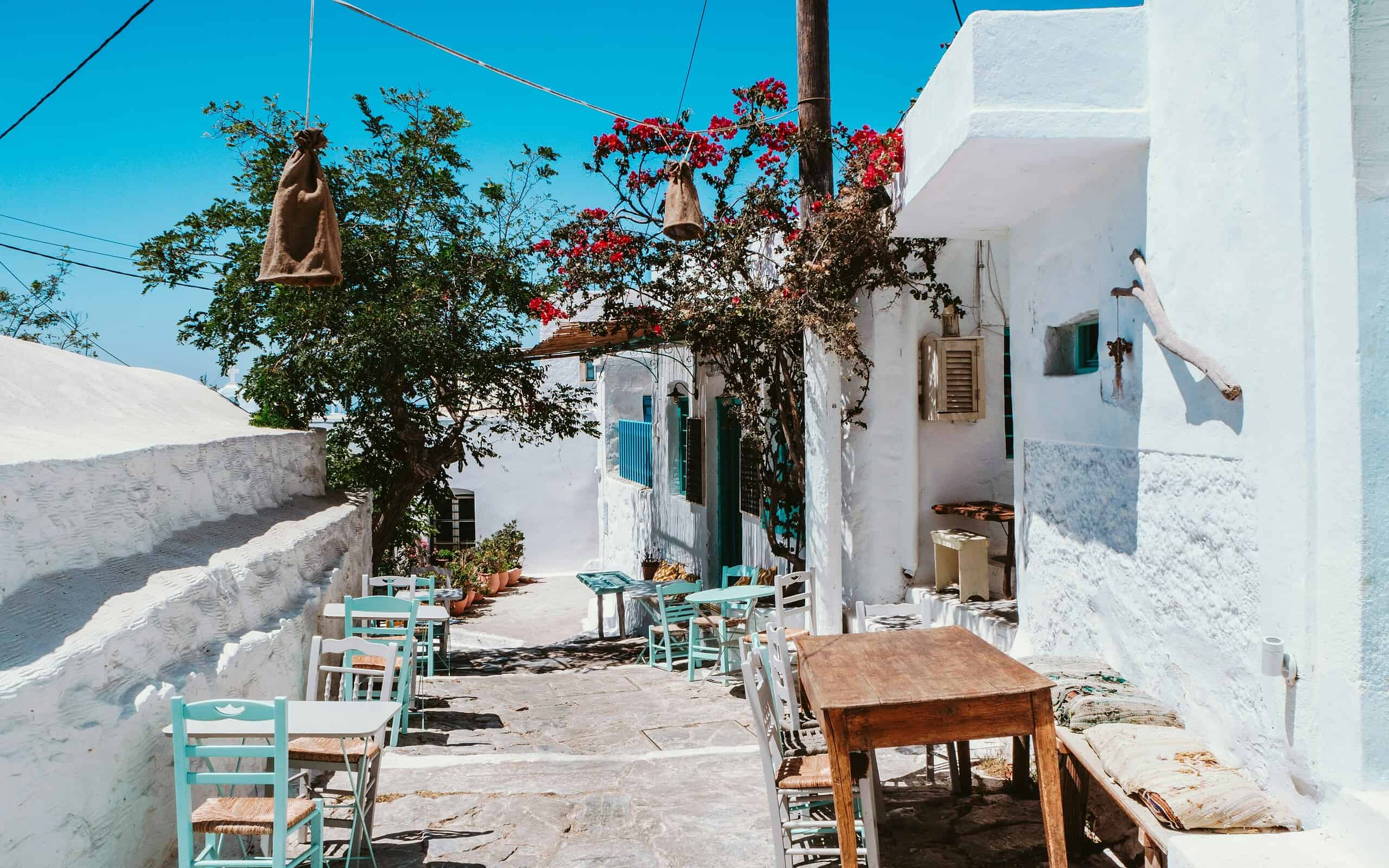
The villages reinforce this relaxed rhythm. Langada, high above the sea, feels almost suspended, with curved alleyways, whitewashed houses and painted details scattered through the village. Small cafés and tavernas spill into quiet corners beneath bougainvillea-covered terraces. Pergalidi shifts from a relaxed morning café to a late-evening cocktail bar, capturing the island’s changing pace through the day. Nearby, Jazzmin in Chora has become a familiar stop – a bohemian café-bar tucked into Byzantine alleyways where people gather over backgammon, herbal infusions and cocktails.
Wellness retreats and small boutique stays are becoming more visible on the island, particularly around Aegiali in the north. Even as wellness tourism grows here, Amorgos still feels largely untouched, with a quietness and space that’s increasingly hard to find elsewhere in the Cyclades.
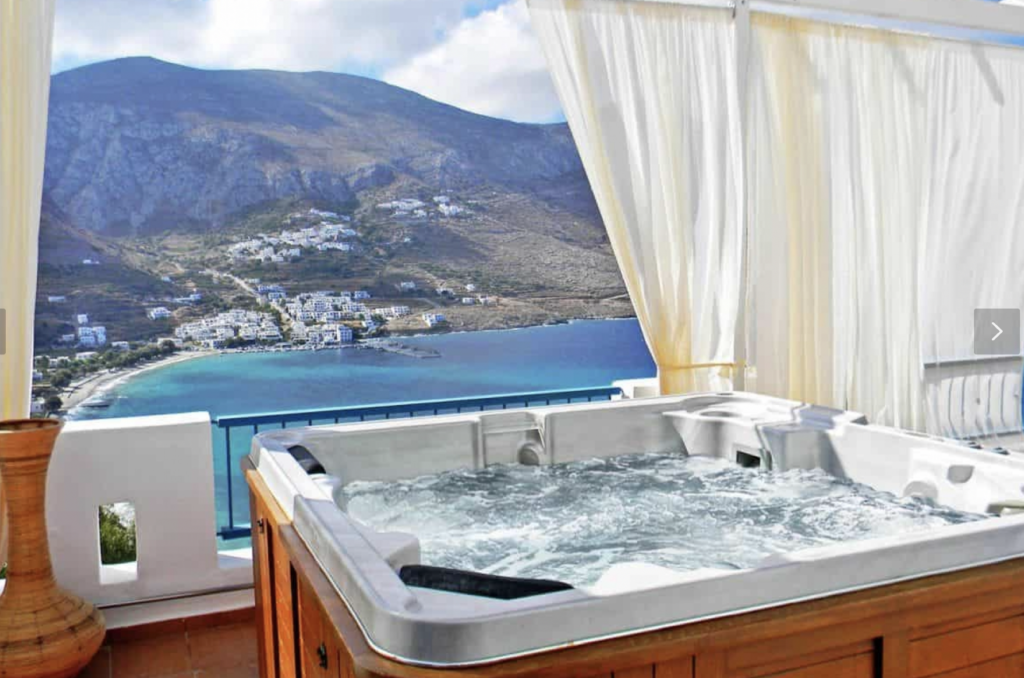
STAY: Aegialis Hotel & Spa offers yoga, holistic treatments, a wellness focus and stunning sea-view spaces. The ethos here is centred on rest and slow living. And the spa suite is especially captivating.
Koufonisia: tiny, barefoot and made for unhurried life
Small enough to walk across in just a few hours, Koufonisia has increasingly built a loyal following among travellers looking for simplicity. Part of the Lesser Cyclades, life here stays closely tied to the sea.
Unlike neighbouring islands that have expanded quickly to meet tourism demand, Koufonisia has kept a stripped-back feel. Cars are rare, beach bars remain understated and much of the island can still be explored on foot or by lantza – the traditional wooden boats that move between beaches throughout the day. The southern coastal trail is one of the easiest ways to experience it, passing golden coves, sea caves and clear swimming spots along the way.
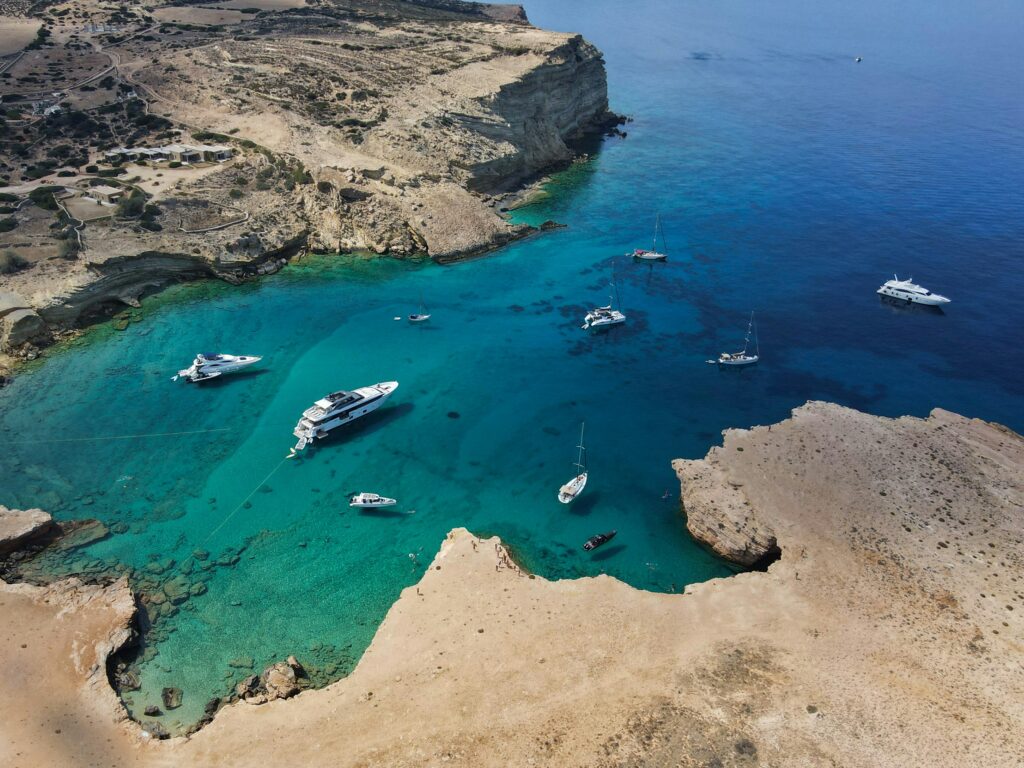
Pori Beach, a wide crescent of soft sand and turquoise water, is one of the island’s best-known stretches of coastline. Nearby, natural rock formations create small swimming pools and sea caves, including Gala Cave and the Ksylompatis formations along the rugged shore. The Paralia Italida cluster is just as compelling, with smaller coves, smooth rocks and empty corners that are ideal for swimming.
Part of Koufonisia’s appeal is what it doesn’t try to be. There are no large resorts and no cruise ports. Instead, life centres around small guesthouses, family-run tavernas and cafés where lunches stretch out by the water. Seafood is often served simply and directly, as at Neo Remezzo, where fish is brought to the table beside the sea.
There’s also a small but growing creative presence. Galleria Spigolo, tucked into one of Chora’s narrow lanes, showcases Cycladic ceramics, art and design pieces. In the evenings, Sorokos Bar becomes a natural gathering point – a simple waterfront spot where people linger over drinks, swim between conversations and stay long after sunset.
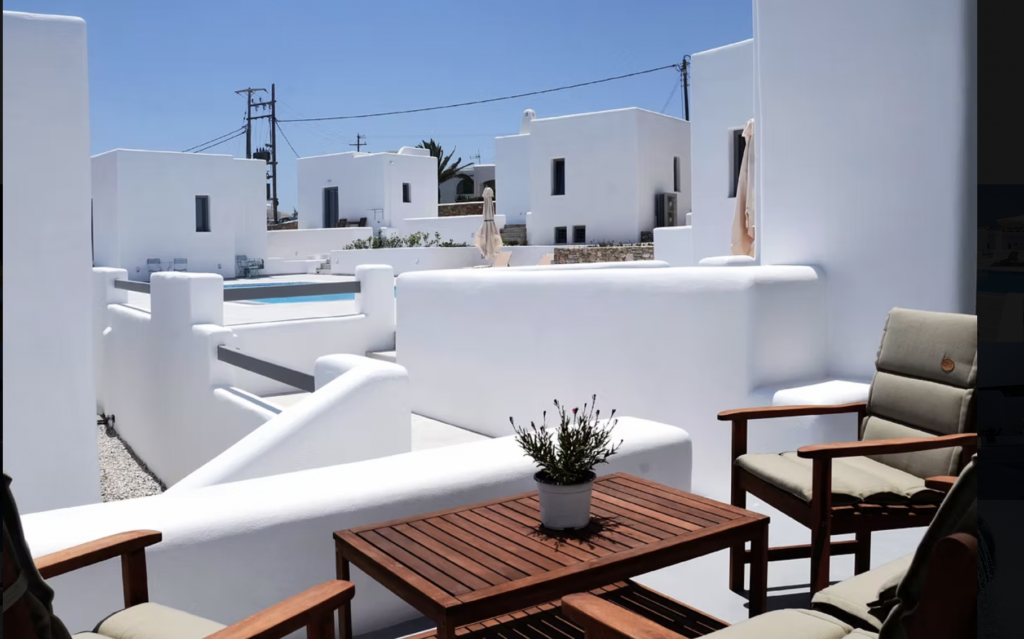
STAY: Ionathan Koufonisia Suites are known for their warm, personal hosting and relaxed, home-like feel.
Kimolos: the understated alternative quietly stepping out of Milos’ shadow
Long overshadowed by neighbouring Milos, Kimolos has remained one of the Cyclades’ most tranquil islands. As Milos has grown into a major summer destination, Kimolos has taken on a different kind of appeal – drawing travellers looking for something peaceful and less developed.
The contrast is immediately clear. While Milos is known for its viral beaches and fast-expanding tourism scene, Kimolos is noticeably more relaxed. Stone-paved village lanes remain uncrowded and much of the island is still undeveloped, with nature shaping the landscape in a way that feels increasingly rare across the Cyclades.
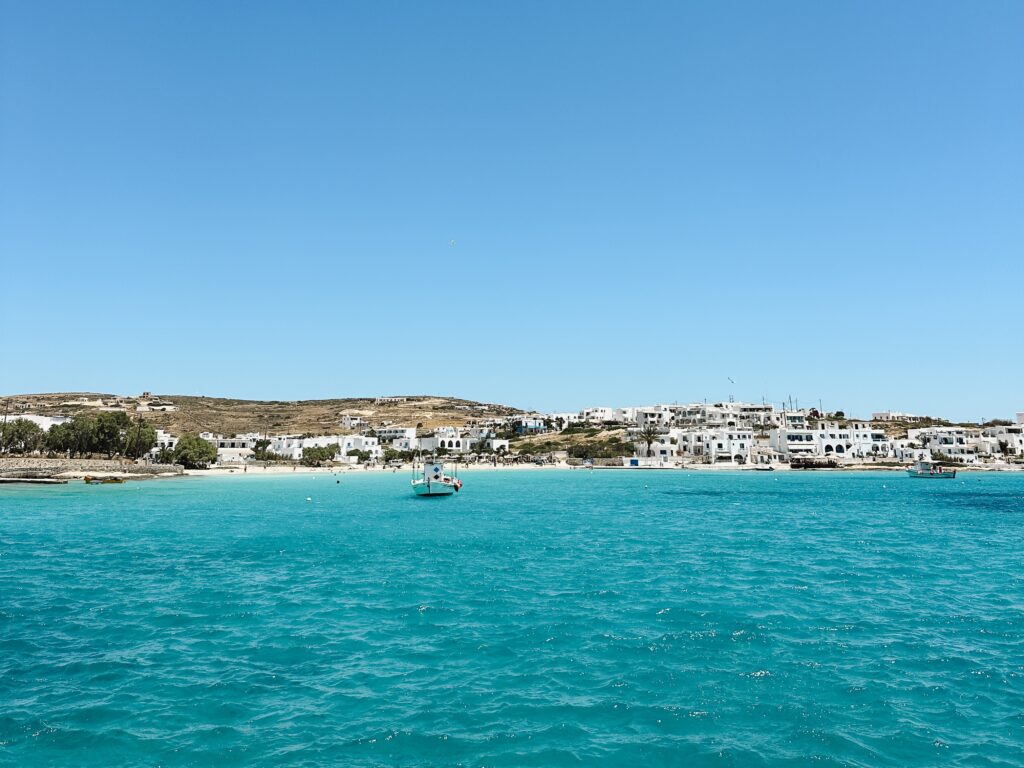
Best explored on foot, here walking trails cut through volcanic hillsides, dry terrain and quiet coastal paths, revealing the island’s geological character. The Chorio–Skiadi–Mavrospilia route crosses the northwestern interior towards Skiadi – a striking mushroom-shaped rock formed over centuries by wind and erosion. The landscape is raw and unpolished, shaped far more by nature than human presence.
The island also opens easily onto the sea. It serves as a gateway to Poliegos, the large uninhabited island to the southeast, reachable only by boat. Day trip tours around the area reveal bright blue water, hidden coves and volcanic coastlines that feel almost untouched.
Back on Kimolos, the beaches are understated. Prassa Beach, with its pale sand and clear turquoise water, is the best known, though it rarely feels crowded even in peak summer. Further south, Dekas opens out towards the islet of Agios Andreas, while Mavrospilia is best visited at sunset, when dark rock and soft light settle over the coastline.
Chorio, the island’s only village, is where daily life quietly gathers. Built around the remains of a Venetian castle, it unfolds through narrow alleys, shaded squares and small courtyards. Bougainvillea spills over whitewashed walls, artisan shops sit beside traditional kafeneia, and the pace is steady and unchanged. Even in summer, it retains a strong sense of local life that many Cycladic islands have gradually lost.
Food here follows a simple rhythm tied to place. Bakeries remain central to village life, serving local specialities defined by simplicity rather than reinvention. Ladenia – often described as Kimolos’ answer to pizza – is topped with tomatoes, onions and olive oil, while tirenia and elenia reflect the island’s focus on straightforward, comforting flavours built around cheese, olives and bread.
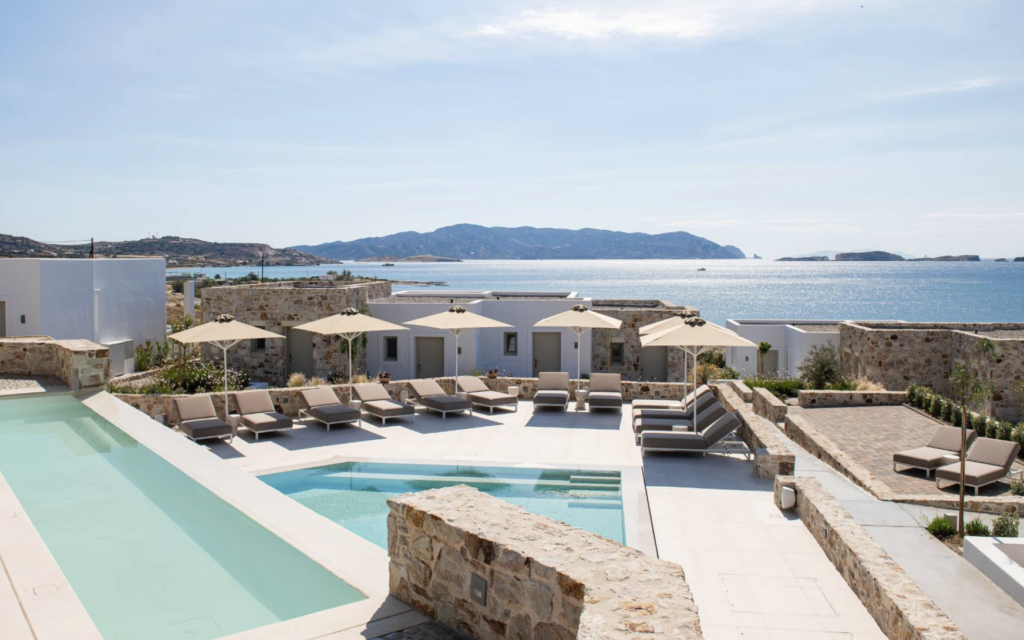
STAY: Espera Suites, set in the quiet area of Kalamitsi and inspired by the architecture of Kimolos’ Castle, offer a thoughtful, offbeat retreat that slows time and invites calm, with minimalist elegance, comfort and sweeping views made for living fully in the moment.
Amorgos, Koufonisia and Kimolos remain largely under the radar. This is the Cyclades shaped by nature and everyday island life. Perfect for those who want a more offbeat way of travelling, where detours off the main routes also support small local economies, foster more meaningful connections and help ease pressure on the region’s most visited islands. At a time when travellers are seeking destinations beyond the usual mass circuits, detour here for a slower, more grounded perspective on the Greek islands: one that remains deeply connected to the people and landscapes that define them.