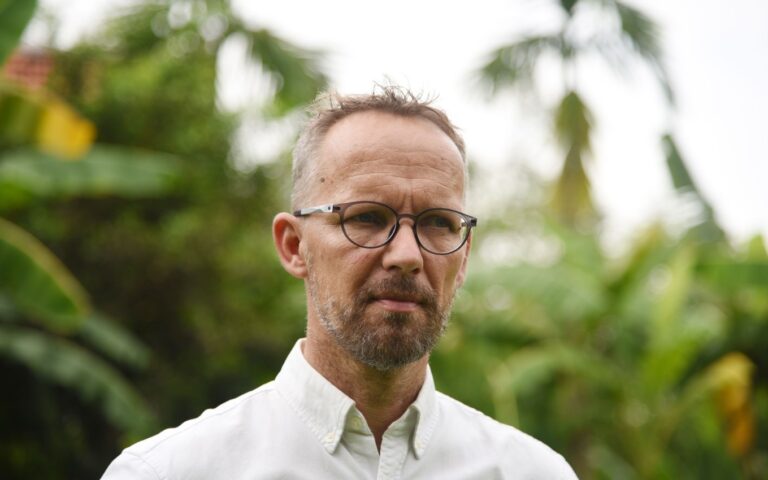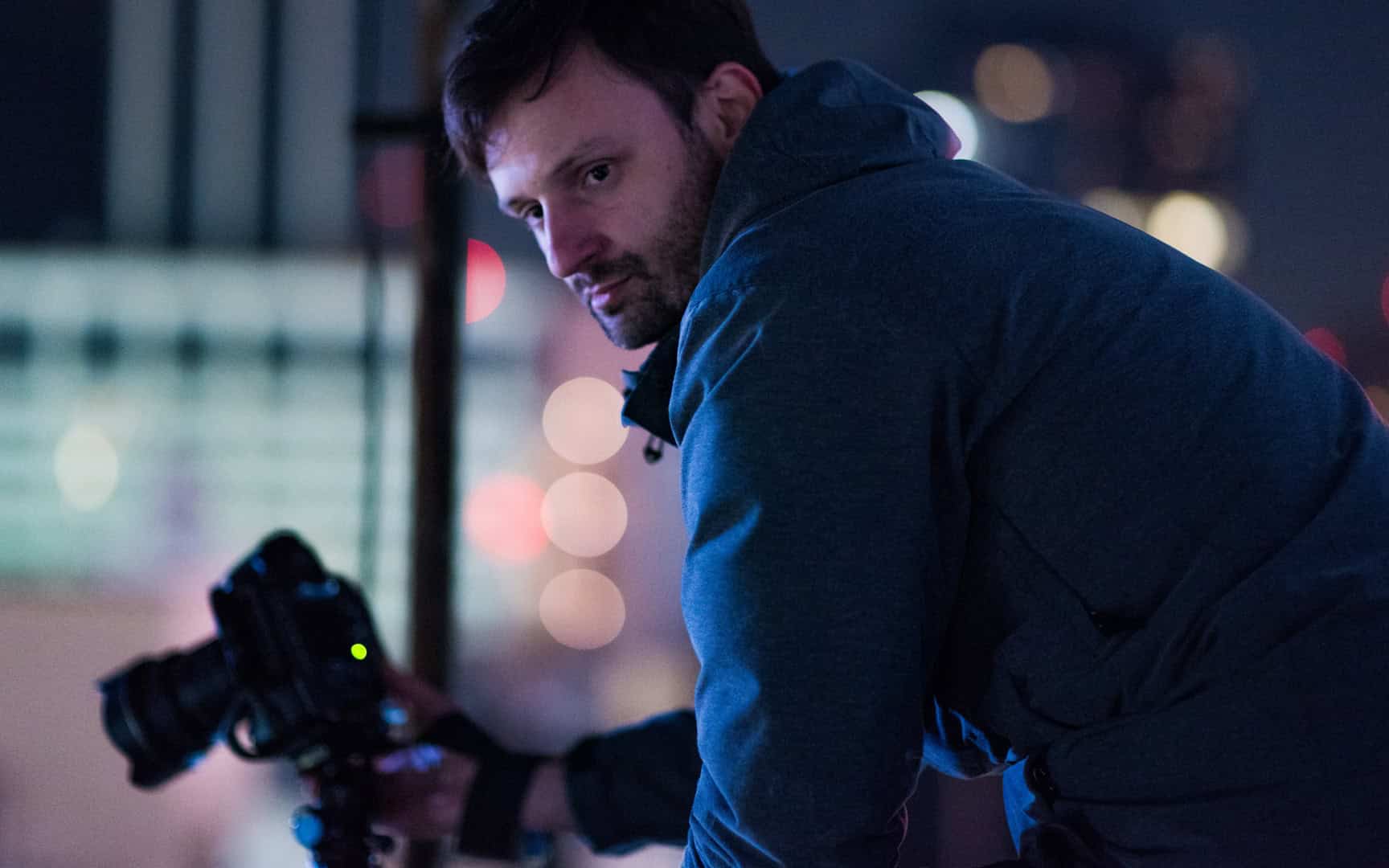
Lukasz Palka has spent two decades learning to see Tokyo the way most people never will. Born in Poland, raised in the United States, and living in the Japanese capital since 2008, the urban photographer has built a body of work that treats the city not as a backdrop but as a living subject: layered, and endlessly resistant to easy interpretation.
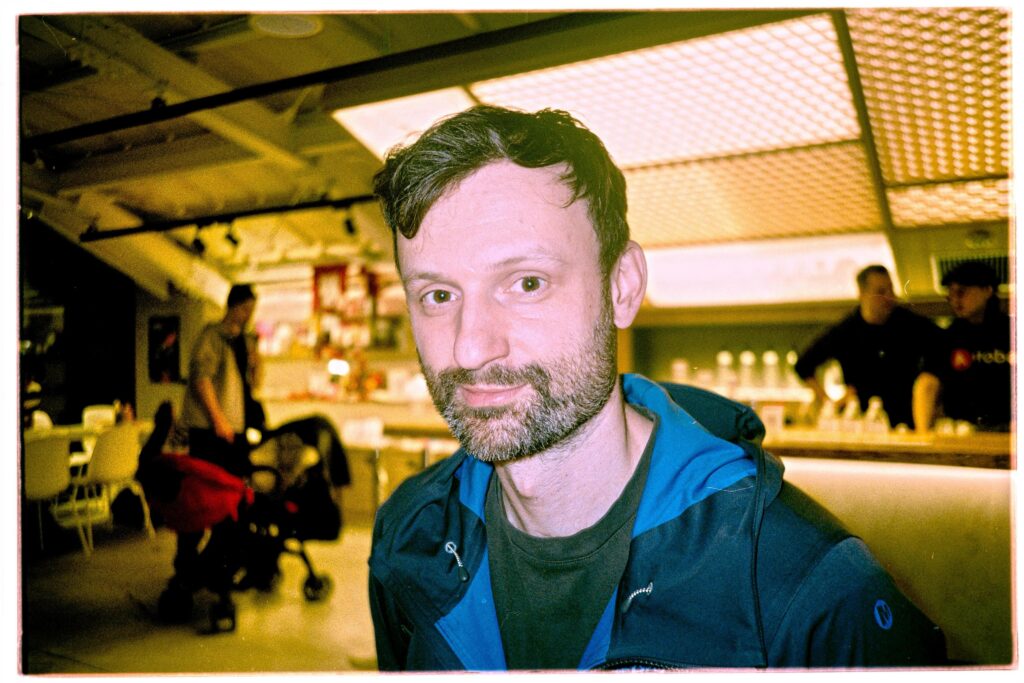
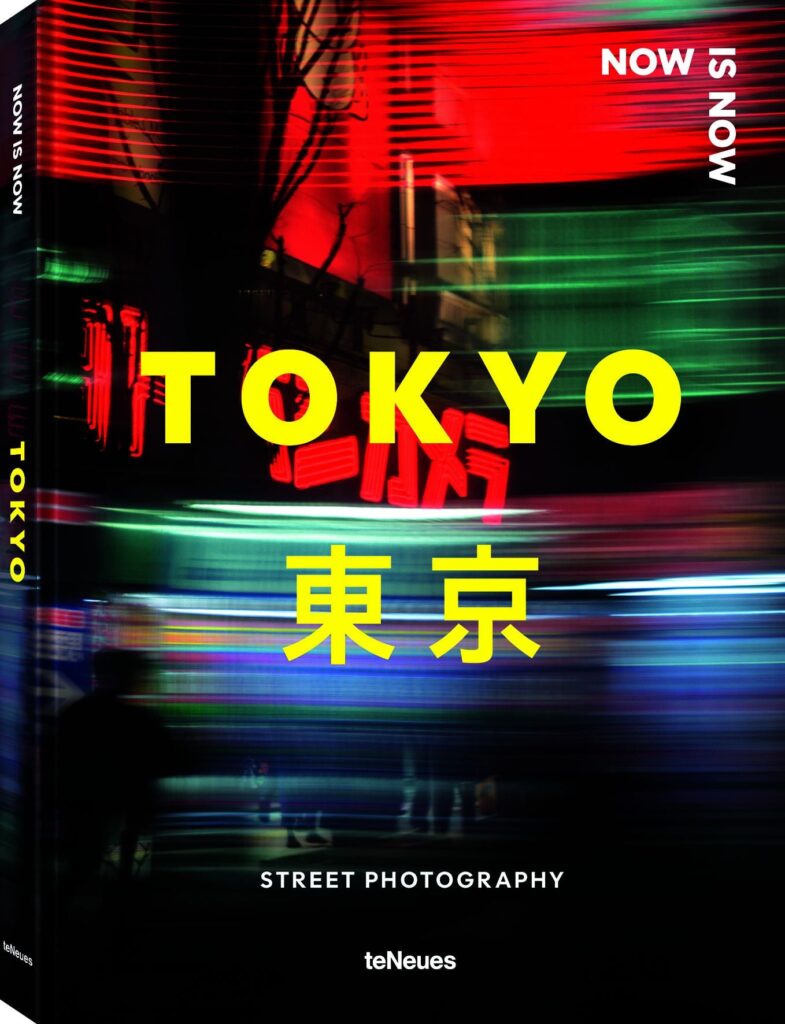
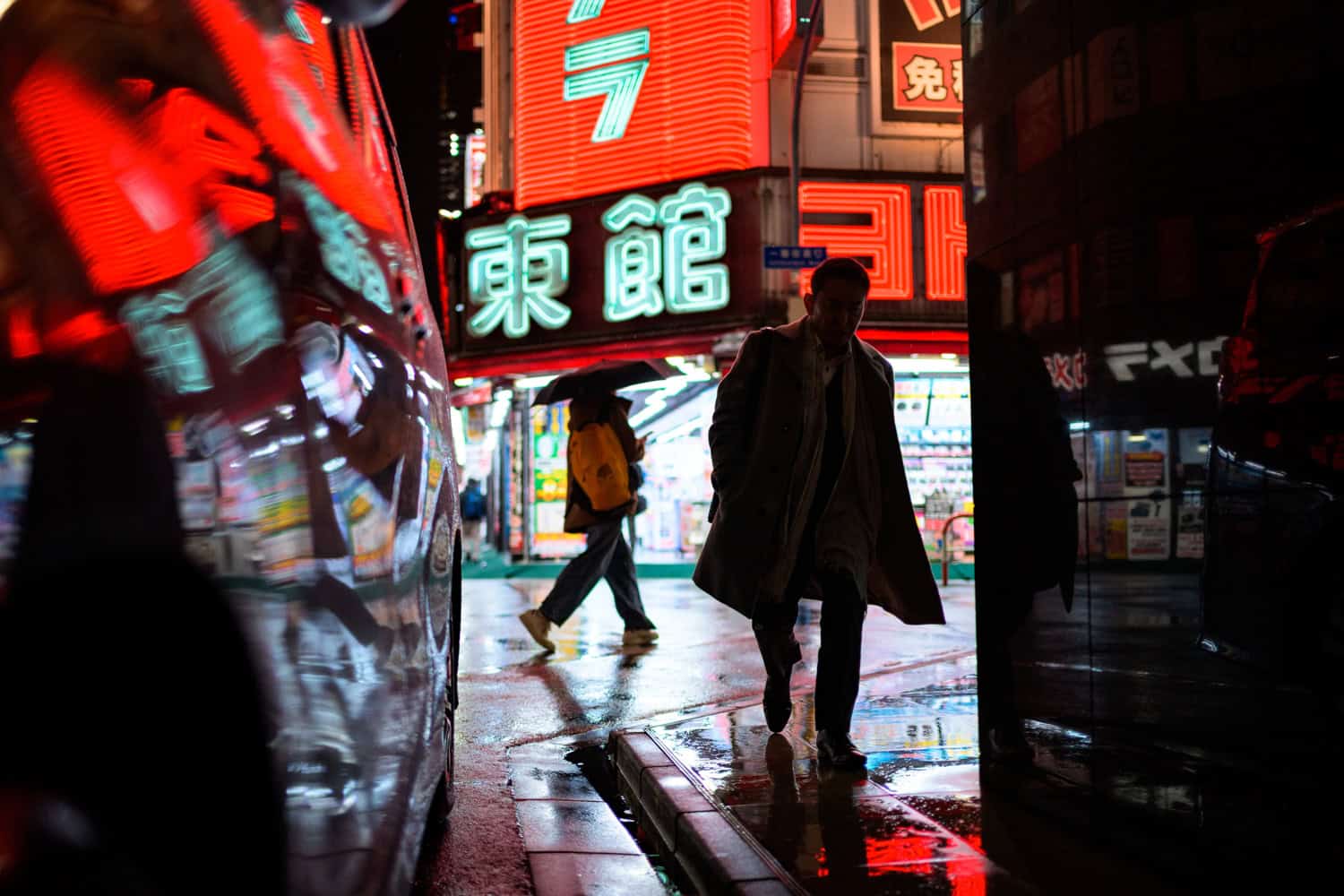
His first book, Tokyo Unseen, established him as one of the more distinctive voices in street photography, with influences ranging from William Eggleston to the cyberpunk Blade Runner. Now his second, Now is Now Tokyo, released last week, takes the fascination to a new collective direction: 18 photographers, each with their own eye and their own relationship to the city – an attempt to capture something about Tokyo that no single lens could hold alone.
When did you realise these photos deserved a book?
Ah, that was when the publisher contacted me and asked me to make a book! Honestly, I’ve always wanted to do a book, but I know now that I was completely naïve to think I had enough material for a book after just one or two years of shooting. When the publisher got in touch with me in 2023, I had been shooting for 12 years already. They saw in my online presence that I must have a ton of material and felt it had potential, so they got in touch with me.
So, I guess in the beginning it might take about 10 years. But the next book wouldn’t take as long. I shoot so much more now, and I have a better idea of what I’m looking for. But I’m a bit crazy in that I think I shoot way too much and am starting to drown in unedited, unorganized work. But I’ll catch up someday.
Hardest image to leave on the cutting room floor?
That’s really hard to say because there are 18 photographers, including myself in the book. So, I had to make some hard choices on behalf of every photographer in there. But speaking for myself the hard part was choosing a consistent them for my work. Having only 10-12 photos in the book means the theme has to be tight, not meandering through various themes like in my first book Tokyo Unseen, which features over 150 photos.
Was it difficult to pivot to a collective Tokyo portrait?
Not really. I already knew a lot of the photographers involved. I really appreciate their varied and disparate styles, so it was actually quite exciting putting it all together. The part that was difficult was selecting exactly whose work should be in the volume. A few of the photographers were very obvious choices, but there was a long tail of great talents that unfortunately could not all fit in the volume.
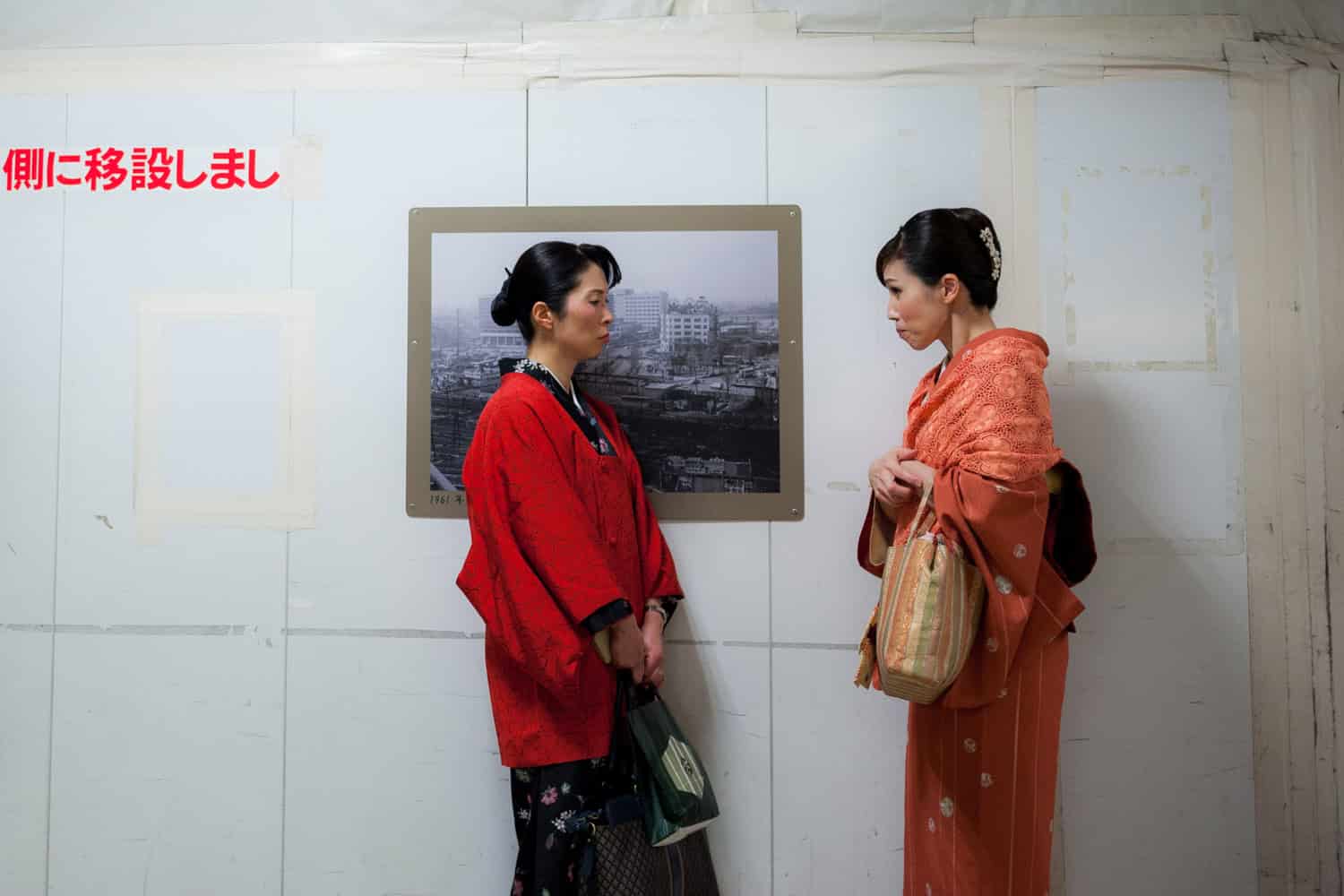
Did your approach to editing this book change how you shoot on the streets?
Oh, not at all. They are two entirely different things. The book is the book. It is downstream of the images. In fact, if anything, it’s images that inform the book not the other way around. Editing a book only affects how I see the images after they are shot. But I never think about books, social media, prints, or any kind of ‘publishing’ when I am shooting. I am only concentrating on the moment at hand, nothing more.
How much of your work is luck versus practiced instinct?
“Luck is when opportunity meets preparation.” I have no idea who first said that, but it sums up street photography for me. I can’t control the universe and what happens in it, but I can be ready when the magic happens. However, the real practice is not in the hand or the mind; it is in the eye.
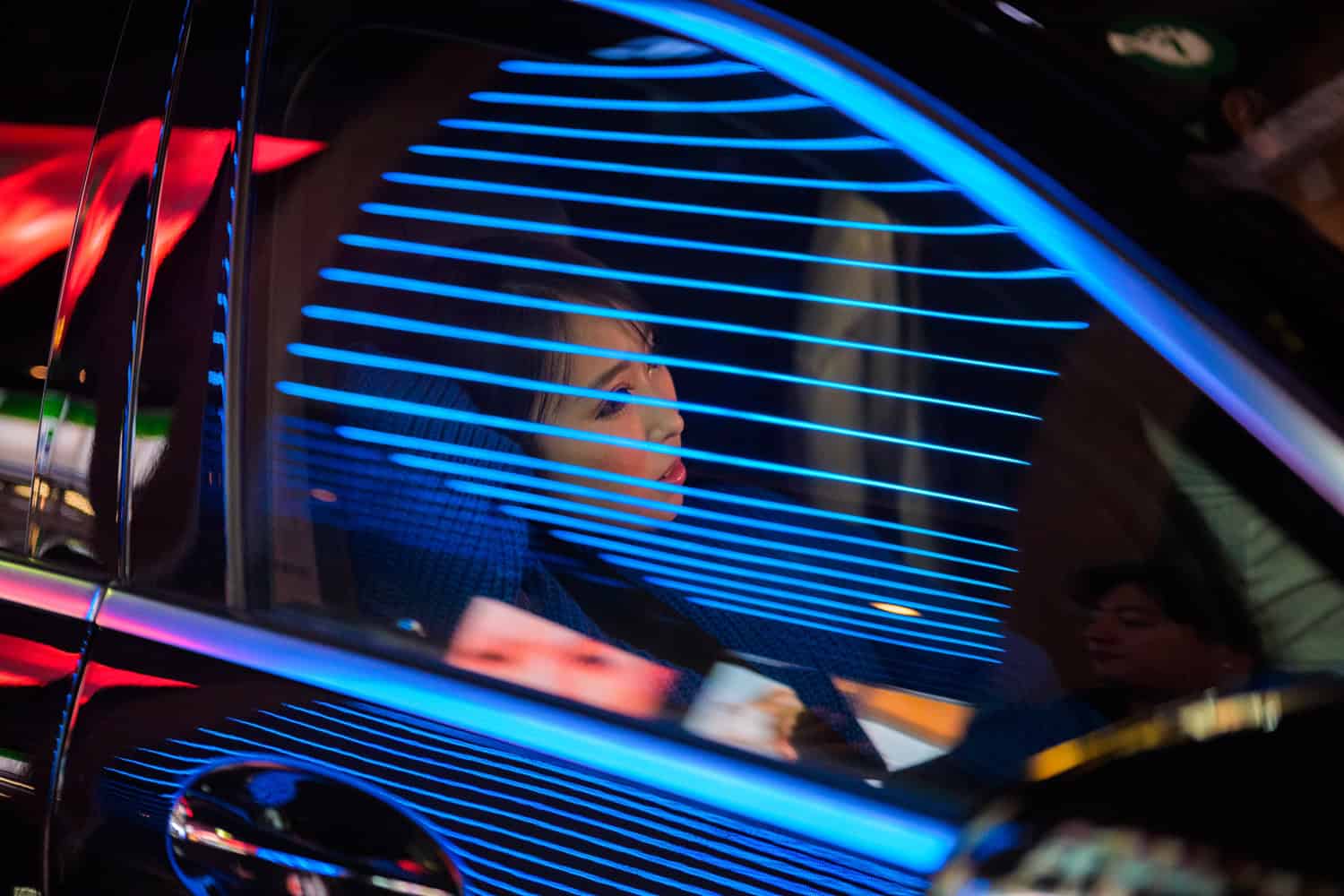
We have to be able to see the moment when it presents itself. Learning how to see takes years and years of practice – being out there in street observing, photographing, figuring out what works and what to look for. Often the universe gives hints of what will happen or what opportunities exist for me to capture with our camera. But those hints are subtle, and it’s necessary to become sensitive to them. In that sense, after much practice, street photography is instinctual.
When does a street you’ve walked a thousand times turn into a shot?
Who knows? Sometimes it happens on the first time. The trick is not to think about it. The walking is the work, not the shooting. Just being out there, even if I don’t shoot anything, is the accomplishment. The shots spring naturally from the consistency. If it takes 1000 walks down the same street, that’s okay. Having said that, I’m very open minded in my shooting so I always get something I’m interested in—but not necessarily something that’s worth showing to everyone.
You reject a ‘fixed style’ – how do you keep your work evolving?
I don’t really think about this consciously these days. I just go out and shoot. A lot. Inevitably new ideas spring forth. I do sometimes get bored of particular lenses (I almost always use primes) so changing the focal length does force a different perspective. I am also gradually venturing into the world of film. But I don’t have a plan. I just follow my nose and let things happen.
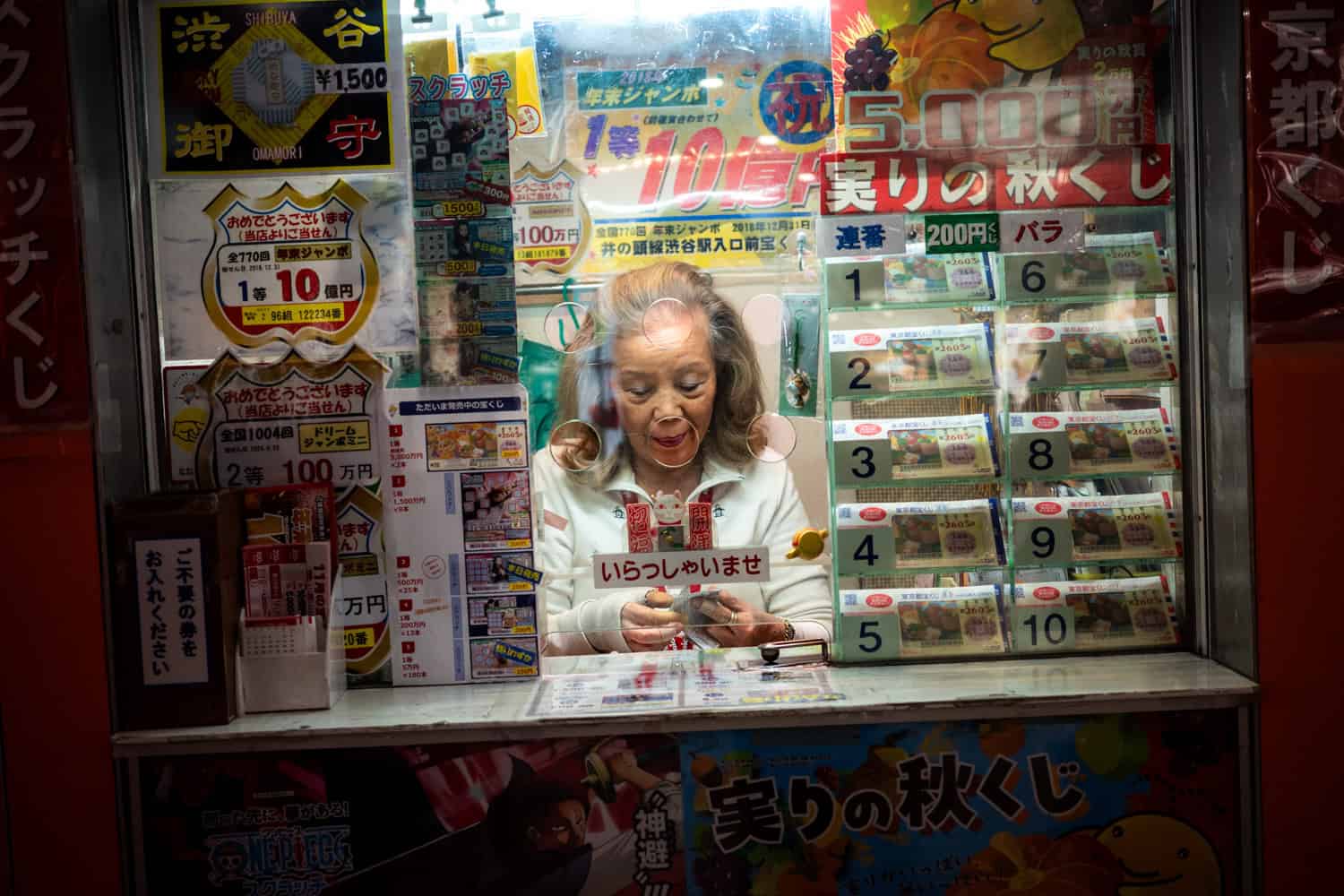
Is street photography an escape from reality, or a way to engage?
Hmmm, why not both? It’s an escape for me in the sense that it’s basically meditation. I lose myself in it and focus on the moment at hand. It becomes all there is, like looking through a keyhole. But at the same time if done that way one becomes fully present in the moment, as close as one can get to objective reality. I am here, now, on the street.
You’ve documented Tokyo for nearly 20 years; is this book a love letter or a goodbye?
It’s definitely not a final goodbye. I will be shooting in this city for another 20 years. It’s not quite a love letter like my first book, Tokyo Unseen. It’s more like a compendium of what’s what and who’s who in the world of Tokyo street photography. But as I said above it wasn’t comprehensive and I would love to do a Part II!
Favourite local restaurants?
How can I choose? There are hundreds of great restaurants… let’s pick a hidden gem: Iitoki in Ikebukuro is a place I’ve been countless times.
Local hidden gem?
Seems like almost everything in Tokyo is a local hidden gem… Let’s go with Mermaid Coffee Roasters in Ikebukuro.
Best local bars?
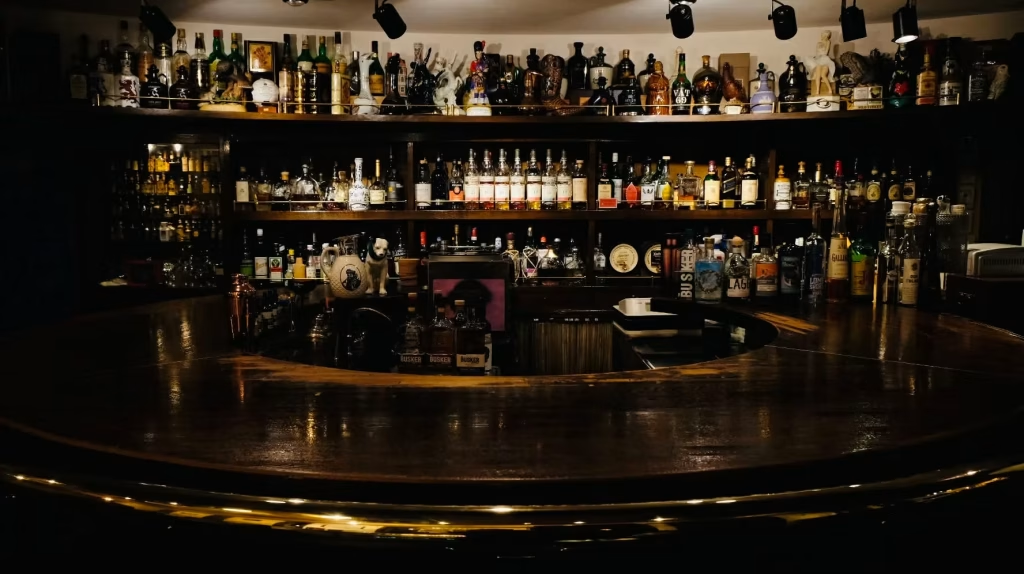
Let’s go with Bar Fullhouse in Ikebukuro. All three from Ikebukuro because I used to live there and the whole area is a hidden gem, really.
Your top three museums in the world and why?
Art Institute of Chicago, Van Gogh Museum in Amsterdam, Tate Modern in London.
Most inspiring city you’ve visited recently?
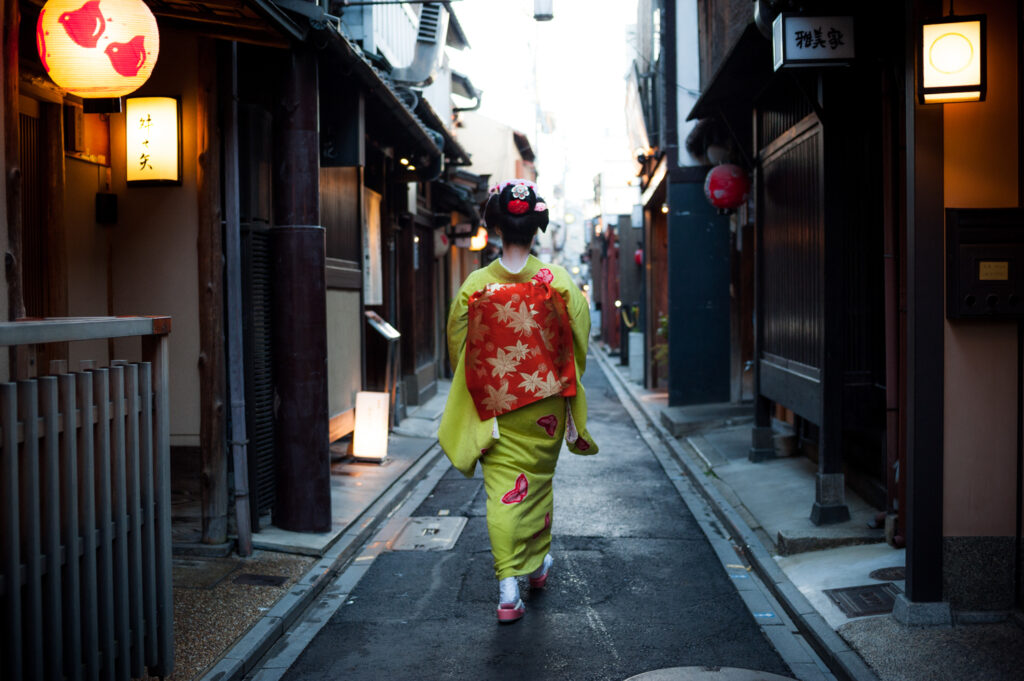
Kyoto.
Travel splurge you’ll never regret?
The first four months I spent in Japan as an exchange student and blew through my entire savings on sushi, bars, and dumb shit.
Where do you go for pure escapism?
Hanging out with my 2.5-year-old son.
Where do you go for creative stimulation?
A photobook store.
And where do you go when you need a reset?
Probably with my YouTube channel. Or, it’s not a reset per se, but I need to hunker down and work through my gigantic backlog of unedited photos. I’m over a year behind. But there is always something coming up and keeping me busy.
What’s always in your carry-on?
Of course, I always have a camera with me – that goes without saying.
Best travel advice or philosophy?
Walk a lot. Especially in Tokyo. If you just take the train everywhere you’re just hitting tourist spots and missing the ‘meat’ of the city.
Dream vacation, not yet fulfilled?
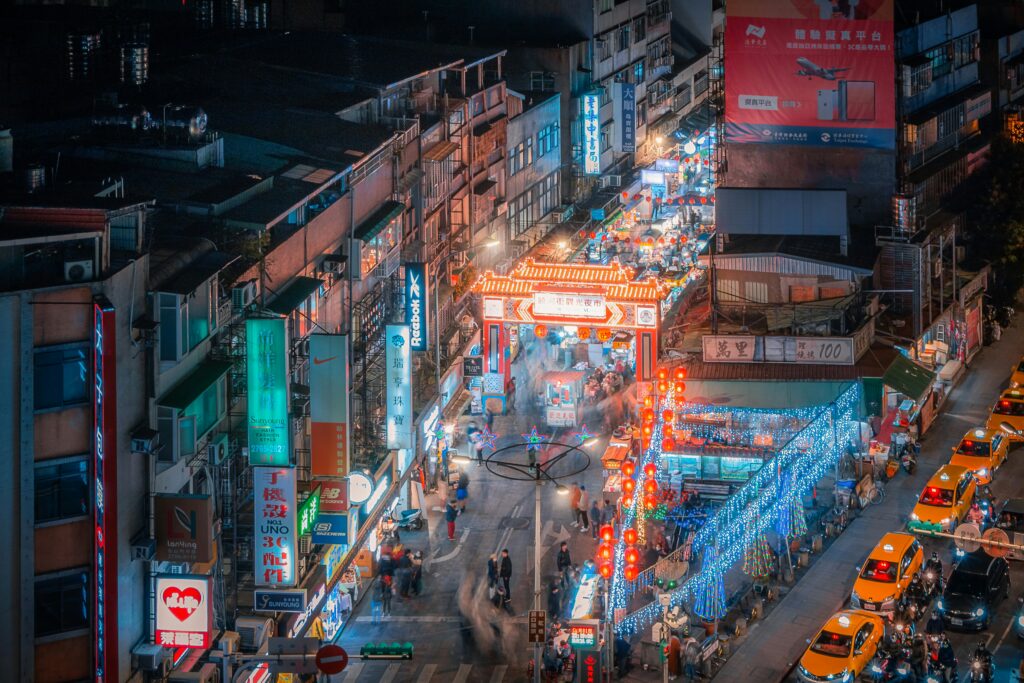
Taiwan. I’ve been meaning for a few years to head to Taipei for street photography specifically.
After two decades in Tokyo, what secret story are you still chasing?
It’s hard to say because I don’t really chase anything. I am zen about it all. I consider photography a part of living in the same way that breathing is a part of living. I can hold my breath but only for so long. Eventually I have to breathe. And I have to shoot. So, I just shoot. The images pile up and somehow from the chaos something may or may not arise.
What is the one truth about human nature you’ve learned from standing on a Tokyo corner?
If you wait long enough magic is inevitable.