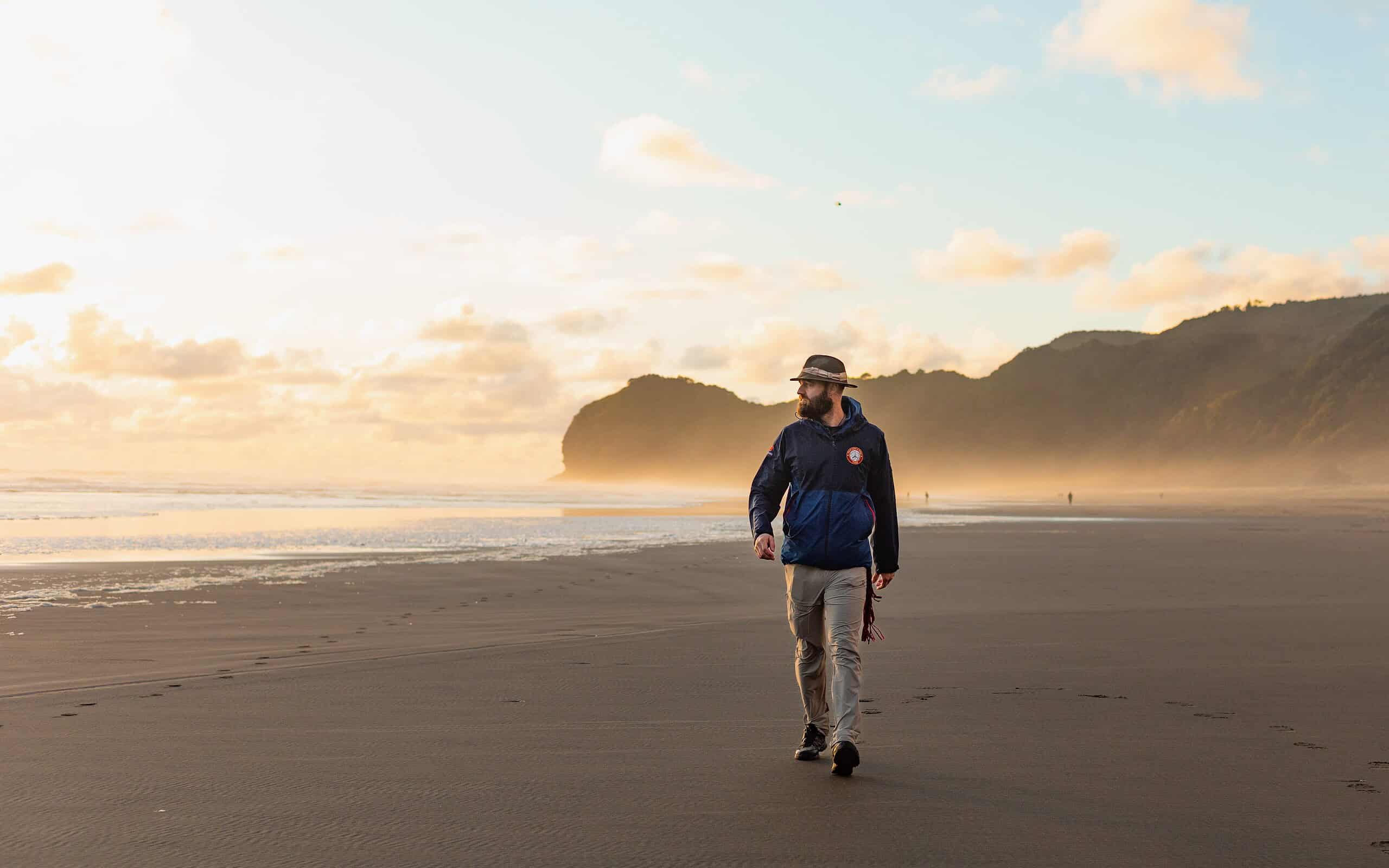
Thor Pedersen has done something that, statistically speaking, should not have been possible – and almost wasn’t. The Danish adventurer spent nearly a decade travelling to every country in the world without once boarding a plane, navigating borders by foot, bus, train, cargo ship and sheer persistence across 203 nations. What began in October 2013 as a four-year plan became something far more consuming: a test of endurance, bureaucracy and conviction. On 23 May 2023, he stepped ashore in the Maldives and made history.
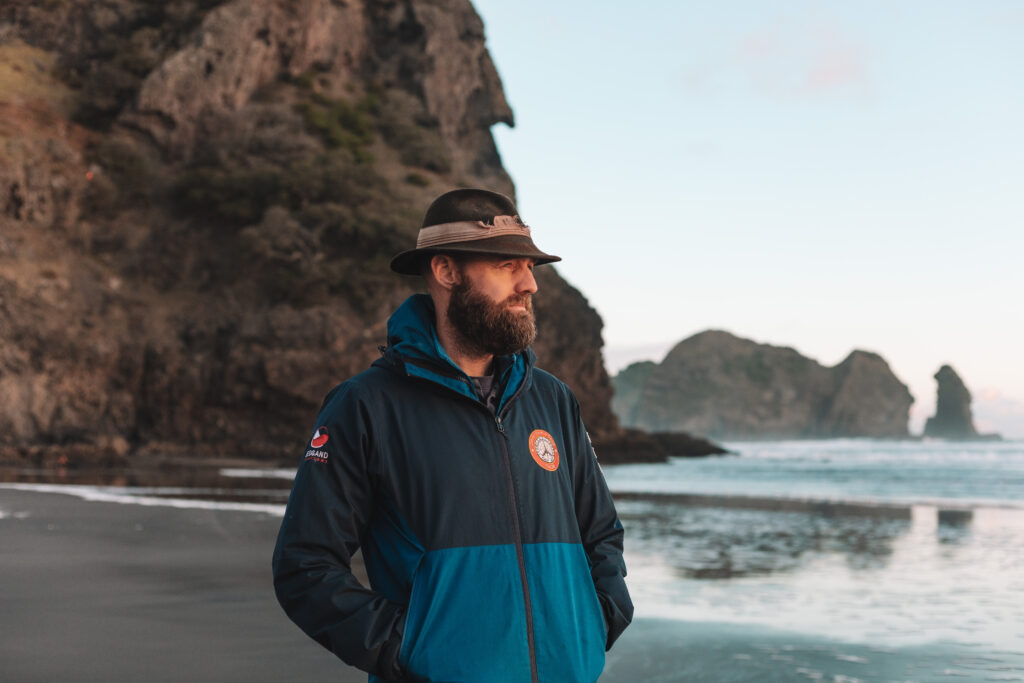
His memoir, The Impossible Journey, published last year, is the account of all of it, while a documentary following the journey brought his story to a wider audience. Now back in Copenhagen with his wife and daughter, Pedersen now speaks publicly about what a decade of borderless travel taught him about the world – and about human nature.
What was the original spark that convinced you to commit to 10 years without flying?
Well, it should be mentioned that I thought it would take less than four years to complete. It all started when my father sent me an email, I followed a link and read about some of the worlds most travelled people. Through that I realized that nobody had succeeded in reaching every country completely without flying. That was the ‘spark’. I saw my chance to do something unique and historical.
What kept you going during the hardest stretches of the journey?
I’m not sure. At various times I was inspired by different things. But at times I wasn’t inspired by anything and wonder why I didn’t give up and go home. Lately I have been thinking it must relate to hope. I always had hope that the solution to a problem would be right around the corner. I had hope that tomorrow or next week could be better than today. I had hope that I would meet the right people and that doors would open before me. So I guess I’ll have to say the answer is hope.
Which country completely changed your worldview?
Possibly Tuvalu. Before reaching Tuvalu I might have thought that the country is a victim of global warming and that it is a horrible thing. Don’t get me wrong – that much is true. However, it is not the full story. Media focuses heavily on a Pacific paradise being swallowed by the sea as a consequence of global warming. After spending two months in Tuvalu and uniquely visiting all nine islands within the tiny nations I formed an opinion. While the people are kind and there is much good to be said, there is also a reality that Tuvalu just doesn’t work in a modern world. It consists of around 10,000 people and is very remote. 99% of anything they use is imported. A small society like that cannot run the economy of an isolated country in a modern world and meet its needs within education, healthcare and infrastructure.
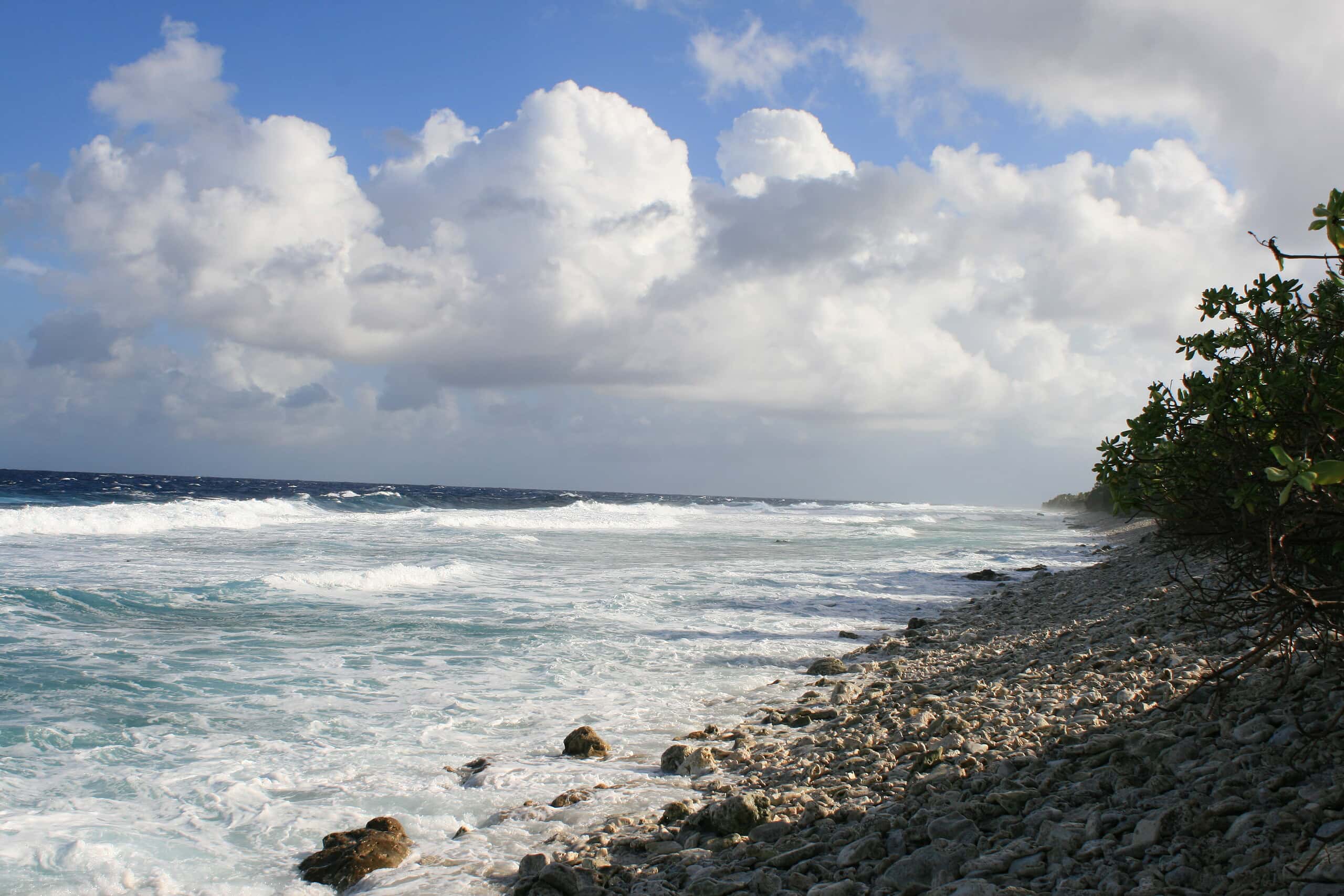
Tuvalu is heavily subsidised and spending far more money than what they can afford. It would have been a paradise 200 years ago when the people were living off the land. But today we have to ask ourselves: what is the point? 70,000 people are reported dead in Gaza (Palestine) and we are paying for people to keep living in Tuvalu – even though the country is literally going under water. What are we trying to save in Tuvalu? If they were no longer subsidized then I think all 10,000 would leave, and they cannot keep a modern lifestyle without being subsidised. So, my big new thought after reaching this country was: does every country have a right to exist?
Do you feel the world more or less connected than you thought it was in 2013?
It is very connected. Far more than I ever thought. Trends run through the world. At times I saw everyone playing with fidget spinners. At times I saw Supreme t-shirts, bags, stickers etc. everywhere. For a long time everyone was talking about Game of Thrones. Sometimes I hear someone say ‘it’s a small world’. I disagree. It is far from small – but it is well connected.
What happens in a small village on one side of our planet can be known to people on the other side in a matter of seconds. Events can be watched from anywhere in the world. Lives can be seen across the globe by any income group. The world is incredibly connected.
What specific books helped you make sense of your own journey, both before and during it?
I read Alfred Lancing’s book Endurance, while I was feeling sorry for myself, being stuck in Hong Kong during two years of the pandemic. The hardship which the crew onboard the Endurance had to undergo really put my own situation in perspective. For some time after finishing the book I didn’t really complain about anything.

How did writing The Impossible Journey help you process the trip?
For nearly a decade experiences and memories kept bottling up within me as I moved forward from one country to the next with no time to digest it all. I returned home with knowledge from having visited every country on earth, all the people, all the places, the good, the bad, the struggles, the stress, all I had learned, all the conversations and much more, bottled up within me.
Within the process of writing the book I had to look back at what was truly meaningful and worth sharing with a larger audience. It has made me realize that my story is bittersweet and a source for endless wisdom and entertainment.
How do you reconcile your image as an adventurer with the often brutal reality of the road?
Adventure and hardship are two sides of the same coin. The image people often see is the summit, the border crossing, the beautiful landscape, or the achievement at the end of the day. What they don’t always see are the setbacks, loneliness, exhaustion, mechanical problems, bad weather, uncertainty, and all the moments when things don’t go according to plan.
For me, being an adventurer isn’t about chasing a romanticised version of travel – it’s about embracing the full reality of it. The difficult parts aren’t separate from the adventure; they’re what give it meaning. They force you to adapt, stay humble, and keep moving forward. If anything, the road’s harsher realities make the rewarding moments more authentic and more valuable.
Now that you’re finally home, do you feel at peace or just restless?
I feel frustrated. It has first of all been difficult to return home as my concept of home has shifted. Denmark has not been my home for nearly a decade and why should I chose Denmark over any other country? For the past three years I have been working my way home. The frustration, however, stems from something else. I wonder why I do not have more commercial success with my book, my speaking engagements or my film? All three are high quality and my achievement is unprecedented.
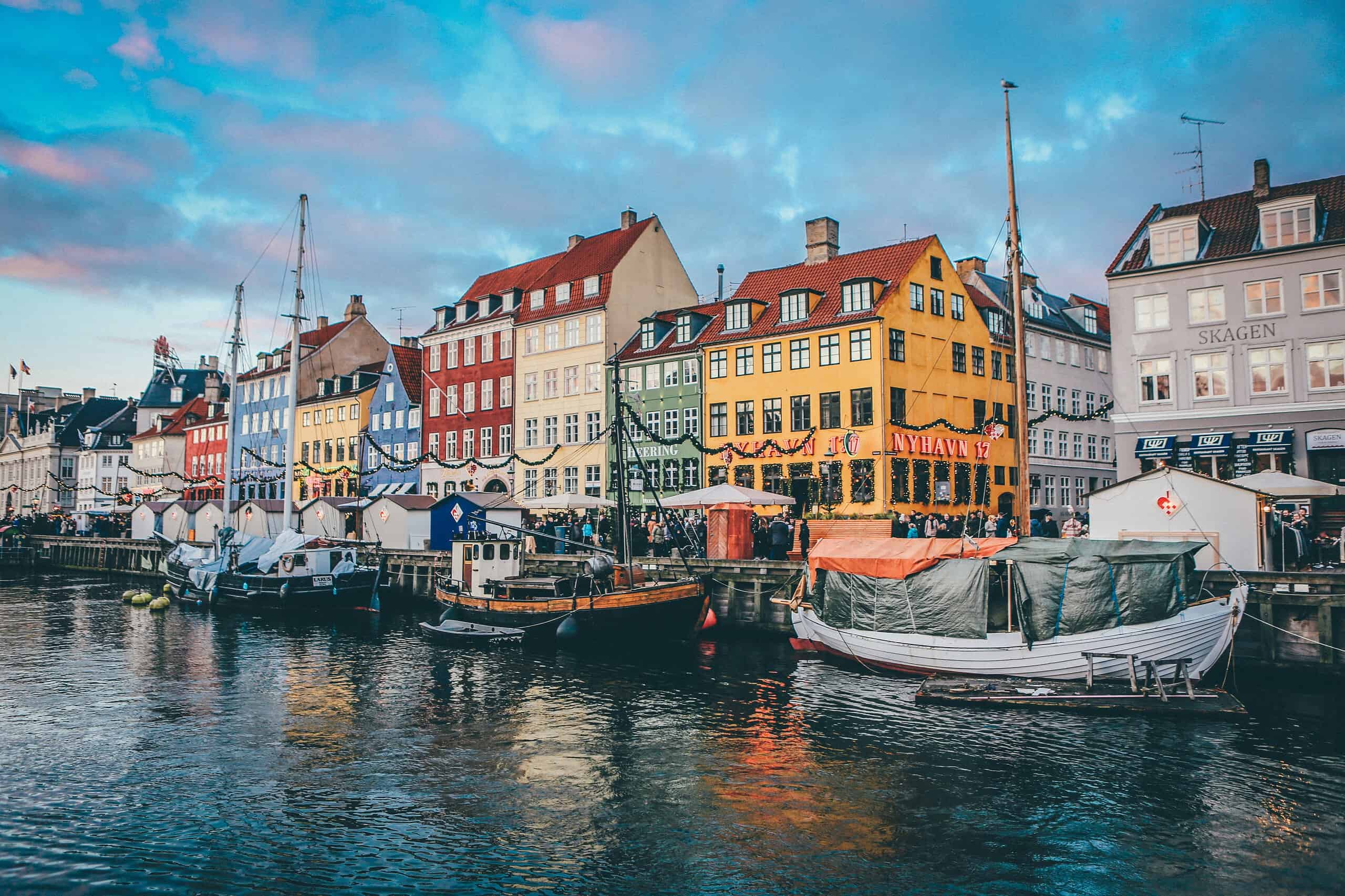
So why am I not more in demand as a speaker, why is my book not selling in bigger numbers and why is the documentary film not playing on a streaming platform? The frustration is born out of believing in something and not seeing the results that I think should exist. So it is back to hope again. I hope that things will turn around. I hope that the solution is right around the corner. Meanwhile I should mention that it is good to be back in Denmark. I have good friends here, I have family here and I live in Denmark with my lovely wife and our amazing 1.5 year-old daughter.
Favourite local restaurants?
I became especially fond of Allegretto Restaurant in Valparaiso, Chile. The food, the music, the decorations, the atmosphere – all of it combined made it feel right. I was an Italian restaurant but I think it might be closed now. While I was stuck in Hong Kong for two years during the pandemic I became very fond of King Noodles in Sai Kung. It’s a casual Hong Kong-style noodle shop where you choose your own combinations including how hot you want it. It goes pretty hot!
Local hidden gem?
In Greenland’s capital, Nuuk, there’s an industrial area with lots of containers. In between the containers there’s a small shop called Videobutikken. It’s a kiosk style shop but surprisingly there was a Thai kitchen in the back for take-away meals. Excellent Thai food!! That too might be closed today.
Your top three museums in the world and why?
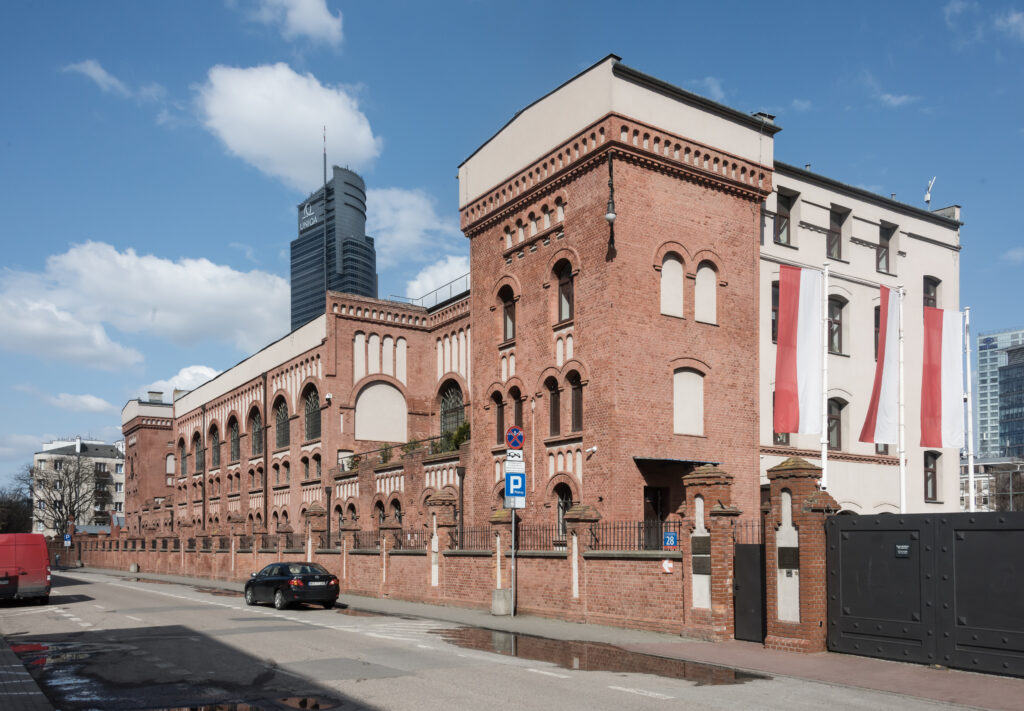
In the order I visited them: The Warsaw Rising Museum, Poland, was highly immersive and told a story I was completely unaware of. There was a sound similar to a beating heart which could be heard everywhere and added to experience.
Vasa Museum in Stockholm, Sweden. blew me away. The ship Vasa capsized and sank in 1628. It has been raised and is in remarkable condition. The setting within the museum along with the information makes for a visit well worthwhile. Kigali Genocide Memorial, Rwanda, left me speechless. The horrible atrocities have been documented and are showcased in a remarkably respectful way. You walk in as one person and leave as someone else.
Favourite hotel, anywhere in the world?
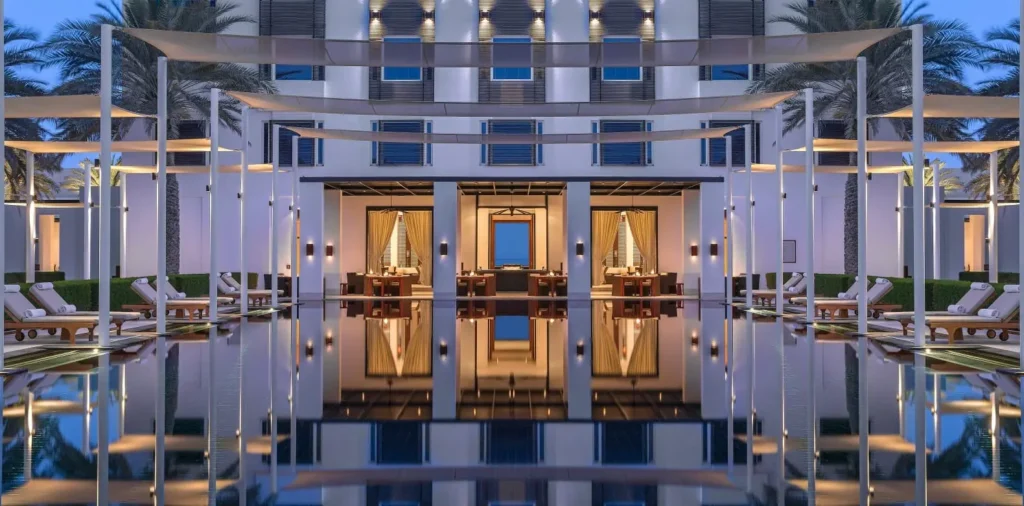
In Oman, my 150th country, I met Jessi who was working at a luxury resort called Anantara Al Jabal Al Akhdar Resort. I was invited for a few nights to celebrate the milestone. That was a great hotel. But not as spectacular as when Jessi later on connected me with The Chedi Muscat, also Oman. My wife had come to visit for a few days and we couldn’t believe the level of luxury in that place! If I could ever afford to build by dream home then it would be heavily inspired by The Chedi.
Travel splurge you’ll never regret?
When I reached Palau a friend wrote me about the Jellyfish Lake. I couldn’t afford the experience so he ended up sponsoring it. It was well worth the money! Jellyfish Lake is a unique marine lake in Palau where thousands of golden jellyfish live and can be safely snorkeled with because their stings are very mild. The lake formed in isolation thousands of years ago, creating a rare ecosystem famous for its jellyfish migrations and crystal-clear waters.
What’s always in your carry-on?
My passport, phone, pen.
Best travel advice or philosophy?
A stranger is a friend you’ve never met before. It doesn’t mean you can be friends with anyone. It’s a philosophy. How will you treat the next person you meet? Treat people with respect and kindness. When traveling you should always keep in mind that you are a guest and that you represent your entire country while abroad.
Dream vacation, not yet fulfilled?
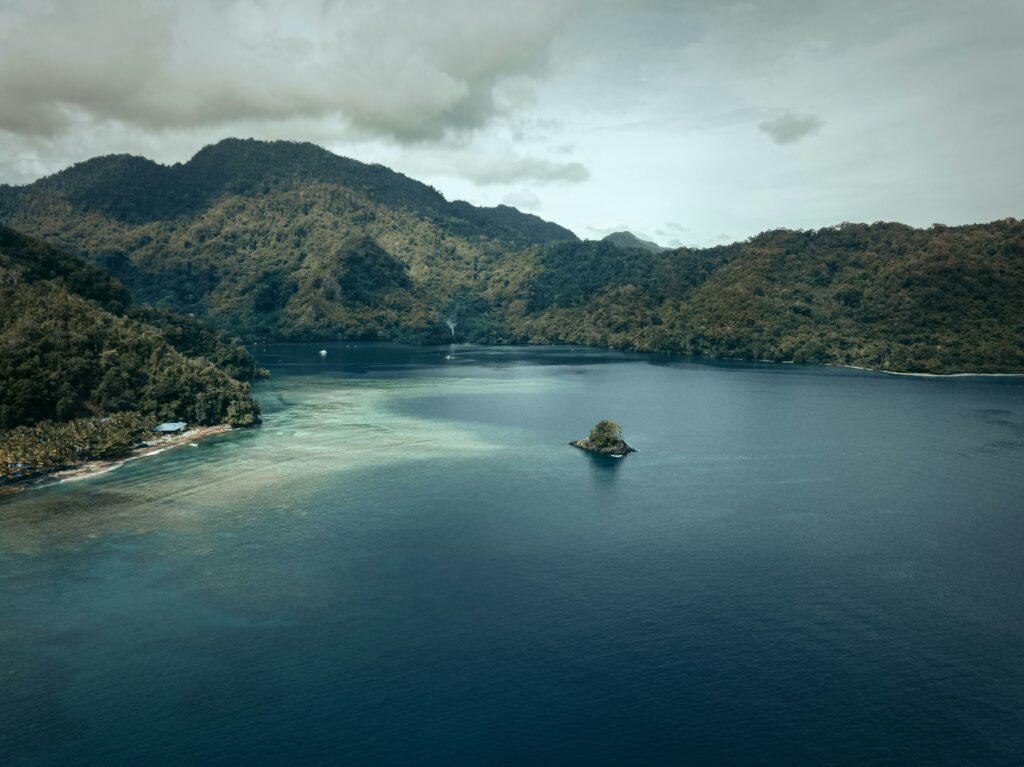
The Kokoda Trail in Papua New Guinea. It is a 96-kilometer single-file trek through PNG’s Owen Stanley Range. Famous for its pivotal WWII battles, it typically takes four to 12 days to complete and requires rigorous preparation to navigate its muddy, steep, and highly humid jungle terrain.
What is the biggest lesson your travels taught you about borders?
I think borders are important in the same way as walls are important to a room. You do want to control who can enter and who cannot. However, borders rarely mark a notable shift between two countries. I found that you often have to travel a fair distance into a country before it becomes possible to notice that something real has changed. Around borders people speak the same language, eat the same food, wear similar close, the climate is the same, flora and fauna is the same etc. Borders are just lines on a map turned into reality by people.
What is the one truth about human nature you learned from strangers?
I believe that people are shaped by their environment far more than by borders, language, politics and religion. Most of us are familiar with the differences between city people and village people. In the same way you have island people, desert people, mountain people, forest people, etc. I found that people in the Austrian alps have more in common with people in the Himalayas than they do with people on small islands. They share a knowledge about carrying a bucket of water up and down a mountainside. That, any many other elements of life.