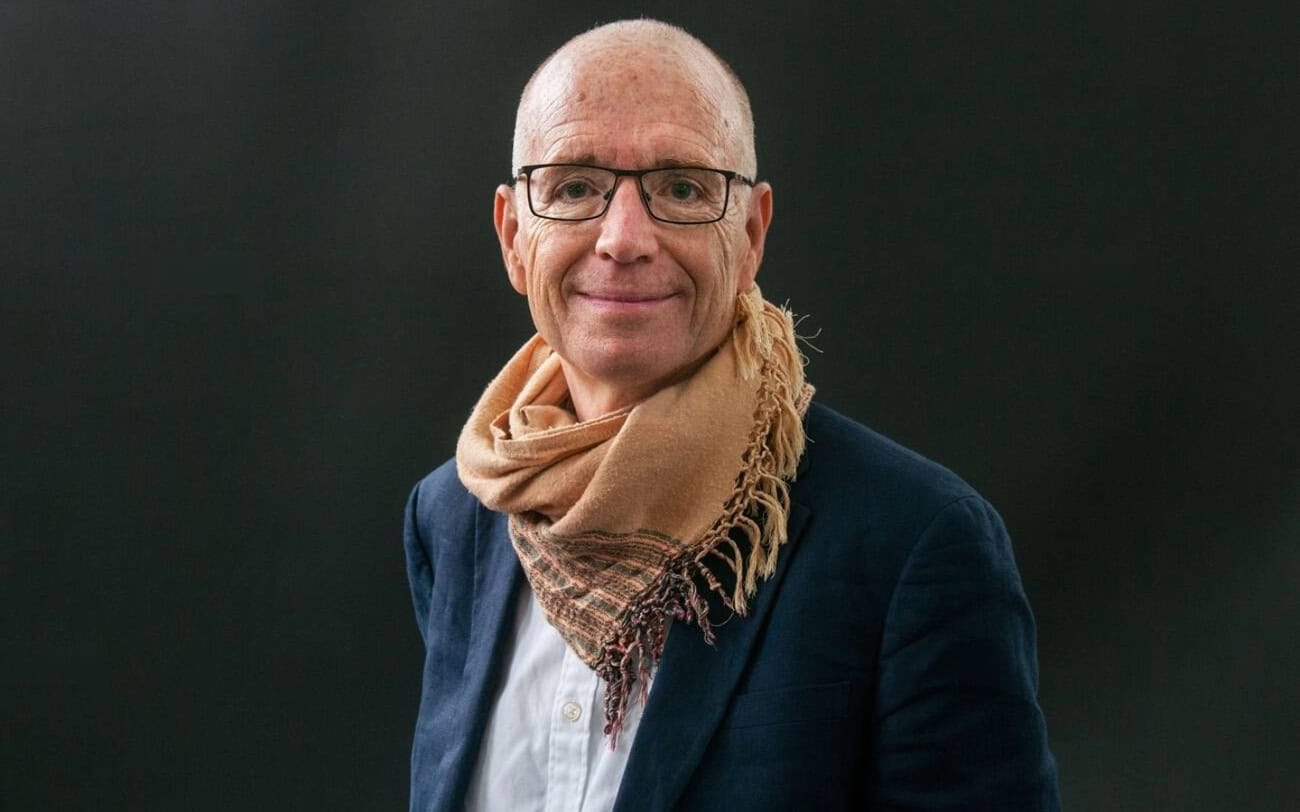
For years, travel writer Rory MacLean was defined by his ability to map the world’s most jagged borders. From the absurdist satire of Stalin’s Nose to the intimate portraiture of Berlin: Imagine a City, and a journey through the Myanmar in Under the Dragon, he has consistently documented the places where history leaves its deepest scars.
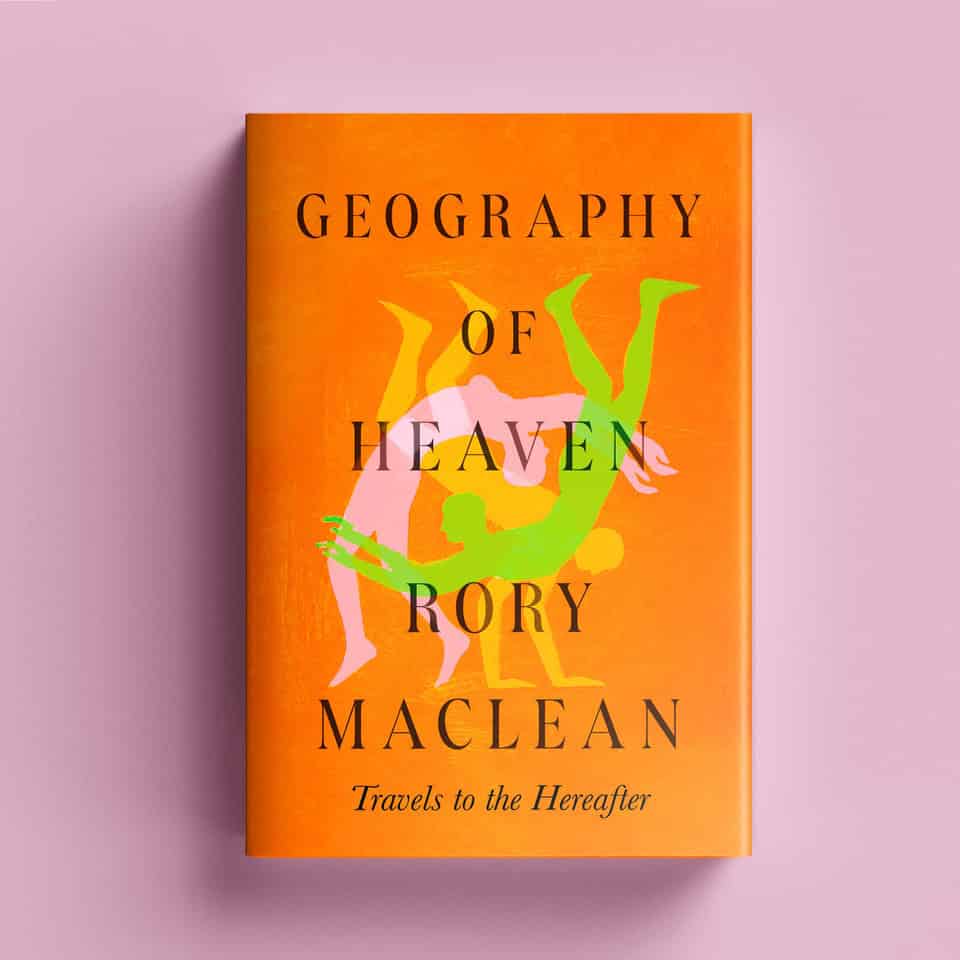
But his latest work, Geography of Heaven (released today) marks a profound shift toward an internal frontier. Following the sudden loss of his wife, Katrin, MacLean traded his role for that of an explorer of the afterlife. Weaving together neuroscience, ancient spiritual traditions, and his own raw search for connection beyond the physical realm, the book is a quest to find places where the departed might remain.
Was writing Geography of Heaven an act of healing for you or an exercise in curiosity?
It was an act of love; a five year journey that took me through grief to revelation, from scepticism to an awareness of the existence of something unseen, something mysterious, something eternal – right here in our midst. We forget that rational thinking is only one way to look at the world. The revelations along the way enabled me to heal.
Your previous books captured history, this one targets the eternal. How did your approach change when the subject became your own grief?
In all my books I’ve followed my intuition to a destination or into a subject, pairing emotion with intellectual curiosity, travelling to try to know a people, place, idea or time. Empathy has always been at the heart of my work. Curiously, my research journey was little different for Geography of Heaven, although both it and the book itself are especially emotionally charged. And as with my previous books, I knew I was on the right path when things fell into place. Call it coincidence but I consider it to be a gift.
How did it feel to pivot from documenting political borders to navigating the ‘borders’ between life and death?
An obvious extension. Death is a border that we will all have to pass, and you don’t have to worry about forgetting your passport.
Does this ‘geography of heaven’ change how you view the political borders you once chronicled?
Only in as much as illuminating the narrow-mindedness of political borders. Much more unites mankind than divides us.
How did you balance your journalistic skepticism with your personal search for the divine?
By incorporating the latest neuroscientific research on grief with the afterlife beliefs of all the world’s major religions and balancing them with my subjective experience. In this manner I enable the reader to draw their own conclusions as, above all, I want this book to help others to prepare for and to accept the inevitable loss of those who we love.
What was the single most spiritual destination in your journey? And the most disorienting?
Such a difficult question. I experienced – and relate – five truly extraordinary moments. Towards the end of my travels, I became more and more frustrated by prosaic, earthbound descriptions of heaven. I decided I needed to crack myself open, to try to picture in my own way that which is beyond space and time.
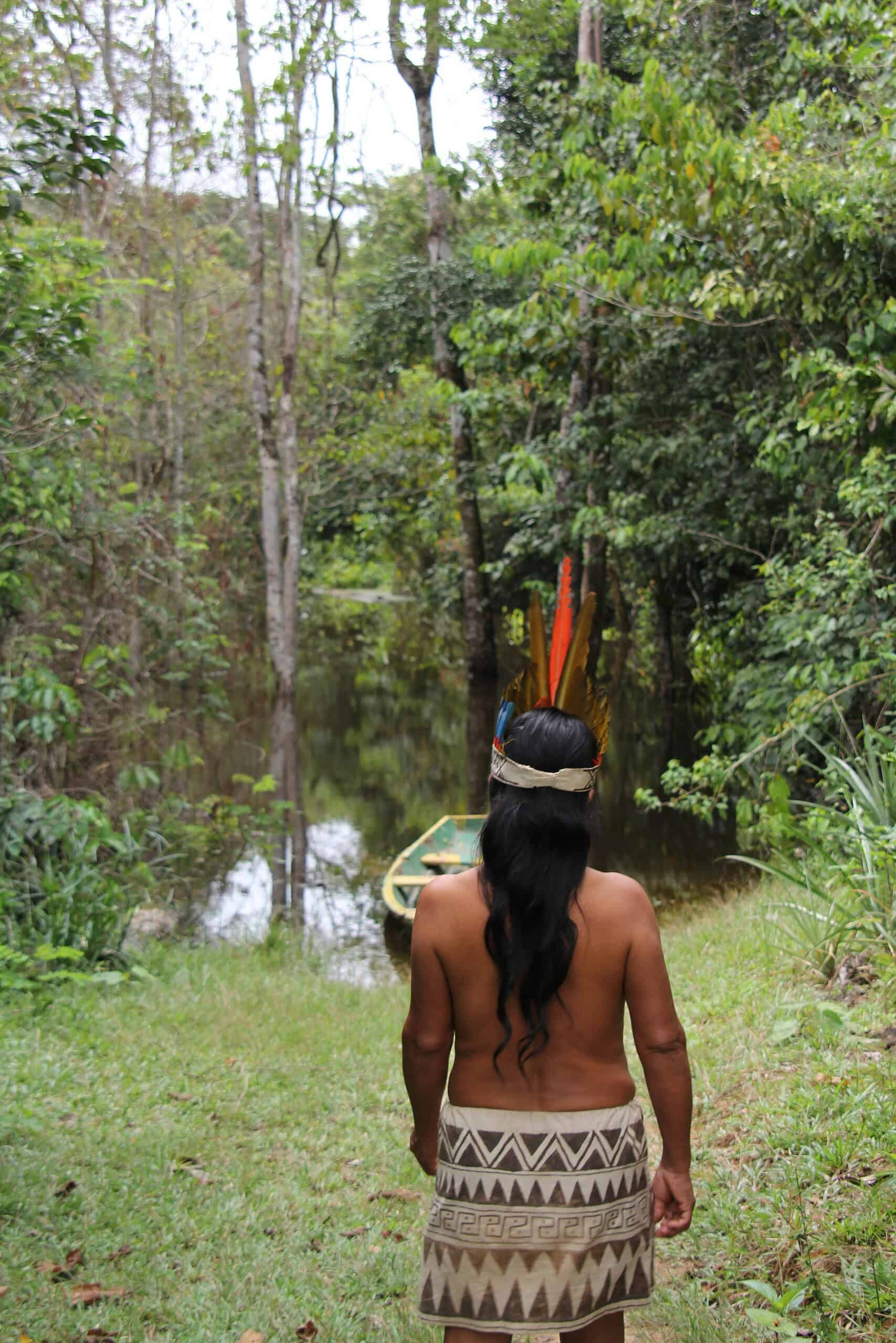
So I travelled to the Peruvian Amazon to meet traditional Shipibo healers. Working with them and ayahuasca was the most disorienting (and terrifying) experience of my life, as well as the most profound. The most spiritual destination was on America’s Great Plains where I sundanced with the Rosebud Lakota in their woodland temple at the centre of the natural world.
Most inspiring city for writing you’ve visited recently?
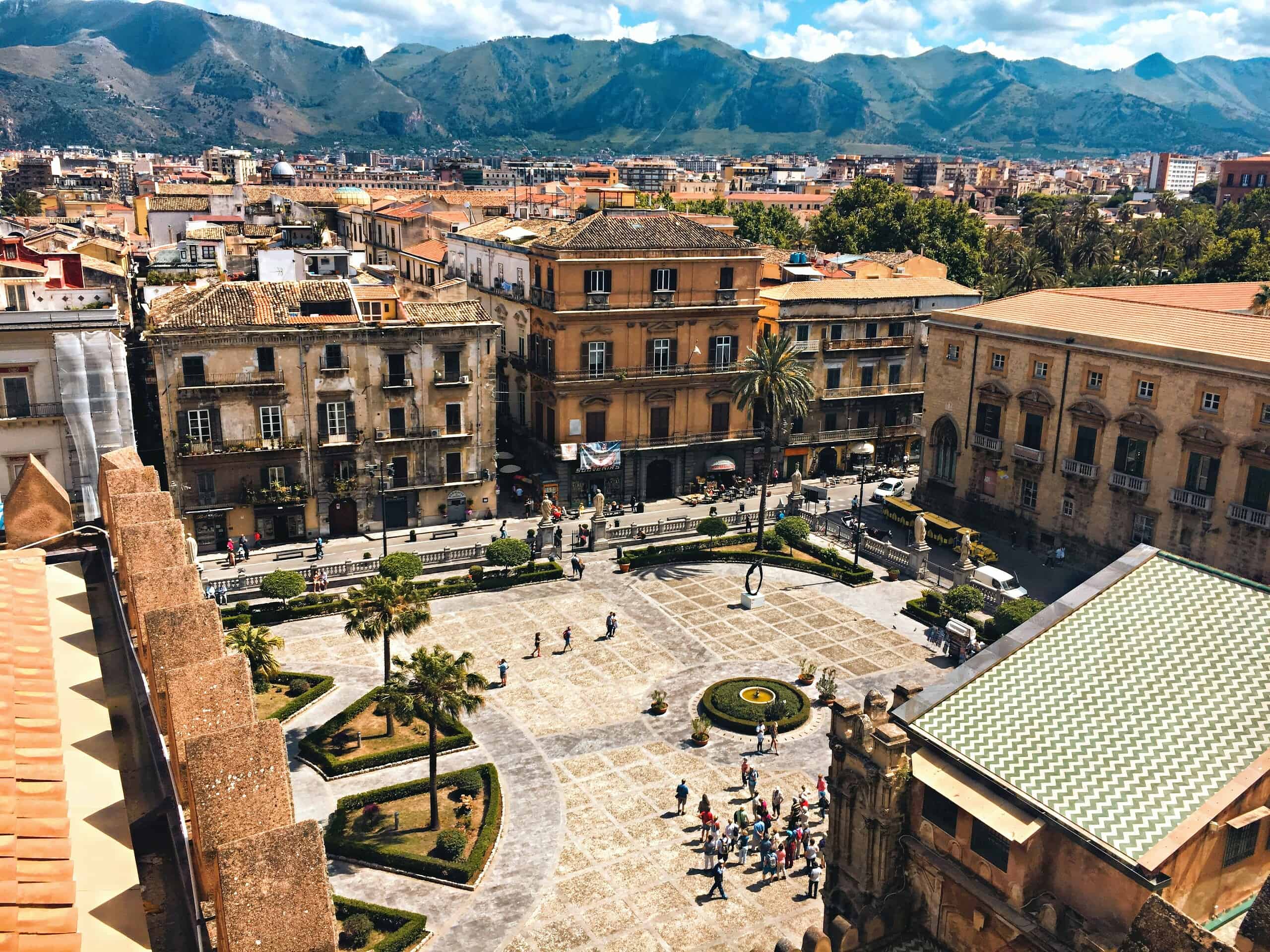
A year ago I was invited to complete my new book as a guest of Palazzo Butera in Palermo. Over my two month stay I fell in love with the city – so alive, so rich in history – and realised that I will have to write about it.
Where do you go for pure escapism?
Back to Palazzo Butera. Over their lifetimes, the owners Francesca and Massimo Valsecchi amassed the most extraordinary, epoch-bending art collection: Constable to Tom Philips, Edward Lear and Stanley Spencer, Gilbert & George, Jugendstil ceramics to a Fabergé silver box made for the last Tsar.
All assembled without exhibit labels in an inspirational settling of 18th century courtyards, music rooms, majolica-tiled terraces and a venerable jacaranda tree. Not a gallery, Palazzo Butera is more a living laboratory of ideas, inviting visitors and artists alike to engage with its web of associations.
Where do you need a creative reset?
I am Canadian born and bred hence for a true creative reset, I return to canoe in Ontario‘s magnificent Quetico Provincial Park. At the head of the Great Lakes and the size of a small country, Quetico is a timeless, healing place of profound beauty. On my last visit I paddled through the wilderness for ten days, and didn’t meet another soul.
Favourite local restaurants?
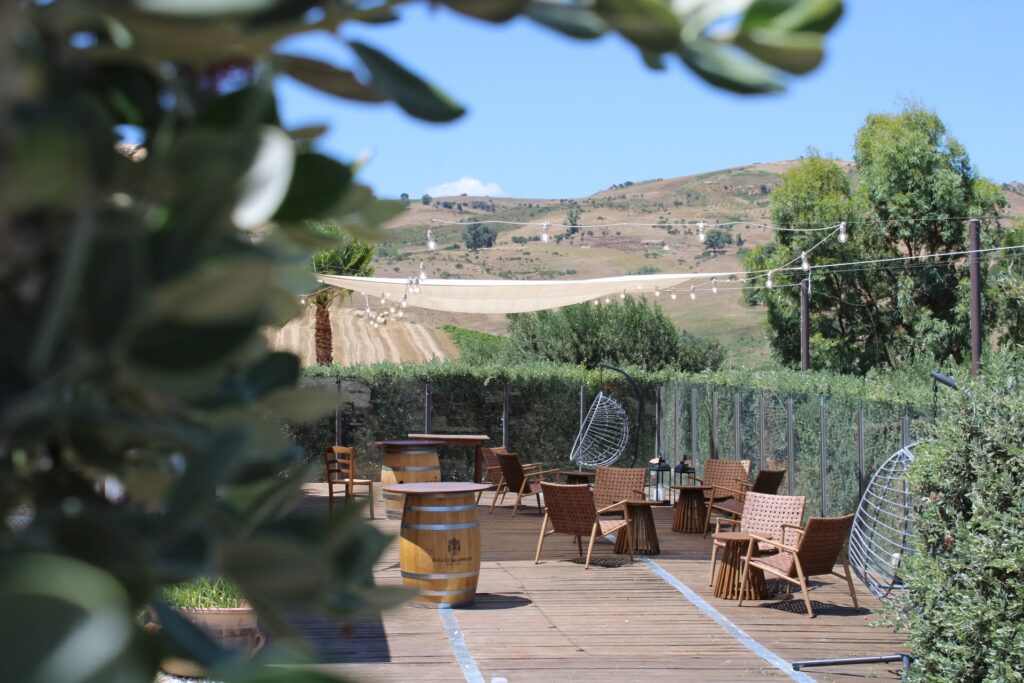
Off the beaten track among vineyard-clad hills, La Collina di Segesta is a farmhouse restaurant with breathtaking views and an unforgettable seasonal Sicilian menu: aubergine caponata with toasted almonds, busiate with sardines and wild fennel, ricotta and thyme ravioli, wild boar ragù and citrus-breaded Amberjack. No diner comes only once.
Local hidden gem?
Palermo’s Arab-Norman gems are not hidden but you need time to appreciate their divine beauty. Islamic geometry and Byzantine mosaics meet in Monreale Cathedral, the golden ‘Sistine Chapel of mosaics’.
The incomparable Cappella Palatina features a wooden “honeycomb” ceiling with Arabic calligraphy and dome surrounded by archangels. Seventy kilometres east of Palermo, the twin-Norman-towered medieval fortress of Cefalù Cathedral is dominated by an austere, intense Christ Pantocrator apse mosaic. Once the most lavish religious buildings in Europe, all were built 1130-1180s.
Your top three museums in the world and why?
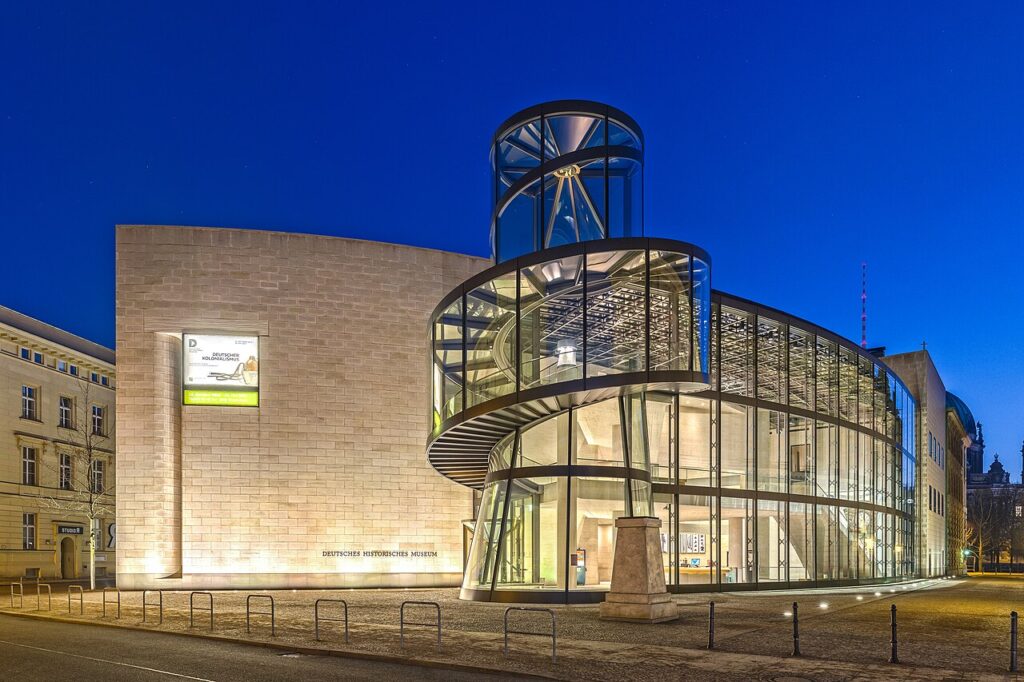
Berlin’s Deutsches Historisches Museum for its bold attempt to understand and explain both fascism and East German communism, the Getty in LA for Robert Irwin’s tumbling-canyon-stream-cum-fountain, and Victoria B.C.’s First Peoples Gallery at the Royal BC Museum for a glimpse of all that was lost when Europeans took possession of the American continent.
Favourite hotel, anywhere in the world?
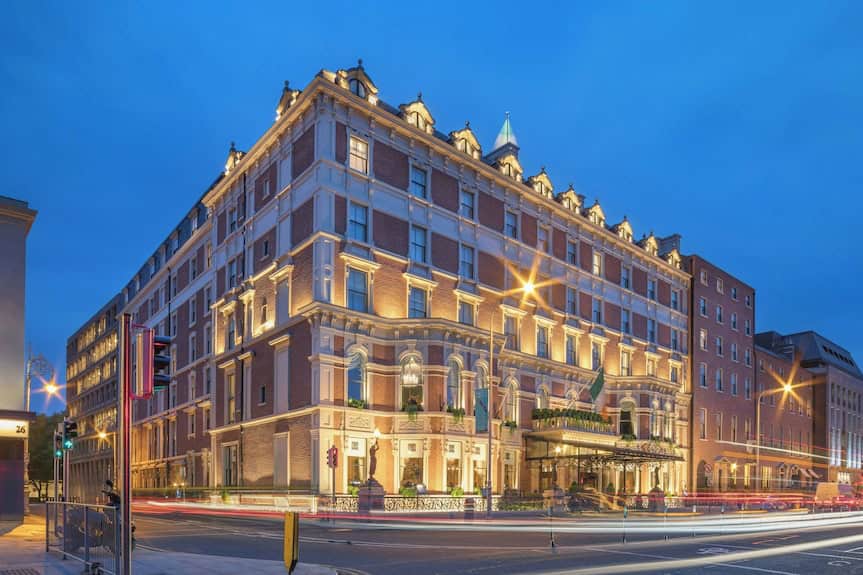
Breakfast at Dublin’s Shelbourne overlooking St. Stephen’s Green – eggs Benedict, kegeree, Irish bacon and sausages and the finest Irish soda bread washed down with litres of their own exclusive coffee – the pinnacle of Dublin luxury.
Travel splurge you’ll never regret?
Buying an apartment in Palermo! Over the years I’ve lived in Canada, London, Berlin, Scotland and the English West Country. For me, travel writing has always been a journey of two halves; the physical research trip and a parallel writing journey at home, the latter often proving to be the true understanding of my experiences. Home was always the place I returned to write. Now I’m thrilled to begin later this year to combine my parallel journeys; living in and writing about my subject.
What’s always in your carry-on?
A Moleskin notebook and a pen
Best travel advice or philosophy?
Be curious. Be open. Avoid pre-booking a return flight.
Dream destination, not yet fulfilled?
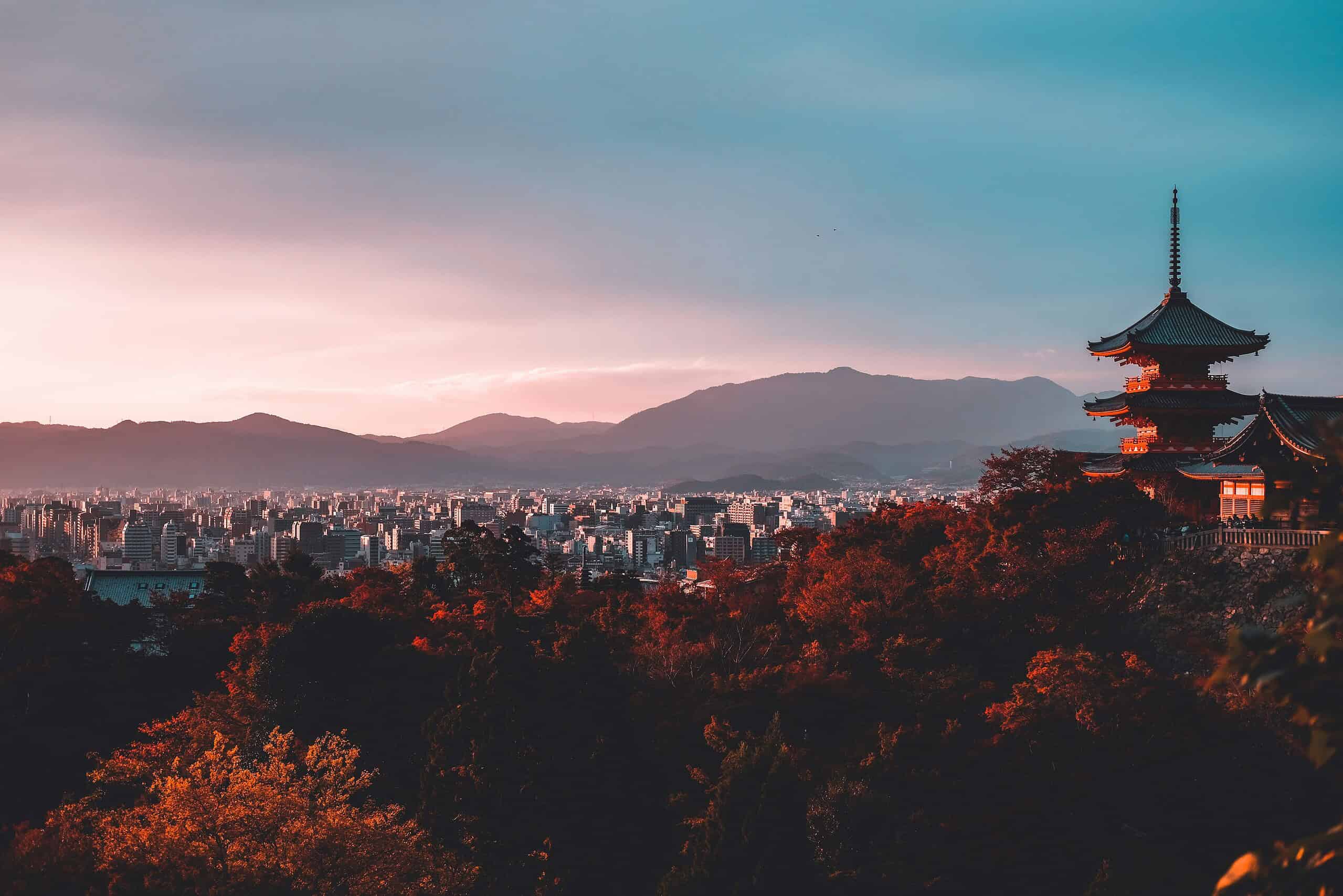
Japan and South Korea.
Are we biologically hardwired to search for the afterlife when we travel, or is it a symptom of loss?
Death remains taboo for many of us. As the afterlife is unknowable, it’s frightening prospect. In the West, most people do their best to ignore it, to pretend it’s not going to happen. I realised that the loss of a loved one opens a door for the bereaved. Looking through that door can bring comfort and even moments of revelation.
After your travels, what is one thing you now know about the afterlife that you didn’t before?
I began my search for Katrin as a sceptic and ended it with faith in the existence of an afterlife. Of course I don’t know. I have no black-and-white certainty. But I believe.
Ultimately, do you believe our love survives the journey into the hereafter?
I know that it does. I have been shown that it does.