From digital detox to emotional reboot: how resorts are pioneering the art of meaningful escapes.
Post-pandemic, the cultural bellwether is showing preference away from ostentatious luxury and towards ’emotional luxury’ – experiences that nurture our inner lives, mental health and personal relationships. Wellbeing isn’t merely an individual pursuit but flourishes in meaningful relationships.
Relationship therapists are reporting that “parallel play” – being physically together while mentally elsewhere (a term previously mosted associated with children) – are become a common complaint among romantic couples. It happens at home, doom scrolling on socials whilst sitting together on the sofa, and side-by-side on holiday loungers half watching a spectacular sunset.
Because what good is paradise if your eyes are glued to your phone?
It’s no surprise then that some hotels and resorts, are now focusing on what might be our most neglected modern indulgence: meaningful human connection. The newly unveiled “Banyan Tree Connections” programme launches across four continents in May 2025 – a wellbeing initiative that attempts to make strengthened human bonds the valuable souvenir from the holiday bought home.

Available across their properties in the Maldives, Thailand, Mexico and China – offers a curated wellbeing journey designed specifically for two people. It could be romantic partners, friends or family members, but the duos engage in experiences that foster human connection while honouring local cultural traditions.
At Banyan Tree Vabbinfaru in the Maldives, couples can practising yoga at dawn before a session of “lagoon floating therapy” – a guided meditation while suspended in turquoise waters. Meanwhile, in the mist-shrouded bamboo forests of Anji, China, guests take guided mountain hikes and white tea workshops between sound healing sessions.
A study conducted by Microsoft found that the average human attention span has decreased by 4 seconds since 2000, down from 12 to 8 seconds (apparently less than that of a goldfish). Screens and social media are primary drivers in our inability to be in the moment with someone or even ourselves.
This Easter Laguna Phuket aims at offering a chance to unplug and reconnect with family. Set along the golden shores of Bang Tao Bay, the resort’s twin offerings — Angsana Laguna Phuket and Cassia Phuket — combine wellness, cultural experiences, and family-friendly indulgence.
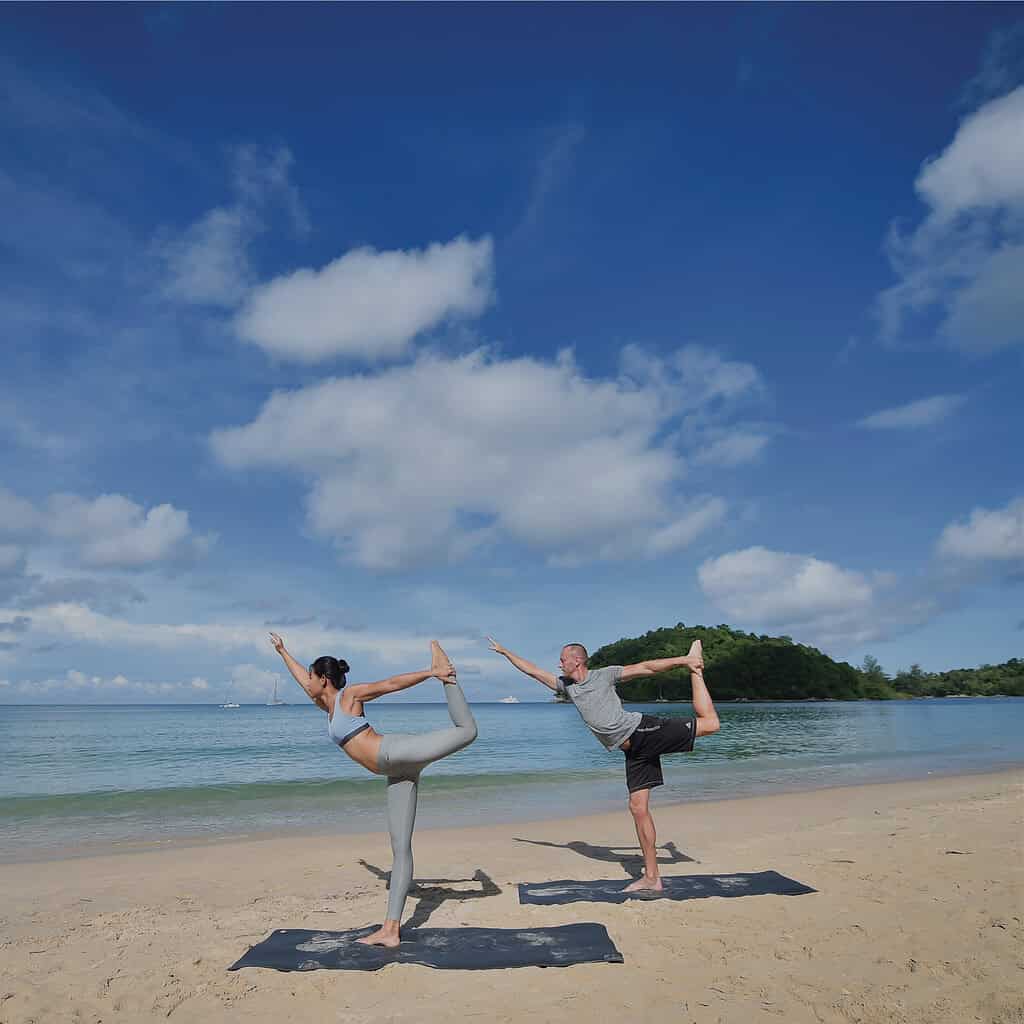
At Angsana, enjoy beachfront group yoga, child-friendly wellness sessions, and monthly alms-giving ceremonies. Next door, Cassia Phuket caters to families seeking a more playful kind of reset. The pet-friendly resort is entertaining and engaging with activities like sunrise yoga in Laguna Park, thrilling eFoil surfing sessions on the lagoon, Muay Thai classes, local coffee workshops, and open-air movie nights.
What is interesting about these programs are the intentional designs – this isn’t about merely placing two massage tables side by side. Each attempt is to offer variations on a theme: movement practices done in tandem, shared mindfulness practice, fun physical activities, local cultural immersion, or purposefully designed learning together.
At Playa del Carmen, Mexico, couples can explore local nature via kayaks at the Banyan Tree Mayakoba. For more spiritually inclined, there are sound bath therapies or a Temazcal purification ritual – an ancient Mayan sweat lodge ceremony where you can’t help but be in the moment sharing a profound vulnerability and challenge.

“In a world where time together is increasingly fragmented, genuine connection is becoming rare. Banyan Tree Connections was created in response to this universal longing,” says Paul Hawco, Executive Director of Integrated Wellbeing at Banyan Group.
The timing seems apt. Multiple studies suggest that loneliness is on the rise and our attention spans for uninterrupted conversation have diminished by nearly 40 percent in the past decade.
Could focus on “connection tourism” instead of “parallel play” on vacation help rekindle human intimacy of many kinds? Very possibly. But the need for this concept signals a broader shift that may also eventually influence mainstream travel. The recognition that the most memorable journeys are perhaps meant to transform not just where we are, but also who we become.