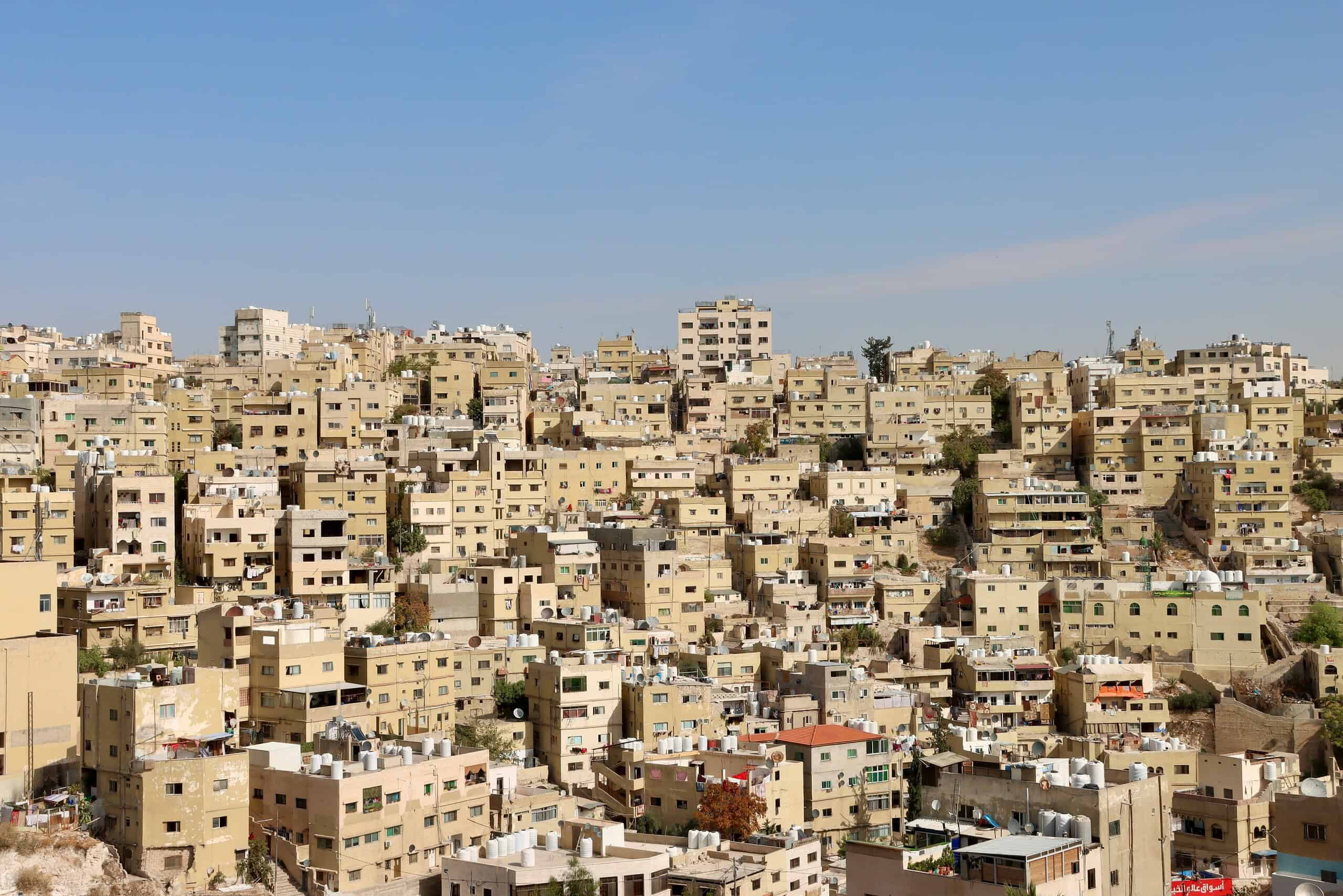
Past and present, peace and politics, culture and cuisine – they all combine in Amman, the Middle East’s coolest capital.
At first glance, Jordan might not seem like the most obvious destination right now. Conflicts and wars across the wider region – in Iran, Israel, Palestine and Lebanon – are keeping tourists away, but the most liberal country in the Middle East is being overlooked. For adventurous travellers willing to do a little research, that’s an opportunity – especially in Amman, with the country’s capital safe, fiercely hospitable and astonishingly affordable for a long weekend that practically nobody else is taking.
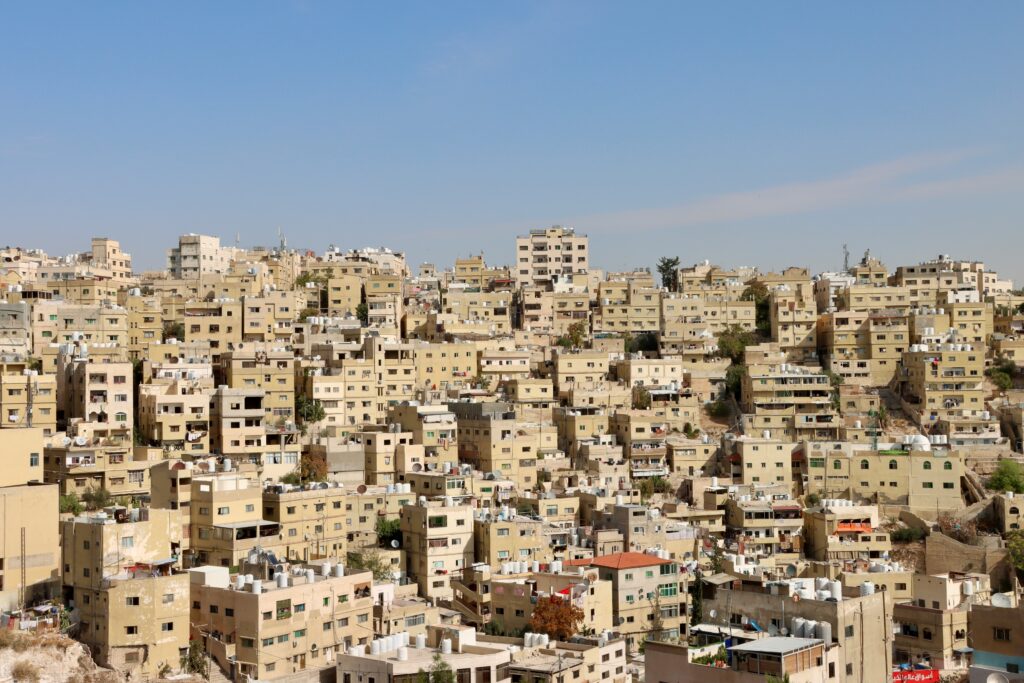
What awaits is a city that wears its contradictions well. Proximity to decades of regional conflict has sharpened Amman’s creative edge — its artisans and chefs channelling tension and displacement into work that sits comfortably between tradition and innovation. Century-old breakfast institutions share winding streets with contemporary fusion spots, Roman ruins anchor one hill and gallery openings animate another. Here’s our guide to the best things to do in Amman.
Support traditional crafts
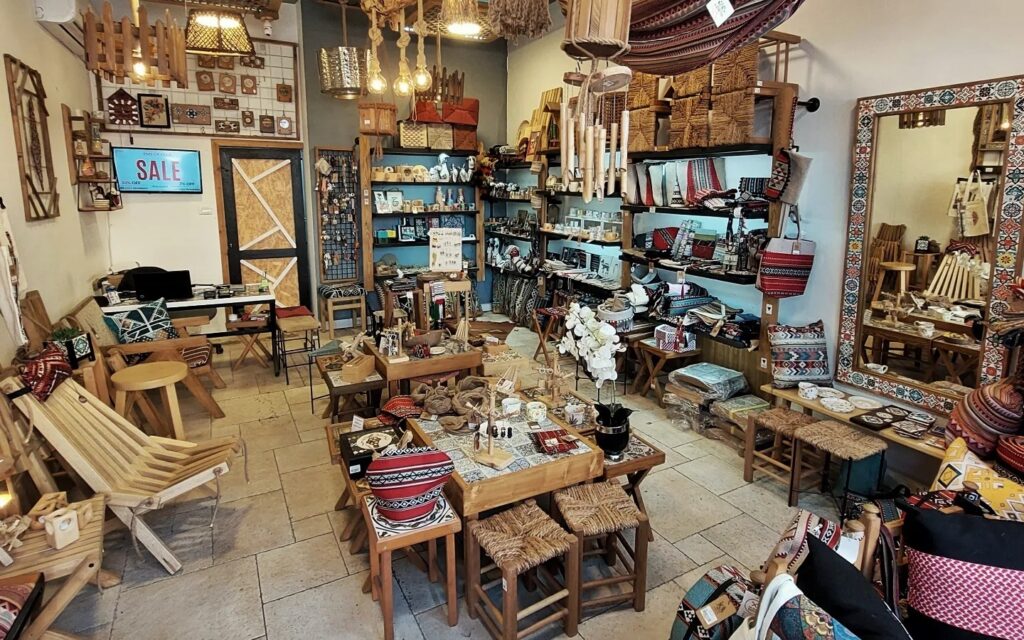
Amman’s craft scene thrives on defiance – artisans preserving heritage whilst creating income that resists dependency. Every purchase funds communities maintaining traditions under pressure. IKSA transforms Palestinian heritage into handmade furniture and textiles – the stools won’t fit your suitcase, but ceramics and cushion covers will. Trinitae Soap House has occupied the same villa since the 1930s, its intoxicating scent of olive oil, Dead Sea minerals and pomegranate hitting you at the door.
Jacaranda Images off Rainbow Street champions politically charged Jordanian art whilst selling delicate paper bowls made from recycled materials and natural dyes (rose petals, turmeric, coffee) through the Noor Al-Hussein Foundation’s women’s income initiative. At Books@Café, literature by Middle Eastern writers is sold alongside za’atar croissants, conceived 22 years ago as a hub for the rebellious and curious where everyone’s welcome regardless of religion or gender.
Think global, eat local
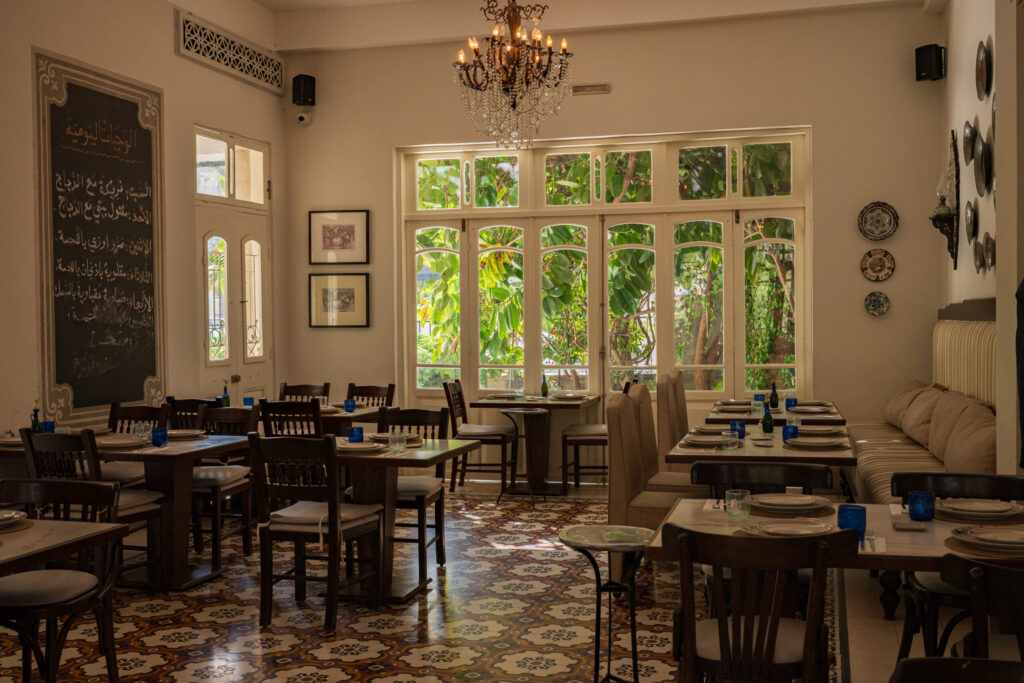
Jordan’s culinary traditions are concentrated in Amman – Levantine staples like hummus and falafel perfected through competitive perfection, and the capital’s position brings Palestinian, Syrian and Bedouin influences into collision. Hashem has fed the city since 1952, dishes appearing magically at your outdoor table the moment you sit – perfect falafel, hummus and moutabel. At Al Quds, the hole-in-the-wall produces the city’s best falafel sandwiches with secret tahini sauce for both builders and Jordanian royals alike.
Nearby, Sufra is like taking a trip back to a more peaceful time, a 20th century villa serving homestyle Bedouin and Levantine cuisine among a thoroughly luxurious setting. To finish it all off, stand in queue at Habibah for their perfect knafeh – shredded filo stuffed with cheese, topped with syrup, simultaneously crunchy and soft, best eaten warm perched on a nearby staircase.
Explore ancient history
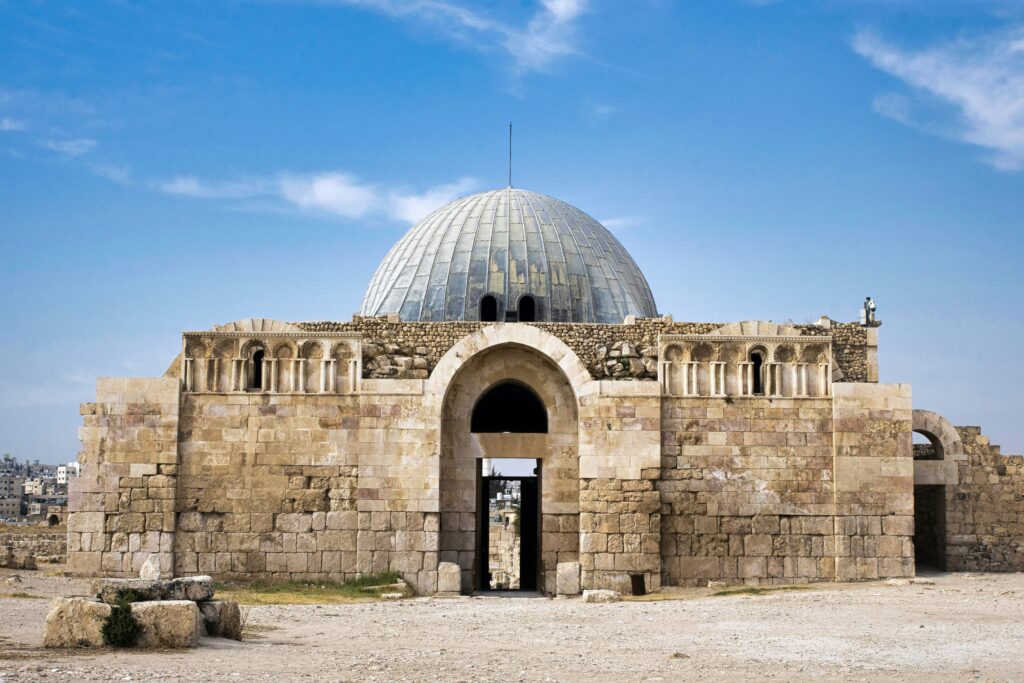
Civilizations stack vertically across Amman – Bronze Age foundations beneath Roman columns, Umayyad palaces built from Byzantine rubble. The Citadel crowns Jabal al-Qala’a’s highest point, where the Temple of Hercules once outscaled anything in Rome itself – now just massive columns and a giant stone hand. The Umayyad Palace sprawls nearby, best visited at sunset when white stone turns golden. Below, the Roman Theatre carved 6,000 seats into the hillside when Amman answered to Philadelphia; climb to the top rows for the vista Roman crowds saw.
The Jordan Museum houses the country’s archaeological journey, including 8,500-year-old Ain Ghazal statues – among humanity’s oldest large-scale sculptures. And less than an hour north, Jerash preserves what Rome built at its peak: colonnaded streets, fountains, temples in perfect classical proportion. Unlike Petra’s crowds, the country’s second-most-visited site stays remarkably quiet, its scale more astonishing for the emptiness.
Soak it in
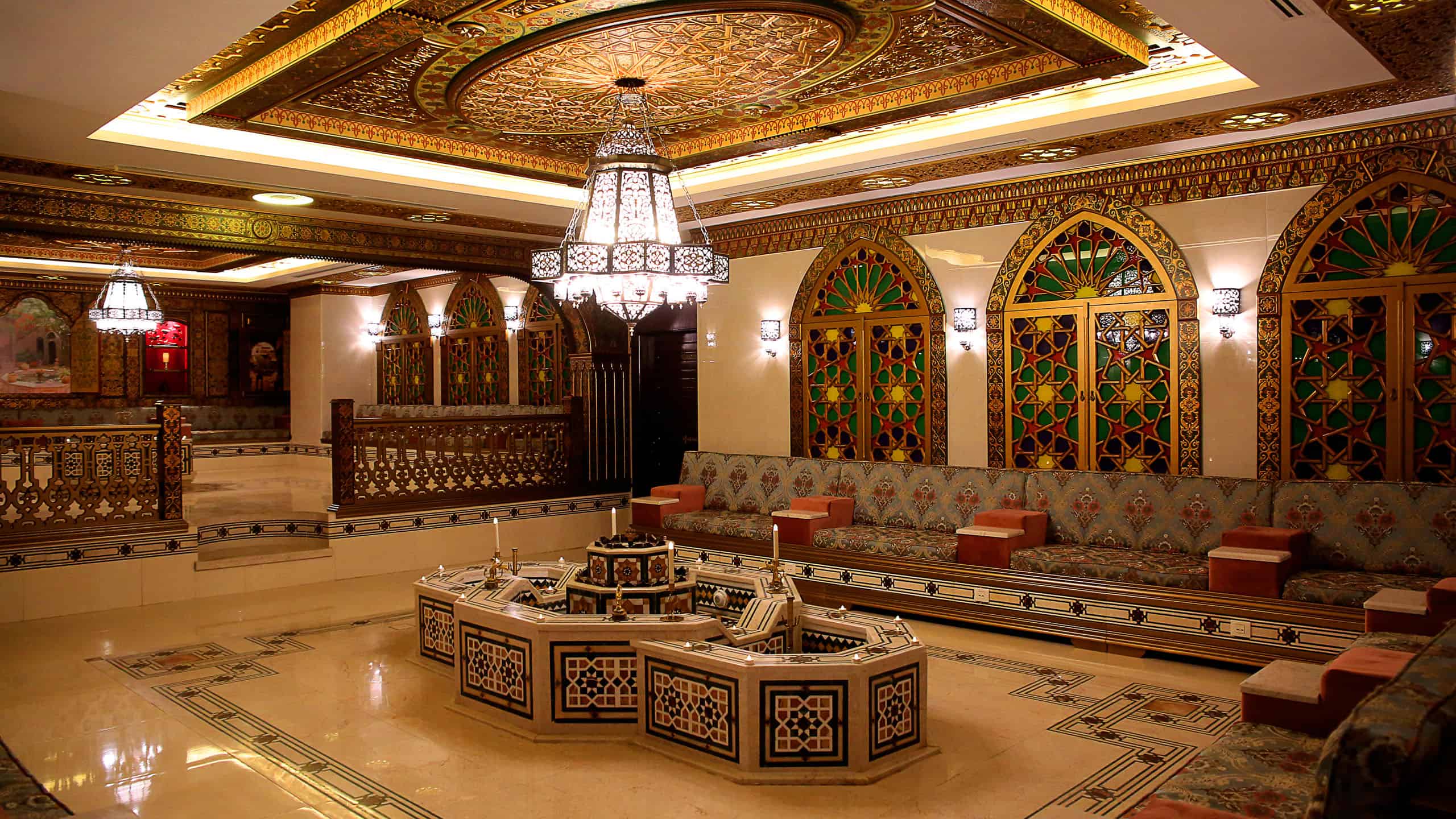
Amman’s hammam culture runs deeper than spa tourism – marble-clad bathhouses where locals still turn up for proper scrubs rather than Instagram backdrops. Al Pasha, one of the city’s oldest, operates authentic Turkish and Moroccan baths using organic materials, with mixed-group sessions on Mondays for those in pairs – the ritual here follows tradition: steam room, exfoliating scrub, soap massage, then mint tea in the cooling room.
Deniz Blue Bath & Spa strips away the heritage theatrics for straightforward professionalism – exceptionally clean facilities, everything provided, and staff who know what they’re doing without the usual spa ceremony. For full immersion, Alf Layla Wa Layladelivers polished marble floors, ceiling-high steam rooms, and the complete circuit: jacuzzi, steam, Turkish bath, finishing massage. Staff operate with precision rather than fuss, whilst complimentary juices and tea keep flowing between treatments.
Get cultured
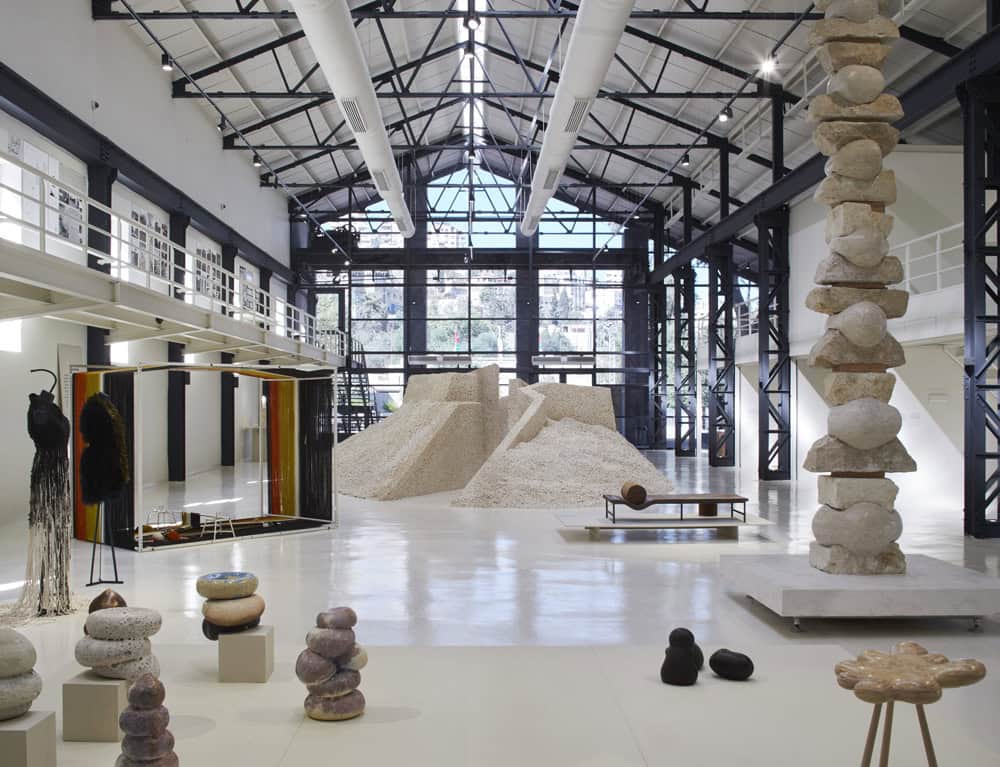
Amman’s cultural scene operates beyond typical Middle Eastern events – everything from independent cinemas to annual festivals that aren’t built exclusively on wealth. Dating back to the ’70s, the Rainbow Theatre programmes independent films and hosts premieres with figures like Francesca Albanese, whilst its stage rotates through live music and stand-up comedy. Nearby, the Film House is a villa converted into Jordan’s first audiovisual arts centre – workshops, outdoor screenings, and the popular Montage café sprawl across terraces with Citadel views.
Similarly cinematic, Amman International Film Festival runs each July, bringing regional and international cinema to audiences often absent from mainstream Middle Eastern circuits. And after a six year pause, Amman Design Week returns October 2026, showcasing traditional Jordanian crafts alongside contemporary architecture and experimental design.
Raise a glass
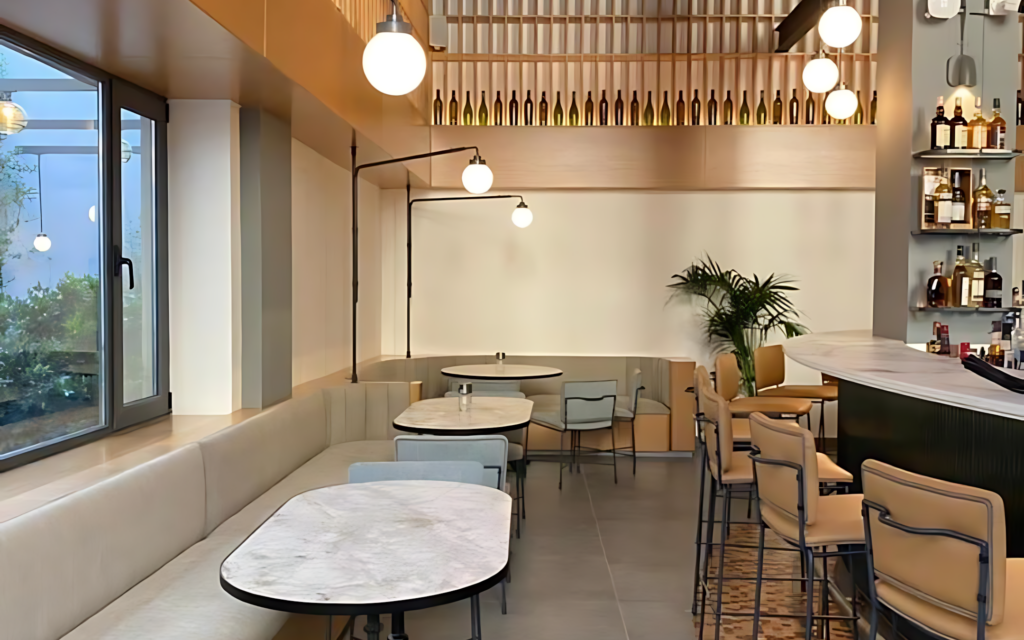
Easily one of the Middle East’s most liberal cities, Amman’s bars exist beyond hotel lobbies – though drinks aren’t cheap, so try to hit happy hours strategically. District Urban Rooftop Bar delivers the Instagram skyline shot everyone chases, best timed for golden hour when pink and orange light floods across white stone. Beyond views, the food holds up and staff genuinely welcome rather than merely serve.
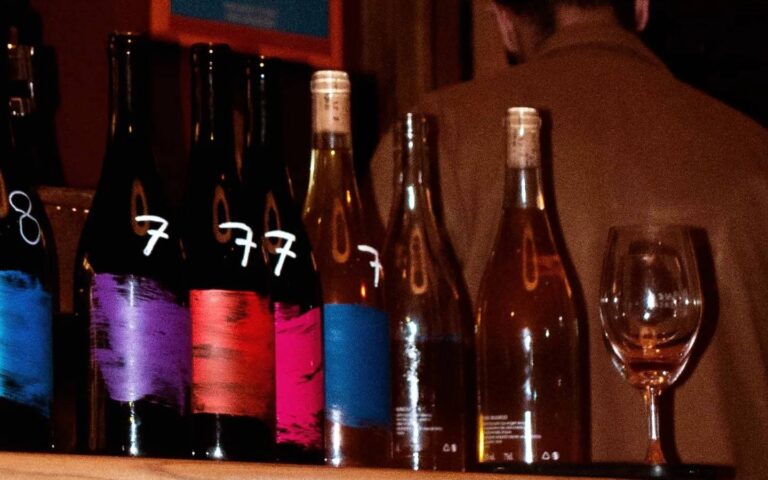
For something more intimate, Bar in the Back hides behind wine shop 13c as a proper speakeasy – sample Jordan’s massively underrated wines alongside imported spirits, or bring your own bottle from the store for small corkage. Biera represents something rarer still – Amman’s first craft brewery, producing proper IPA and stout in a region where quality beer barely registers.
Rest your head
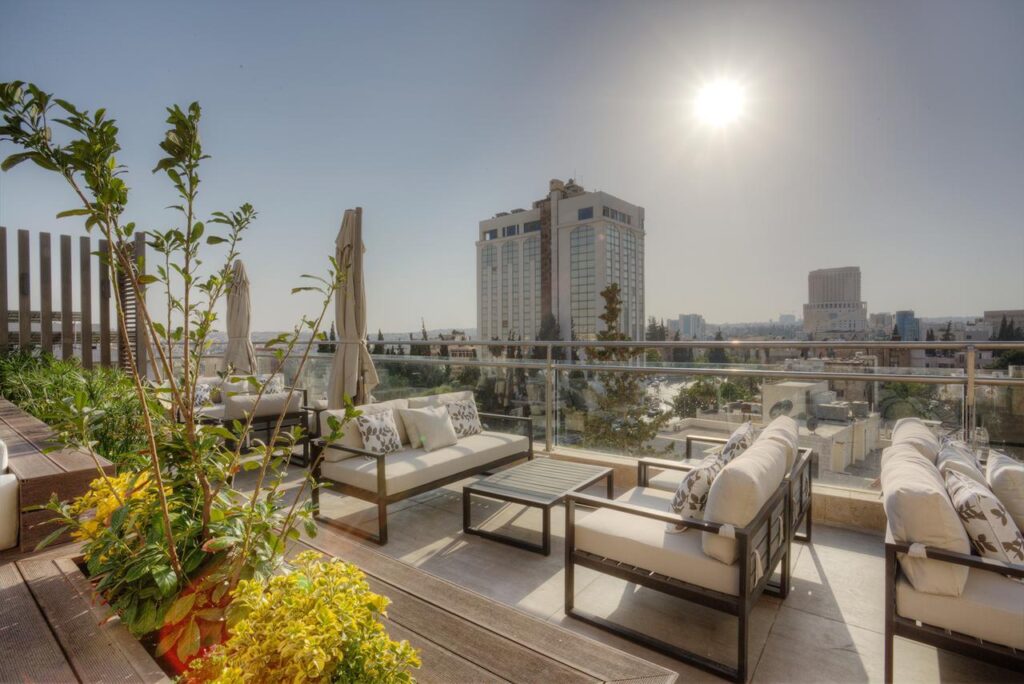
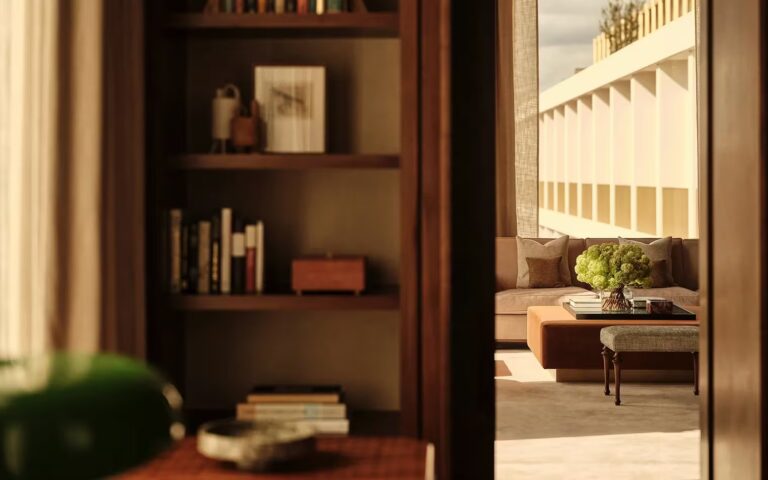
Most Amman hotels answer to international chains – Intercontinental, Fairmont – but a few independents are carving out alternatives. The House Boutique Suites sits walking distance from Rainbow Street, offering rooftop bar views, a pool, and the kind of traditional-meets-opulent aesthetic that defines upscale Ammani taste.
La Locanda Boutique Hotel takes a quirkier approach in historic Jabal al-Lweibdeh – 21 rooms each dedicated to a famous Arab musician, breakfast served in a leafy garden surrounded by the neighbourhood’s art galleries and independent cafes. Canary Hotel delivers solid boutique comfort without pretension – spacious, updated rooms, and two on-site restaurants including a breakfast buffet that rotates offerings daily.