
From pandemic necessity to lifestyle choice: which Asian capital is leading the digital nomad revolution?
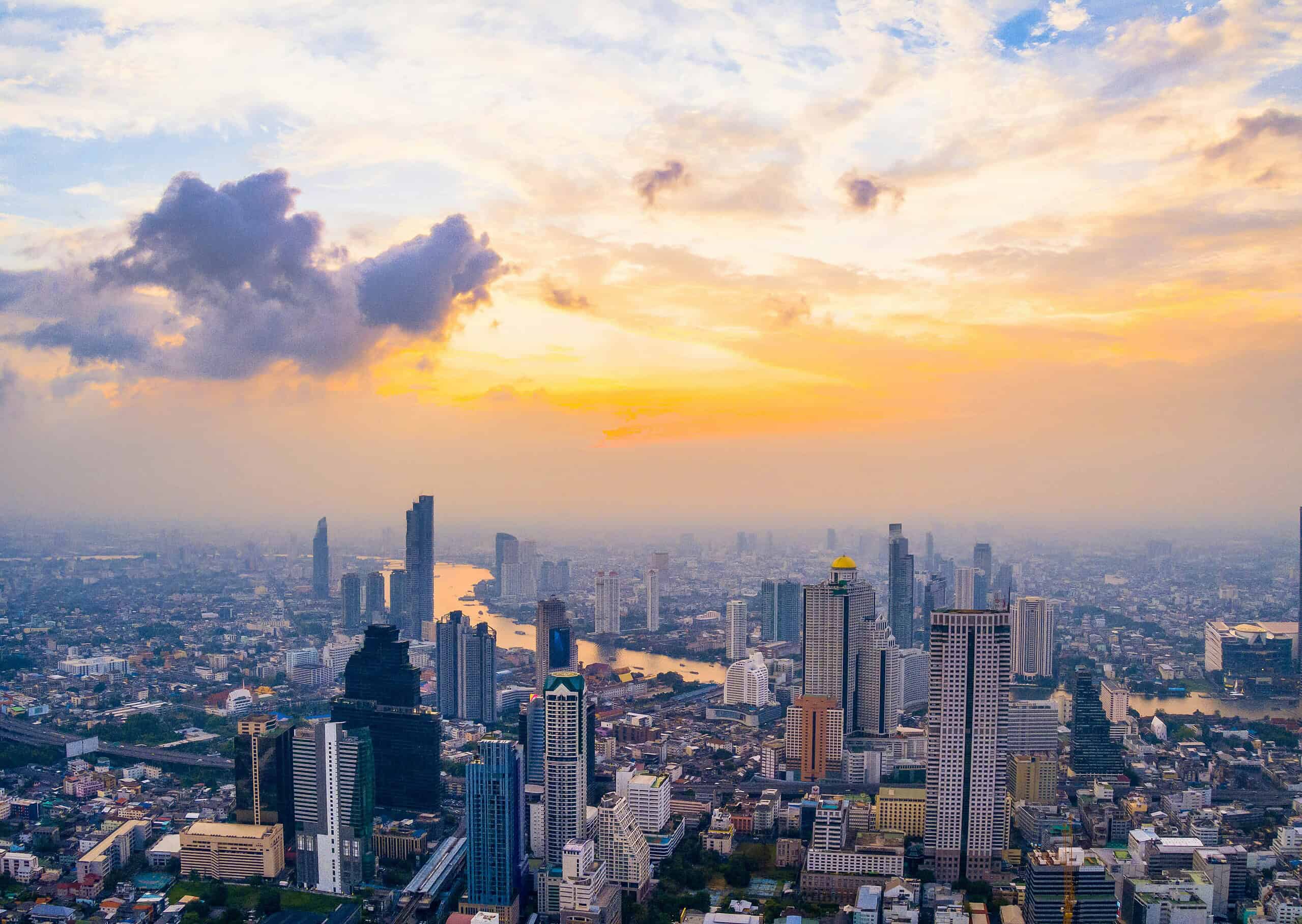
It is official: the ultimate office view now belongs to Bangkok. The Thai capital has topped the fourth annual Work from Anywhere Index from IWG, the world’s largest flexible workspace provider, beating last year’s winner Tokyo into second place, with Barcelona rounding out the top three.
The ranking, which assesses cities on climate, broadband speed, accommodation, transport, culture, food, and access to flexible workspaces, reflects a seismic shift in how we travel and how we work. New research commissioned by IWG found that 90% of workers say working from abroad has improved their work-life balance, while 80% report a boost in productivity. Almost half (48%) now plan to extend a holiday by working remotely in 2026
Bangkok’s victory underscores its appeal as an affordable, well-connected Asian hub with the energy of a major travel destination: a place where digital nomads can swap the daily commute for a co-working space by day and affordable street food and fun restaurants by night. After Tokyo at number 2 and Barcelona at 3, it’s Porto, Vancouver, Budapest, Naples, Medellin, Lisbon, and Seoul that complete the top 10, in that order.
The trend is rapidly becoming a recruitment necessity, with 62% of workers saying they would consider changing jobs for a better work-from-anywhere policy. Mark Dixon, IWG’s Executive Chairman, noted: “For many, the days of long daily commutes are over.” With more flexible workspaces sprouting up in cities worldwide, it seems the workcation is here to stay, and maybe become a key part of the corporate offering in the not too distant future.
The post-pandemic boom in workcations and remote work is no accident. COVID-19 fundamentally rewired our relationship with the workplace, accelerating remote working and fuelling demand for flexible spaces that blur the lines between office and holiday. In Bangkok, coworking spaces increased by 80% compared to pre-pandemic levels, as workers sought alternatives to both crowded CBD offices and cramped city apartments.
Add to this Thailand’s new Destination Thailand Visa – a five-year, multiple-entry scheme allowing stays of up to 180 days per visit, and the government’s explicit strategy to attract high-spending digital nomads, and it is clear why the city has become the world’s laptop-lugging capital. With reliable high-speed internet, a cost of living that remains accessible by international standards, and a cultural vibrancy that makes extending a trip irresistible, Bangkok has turned the workcation from a pandemic necessity into a lifestyle choice.