
Social media trends, expanded visa-free policies, and high-tech urban adventures are driving numbers higher than pre-pandemic levels.
For decades, a trip to China meant checking the same three boxes: the Great Wall, the Terracotta Warriors, a panda or two. That script has been torn up. A tourism surge through 2025 and 2026, fueled by a sweeping rollout of visa-free entry now covering more than 77% of foreign arrivals, has pushed inbound travel past pre-pandemic levels – and rewritten who’s coming, and why.
Gone are the days of scripted group tours shuffling between checkpoints. In their place: a generation of digital-native travelers navigating the country with nothing but a smartphone, an AI translation app, and an itinerary cribbed from social media. TikTok, Instagram and YouTube have birthed entire micro-movements – #ChinaTravel, “Chinamaxxing” – casting the world’s second-largest economy in a light it’s rarely been shown before: vibrant, current, and unmistakably now.
“The inbound tourism boom gives China the soft power boost it’s chased after for years,” says Olivia Plotnick, founder of Shanghai-based marketing consultancy Wai Social, telling Bloomberg that many recent visitors now see Shanghai as “the new Tokyo.”
Sightseeing has given way to something closer to lifestyle immersion. Instead of filing past museum glass, travelers are wandering historic alleys on impulse, queuing for bubble tea, renting Hanfu robes for photo ops in Xi’an, and working their way through regional street food stalls one skewer at a time.
That same instinct is reshaping the summer travel map entirely. As heatwaves bake the Mediterranean and much of North America, a growing wave of travelers is heading to China for relief, under the unofficial banner of “ChinaCool.” High-altitude escapes like Kunming (long nicknamed the “city of eternal spring”), Jilin’s Changbai Mountain, and far-flung stretches of Xinjiang and Xizang have posted double- and even triple-digit growth in inbound bookings.
“I came here to escape the heat,” Marco Bianchi, a first-time visitor from Rome, told the Global Times. “What I found was not just cooler weather. It was a whole ‘ChinaCool’ experience.”
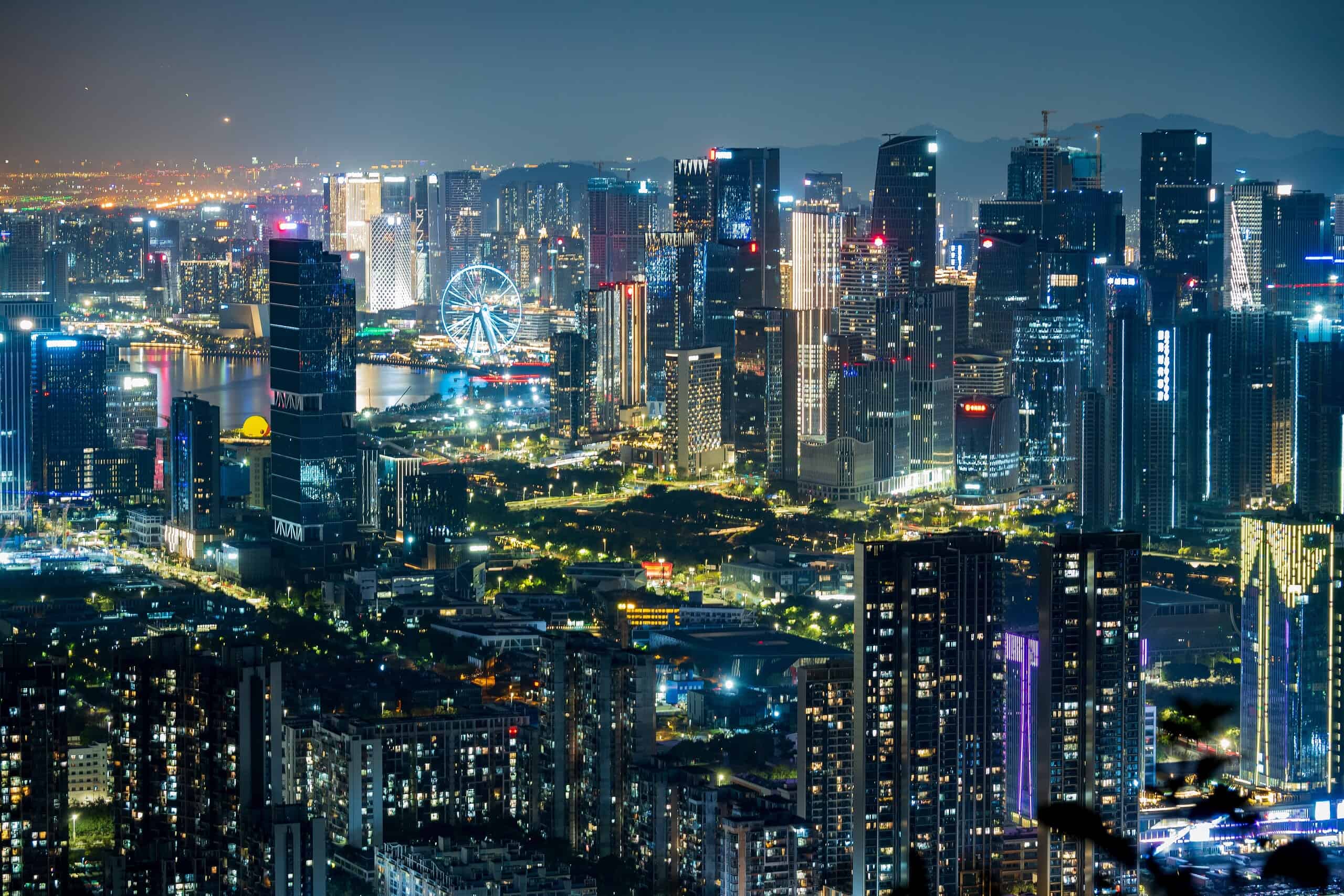
Nowhere is the shift more literal than in Shenzhen, where technology itself has become the main attraction. Travel agencies now run tech-themed excursions weaving through automated drone delivery hubs, AI experience stores, new-energy vehicle showrooms and the sprawling Huaqiangbei electronics market, less a shopping trip than a glimpse of what’s next.
“Our tech-themed tours are flying off the shelves,” Hou Siqi, a guide with Century Holiday Travel Group, told CGTN, noting that some international visitors travel to Shenzhen for this experience alone.
That same appetite is fueling a retail boom. Buoyed by generous tax-refund incentives, shopping has become a trip motivator in its own right. Flagship stores for Pop Mart and Miniso in Shanghai now draw crowds of foreign visitors hunting collectibles and viral merch, while Yiwu (best known as a wholesale hub) has become a destination for travelers after cheap gadgets, bags and the kind of items that go viral before they go on sale.
None of this comes friction-free. China’s cashless, hyper-digital infrastructure can be disorienting for visitors without a local bank account, and the absence of familiar Western apps (sans VPN) still demands a learning curve.
But the gaps are closing fast. Expanded multilingual signage, AI translation kiosks, and the ability to link foreign credit cards directly to Alipay and WeChat Pay have smoothed over much of the day-to-day friction that once defined a first trip to China.
Between high-speed infrastructure, cooler climates and a cultural identity firmly rooted in the present tense, China has rewritten its own tourism story. For a growing share of global travelers, the appeal is the chance to step directly into a fast, high-tech now.