The £400m museum in Pingshan Shenzhen is rewriting what the Chinese megacity can offer travellers – and it’s easier to reach than you think.
When the Shenzhen Natural History Museum opened in Pingshan on July 28 this year, it did so with the confidence of an institution that knew it was filling a void. South China had never possessed a comprehensive natural history museum of this scale; the region’s story of mountains, wetlands and migratory birds had simply never been told in one place.
But the museum is not an isolated object. This month, as Shenzhen prepares to host the 2026 Carbon Peaking and Carbon Neutrality Forum on September 22–23, the city’s broader ambitions come into sharper focus. The forum, now in its fourteenth year, will convene industry leaders and policymakers around a single question: how does a city reach zero carbon? For Pingshan, the museum is already part of the answer — a cultural anchor embedded in an ecological corridor, meant to demonstrate that green development is not just infrastructure but lived experience.
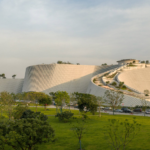
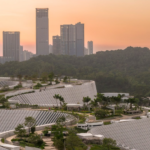
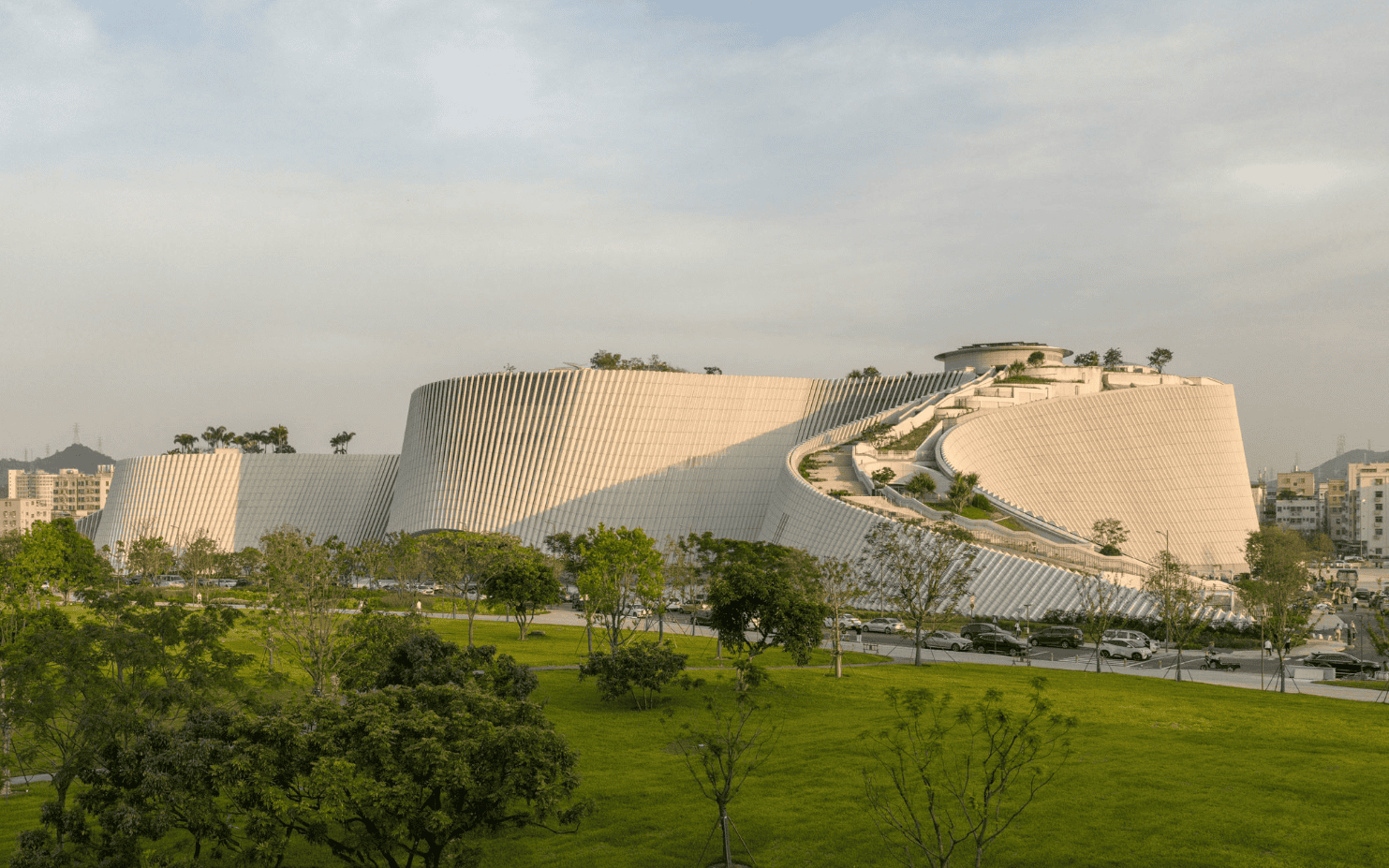
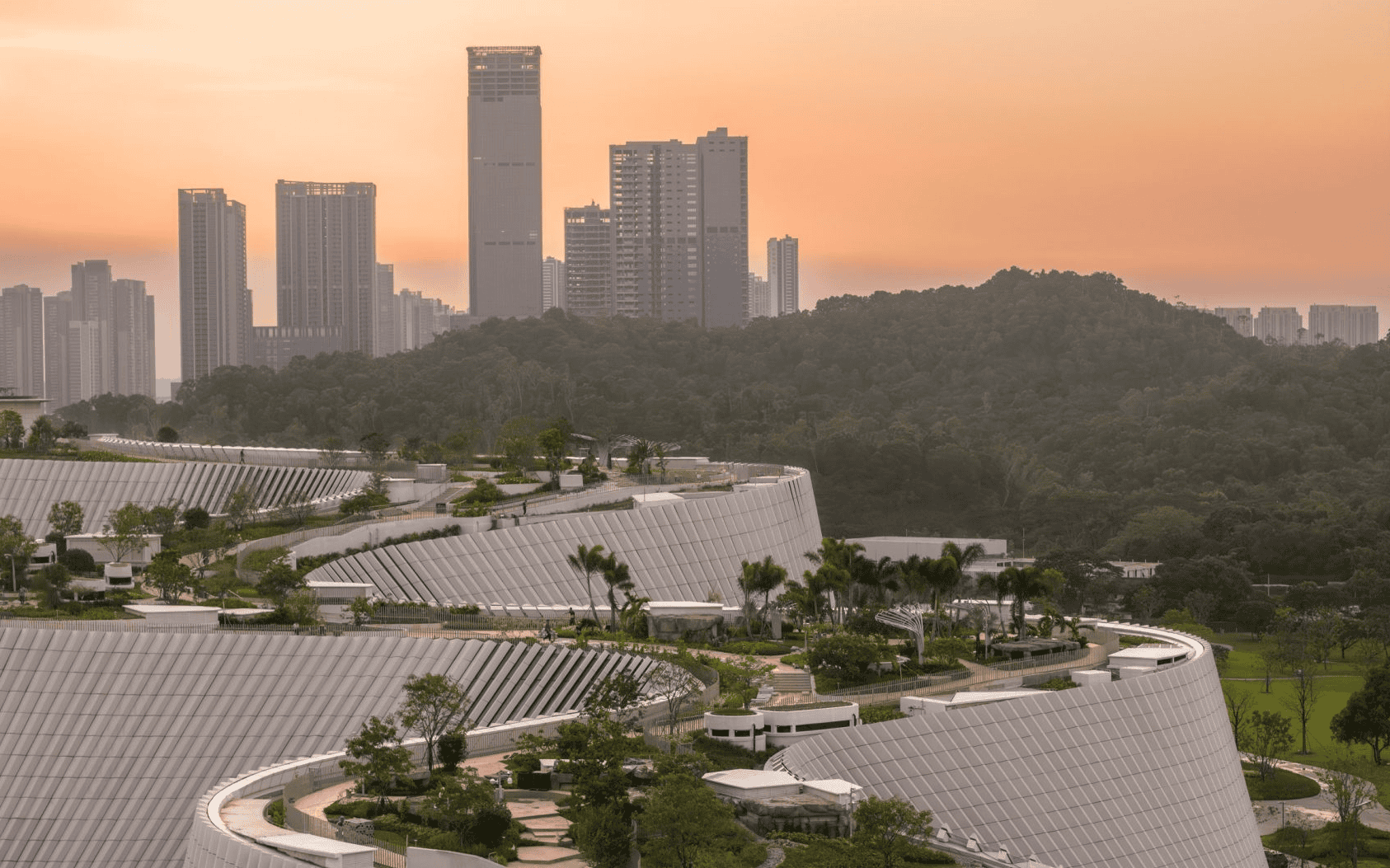
The building itself refuses the box. Designed by 3XN, B+H and Zhubo as a “river delta” of five conical volumes, its granite shell flows into the landscape of Yanzi Lake, with an impressive rooftop garden stretching over 600 metres to connect the museum to the surrounding wetlands and hills. Inside, 7,461 authentic specimens guide visitors from the cosmos to Shenzhen Bay, culminating in a hall that archives the city’s own ecology: the birds of Shenzhen Bay, the plants of Wutong Mountain, the marine life of Dapeng Bay.
Pingshan’s development and reform bureau has designated the museum’s surroundings a priority zone, coordinating road improvements, environmental upgrades and transit connections to turn the area into a functional civic precinct rather than a standalone attraction. The museum, in other words, is not just a destination; it is the centrepiece of a district learning how to be a new kind of city.
Because the story of our own planet is suddenly walkable. Where else can you cross a river of granite, meet a Shenzhen Bay wetland bird, and stand beneath a dinosaur — all before lunch?
For tourists visiting South China, the Shenzhen Natural History Museum is not to be missed. While Hong Kong has world-class museums, it lacks a permanent, large-scale display of dinosaur fossils and Earth’s deep history. Shenzhen’s new landmark fills that gap with 7,461 authentic specimens, including a 26-metre Mamenchisaurus skeleton and fossils unique to Guangdong. Beyond the exhibits, the huge rooftop trail weaves directly into the surrounding wetlands and hills, making the building itself the first exhibit. For families and science-curious travellers, it turns a weekend break into a journey through 4.6 billion years.
Go now, before the crowds discover it.
Getting there: Shenzhen Metro Line 16 to Shabao (Exit D), then an eight-minute walk. Open 9.30am–6pm, closed Mondays. Tickets are 80 RMB via the museum’s WeChat mini-programme.