While their parents collected souvenirs, Asia’s new luxury travellers are collecting stories, swapping shopping malls for sacred sites and guided tours for genuine connections.
A quiet revolution is sweeping through Asia’s luxury travel landscape. Once synonymous with group tours and shopping expeditions, the continent’s travellers are now charting a bold new course in luxury journeys. Their focus? Transformative experiences and personal growth over designer shopping bags.
In China, affluent millennials are trading shopping-focused trips for cultural immersion and outdoor adventures. In India, rising wealth is seeing travellers bypass traditional status symbols altogether, choosing instead to invest in memorable experiences that reflect their personal aspirations. Together, the two most populous countries on the planet represent a profound transformation in how Asia is starting to approach the very concept of high-end travel.
China rewriting the rulebook
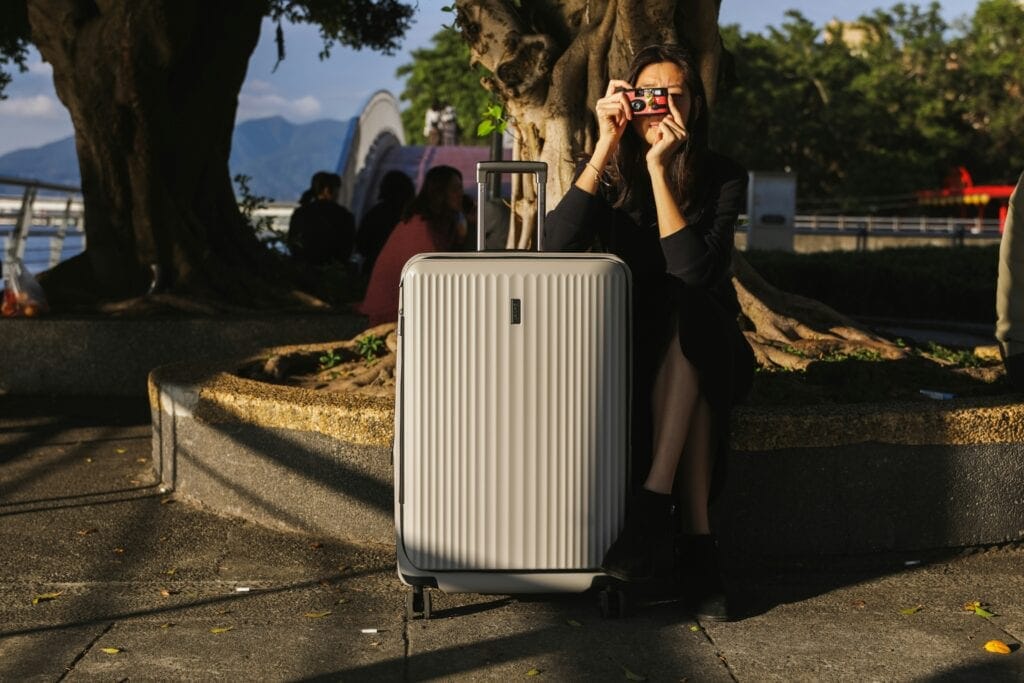
The world’s largest outbound travel market is undergoing a remarkable transformation. Gone are the days of Chinese tourists dutifully following flag-waving guides through tourist traps. Today’s Chinese travellers are crafting their own adventures, seeking experiences that resonate on a deeper level. As 37-year-old modelling agent Vinsa Hu tellingly said in a recent Bloomberg article, “Luxury bags lose value… I feel like I need to enjoy life.”
This shift is playing out dramatically on social media platform Xiaohongshu, where wanderlust-inducing content showcases everything from Tanzanian safaris to Japanese ice swimming. These aren’t just travel photos — they’re aspirational blueprints for a new generation of explorers.
The industry is racing to keep pace with these evolving preferences. Hilton Worldwide Holdings Inc. has embraced the change, introducing Mandarin-speaking staff, Chinese breakfast options, and UnionPay facilities. Meanwhile, Hong Kong-based Klook is tapping into the experiential trend with offerings like desert camping in Dubai and samurai training in Tokyo. Even Trip.com, China’s travel booking giant, reports surging interest in national parks and family-focused attractions.
India’s shifting priorities

In parallel, India’s outbound travel market is writing its own compelling narrative. The country’s younger generations are redefining luxury travel as a form of self-expression and personal investment. As Shivani Gupta, Managing Partner, India said related to a recent FINN report, “Travel has become deeply personal, a reflection of one’s identity and aspirations.”
The numbers tell a striking story: 81% of young Indian travellers would choose luxury travel over a lavish wedding, while 74% prioritise it above designer purchases. Yet their vision of luxury isn’t about gold-plated taps – it’s about unique experiences that leave lasting impressions.
The generational nuances in Indian travel preferences paint a fascinating picture. Gen Z emerges as the bold experimenters, travelling with spontaneous, emotion-driven choices. Millennials strike a different note, seeking distinctive experiences and refined comfort without unnecessary extravagance. Meanwhile, Gen X travellers dive deeper, pursuing cultural authenticity and meaningful connections while keeping practicality in mind.
Asia’s post-pandemic renaissance
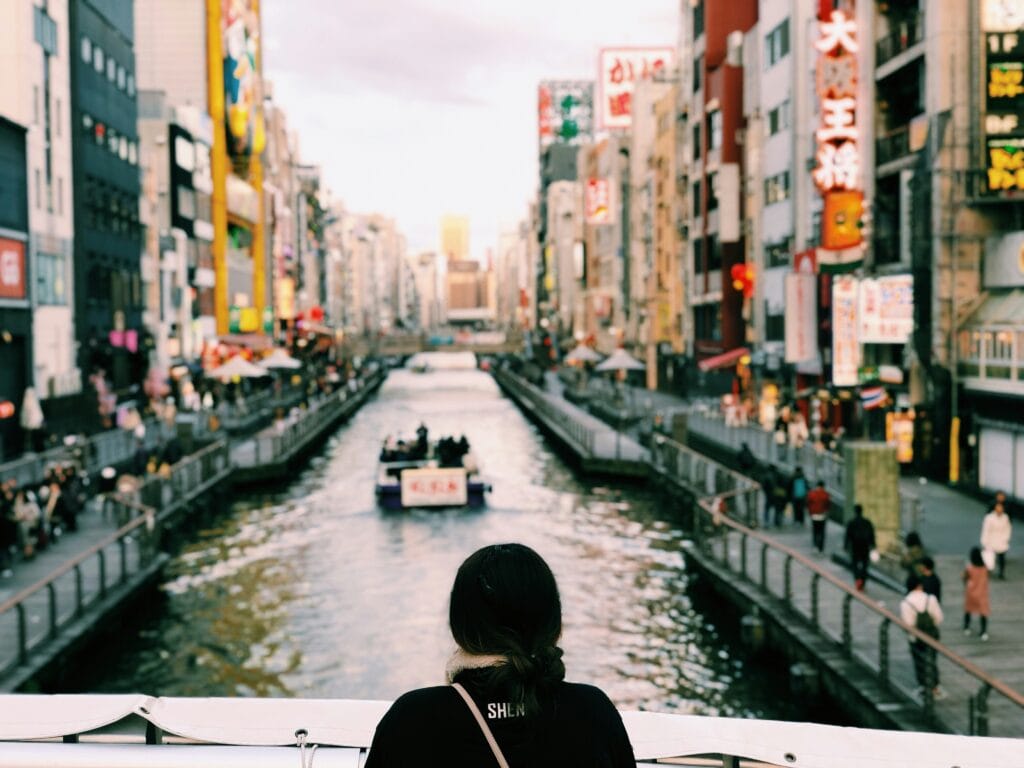
The post-COVID travel landscape across Asia’s major markets tells an intriguing story. India, China, and Japan are seeing a notable surge in domestic and regional travel, though each market moves to its own rhythm. While India and China embrace both local and short-haul international adventures, Japan maintains a more measured approach, according to Skift’s findings.
Yet the path to recovery isn’t without its hurdles. Chinese travellers’ enthusiasm for long-haul trips is tempered by geopolitical tensions and lingering safety concerns. Meanwhile, both Indian and Japanese travellers grapple with escalating travel costs affecting all income brackets. Skift reports that visa complexities, limited flight options, and health considerations continue to challenge travellers across all three markets.
These markets also reveal distinct luxury preferences. Indian travellers gravitate towards premium flights, designer shopping experiences, and wellness retreats. Their Chinese counterparts seek immersive adventures – from safaris to private tours and refined dining experiences. Japanese travellers, while appreciating gourmet cuisine and upgraded flights, tend to be more restrained with additional luxuries.
Breaking down digital walls
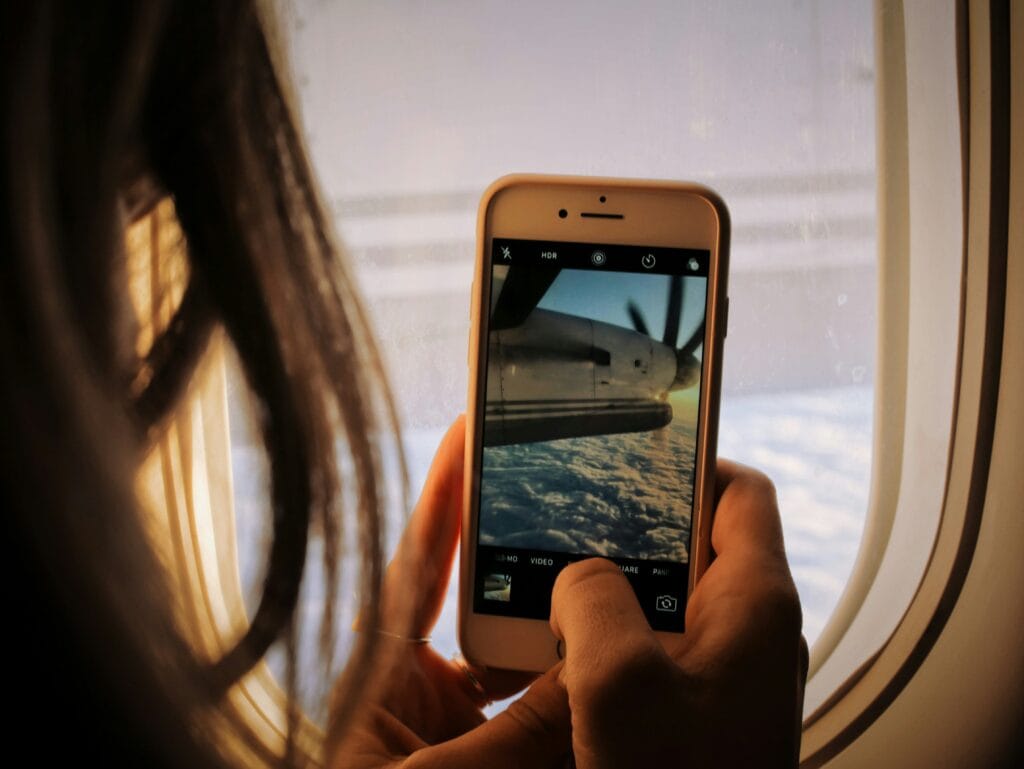
This new era of Asian travel demands a deeper understanding of travellers’ emotional drivers. As FINN’s report quotes Oliver Rowe, Co-Founder & Managing Partner at GSIQ: “Helping these travelers achieve their emotional goals by helping them to participate rather than watch is what travel brands and destinations increasingly need to promise.”
The key lies in delivering authentic, inspiring, and personalised experiences. Thomas Morris, Senior Partner, UAE and Head of EMEA Intelligence, FINN emphasises: “Marketing destinations based purely on physical characteristics and infrastructure won’t work. You have to instead emotionally profile your audience and map their emotional needs to how you tell your story.”
Digital platforms have become crucial in shaping travel decisions. A recent Jing Daily article highlights how Chinese travellers particularly rely on Xiaohongshu (RedNote) and Douyin (TikTok) for travel inspiration, pushing luxury brands towards social-first strategies that embrace user-generated content and influencer partnerships.
Shaping tomorrow’s experience
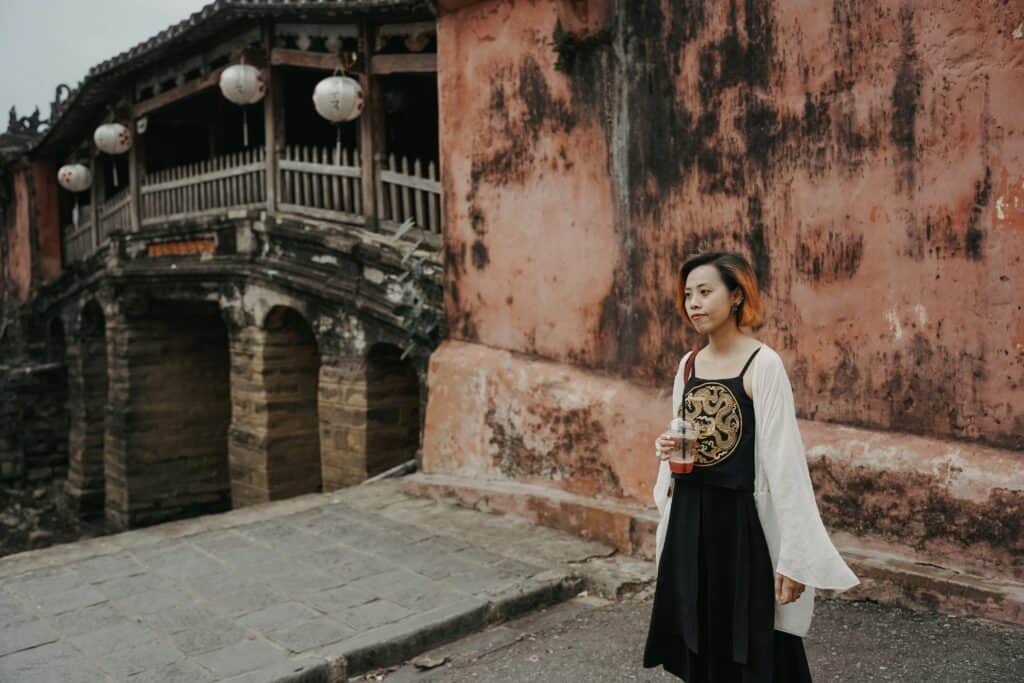
As Asia emerges from the shadows of traditional tourism, its travellers are writing a new chapter in global exploration. No longer content with simply ticking off tourist attractions or filling suitcases with luxury goods, Chinese and Indian adventurers are seeking something more profound: moments that leave lasting impressions.
This shift reflects a deeper change in how Asia’s new generation views the world. Whether it’s mastering the art of samurai swordsmanship in Tokyo or camping under desert stars in Dubai, these travellers are crafting their own narratives. They’re proving that true luxury isn’t about what you own; it’s what you experience.