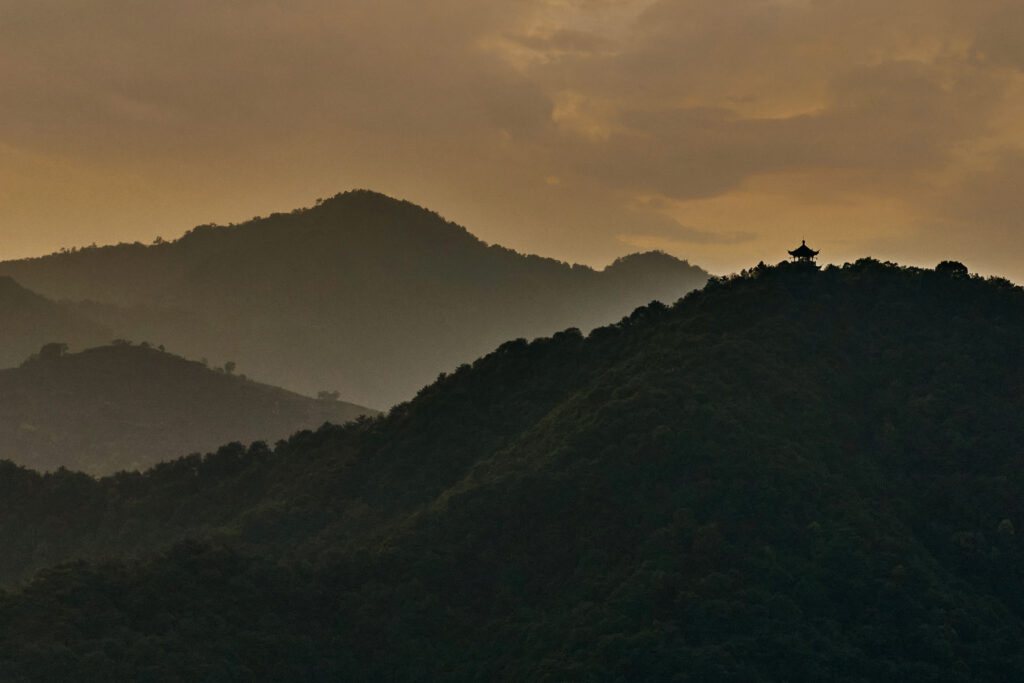
Hidden within a lush hillside sanctuary, Sisan Hupao 1934 offers an intimate look at Hangzhou’s past through its meticulous design, holistic tea rituals, and quiet, deliberate luxury.
As a property lesser known to Western travellers, we explored Sisan Hupao 1934 going in with no prior expectation. The main takeaway? We only wish we had visited it sooner. But best to start at the beginning. Arrival is handled with a level of care that feels deliberate from the start with the hotel concierge reaching out for travel details prior to departure. And despite being immediately lost upon arrival at the bustling Hangzhou South train station, Sisan Hupao had appointed a responsible private driver already awaiting our arrival with a private car.
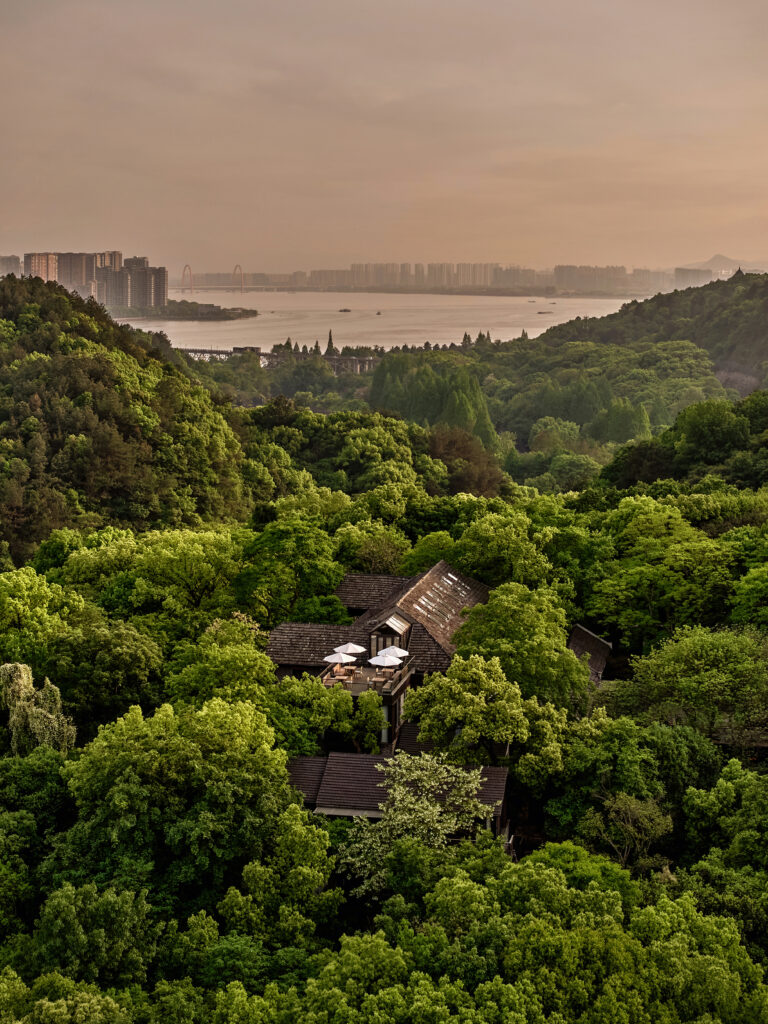
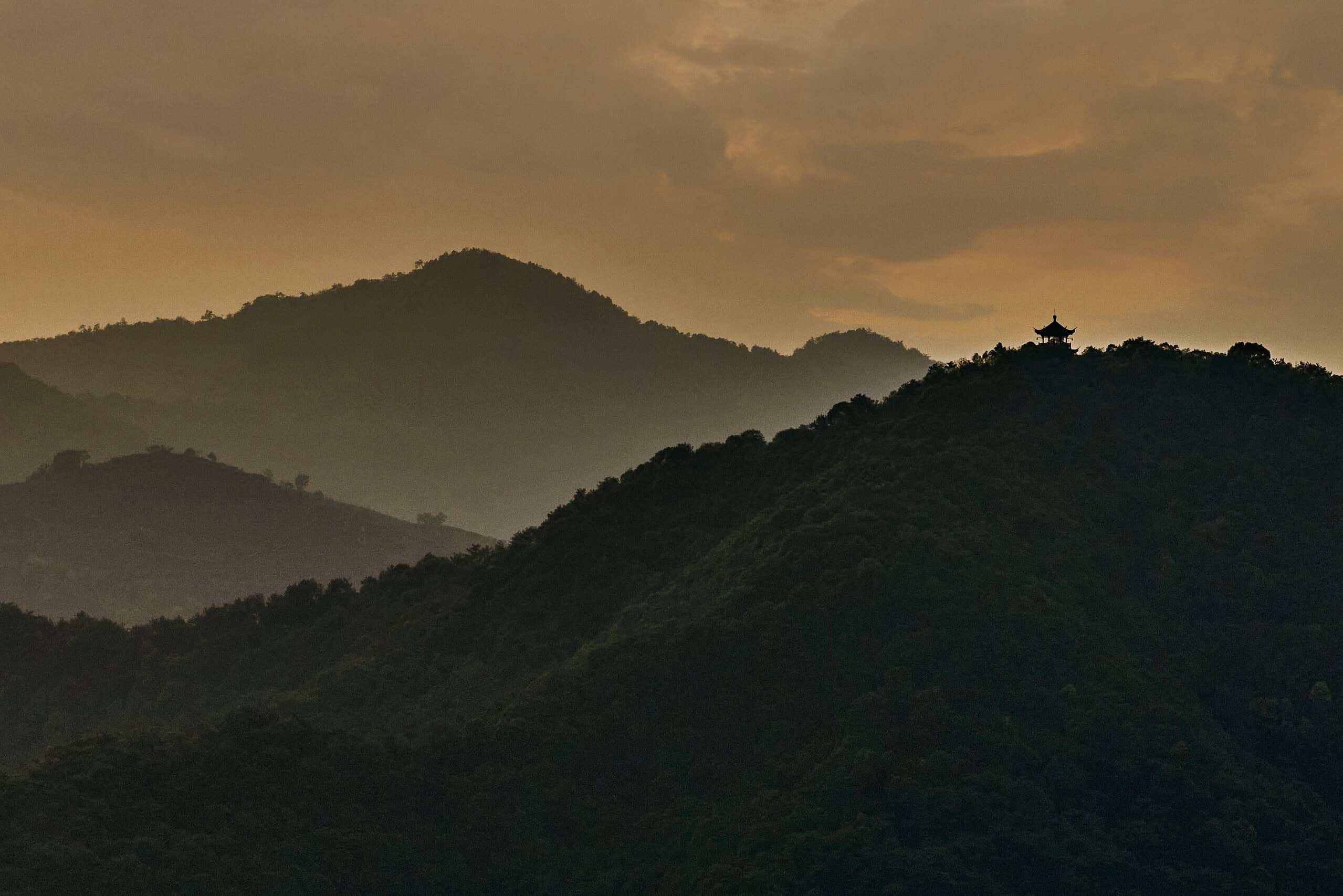
The drive to the hotel from the station is half an hour, passing through Hangzhou’s West Lake Scenic region and just beyond the city’s more populated edges to the hushed surrounding hills, where nestled in the verdant slopes sits Sisan Hupao 1934. The name itself “Dreaming of the Leaping Tiger” references the close by Hupao Spring known for its clear, mineral-rich water that has drawn visitors for centuries.
Upon first arrival, you are kindly greeted with refreshments, an invitation to enter the dreamy world of Sisan Hupao 1934, where intentional design and detailed attention to a holistic experience for guests unfolds into a tranquil realm detached from the mundane of rushed daily life. Clearly honoring historical and natural elements, the complex is oriented slightly east of north-south, featuring white walls, black tiles, hollowed-out railings, red wooden lattice windows, brick cornice and a rubble stone foundation.
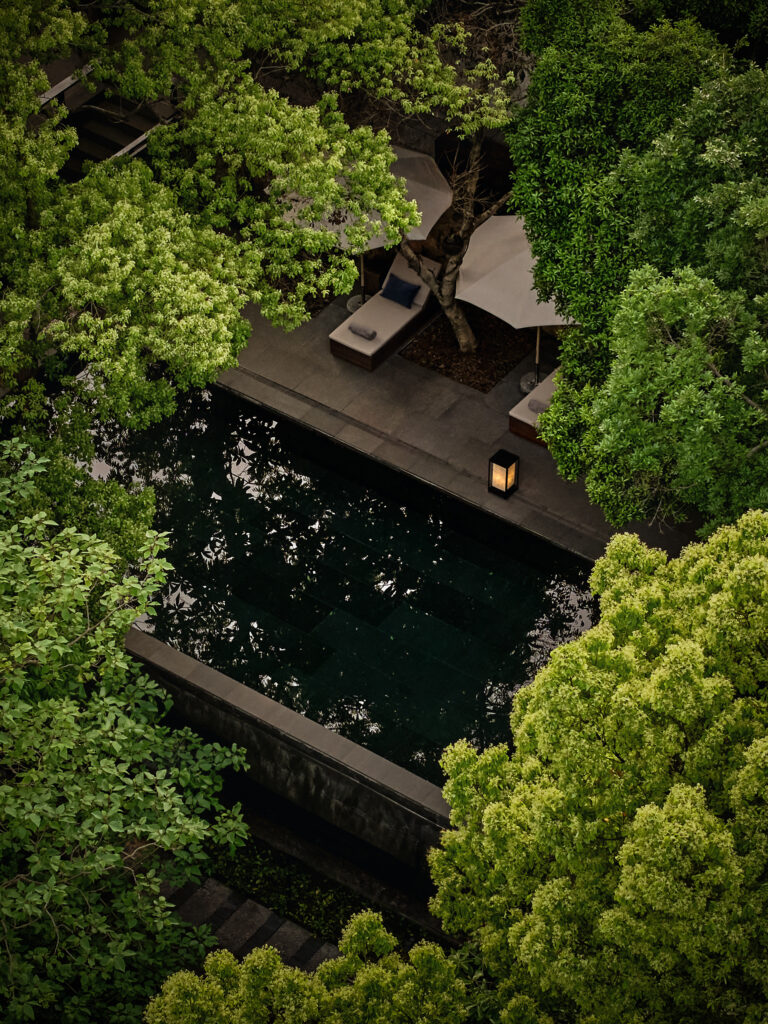
The main building hosts the library, restaurant, terrace tea room, and outdoor pool, all connected via a long narrow courtyard to several adjacent villas. Originally built in 1934 as a Republic-era garden villa, the property moved through distinct phases, from a private retreat for Catholic priests to post-liberation military use, before being formally protected and restored into its current form through a joint four-year renovation project led by the Hangzhou Historical Preservation Center, Ya Design and Shangyiyang Design. The initial care and artfulness already set the tone to truly unwind and enjoy the beauty of Hangzhou.
Scent and space in the Xingshu Villa
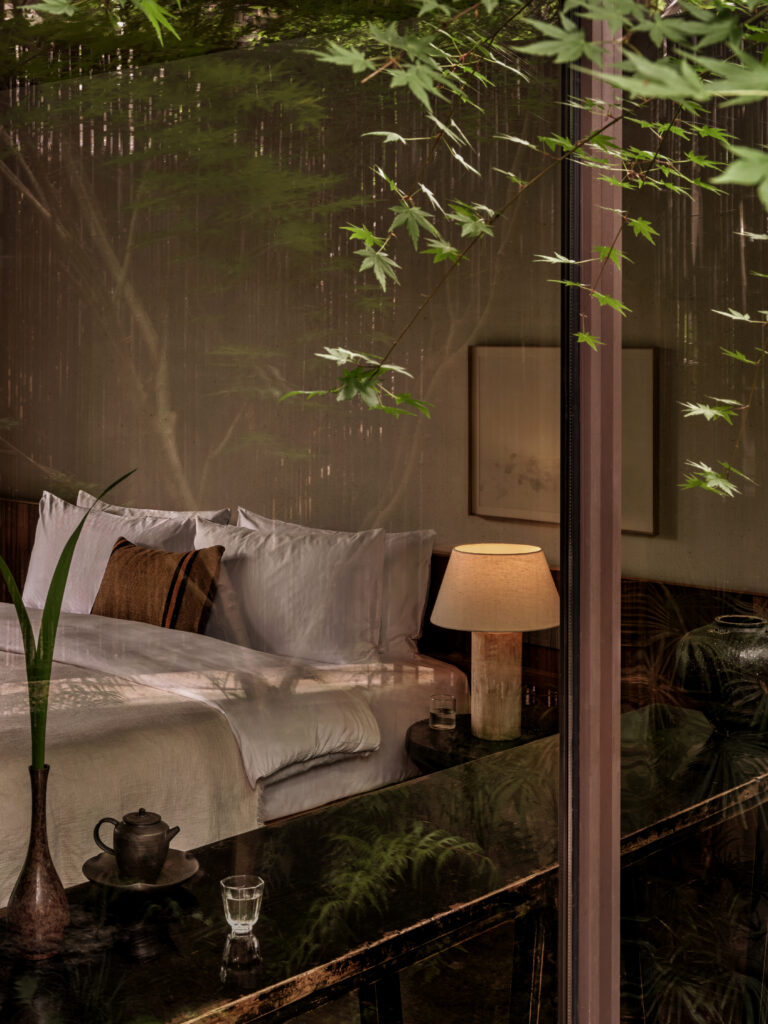
We stayed in the Xingshu, or Apricot Villa, which is reached through a private gate set slightly apart from the main paths. From there, a short walk leads to the secure entrance, then climbing up the stairs you rise to meet the trees, elevated just enough to overlook the lush hillside while still remaining fully within it. In spring, the enveloping scent of the hills’ blooming greenery warmed from the day keeps you fragrant company through the dark of night. Waking in the morning, soft chirps, muted animal sounds and dappled light find you through the branches of your private terrace.
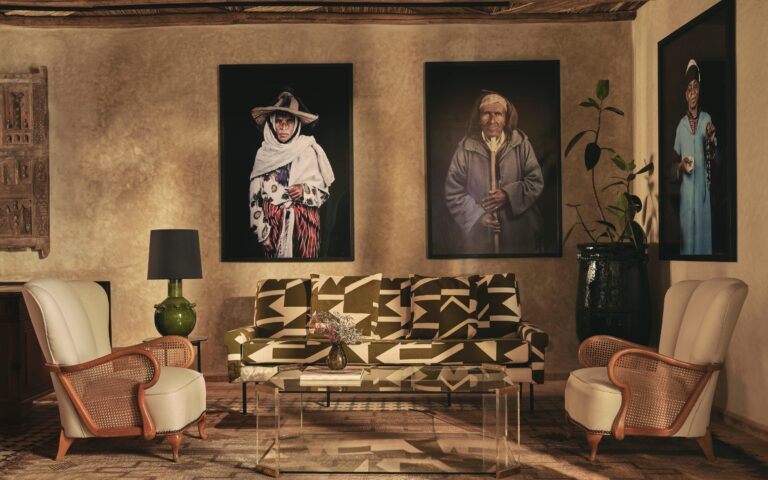
Inside, the villa follows a clear discipline to “use subtraction to remove clutter, returning to a space of authenticity.” This enables rejuvenation through each of the senses. Fresh fruit is set out, alongside tea cakes that reflect local flavours, and a rotation of tea and wine. Natural materials bring warmth through black lacquer cabinets, wooden floors, attic skylights, linen and fine pottery. Both sides of the villa feature floor to ceiling windows, maximising natural light and wisely adorned with blackout curtains for restful sleep.
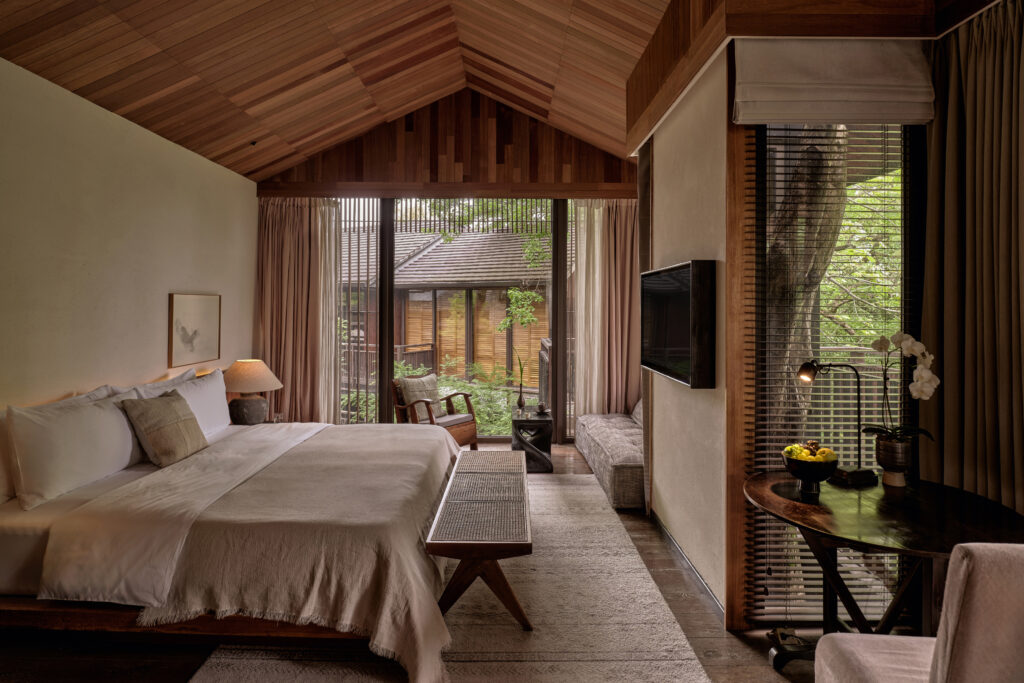
To wind down in the evening you have many options: sip on the cool bamboo tea; enjoy the generously-sized bathtub overlooking nature stocked with all the necessities for an opulent soak; and or, light the woody incense prepared for you in the sitting area. The concierge is also more than happy to provide a pillow menu, we personally enjoyed the natural hull-filled buckwheat pillows. Staying here, the space reflects on you. The warm tactile materials and traces of time conversing with the freely growing world just outside the window bring a sense of ease and restorative peace.
Immersive experiences, dining and rituals
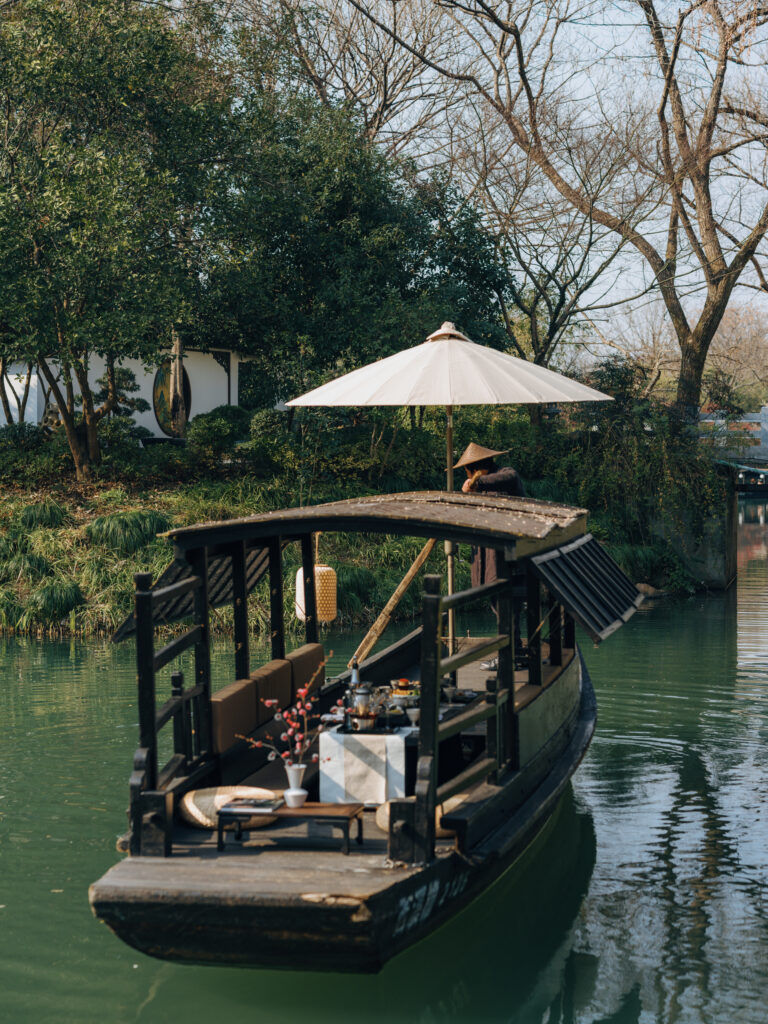
The experience extends beyond the property through a series of thoughtfully organised outings. The hotel arranged an excursion to the Xixi Wetlands, where you board a traditional Jiangnan sculling boat to float steadily through the waterways. A tea sommelier joined on board, introducing different varieties and explaining their origins and preparation with precision. Caviar and pastries reflecting local flavors were served alongside non-alcoholic sparkling wine.
The elder boatman was also in good spirits, guiding us through poses of classic Chinese beauties in attempts to emulate them for photos gliding along the river. The cruise was unhurried, with time also to explore the historic area’s Gao’s mansion and canal streets where local foods and lanterns stood out on small paths twisting through the reeds and water backdrop.
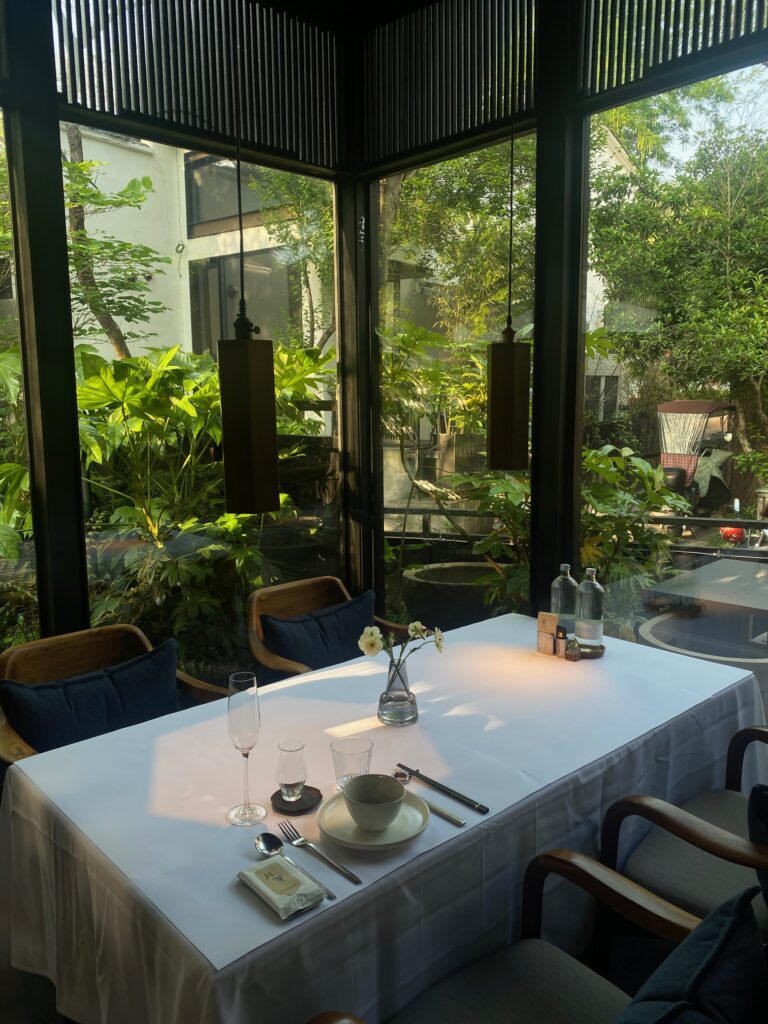
We dined at one of the properties’ Yaka Restaurants that evening, which carries the same level of intention. The space is romantically lit, with intoxicating warmth from hanging lanterns anchored by the contemporary interior and surrounding pond. The menu moves across cuisines, bringing together different influences without losing coherence between dishes. Chinese century eggs, thai-inspired fish, and tender wagyu meld to delight the tastebuds. Cocktails are also poetically designed honouring tea and moments of beauty like twilight and the evening breeze. The approach remains consistent throughout, thoughtful taste and experimentation that rewards the taster, supported by attentive, detail-oriented service that never disrupts the flow of the meal.
The next morning, we met the resort’s professional tea plucker in the lobby to experience picking the property’s tea terrace with Longjing tea. Working alongside an experienced tea picker, the process focuses on selecting only the top leaves and buds, with each movement guided to maintain quality. Wearing a traditional bamboo hat, the work requires sharp eyes for detail and consistency. It offers a direct understanding of the care behind production, something often overlooked, which you can then reap the benefits of sipping on your self-plucked tea in the afternoon.
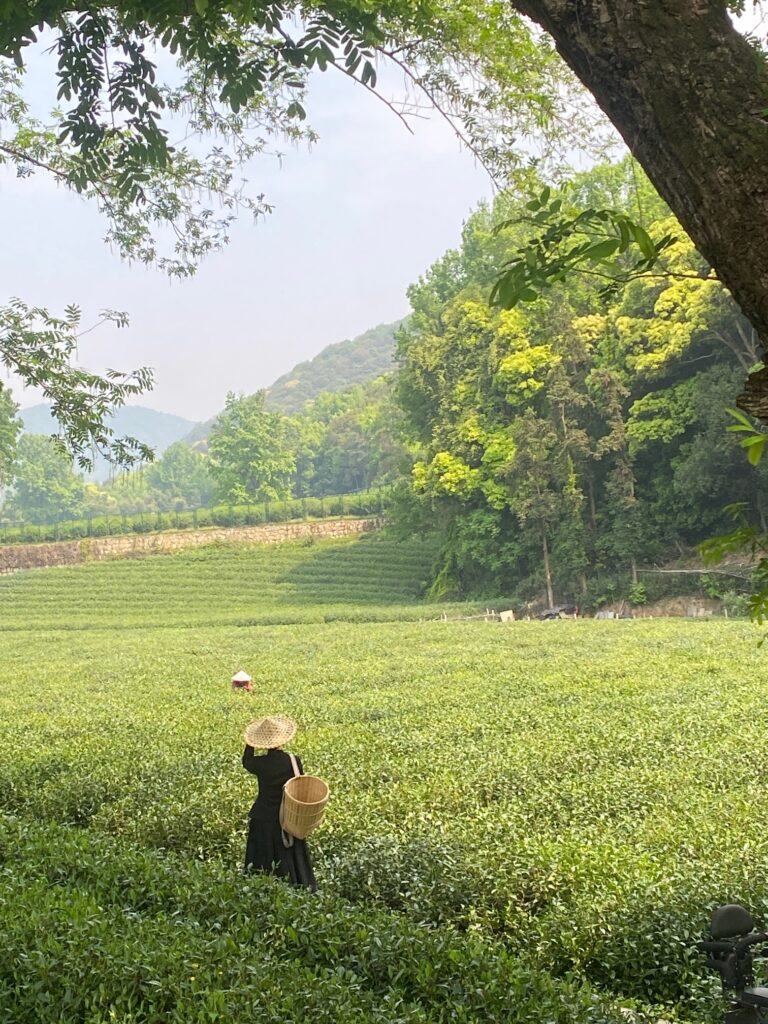
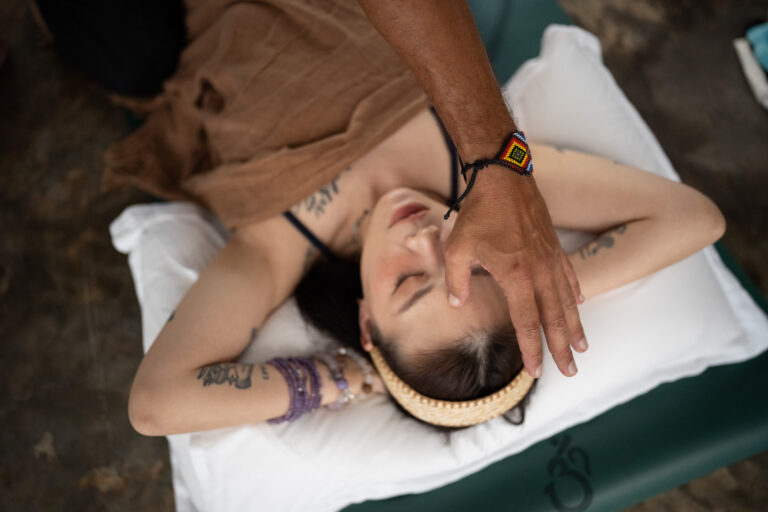
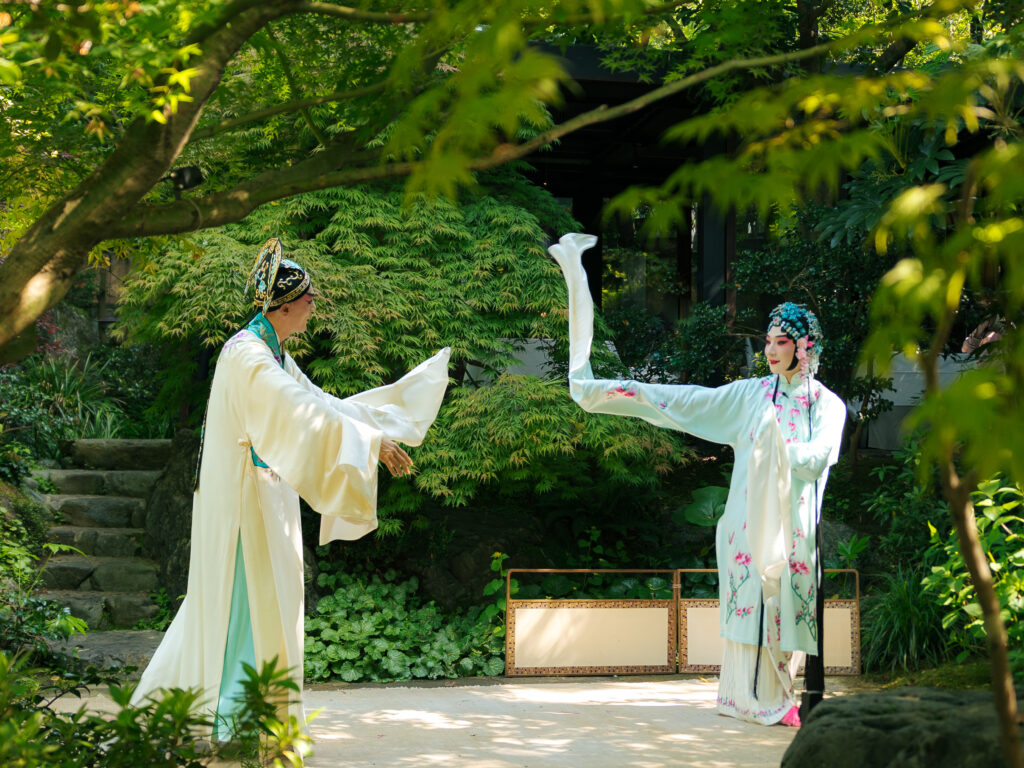
The hotel also incorporates cultural programming, including Kunqu opera performances such as The Peony Pavilion, extending the experience into performance and tradition. Together, these elements reflect a stay that is actively shaped and orchestrated, connecting landscape, food, and cultural practice into a holistic experience.
Why it matters
It is clearly evident how much has been thought through, and how little of it calls attention to itself. There is no single moment positioned as the highlight. Instead, the experience is built through a collection of smaller, quality decisions. The way the driver is already waiting. The way the room is prepared. The pacing of the day, shaped but never forced. The attention to scent, a memory you can carry home with you in the form of incense sticks or a candle. Even the experiences beyond the property feel integrated rather than scheduled. Everything is arranged with care so nothing feels out of place, and so that it feels like part of a larger whole in the nature surrounding Sisan.
The effect is cumulative. It grants an escape from the grind of the everyday, where guests can nourish themselves through ritual and exploration in a space reserved for peace, seldom achieved. The level of excellence across design, experience and service Sisan has crafted is difficult to find, and even more difficult to maintain. Truly embodying the beauty of its surroundings, Sisan has created a magical experience. By the time our visit ended, my only regret was that I couldn’t stay longer.
Chelsea Toczauer is a California-based contributing editor specialising in luxury, travel, culture and global markets, with a focus on refined experiences and the global ecosystems that shape them.