Original 1886 rooms, centuries of Texan political history, and a gold-stained-glass rotunda rising above Austin’s bustling streets.
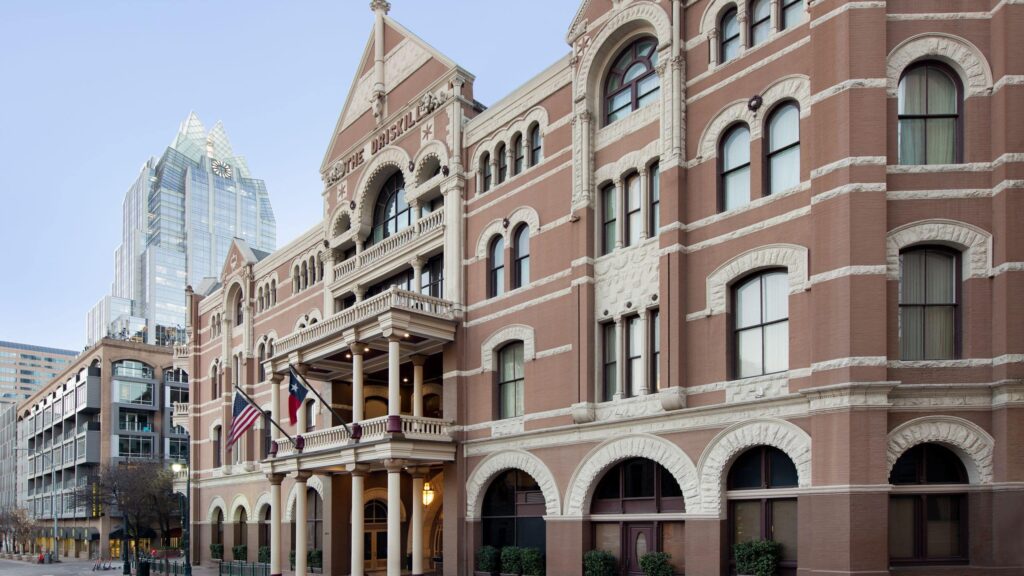
At the corner of Brazos and Sixth, The Driskill rises with the confidence of the man who commissioned it at the height of the Gilded Age. Jesse Lincoln Driskill, a Tennessee-born cattle baron who built his fortune in Texas, arrived in Austin determined to leave a legacy. He spent an estimated $400,000 – roughly $92 million today – on the building of the cowboy Romanesque Revival-style “Frontier Palace.”
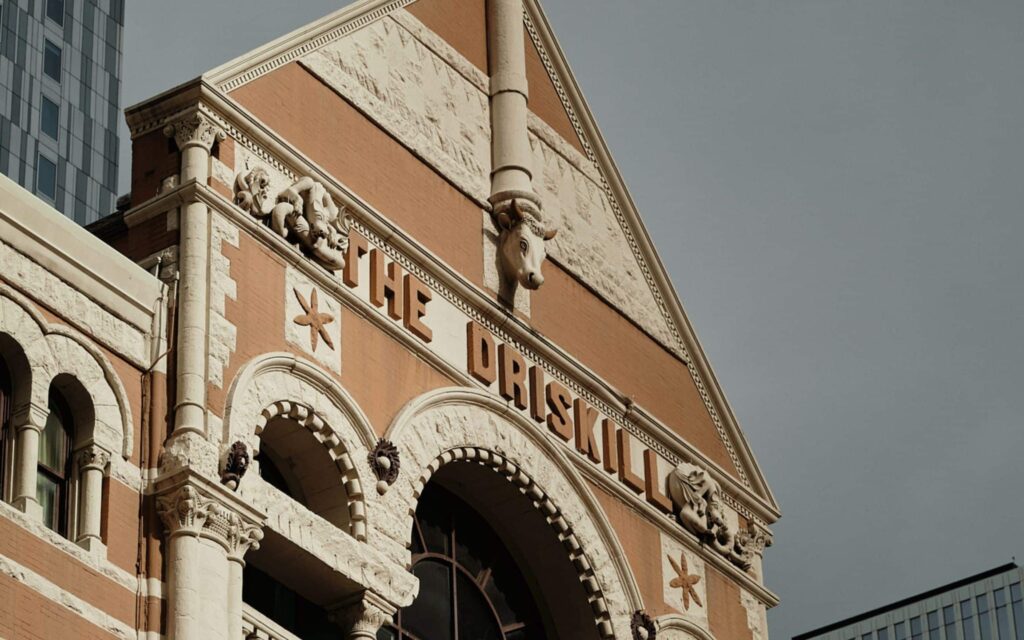
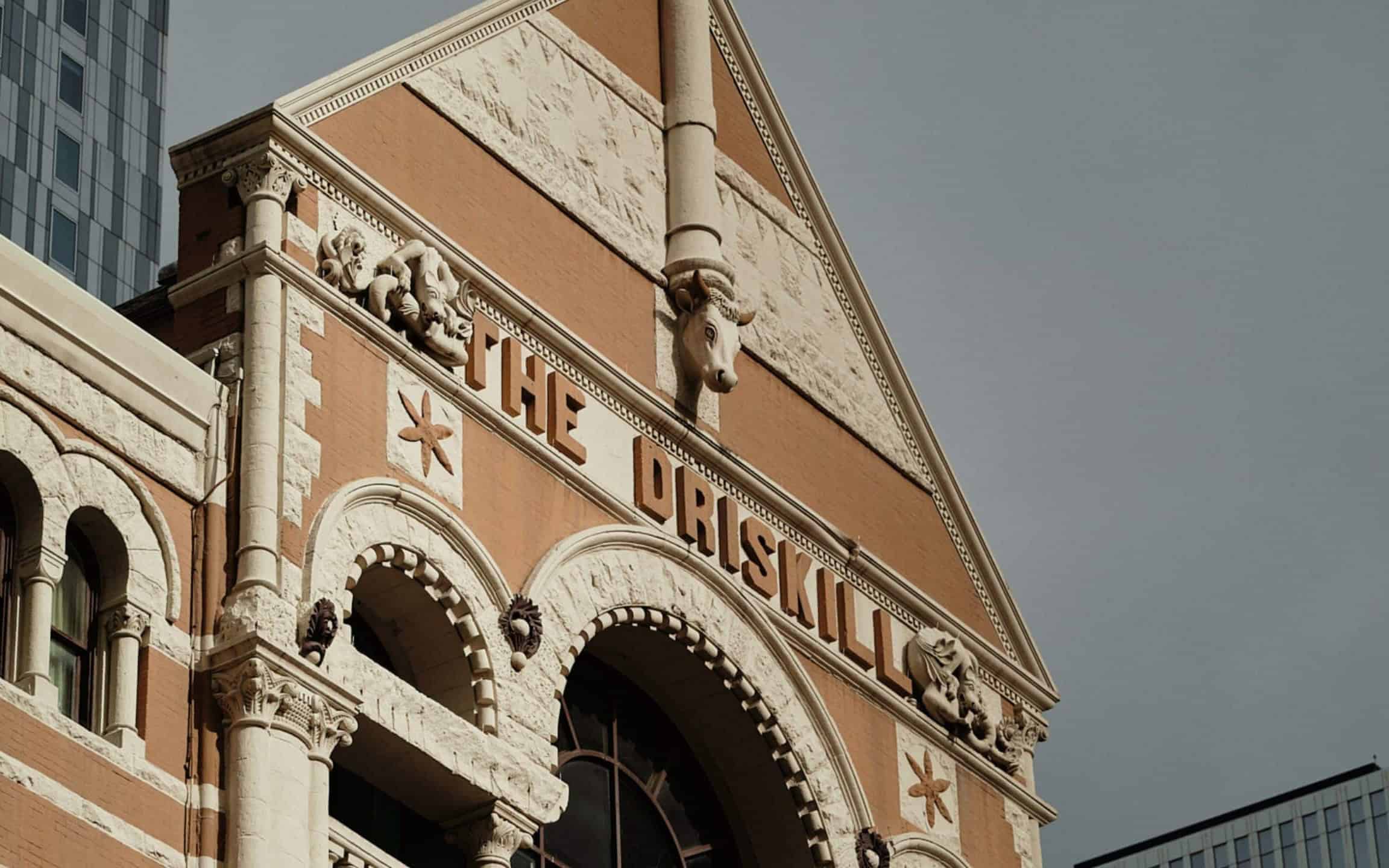
This wealth and ambition still read clearly from the street as I look up upon passing my car keys to the valet. Pale limestone, deep balconies, and longhorn heads carved above the arches give the façade a formal presence grounded in the mythology and material wealth of the 19th-century elite.
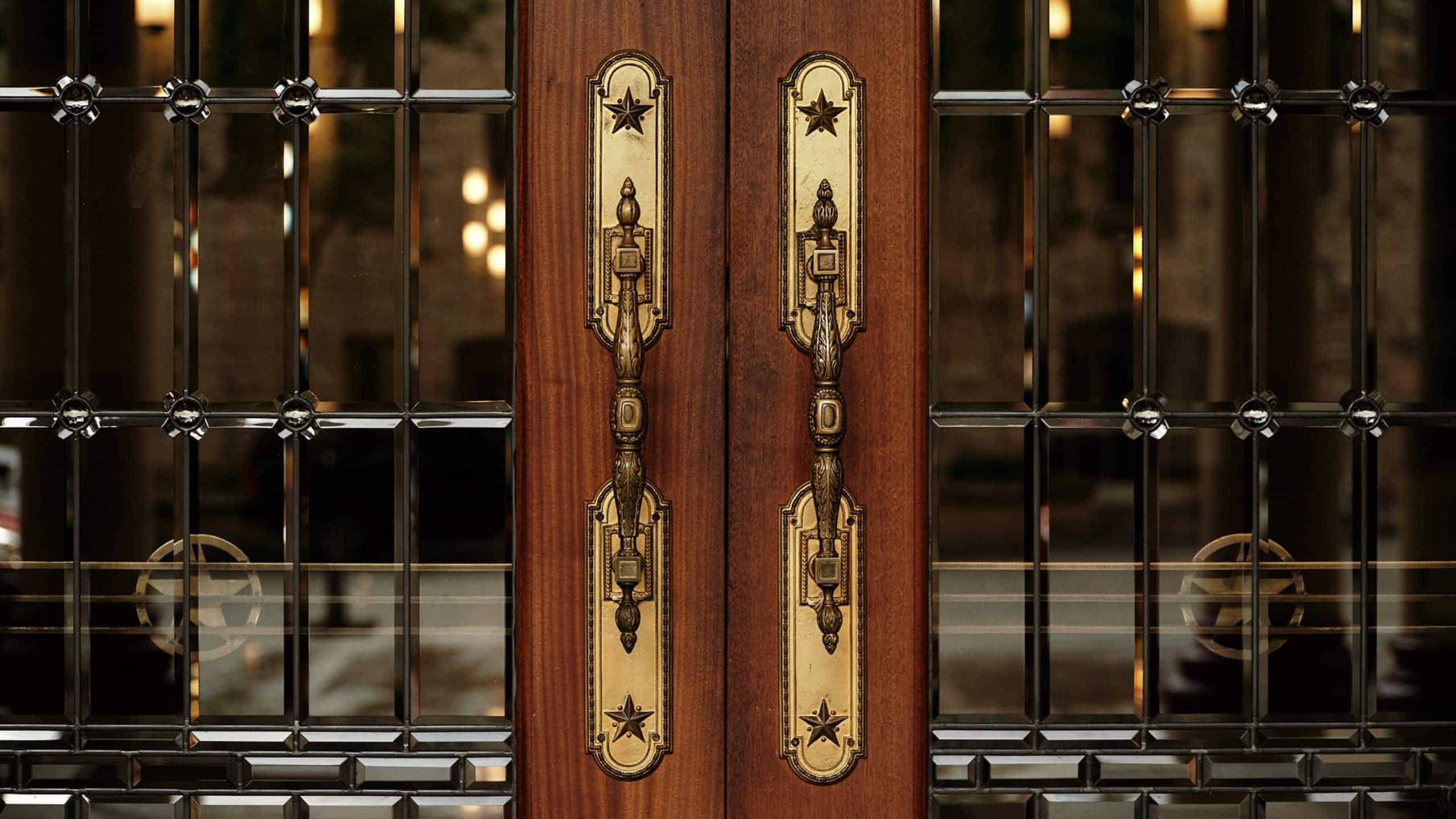
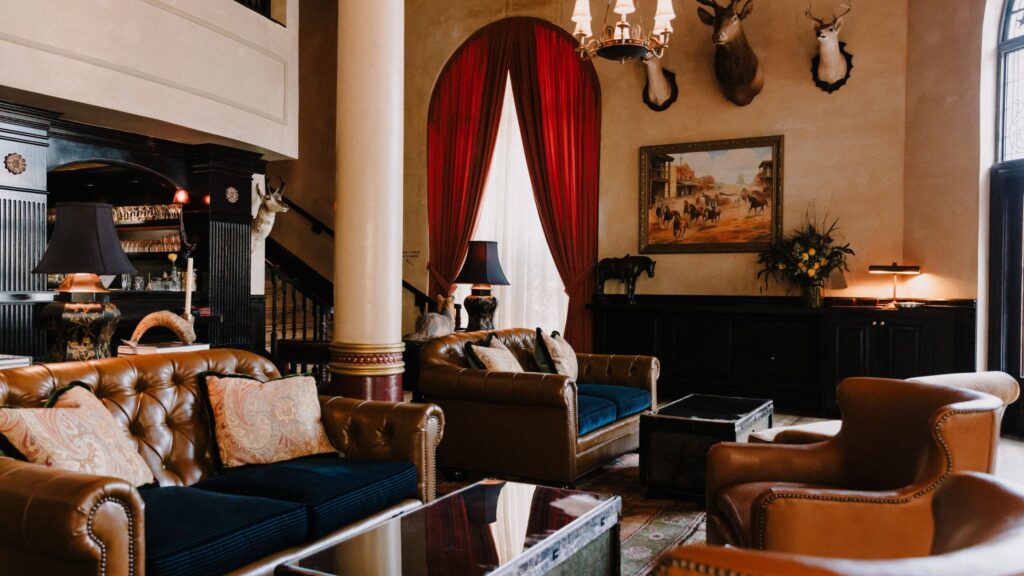
The doorman opens the grand double doors with a flourish, announcing my entrance to a Victorian past as I step out of the heat into a marble-sconced interior. Round columns carry the eye toward the central rotunda to find a gold-stained-glass dome bearing a central lone star that holds the sky, below which a broad staircase curves around the lobby. Brass glows; dark wood and patterned fabrics lend the room the atmosphere of a pre-turn-of-the-century residence built for powerful display. Driskill’s life-size portrait hangs at the helm of the staircase to greet you into his magnificent world a century plus on.
Presidents, politicians, and a legacy in brick and stone
When The Driskill opened in 1886, it quickly became a central figure of Austin’s social and political life. Even as I am greeted by the kind staff at check-in, I can see why this hotel has been a favourite of American political leaders and global artists ever since. The hotel entered Austin’s political life almost immediately, hosting Governor Sul Ross’s inaugural ball less than two weeks after opening.
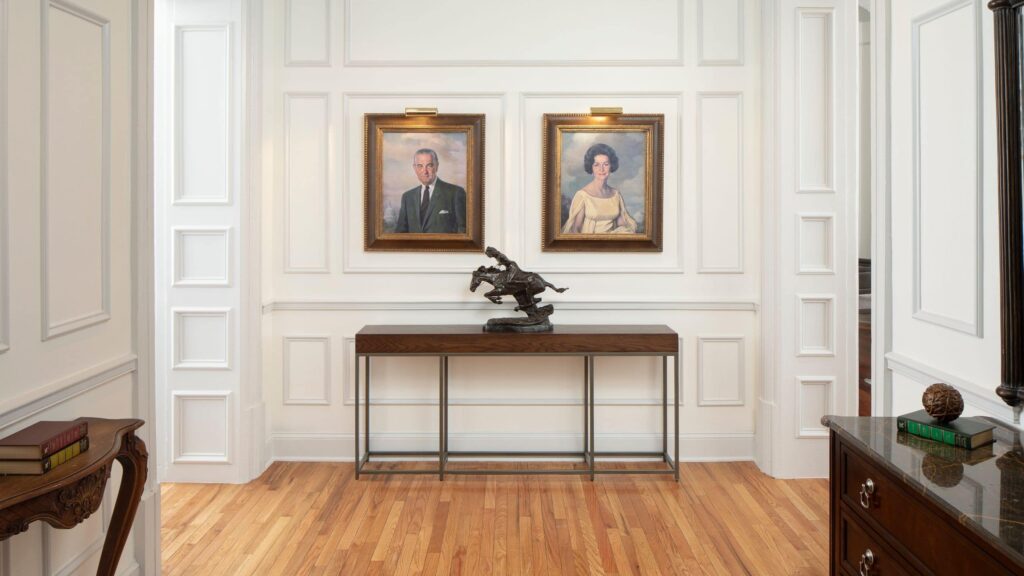
Former U.S. President Lyndon B. Johnson favoured The Driskill: he met Lady Bird here for breakfast on their first date in 1934, awaited the results of his 1948 Senate race in the Jim Hogg Suite, and returned to watch his presidential re-election results in 1964. During his presidency, the hotel housed the White House press corps and kept a suite permanently reserved for him. George W. Bush also used The Driskill as a political meeting place, while Bill and Hillary Clinton stayed in the four-room Cattle Baron’s Suite during a 1999 visit to Austin.
Its public rooms have also drawn visionaries in the creative world, from Annie Lennox and Johnny Depp to Bill Murray. Before reaching my room, the hotel has already drawn me into an enduring world once imagined by Driskill – one shaped by Victorian elegance, political influence, and a distinctly rancher belief in building grandly.
A night in The Driskill’s 1886 wing
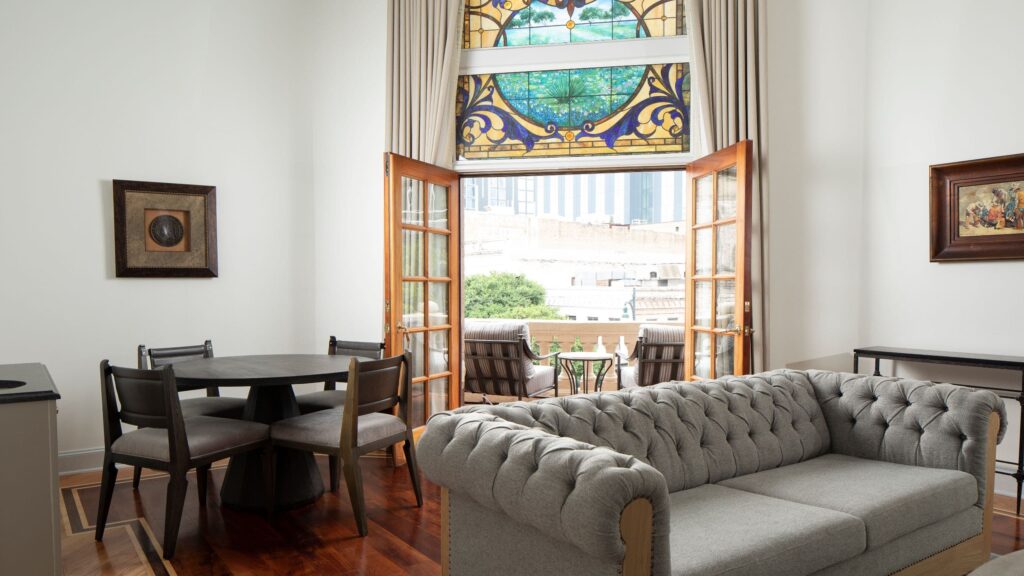
Upstairs, the building separates into two histories: the original 1886 rooms and the tower added in 1929. My room sits in the latter, reached through a quieter corridor where the ceilings lower and the spectacle of the rotunda gives way to a more private interpretation of the hotel. Blue-grey walls and gorgeous monogrammed navy carpeting temper the richness downstairs, while burnished brass hardware and burgundy velvet curtains preserve a sense of ceremony.
As a seamstress and enthusiast for design myself, the details of the room are impeccable. A favourite focal point upon immediately entering is the custom headboard embroidered by Austin textile studio Fort Lonesome, its native flowers and animals worked in chain stitch with the character of a hand-finished Western jacket.
Beyond the subtle nod to the geographic fabric of the land, I notice fun, modern pops of rancher-inspired colloquial charm: “Night Y’all” embroidered on Driskill slippers and “Hold Your Horses” tasseled signage to hang for added privacy. For those with small furry companions, there is even the Driskill’s Pampered Pet Programme, which offers several classy critter comforts, including a plush custom-designed bed, water bowls, treats, and toys.
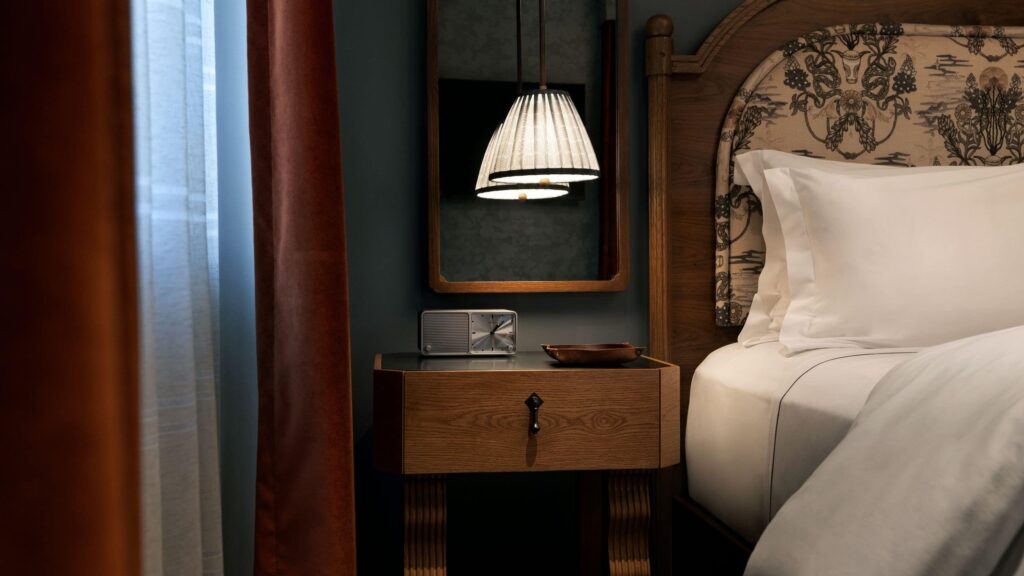
Gracefully flopping onto the bed, I make sure to ask the hotel’s head of housekeeping where the linens are sourced. As I come to find, they are crisp, luxury CASAROVEA linens imported from Italy that balance the high-ceilinged room, along with curated material details like dark timber and cool Italian Carrara marble in the bathroom. Even the minibar is arranged with the precision of a small cabinet, offering varied options for travellers’ preferences, from champagne and whisky to non-alcoholic sparkling drinks.
A lemon tart waits beside a handwritten welcome note, and I enjoy the bright citrus filling inspired by the lemon squares Lady Bird Johnson once served to friends. I eat it slowly in the seating area before unpacking and getting ready to explore. These gestures make the room feel prepared for a finer relaxation, allowing the history held within its walls to be enjoyed not as a period set, but as a foundation for experiencing Austin.
Bourbon, music, and Austin after dark
The Driskill’s interpretation of cattle baron history and Wild West culture becomes more tactile during Bolos & Bourbon, an afternoon workshop arranged around braided cords, metal clasps, and polished stones. A local artisan explains how the bolo moved between ranch wear, Southwestern craft, and formal dress as guests and I each assemble a piece of our own, bourbon poured alongside small savoury bites.
Wearing the finished tie into one of the hotel’s bars, The Victorian, later gives the exercise a fitting continuation, emulating the elite in our own boots 150 years later. The two-level bar is anchored by a long mahogany counter, with leather seating below and billiards and card tables set along the mezzanine. Live music draws people in as the evening progresses, continuing a relationship with performers that predates Austin’s modern festival era.
Louis Armstrong played a three-night engagement at the hotel in 1931. Decades later, Bill Murray and cellist Jan Vogler stood on its front steps during SXSW to read Lawrence Ferlinghetti’s poetry to the crowd gathered below. The setting has changed around them, though the hotel remains a natural stage for the city’s creative life. One of the bar hosts recommends we visit a classic honky-tonk called The White Horse, where we partake in some boot-scooting, two-step dancing before returning to experience the hotel’s second bar and restaurant.
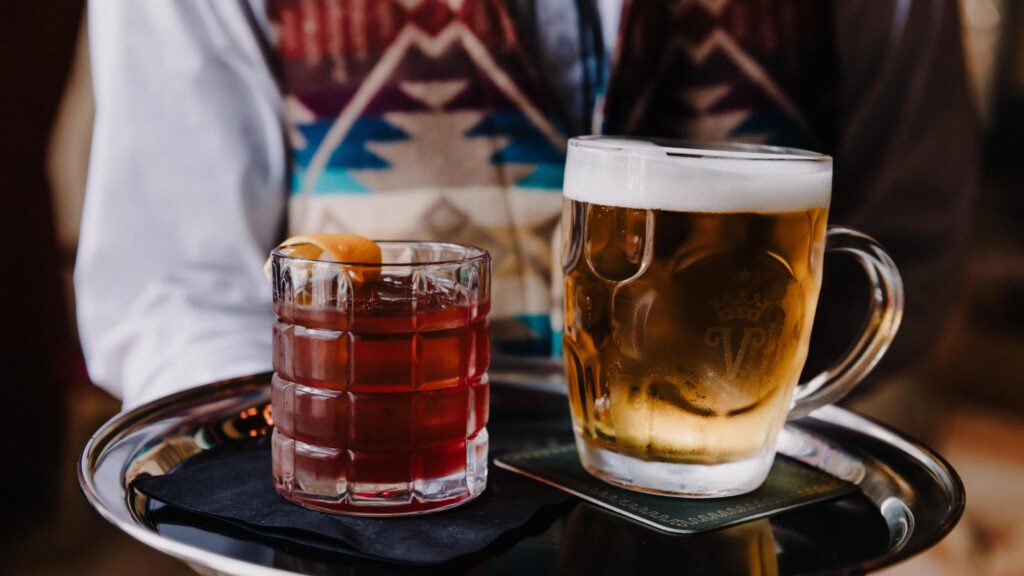
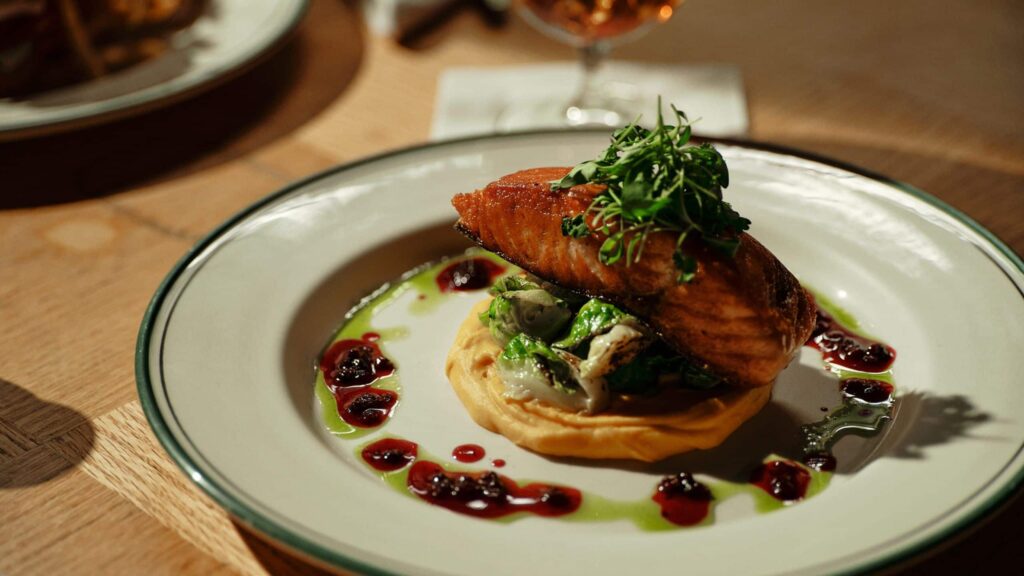
Upstairs from the lobby sits The Driskill Grill, a more formal and stately affair. I enjoy a classic mezcal Revolver cocktail which arrives first, followed by salmon and dry-aged steak. Service moves at an assured pace, leaving enough time between courses to settle into the room and its long history of political dinners, celebrations, and private conversations.
The next morning brings a gentler register at 1886 Café & Bakery. I forego room service to see the café’s stained-glass windows, which dapple coloured light across the tables as coffee arrives with warm pastries and Texas breakfast staples. I enjoy migas, coffee of course, and the café’s signature cinnamon roll. The staff is attentive, and staying here allows you to move through several versions of Austin: handmade Western dress, live music, a formal steakhouse, and breakfast served beneath Victorian glass. Without needing to jump through portals, I get the pleasure of travelling through time and experiencing each under the same grand roof.
Why it matters
The Driskill’s appeal comes from the way history remains in use, and its design is impressively not overdone despite its elegant swagger. Walking beneath the same stained glass and up the stairs to the bar, you experience the world once shaped by cattle wealth and political ambition – visions made real.
The hotel staff is quietly supportive, discreet, and professional, making sure you have everything you need. This attention to detail is visually demonstrated in its smaller and more playful moments, from embroidered slippers to a hand-tied bolo. And through the cumulative experience, the past is brought into the present without reducing it to costume. The hotel’s grandeur and story grant you connection through participation.
Leaving the following morning, I pass Jesse Driskill’s portrait once more before the doorman opens the double doors onto Brazos Street, where the valet waits at the ready. Outside, the limestone façade still stands strong in the clear Texas light, its longhorns fixed above the arches and balconies. Austin has expanded far beyond the capital Driskill knew, yet his belief in the city’s capacity for elegance beyond its rough-and-tumble frontier-outpost founding still survives inside the building he left behind.
Staying here is luxury shaped by ambition and a taste for scale, softened by the warmth of the details, stories, and people. For a brief time, I move through that world as naturally as those who gathered here before me. By departure, The Driskill feels less like a monument to another age and more like an invitation to experience Austin with greater occasion – one that I can’t imagine exists anywhere else.