From Olympic peaks to myth-soaked coastlines, 2026’s unmissable destinations blend cultural comebacks with untouched landscapes worth the journey.
The annual ritual of destination list-making has become something of a competitive sport amongst travel publishers, each vying to predict the next breakout location or cultural moment. But when you compare recommendations from the industry’s most trusted voices – Condé Nast Traveller, Travel + Leisure, National Geographic, The Guardian, Frommer’s, Lonely Planet – certain destinations emerge with striking consistency.
What follows is a distillation of expert consensus: the places that seasoned travel editors, veteran correspondents, and cultural commentators believe deserve attention in 2026. Some celebrate major anniversaries or cultural milestones. Others offer compelling reasons to visit before mass tourism inevitably follows. A few have been quietly transforming for years, and 2026 marks the moment they’re finally ready for their spotlight.
Medellín, Colombia
Recommended by: National Geographic and Condé Nast Traveller
What they said: “Although Medellín grappled with drug cartels, paramilitary groups, and violence in the 1980s and 1990s, it has since transformed dramatically. Today, one of Colombia’s most vibrant and diverse arts destinations is gaining momentum, granting authentic ways to experience the city’s welcoming charm, culture, and art.”
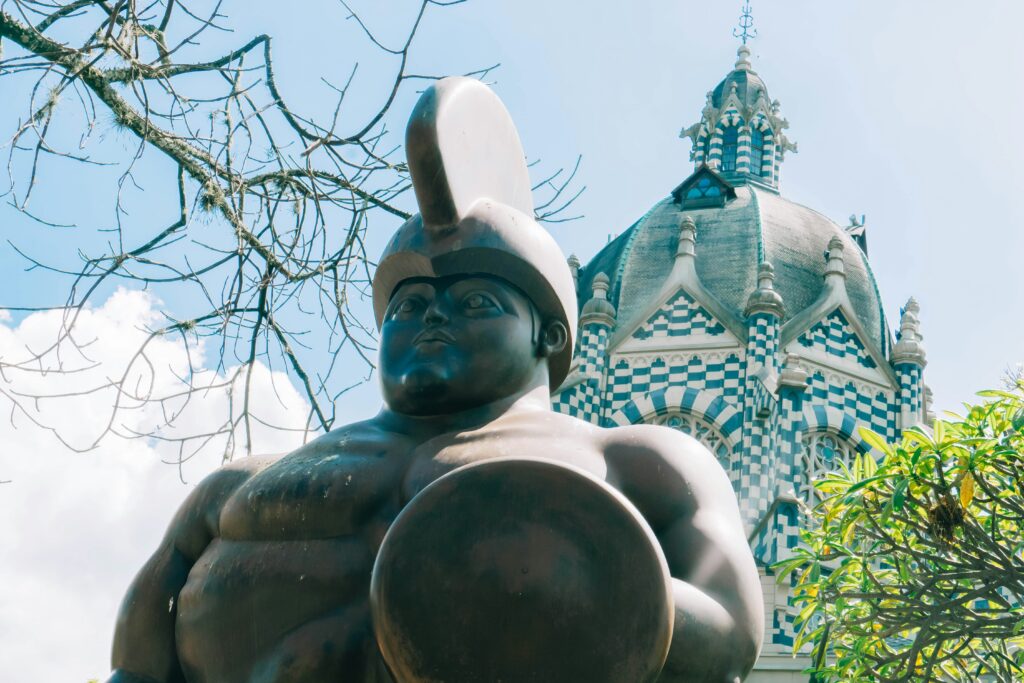
What we say: Medellín’s transformation from narco-violence epicenter to cultural powerhouse is urban reinvention at its most dramatic. The creative energy pulses strongest in Comuna 13, where a once-notorious barrio now explodes with murals, street dance, and community resilience. February’s Street Art Festival brings live painting across neighborhoods, whilst August’s 10-day Feria de Las Flores rivals Rio’s Carnival – flower artisans parade 150-pound displays on their backs, depicting personal histories and cultural pride. Add Botero’s sculptures at the Museo de Antioquia and you’ve got a city offering authenticity, warmth, and art at every turn.
Milan and the Dolomites, Italy
Recommended by: Travel + Leisure and National Geographic
What they said: “Milan, the capital of Lombardy, along with Cortina d’Ampezzo, a chic mountain town and ski resort in the Dolomites, will host both the Olympic Winter Games, which run February 6–22, and the Paralympic Winter Games, which take place March 6–15. There will be plenty of storylines to watch, but one addition to the 2026 competition is already generating a ton of excitement: Ski mountaineering, or skimo, will appear in the Games for the first time.”
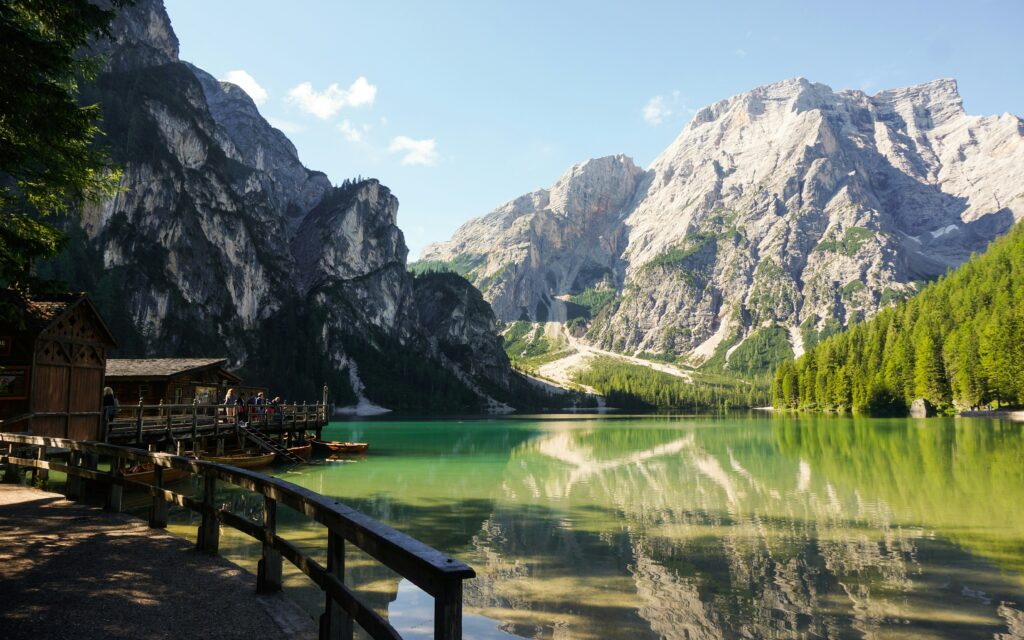
What we say: The 2026 Winter Olympics sprawl across 8,500 mountainous square miles, making this the most geographically dispersed Games ever. The Dolomites’ colossal walls and piercing spires provide a backdrop as exhilarating as any downhill run, whilst luxury rises to meet the moment – Aman Rosa Alpina‘s timber-and-stone elegance, Ancora Cortina‘s no-phones nightclub pulsing with après-ski energy. Dolomiti Superski connects 12 resorts across 29,652 acres of legendary terrain, but the magic extends beyond February. Summer transforms peaks into wildflower meadows and hut-to-hut glacier treks, whilst high-concept restaurants like Grual prove the mountains feed both adventure and appetite.
The Peloponnese, Greece
Recommended by: Condé Nast Traveller and Frommer’s
What they said: “In July 2026, Christopher Nolan’s film The Odyssey will take viewers on a voyage to Greece’s myth-drenched Peloponnese peninsula. The Oscar-winning director shot scenes on the cinematic southwest coast of Messinia, where Homer’s epics are anchored in ancient history. Sustainability-focused Costa Navarino, home to four luxury resorts and a recent influx of restaurants run by Michelin-starred chefs, makes an ideal base for exploring the film locations.”
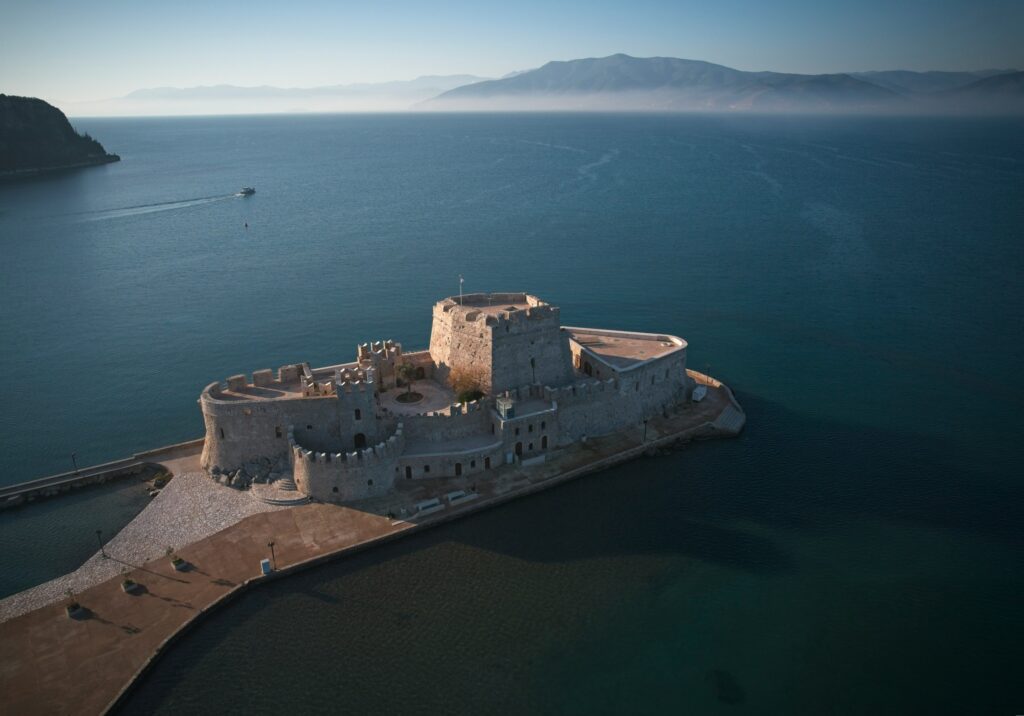
What we say: Christopher Nolan’s The Odyssey arrives in July, putting Messinia’s coastline on every set-jetter’s radar. Beat the rush to omega-shaped Voidokilia Beach, Nestor’s Cave where Matt Damon’s Odysseus outwits the Cyclops, and flamingo-filled Gialova Lagoon. Beyond film locations, Costa Navarino’s Michelin-starred resorts anchor uncrowded beaches and ancient treasures – including a Mycenaean warrior’s tomb that rewrote Western civilization’s origins. Spring 2026 completes the 1,075-mile Peloponnese Trails network, whilst Messinia’s revamped Archaeological Museum of Chora opens to house the region’s most significant finds. Greece without the Santorini crowds.
Rio de Janeiro, Brazil
Recommended by: National Geographic and Condé Nast Traveller
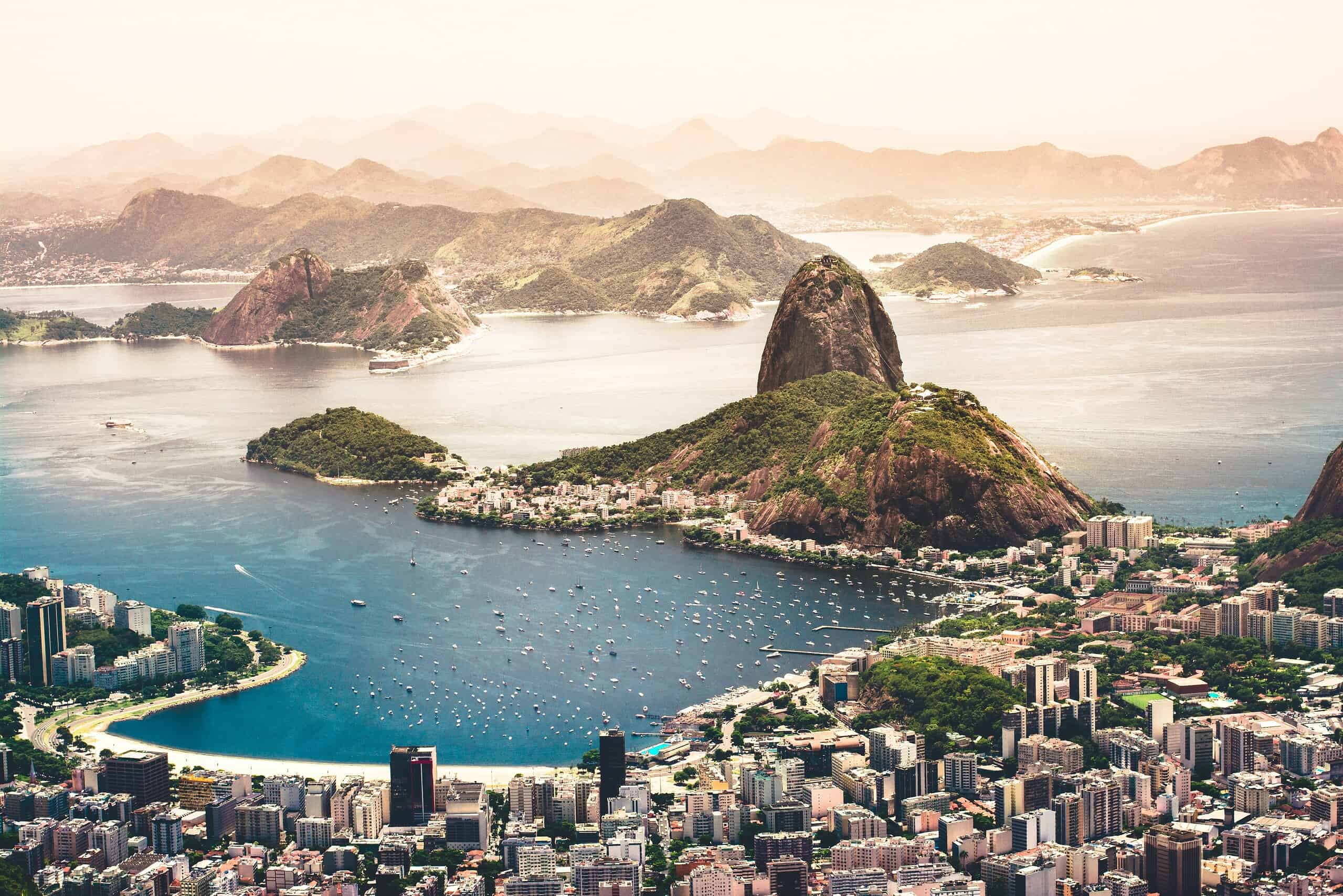
What they said: “Many a serenade has been sung about Rio de Janeiro’s alluring beaches, passionate people, and iconic landmarks, enticing visitors to this fun-loving Brazilian city for well over a century. But Rio has revealed a few more reasons to visit in 2026. The National Museum of Brazil (Museu Nacional/UFRJ) is pushing for a second temporary reopening then, and a full reopening in 2028, following the tragic 2018 fire that burned down the 207-year-old institution.”
What we say: Rio’s samba-pulse never stops, but 2026 adds new rhythms. The National Museum of Brazil rises from its 2018 fire with a temporary reopening, whilst the Copacabana Palace unveils expanded suites and a fresh spa. Sunrise cable car rides to Sugarloaf Mountain now feature live saxophone and breakfast at the summit, a new trail winds to Cristo Redentor’s outstretched arms, and Michelin-starred tables prove Rio’s evolved beyond beaches and caipirinhas. The alluring coastline and iconic silhouettes remain – but the city’s cultural renaissance makes 2026 the moment to return.
Oulu, Finland
Recommended by: The Guardian, National Geographic, Condé Nast Traveller, Frommer’s, Lonely Planet
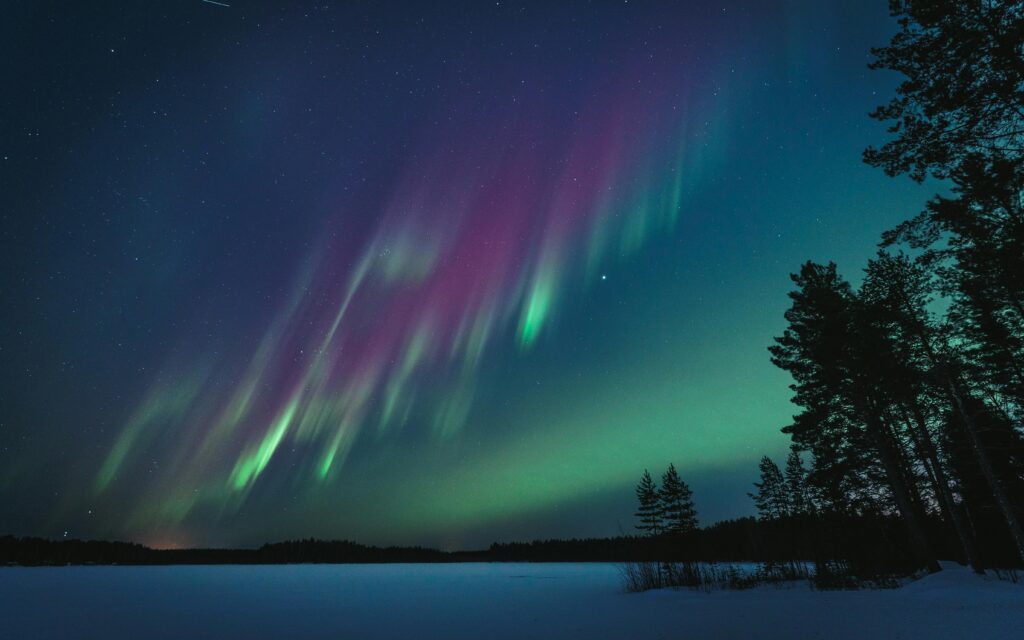
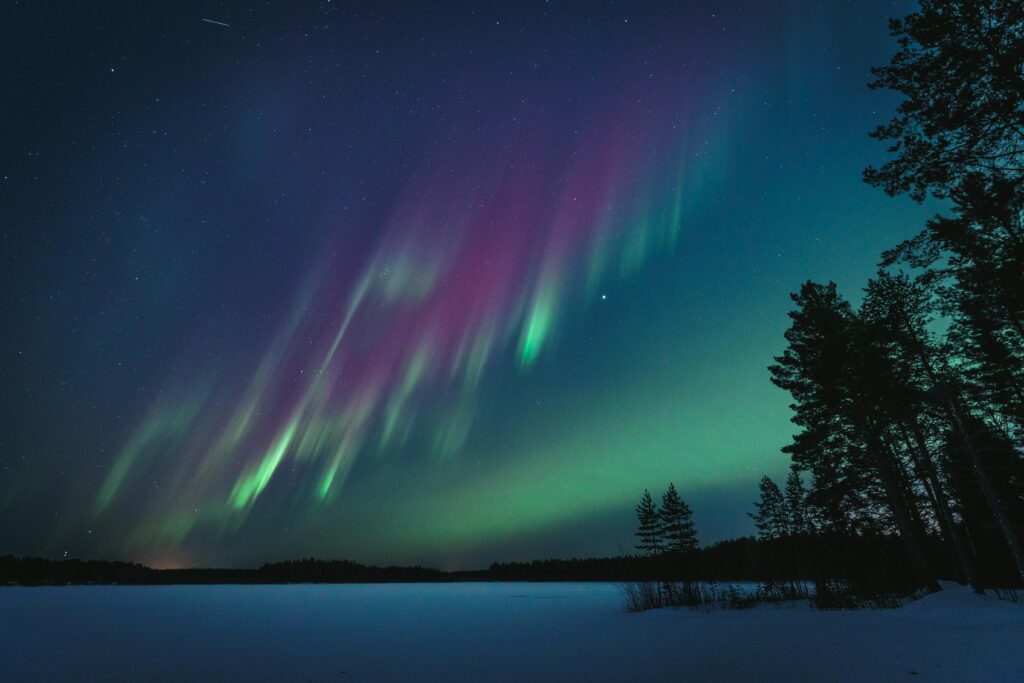
What they said: “Step aside, Berlin. Europe’s new cultural hotspot is Oulu, a city just below the Arctic Circle in Finland that was named a European Capital of Culture 2026 for its exciting art galleries and cultural centres. But that’s not all it has going for it. Oulu is also currently playing host to a series of Arctic Food Lab events: open-air dinners that showcase the mind-bending possibilities of gastronomy in one of the world’s most extreme climates, such as crisps made from fish skin, and nettle grown in the Arctic.”
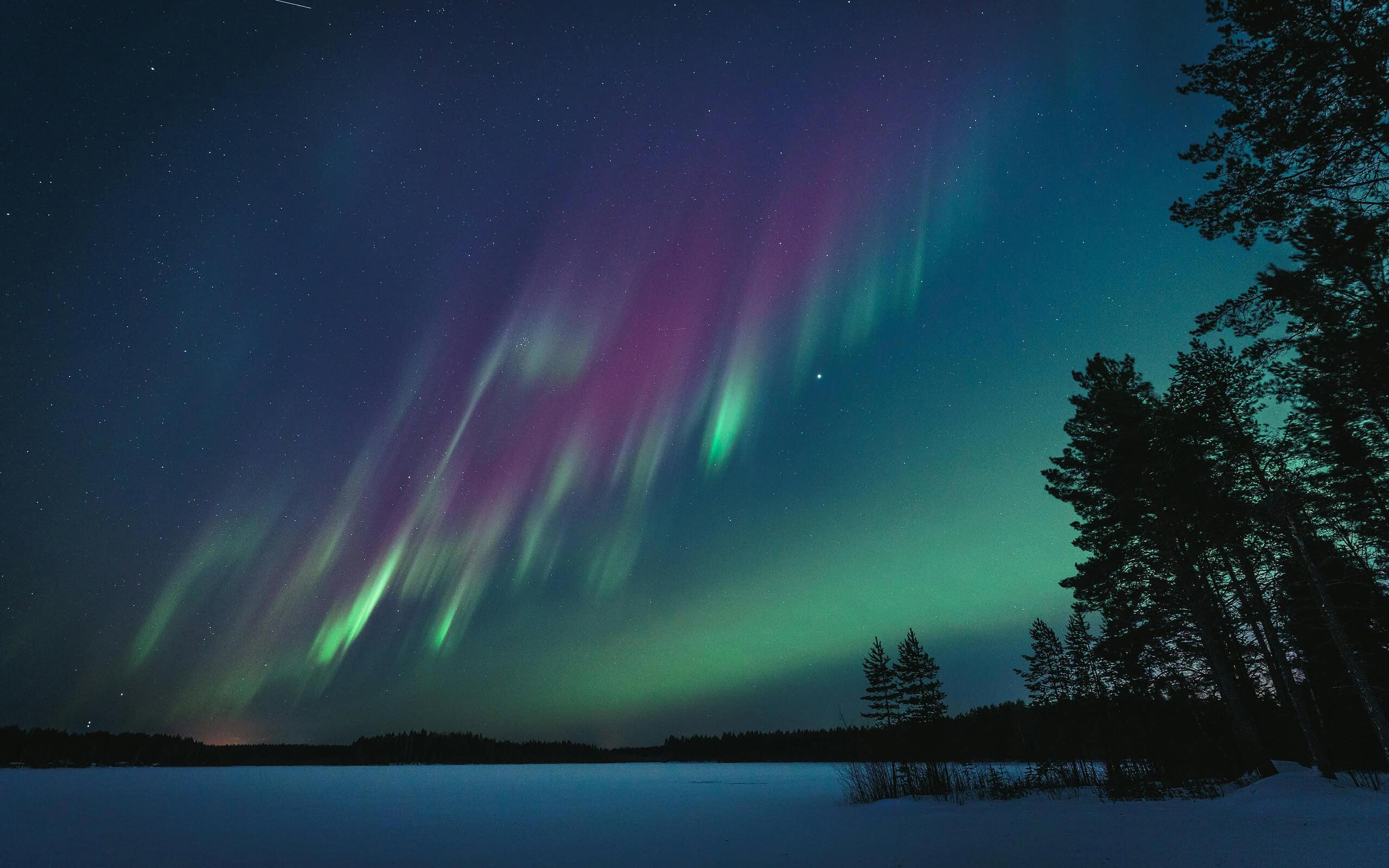
What we say: Few cities can claim both Europe’s purest air and its most adventurous cultural programming. Perched just south of the Arctic Circle, Oulu is channeling extreme climate and Indigenous Sámi heritage into something genuinely distinctive – frozen electronic music festivals on the icy Gulf of Bothnia, avant-garde Arctic gastronomy, and a new permanent art trail weaving installations through miles of untouched wilderness. Environmental urgency meets creative ambition in Europe’s most unlikely cultural capital.
Route 66, USA
Recommended by: National Geographic, Condé Nast Traveller, Frommer’s
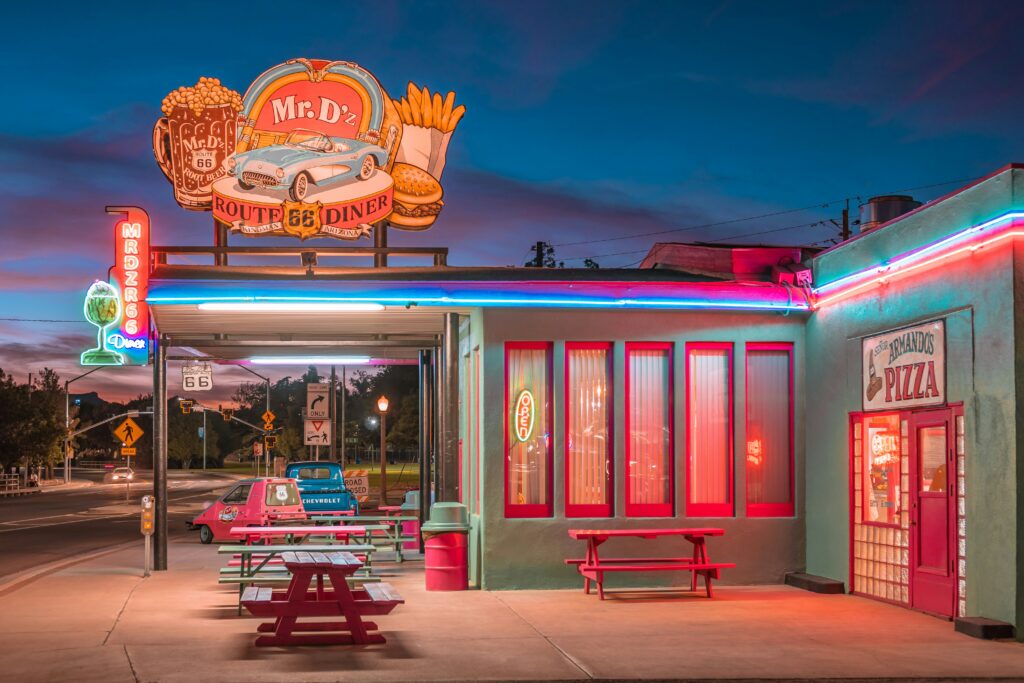
What they said: “In time for Route 66’s centennial, Oklahoma is getting an Americana glow-up. Over the past four years, the Oklahoma Department of Transportation has invested more than $82 million in the state’s 400-mile stretch of the historic Mother Road, and it feels like there’s a spectacle of relit neon signs, revived motor courts, and roadside attractions waiting around every bend.”
What we say: The Mother Road turns 100 in 2026, and the celebration runs for 2,448 miles. Neon signs glow with restored midcentury brilliance, vintage motor courts hum back to life, and roadside oddities – cosmic cowboys, 700-variety soda stations – pulse with fresh energy. But this isn’t purely nostalgic kitsch. Indigenous-run institutions like Albuquerque’s Indian Pueblo Cultural Center are finally telling the fuller story of the 25+ tribal nations whose land the highway crosses. Classic car parades and small-town festivals make 2026 the moment to experience America’s most mythologised road, complete with its contradictions and charm.