While mega-resorts demand luxury budgets, savvy skiers are finding excellent slopes, reliable snow, and modern lifts for half the price.
With ski season about to kick off, the math doesn’t add up anymore. When lift passes alone hit €400 and a week in Courchevel costs more than most monthly salaries, even dedicated skiers are reconsidering their options. Inflation has pushed the Alps’ prestige destinations into luxury territory, and with economic uncertainty looming, dropping thousands on a single trip feels reckless.
Here’s what the ski industry won’t advertise: some of Europe’s best mountains operate far below the radar and the price point. These aren’t beginner slopes or compromised experiences – they’re legitimate resorts with excellent snow records, modern infrastructure, and terrain that rivals their famous neighbors. They’re just tucked into countries where your money stretches further – from Bulgaria and Slovakia to Andora and Montenegro, these mountains deliver the alpine thrill without the financial regret.
Bulgaria – Borovets and Bansko

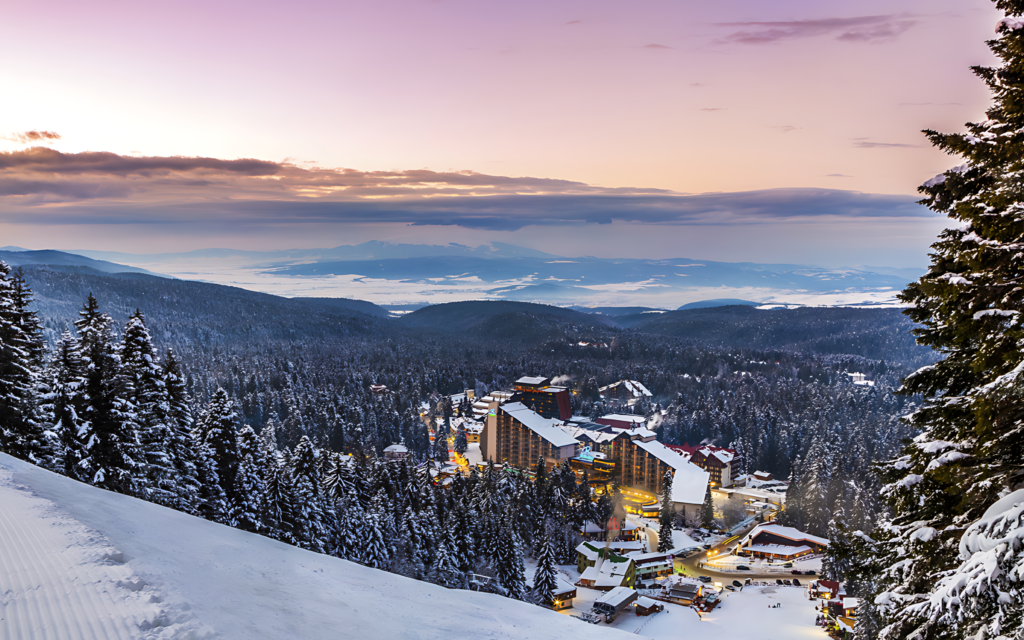
Bulgaria’s two main resorts deliver proper alpine skiing without the Western European price tag. Borovets, the country’s oldest resort, sits 90 minutes from Sofia in the Rila Mountains with wide, forgiving slopes ideal for intermediates and families. The terrain spans two distinct areas, some lifts climb above the treeline, and the season runs mid-December through April. After skiing, nearby thermal springs and traditional villages offer a proper wind-down.
Bansko raises the bar with superior infrastructure – a modern gondola from town to mountain, the best snowmaking in Bulgaria, and more reliable natural snow. But it’s the town itself that seals the deal: cobblestone streets lined with authentic mehanas serving hearty Bulgarian fare, live folk music, and a lively après-ski scene that attracts a younger crowd. Both resorts offer legitimate skiing, though Bansko delivers a more complete mountain town experience for those who want more than just the slopes.
Ski prices: Borovets €54 day pass; Bansko €56 day pass
Slovakia – Jasná and Tatranská Lomnica

Slovakia’s ski resorts operate in relative obscurity, delivering legitimate alpine terrain at prices that make the Alps look extortionate. Jasná, the country’s largest, sprawls across 50 kilometres on two sides of a 2,000-metre peak in the Low Tatras. Modern lifts serve everything from nursery slopes to serious blacks, and the season stretches from early December through mid-May. What it lacks in name recognition it makes up for in space – the resort rarely sees crowds.
Tatranská Lomnica in the High Tatras claims Slovakia’s longest run: a steep 6.5-kilometre descent dropping nearly 900 vertical metres from 2,189 metres. The terrain skews more challenging, with wide-open slopes and plentiful off-piste surrounded by dramatic peaks. A cable car climbs to Slovakia’s highest point for views, whilst extensive cross-country trails and a 2-kilometre toboggan run complete the offering. Neither resort offers easy access, but that isolation keeps slopes refreshingly uncrowded.
Ski prices: Jasna, €47 day pass; Tatranská Lomnica, €55 day pass
Grandvalira, Andora

The Pyrenees’ largest ski resort sprawls across 210 kilometres linking several villages into one massive domain. What sets Grandvalira apart is the sheer breadth of skiing on offer – wide-open cruisers up high, technical steeps for advanced skiers, sheltered woodland runs when weather turns, and extensive beginner terrain that doesn’t feel like an afterthought. Fast, modern lifts make traversing the entire area feasible in a day, whilst extensive snowmaking covering 65% of pistes ensures a reliable season from early December through late April.
Beyond skiing, there’s ziplines, an alpine coaster, and well-marked kids’ areas throughout. Pas de la Casa, the highest sector at 2,100 metres, delivers the most consistent snow, whilst lower villages offer charm when you want a proper mountain town feel. The resort’s location enables easy escapes to Barcelona or Toulouse (both three hours away), and Andorra’s tax-free status means cheaper gear. The real draw is Alpine-quality terrain diversity without the Alpine crowds or price tag.
Ski prices: dynamic pricing, but generally €60 day pass
Zakopane, Poland
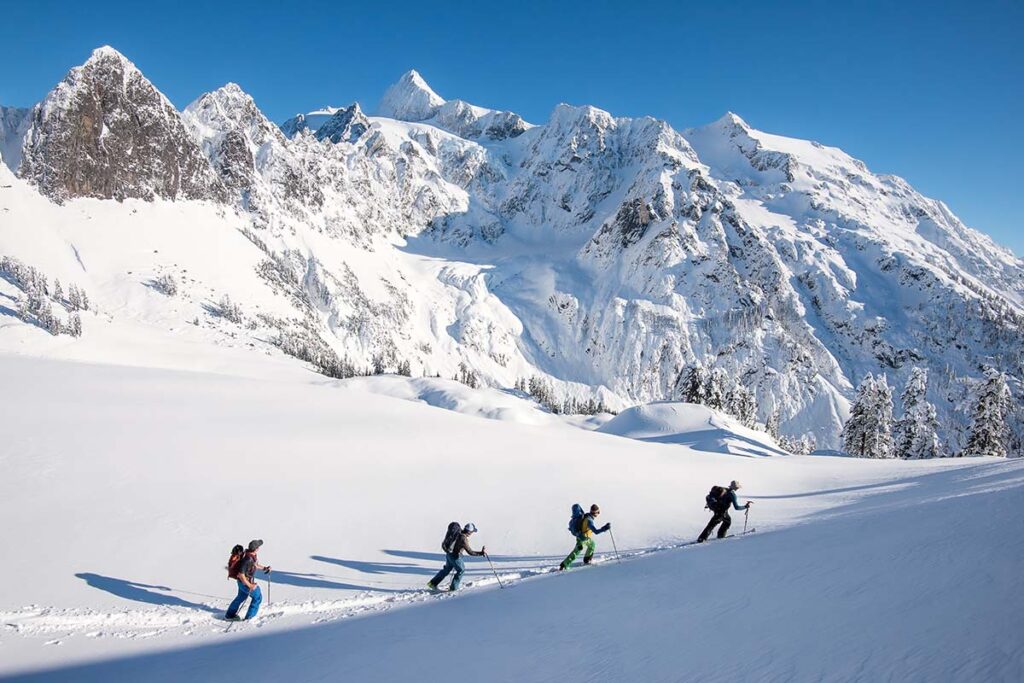
Poland’s premier ski destination might offer Europe’s cheapest lift tickets, but there’s substance beyond bargain pricing. Several resorts operate under the Tatry Ski Pass, with terrain heavily favouring those still finding their feet on skis. Nosal Ski Resort caters to complete novices, whilst Kasprowy Wierch steps up the challenge with runs stretching to 2 kilometres, though it only operates after substantial snowfall.
Set against the Tatra Mountains, Zakopane delivers genuine mountain scenery without the corresponding cost. A thermal spa complex provides respite from the slopes, and the town retains authentic Polish mountain character rather than manufactured resort charm. Infrastructure won’t match Western European standards, but weekend ski trips genuinely come in under €250 when you factor in accommodation and meals. For families or beginners prioritising budget over extensive terrain, Zakopane proves European skiing needn’t break the bank.
Ski prices: €35/day for Tatry Ski Pass
Italy – San Vito di Cadore and Livigno

San Vito di Cadore offers a clever workaround for skiing the Dolomites on a budget. This compact 20-kilometre resort caters primarily to beginners and families, but membership in the Dolomiti Superski network unlocks the real value – a Skipass de Valle grants access to 1,200 kilometres across legendary areas like Alpe di Siusi and Val Gardena, whilst you base yourself in a quieter village than overcrowded Cortina next door.
Livigno’s duty-free status as an Italian enclave near the Swiss border keeps costs down across the board. The resort sprawls across 115 kilometres of terrain heavily favouring beginners and intermediates, though two blacks and varied off-piste give advanced skiers options. High altitude and north-facing slopes ensure a long season, whilst the town maintains genuine mountain character. It’s proper Italian skiing without the usual Italian pricing.
Ski prices: San Vito, €51 day pass; Livigno, €40-58 day pass (seasonal)
Kolašin, Montenegro
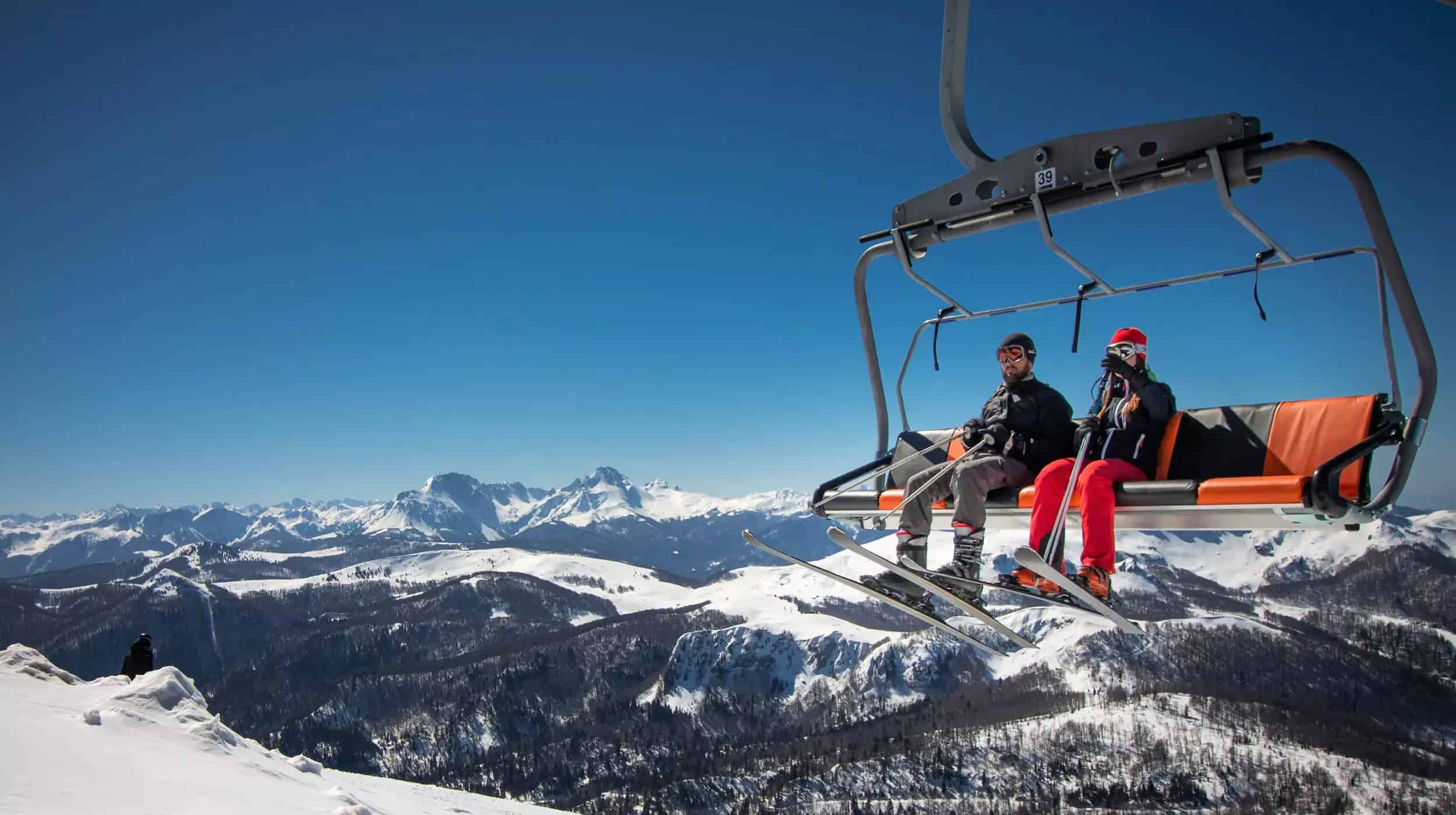
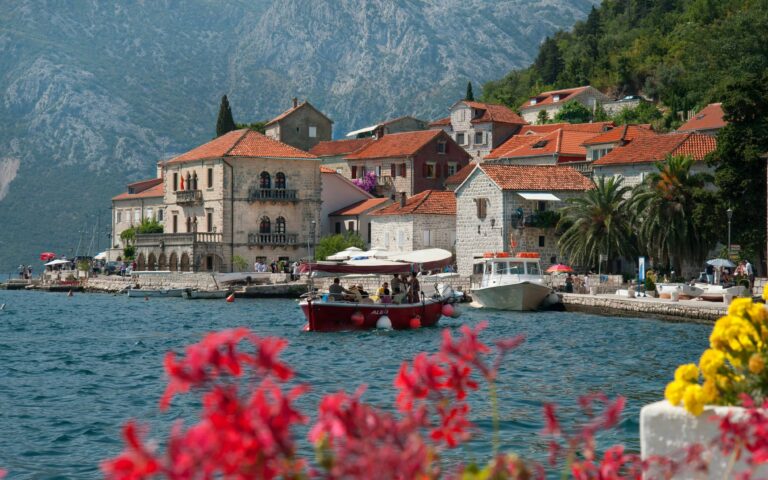
Montenegro’s most underrated ski destination operates in near-total obscurity despite offering genuine mountain terrain at bargain rates. Kolašin sits between the Bjelasica and Sinjajevina mountains in central Montenegro, with peaks topping 2,000 metres and slopes suited to families and intermediates. The resort nestles between National Park Biogradska gora and the UNESCO-protected Tara canyon, delivering proper alpine surroundings alongside hearty Balkan food and lodging from hotels to simple cabins.
The skiing remains modest – limited runs served by basic lifts – though Montenegro’s first ski-in ski-out development signals growing ambition. Dedicated children’s areas and instructors cater to families, whilst the atmosphere stays refreshingly unpretentious. Practical downsides exist: the season doesn’t properly start until January or February due to unreliable early snowfall, the narrow 7-kilometre access road clogs on weekends, and parking disappears when day visitors descend. But for skiers chasing value over variety, Kolašin offers uncrowded slopes without sacrificing mountain quality.
Ski prices: €25 day pass