The rules of travel are changing quickly. Knowing which ones still apply could save your summer plans.
For most high-end travellers, summer is a season of seamless logistics and considered escapes. The 2026 season is shaping up differently. The ongoing closure of the Strait of Hormuz has sent jet fuel prices up by nearly 80%, triggering what analysts are calling a slow-motion restructuring of global aviation; one that will be felt most acutely between June and September, precisely when demand is at its peak.
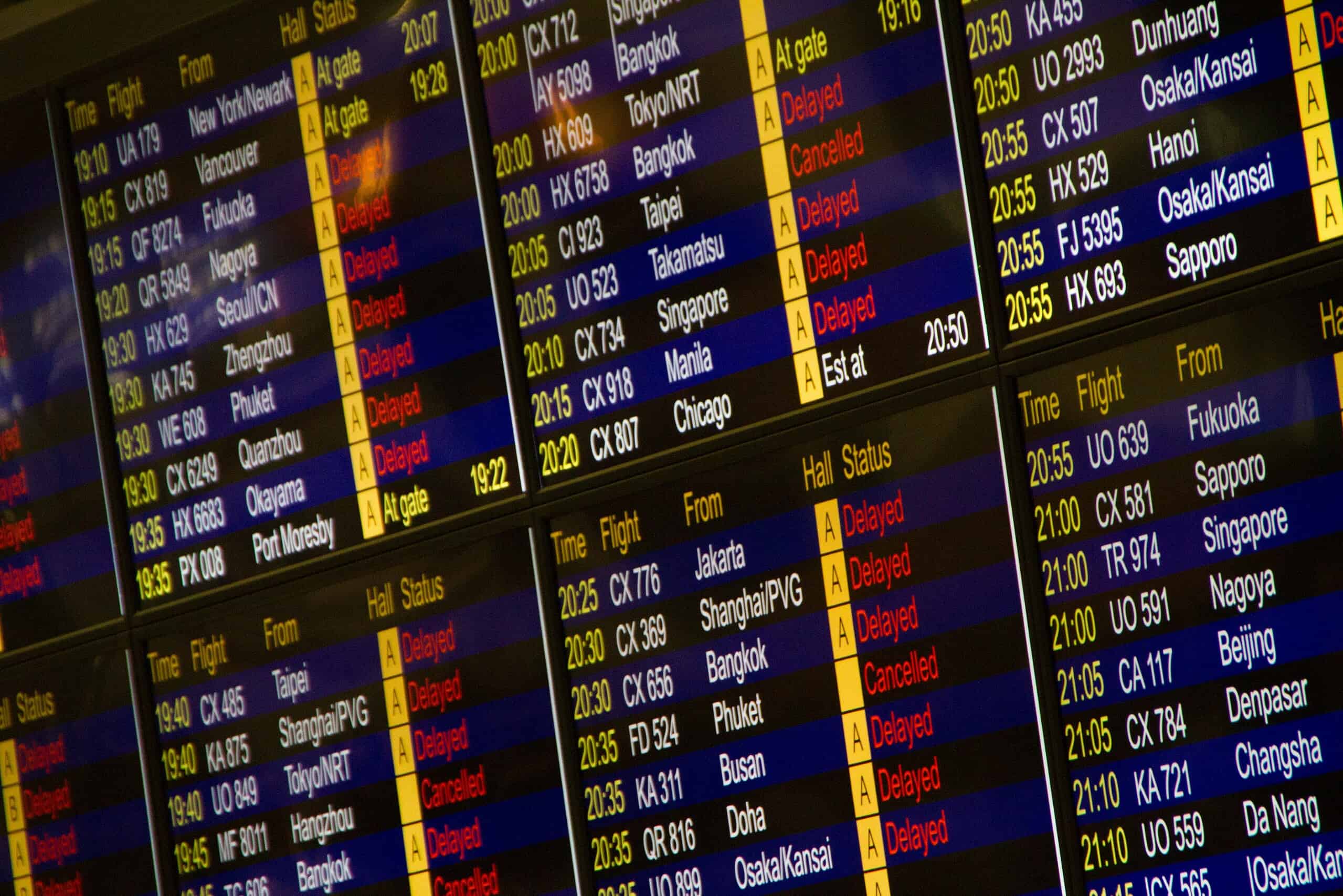
The numbers are significant: airlines have already stripped 9.3 million seats from global summer schedules. Lufthansa alone has cut 20,000 flights. Middle Eastern hubs including Doha and Dubai, typically among the most reliable connection points for long-haul travellers, are contending with serious regional airspace constraints.
The IATA has warned that even a reopening of the Strait tomorrow would take months to work through the supply chain – and that further capacity cuts are not just possible but likely, with minimal notice to passengers.
In addition to this is budget carrier’s Spirit Airlines collapse on May 2nd, easy to dismiss as a separate story, but its exit speaks to how little margin for error the industry is currently operating with – and that dynamic is not limited to the low-cost end of the market.
The central concern for travellers is more than cost, though international fares have risen sharply, but reliability. The routes most vulnerable to further cuts are regional connections and thinner international services; the flagship routes that full-service legacy carriers depend on commercially will be prioritised and protected. High-net-worth travellers are already moving in that direction, concentrating bookings with carriers that have both the scale and the incentive to hold their premium services together.
GasBuddy’s head of petroleum analysis Patrick De Haan told Forbes: “If you’re not a very resilient traveller, planning to go to one of these overseas destinations, you may want to rethink it… If the Strait remains closed for another couple of weeks, it’s really not going to be good.”
The data points toward domestic and near-home travel as the more resilient option this summer. North American routes are holding up comparatively well given lower import dependence on Middle Eastern supply. The picture in the UK and parts of Asia is considerably more uncertain, with fuel rationing a real possibility in some markets.
For those with firm international plans, full-service carriers on major trunk routes remain the safest bet. Private charter is worth serious consideration this year: fuel surcharges are transparent, scheduling flexibility is guaranteed, and the disruption risk that comes with commercial aviation simply does not apply in the same way.
“Even if the Strait of Hormuz were to reopen tomorrow, the deep structural damage this war has caused to energy infrastructure and supplies from the Gulf will impact the global airline sector, especially in Europe and Asia, for many months, probably longer,” Gary Bowerman, director of travel-focused marketing company Check-in Asia, told Al-Jazeera.
This is a summer to plan conservatively, build in flexibility wherever possible, and weight certainty over distance when the two come into conflict.